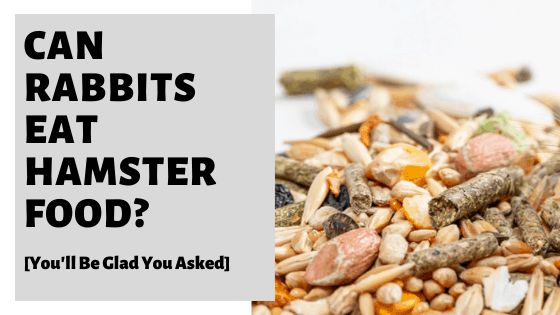
Can Rabbits Eat Hamster Food? Essential Guide for Pet Owners
No, rabbits should not eat hamster food. It does not meet their dietary needs.
Rabbits need specific nutrients found in their natural diet. Rabbits and hamsters have different nutritional requirements. Rabbit food is high in fiber and low in fat, while hamster food is often too high in fat and protein for rabbits. Feeding rabbits hamster food can cause digestive issues and other health problems.
Understanding what your rabbit needs is crucial for its well-being. This blog will explore why rabbits and hamsters need different foods, what those differences are, and how to properly feed your rabbit. Stay informed to keep your pet healthy and happy.
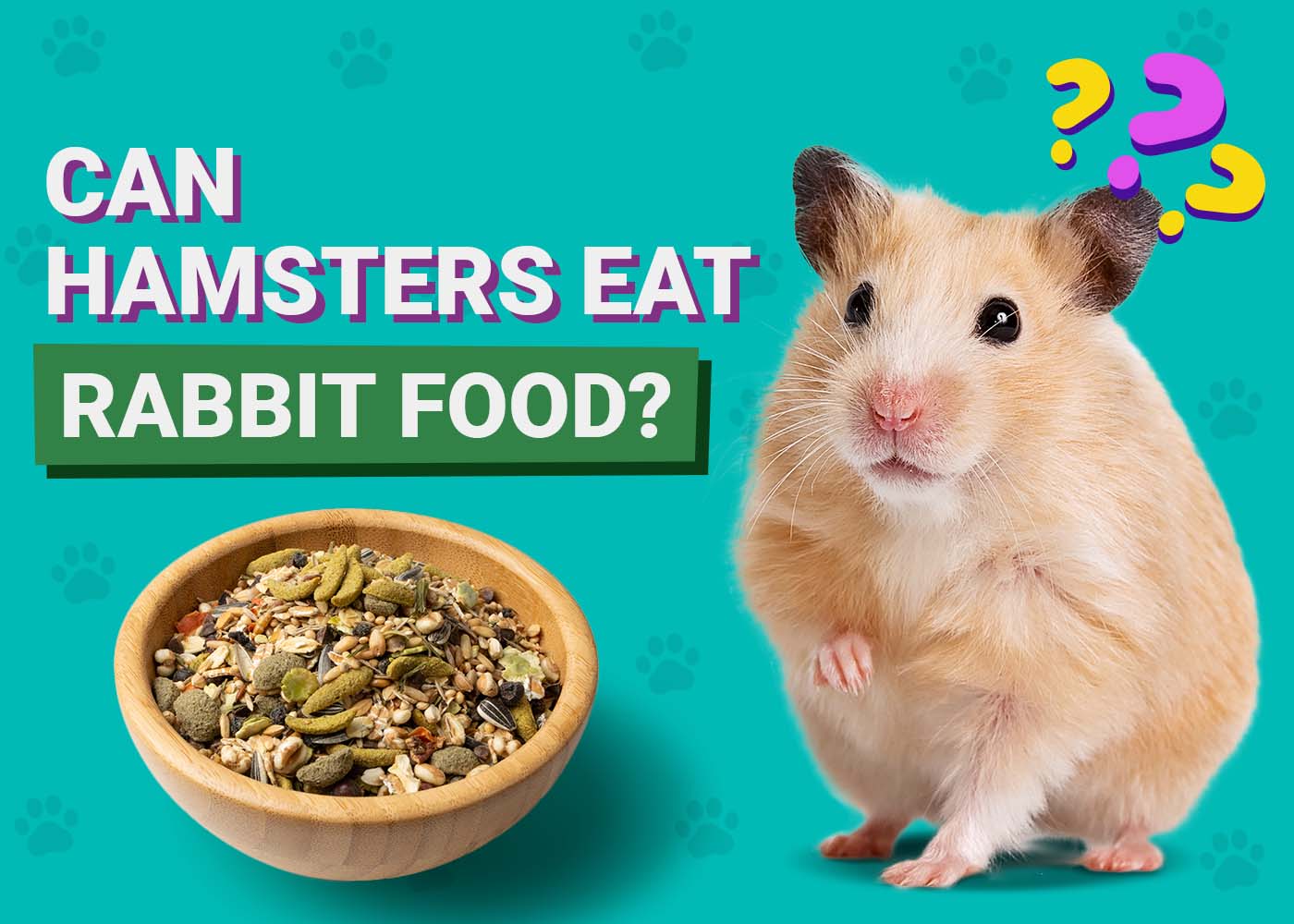
Credit: pangovet.com
Introduction To Rabbit And Hamster Diets
Understanding the dietary needs of rabbits and hamsters is essential. Each species has specific nutritional requirements. Feeding them the wrong food can harm their health. Let’s delve into their diets.
Basic Nutritional Needs
Rabbits need a diet high in fiber. They primarily eat hay. Fresh vegetables and small amounts of fruit are also necessary. Pellets should be limited.
Hamsters need a variety of foods. Their diet includes grains, seeds, vegetables, and fruits. Protein is also crucial for them. Commercial hamster food often provides a balanced mix.
| Nutrient | Rabbits | Hamsters |
|---|---|---|
| Fiber | High | Moderate |
| Protein | Moderate | High |
| Vegetables | Fresh | Fresh |
| Fruits | Small amounts | Small amounts |
Common Food Types
Rabbits thrive on hay. Timothy hay is the best choice. Include fresh greens like lettuce and spinach. Offer carrots and apples in small amounts.
Hamsters enjoy seeds and grains. Sunflower seeds are a favorite. They also like fresh vegetables like cucumbers and carrots. Hamsters need occasional protein from sources like boiled eggs.
- Rabbits
- Timothy hay
- Lettuce
- Spinach
- Carrots (small amounts)
- Apples (small amounts)
- Hamsters
- Sunflower seeds
- Grains
- Cucumbers
- Carrots
- Boiled eggs (occasionally)
Providing the right food ensures your pet’s health. Avoid feeding them each other’s food. It is not suited to their dietary needs.
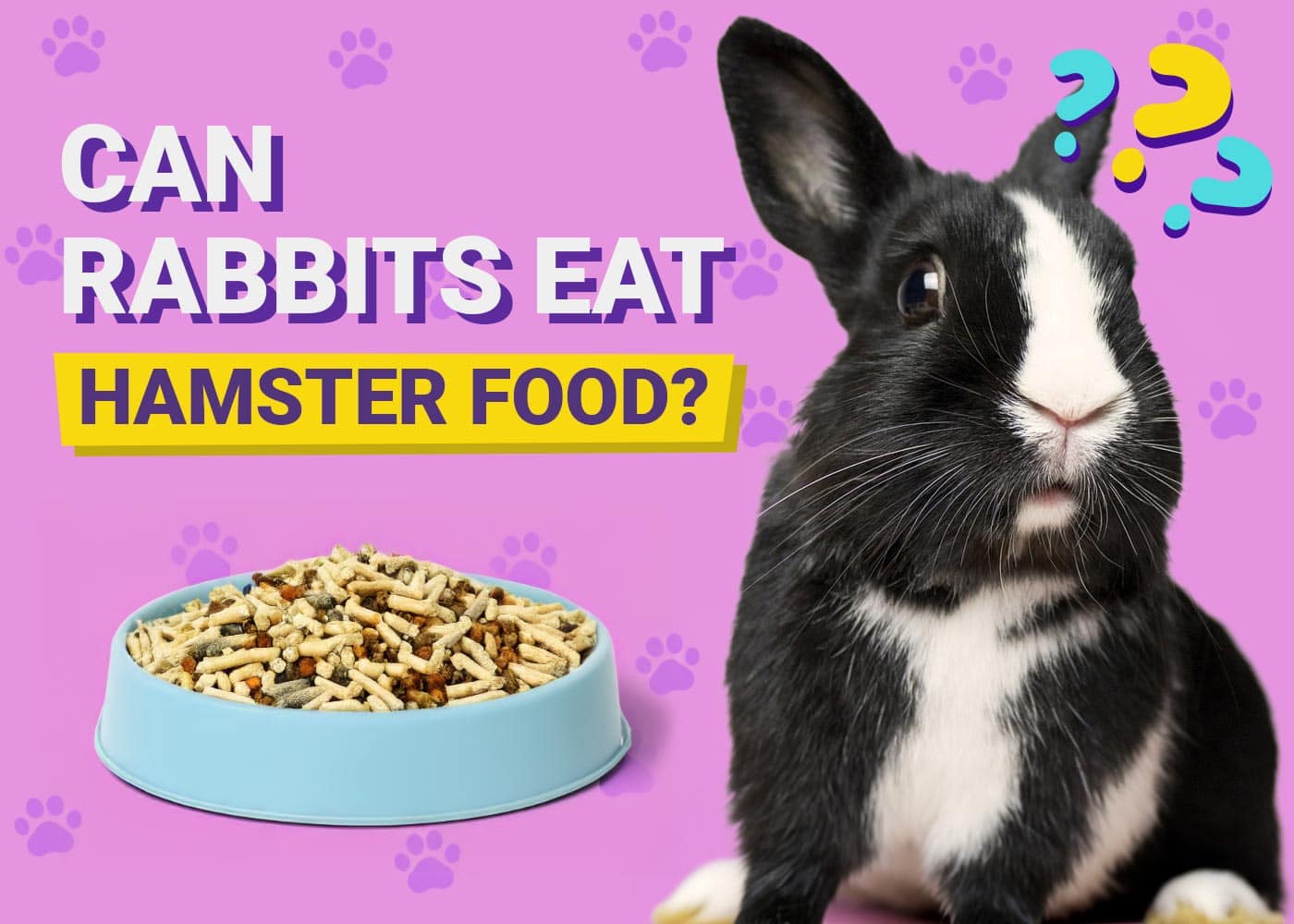
Credit: pangovet.com
Differences Between Rabbit And Hamster Food
Rabbits and hamsters have different dietary needs. These differences affect the types of food they should eat. Feeding the wrong food can harm their health. Let’s explore the key differences between rabbit and hamster food.
Ingredients Comparison
Rabbit food usually contains hay, fresh vegetables, and pellets. Hay is vital for their digestive system. Fresh vegetables provide essential vitamins. Pellets offer balanced nutrition. Hamster food often includes seeds, grains, and dried fruits. Seeds are high in fat. Grains provide energy. Dried fruits add natural sugars.
Nutritional Content
Rabbits need high fiber and low fat. Fiber keeps their gut healthy. Low fat prevents obesity. Hamsters need more protein and fat. Protein helps muscle growth. Fat provides energy. These nutritional needs make their food quite different. Rabbits need food that supports their unique digestive system. Hamsters need food that gives them energy and strength.
Risks Of Feeding Rabbits Hamster Food
Feeding rabbits hamster food poses health risks. Rabbits need a high-fiber diet, unlike the protein-rich diet of hamsters. This can lead to digestive problems and malnutrition in rabbits.
Feeding rabbits hamster food can be risky. Their dietary needs are different. Hamster food lacks the proper nutrients rabbits need. This can lead to serious health issues and nutritional deficiencies.Health Issues
Hamster food contains ingredients unsuitable for rabbits. It may have seeds and nuts. These can cause digestive problems in rabbits. Rabbits have sensitive stomachs. They need a specific diet to stay healthy. Wrong food can lead to diarrhea or bloating. Rabbits also need high fiber. Hamster food is low in fiber. This can cause gastrointestinal stasis. It’s a serious condition where the gut slows down. It can be life-threatening for rabbits.Nutritional Deficiencies
Rabbits need a balanced diet. Hamster food does not meet their nutritional needs. It lacks the right vitamins and minerals. Rabbits need Vitamin A, Vitamin D, and calcium. Hamster food has different nutrient levels. This can lead to deficiencies over time. Rabbits also need fresh hay. Hay helps in digestion and dental health. Hamster food does not provide this. Without hay, rabbits can develop dental problems. Their teeth keep growing and need to be worn down. Feeding the wrong food can harm your rabbit. Ensure they get proper rabbit food. Their health depends on it. “`
Credit: www.hepper.com
Safe Alternatives For Rabbit Diet
Hamster food is not suitable for rabbits as it lacks essential nutrients. Instead, provide fresh hay, vegetables, and rabbit pellets. Ensuring a balanced diet helps maintain your rabbit’s health and well-being.
Feeding rabbits the right food is crucial for their health. Hamster food is not suitable for rabbits. Rabbits have different dietary needs. Let’s explore some safe alternatives for a rabbit’s diet. These alternatives ensure that your rabbit stays healthy and happy.Recommended Vegetables
Vegetables are essential for a rabbit’s diet. Fresh greens are the best choice. Carrots, broccoli, and bell peppers are safe options. Leafy greens like spinach and kale are also great. Always wash vegetables before serving. Introduce new vegetables slowly to avoid digestive issues. Make sure to avoid vegetables like onions and potatoes. They can harm your rabbit’s health.Healthy Pellets
Pellets are another important part of a rabbit’s diet. Choose high-quality pellets made for rabbits. These pellets should have high fiber content. Avoid pellets with added sugars or seeds. Offer pellets in small amounts. This prevents overfeeding and obesity. Always check the ingredients list. Ensure the pellets do not contain harmful additives. Pellets should complement the fresh vegetables and hay in the rabbit’s diet. “`Signs Of Nutritional Problems In Rabbits
Rabbits have specific dietary needs that differ from other small pets. Feeding a rabbit hamster food can lead to nutritional problems. Recognizing these signs early can help prevent serious health issues.
Behavioral Changes
Rabbits may show unusual behaviors if their diet lacks proper nutrients. They might become lethargic or less active than usual. You may also notice a change in their eating habits. They could eat less or refuse food altogether. Aggression or irritability can also be signs of nutritional problems. Watch closely for these behavioral changes.
Physical Symptoms
Physical symptoms are another indicator of poor nutrition in rabbits. Their fur might become dull or start falling out. You might see weight loss or a decrease in muscle mass. Dental issues like overgrown teeth can also occur. Digestive problems such as diarrhea or bloating are common signs too. Regular health checks can help spot these issues early.
How To Transition Rabbit Diets Safely
Transitioning a rabbit’s diet requires careful planning. Rabbits have sensitive digestive systems. Introducing new foods gradually is essential to prevent health issues. Let’s explore the steps to transition rabbit diets safely.
Gradual Changes
Begin by introducing new foods slowly. Mix a small amount of the new food with your rabbit’s current diet. Increase the amount gradually over a week. This method helps rabbits adjust without digestive upset.
- Day 1-2: 10% new food, 90% old food
- Day 3-4: 25% new food, 75% old food
- Day 5-6: 50% new food, 50% old food
- Day 7: 75% new food, 25% old food
- Day 8: 100% new food
This gradual approach ensures your rabbit’s digestive system adapts smoothly.
Monitoring Health
Pay close attention to your rabbit’s health during the diet transition. Look for signs of digestive distress like diarrhea or reduced appetite.
| Sign | Action |
|---|---|
| Diarrhea | Reduce new food, consult a vet |
| Reduced Appetite | Slow the transition, monitor closely |
| Lethargy | Contact your vet immediately |
Keep your vet informed about any changes. They can provide guidance tailored to your rabbit’s needs.
By following these steps, you ensure a smooth transition and maintain your rabbit’s health.
Common Myths About Rabbit Nutrition
Many rabbit owners face confusion about what their pets should eat. This often leads to the spread of myths and misinformation. It’s important to clear these up for the health and well-being of our furry friends.
Popular Misconceptions
One common myth is that rabbits can eat hamster food. This is not true. Hamster food does not meet the nutritional needs of rabbits. Another misconception is that rabbits only need pellets. While pellets are good, rabbits also need fresh vegetables and hay.
Some people believe that rabbits can eat any kind of lettuce. This is false. Iceberg lettuce, for example, has little nutritional value and can cause digestive issues. Another myth is that rabbits can live on carrots alone. Carrots are high in sugar and should be a treat, not a staple food.
Evidence-based Facts
Rabbits need a diet high in fiber. Hay should make up most of their diet. Fresh vegetables should be given daily. Pellets can supplement their diet but should not be the main food. Avoid feeding them seeds and nuts.
Water is also crucial. Make sure they have access to fresh water at all times. Understanding the correct diet helps ensure a happy and healthy rabbit.
Expert Tips For Rabbit Care
Caring for rabbits requires special attention to their diet and overall well-being. Rabbits have specific dietary needs that differ from other small pets. Providing the right care ensures your rabbit stays healthy and happy.
Veterinarian Advice
Veterinarians recommend feeding rabbits a diet rich in hay, fresh vegetables, and specialized rabbit pellets. Avoid feeding rabbits hamster food, which may contain ingredients harmful to rabbits. Hamster food often has seeds and nuts that are not suitable for rabbits.
Regular vet check-ups help identify any health issues early. Consult with a veterinarian for personalized advice tailored to your rabbit’s needs.
Proper Feeding Practices
Follow these feeding practices to maintain your rabbit’s health:
- Provide unlimited access to fresh hay.
- Offer fresh vegetables daily.
- Limit fruits to occasional treats due to high sugar content.
- Ensure clean, fresh water is always available.
Avoid foods high in carbohydrates and sugar. Stick to a diet that mimics their natural eating habits.
| Food Type | Frequency |
|---|---|
| Hay | Unlimited |
| Fresh Vegetables | Daily |
| Fruits | Occasional Treat |
Remember, rabbits have sensitive digestive systems. Always introduce new foods gradually to avoid upsetting their stomachs.
Frequently Asked Questions
Can Rabbits Safely Eat Hamster Food?
No, rabbits should not eat hamster food. Hamster food lacks the necessary nutrients for rabbits. It can lead to health issues.
What Nutrients Do Rabbits Need?
Rabbits need high fiber, low fat, and low sugar diets. Hay, fresh vegetables, and rabbit pellets are ideal.
Can Hamster Food Harm Rabbits?
Yes, hamster food can harm rabbits. It contains seeds and nuts that are harmful to a rabbit’s digestive system.
What Should Rabbits Eat Instead?
Rabbits should eat hay, fresh vegetables, and specially formulated rabbit pellets. These provide essential nutrients for their health.
Conclusion
Rabbits should not eat hamster food regularly. Their dietary needs differ greatly. While occasional nibbles might seem harmless, it can cause health issues. Rabbits need a diet rich in hay, vegetables, and specialized pellets. Hamster food lacks essential nutrients for rabbits.
Always ensure your rabbit gets the right diet. It’s crucial for their well-being and longevity. Consult a vet for personalized advice. Keep your rabbit healthy and happy with proper nutrition.