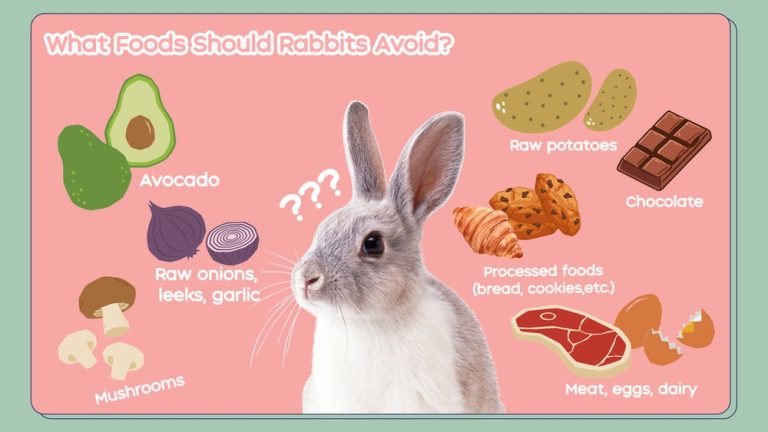
Can Rabbits Eat Persimmons: Surprising Facts You Must Know
Are you wondering if your furry friend can enjoy the sweet taste of persimmons? You might have some persimmons at home and want to share a new treat with your rabbit.
But before you do, it’s important to know if persimmons are safe for your bunny to eat. Giving your pet the wrong food can cause health problems, and you want to keep your rabbit happy and healthy. Keep reading to find out everything you need to know about feeding persimmons to your rabbit—and whether it’s a good idea for your beloved pet.
Rabbit Diet Basics
Rabbits need a balanced diet to stay healthy and active. Their food should provide the right nutrients for strong bones and a good digestive system. Knowing the basics helps keep rabbits happy and safe from common health problems.
Essential Foods For Rabbits
Hay is the most important food for rabbits. It helps wear down their teeth and supports digestion. Fresh water must be available all the time. Leafy greens like romaine lettuce, kale, and parsley provide vitamins and minerals. Pellets can be given in small amounts to add extra nutrition. Avoid giving rabbits foods high in sugar or fat.
Fruits In Rabbit Diet
Fruits are treats, not main food. They contain sugar and should be given sparingly. Safe fruits include apples, strawberries, and blueberries. Always remove seeds or pits before feeding. Too much fruit can cause stomach upset. Persimmons are sweet but not common in rabbit diets. Learn which fruits are safe and how much to offer.

Credit: www.shutterstock.com
Persimmons And Rabbits
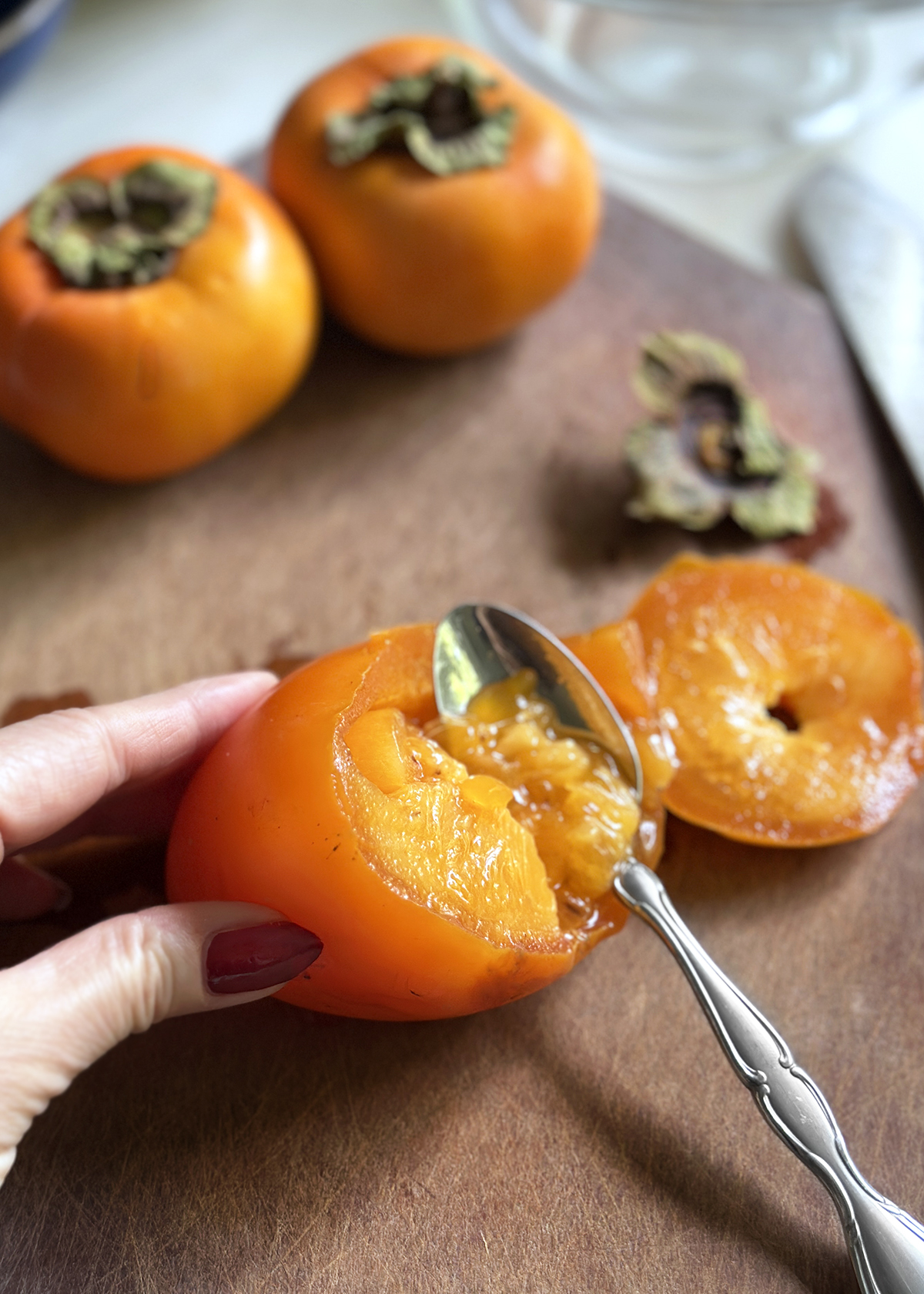
Persimmons are bright orange fruits known for their sweet taste. Rabbits may find them interesting, but is this fruit safe for them? Understanding the relationship between persimmons and rabbits helps pet owners make good feeding choices.
Rabbits have sensitive digestive systems. Their diet mostly includes hay, vegetables, and some fruits. Persimmons contain nutrients that might benefit rabbits in small amounts. Yet, caution is necessary.
Nutritional Profile Of Persimmons
Persimmons are rich in vitamins A and C. They also contain fiber, which supports digestion. This fruit has natural sugars, so it is high in calories. Minerals like potassium and manganese are present too. These nutrients support overall health but must be given carefully to rabbits.
Potential Benefits For Rabbits
Small pieces of persimmon can offer rabbits a tasty treat. Vitamins A and C help keep their eyes and immune system strong. Fiber from persimmons can aid digestion. The fruit’s natural sweetness may encourage picky eaters. Still, treats should not replace the main diet to avoid digestive problems.
Risks Of Feeding Persimmons
Feeding persimmons to rabbits carries certain risks. These fruits contain substances that may harm your pet’s health. Understanding these risks helps you keep your rabbit safe and healthy.
Toxic Components To Watch
Persimmons have seeds and skin that hold toxins. These parts can cause digestive problems in rabbits. The seeds contain small amounts of harmful compounds. Eating them might block the intestines. The skin is tough and hard to digest. It can irritate the stomach and intestines.
Common Health Issues
Rabbits eating persimmons may face diarrhea or stomach pain. These fruits can upset their sensitive digestion. Blockages from seeds or skin cause serious problems. Rabbits might stop eating or become weak. In severe cases, urgent vet care is needed. Avoid feeding persimmons to prevent these risks.
Credit: thedeliciouslife.com
Safe Feeding Practices
Safe feeding practices are important when giving persimmons to rabbits. Persimmons can be a tasty treat, but only in small amounts. Rabbits have sensitive stomachs. Sudden changes or too much fruit can cause digestive problems. Introduce persimmons carefully and watch your rabbit’s reaction. This helps prevent health issues and keeps your pet happy.
How To Introduce Persimmons
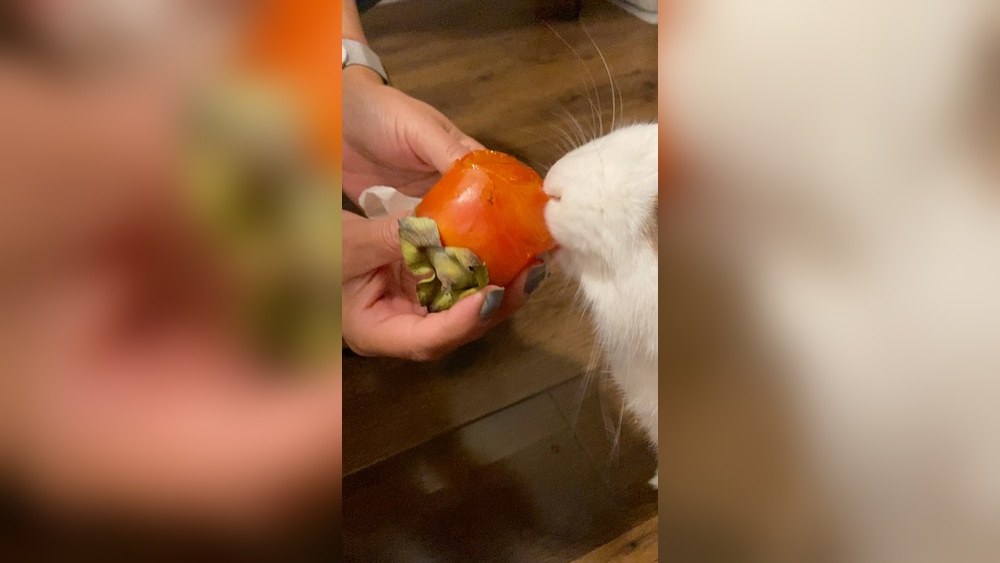
Start with a small piece of ripe persimmon. Observe your rabbit for any signs of discomfort. Wait for one or two days before offering more. Mixing persimmon with regular food can help. Avoid giving persimmons with seeds or skin. These parts can be hard to digest or cause choking.
Recommended Serving Sizes
Limit persimmon servings to a tiny slice, about one teaspoon. Treats should be no more than 5% of your rabbit’s daily diet. Too much sugar can upset their stomach. Offer persimmons two or three times a week at most. Always provide fresh water alongside any fruit treat.
Alternatives To Persimmons
Persimmons are not the best choice for rabbits. They have a high sugar content that can upset a rabbit’s stomach. Rabbits need fruits with less sugar and more fiber to stay healthy. Many safer and tastier options exist. These alternatives offer good nutrition and are gentler on your pet’s system.
Other Safe Fruits For Rabbits
Apples are a great treat. Remove the seeds first. Blueberries provide antioxidants and taste sweet. Strawberries give vitamins but should be given in small amounts. Pears are juicy and safe but cut into small pieces. Bananas can be fed occasionally because they contain more sugar. Choose fresh, ripe fruits without any chemicals or pesticides.
Best Treat Options
Fresh vegetables make excellent treats. Carrot tops and leafy greens are favorites. Herbs like parsley and cilantro add variety and flavor. Timothy hay supports digestion and dental health. Small pieces of bell pepper offer vitamin C. Always introduce new treats slowly. Watch your rabbit’s reaction to avoid stomach upset.

Credit: www.youtube.com
Signs Of Trouble
Rabbits have delicate digestive systems. Eating new foods like persimmons can sometimes cause problems. Knowing the signs of trouble helps you act quickly. Early detection can protect your pet’s health.
Symptoms Of Food Intolerance
Watch for changes in your rabbit’s behavior. Loss of appetite may be a sign. Diarrhea or soft stools can indicate digestive upset. Look for bloating or gas. Your rabbit might seem lethargic or weak. Hair loss around the mouth or bottom may also appear.
When To Contact A Vet
Seek veterinary help if symptoms last more than a day. Severe diarrhea or bleeding requires immediate care. If your rabbit stops eating or drinking, call a vet. Rapid breathing or signs of pain need urgent attention. Early treatment prevents serious health issues.
Frequently Asked Questions
Can Rabbits Safely Eat Persimmons?
Rabbits can eat persimmons in small amounts. However, the fruit’s high sugar content means it should be an occasional treat, not a regular part of their diet.
Are Persimmons Toxic To Rabbits?
Persimmons are not toxic to rabbits. Still, feeding too much can cause digestive upset due to their sugar and fiber levels.
How Much Persimmon Can A Rabbit Eat?
A rabbit should only have a small slice of persimmon once in a while. Too much can cause stomach issues or diarrhea.
What Are The Benefits Of Persimmons For Rabbits?
Persimmons provide vitamins A and C, which support a rabbit’s immune system. They also add variety to the diet but must be given sparingly.
Conclusion
Persimmons are tasty but not ideal for rabbits. They contain sugars that can upset a rabbit’s stomach. Small amounts might be okay, but it is safer to avoid them. Stick to fresh vegetables and hay for a healthy diet. Always watch your rabbit after giving new foods.
Keeping your pet safe and happy is the main goal. Choose treats wisely to support their health and energy. Your rabbit will thank you with good health and playfulness.