Can Rabbits Eat Pecans: Safe or Harmful for Your Bunny?
Are you wondering if your furry friend can enjoy a tasty treat like pecans? You want to keep your rabbit happy and healthy, but it’s tricky to know which snacks are safe.
Pecans might seem like a good option, but could they actually harm your pet? Keep reading to find out the surprising truth about rabbits and pecans. Your rabbit’s well-being depends on the right choices, and this guide will help you make them with confidence.
Nutritional Profile Of Pecans
Pecans contain healthy fats, protein, and vitamins. Rabbits need a diet low in fat, so pecans are not a good choice. Feeding pecans may cause digestive problems for rabbits.
Calories And Fat Content
Pecans contain a high amount of calories. Most calories come from fats. These fats are mostly healthy unsaturated fats. They help lower bad cholesterol in humans. But high fat can be risky for rabbits. Rabbits have sensitive digestive systems that do not handle high fat well.
Vitamins And Minerals
Pecans offer several vitamins and minerals. They have vitamin E, which acts as an antioxidant. Pecans also contain magnesium and zinc. These minerals help in many body functions. Rabbits need some minerals, but in small amounts only.
Protein And Fiber
Pecans provide a moderate amount of protein. Protein supports growth and repair in animals. Fiber is also present in pecans but in low quantity. Rabbits require a high fiber diet to stay healthy. Low fiber in pecans makes them less suitable for rabbits’ digestion.

Credit: wellkeptrabbit.com
Rabbits’ Dietary Needs
Rabbits need a special diet to stay healthy. Their bodies require certain nutrients that come from specific foods. A balanced diet helps them have strong teeth, good digestion, and lots of energy.
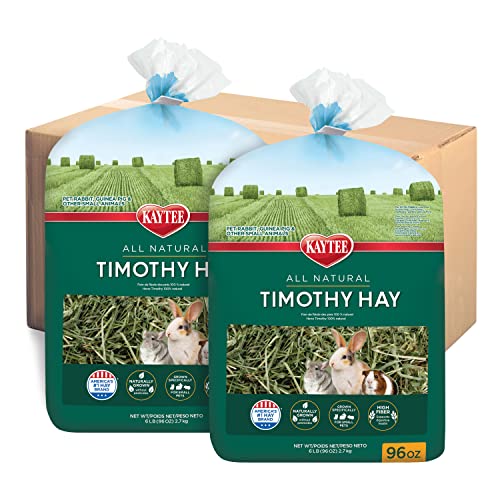
Fresh hay should be the main part of a rabbit’s food. It helps wear down their teeth and supports their stomach. Vegetables and a small number of pellets provide extra vitamins and minerals.
Treats should be given with care. Some foods are not safe for rabbits and can cause health problems.
Importance Of High-fiber Foods
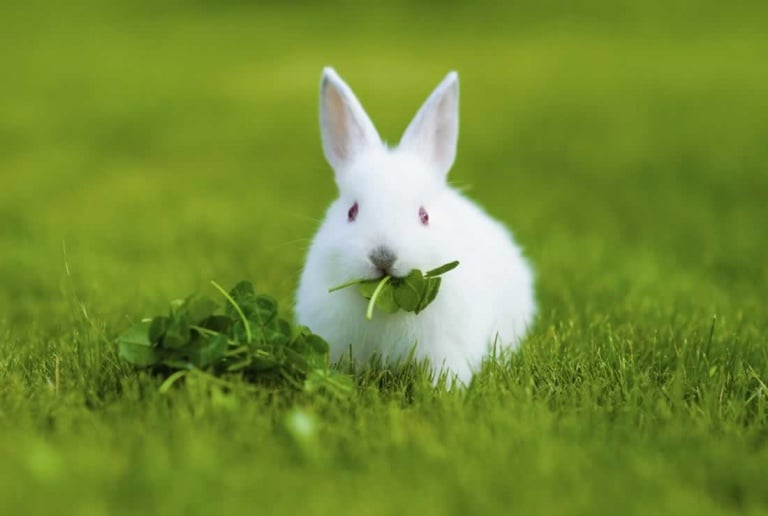
Fiber is key for a rabbit’s digestion. It keeps their gut moving and prevents blockages. Hay is the best source of fiber. Fresh vegetables also add some fiber to their diet.
Safe Fruits And Vegetables
Rabbits enjoy many fresh vegetables. Carrots, leafy greens, and bell peppers are good choices. Fruits like apples and strawberries can be treats but only in small amounts.
Foods To Avoid
Some foods can harm rabbits. Avoid chocolate, onions, and anything sugary. Nuts like pecans are not safe because they are high in fat and hard to digest.
Potential Risks Of Feeding Pecans To Rabbits
Feeding pecans to rabbits can be risky. Pecans are not a natural part of a rabbit’s diet. These nuts have properties that may harm your pet. Understanding these risks helps keep rabbits safe and healthy.
High Fat Content
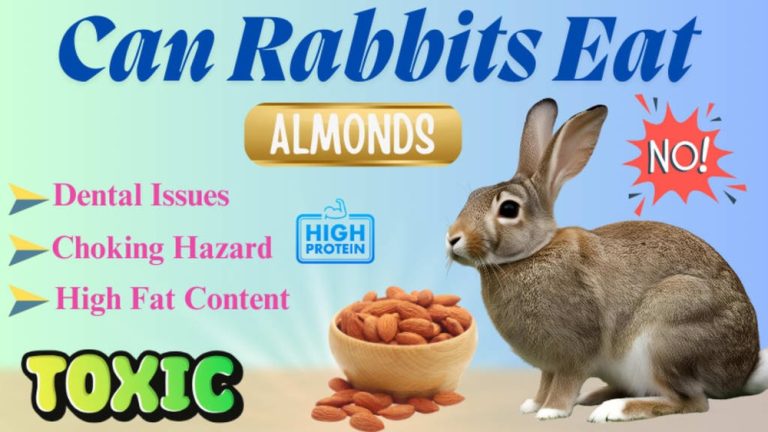
Pecans contain a large amount of fat. Rabbits need a low-fat diet to stay healthy. Too much fat can cause obesity in rabbits. It can also lead to digestive problems. Avoid feeding pecans to prevent these issues.
Choking Hazards
Pecans are hard and small. Rabbits may have trouble chewing them properly. Small pieces can block the throat or digestive tract. This creates a serious choking risk. Always choose safe, soft foods instead.
Toxic Components
Some nuts contain substances harmful to rabbits. Pecans may have molds or toxins. These can cause digestive upset or poisoning. Rabbits are very sensitive to such toxins. Avoid giving pecans to protect your rabbit’s health.
Credit: www.peta.org
Signs Of Pecans Causing Harm
Rabbits have sensitive digestive systems. Pecans are not part of their natural diet. Eating pecans can cause problems for rabbits. It is important to spot signs that pecans may harm your pet early. Watch your rabbit closely after any exposure to pecans.
Recognizing these signs helps protect your rabbit’s health. Quick action can prevent serious issues. Below are common signs that pecans may cause harm to rabbits.
Digestive Upset
Loose stools or diarrhea may appear after pecan consumption. Rabbits might strain or have difficulty passing droppings. These symptoms suggest digestive irritation or blockage.
Loss Of Appetite
A rabbit may stop eating or eat less than usual. This loss of appetite can indicate stomach pain or discomfort. Pecans can cause unpleasant feelings in their stomach.
Lethargy And Weakness
Your rabbit may seem unusually tired or inactive. Weakness can result from digestive distress or toxicity. Rabbits usually are very alert, so this change is a red flag.
Signs Of Allergic Reaction
Swelling, itching, or redness around the mouth or face can occur. Sneezing or difficulty breathing may also happen. These are signs of an allergic reaction to pecans.
Changes In Behavior
Rabbits may hide more or become irritable. Unusual behavior can signal discomfort or pain. Always note any sudden or strange changes in your pet’s actions.
Safe Alternatives To Pecans For Rabbits
Rabbits need snacks that are safe and healthy. Pecans are not good for them. They can cause health problems. Instead, offer foods that help rabbits grow strong and stay happy.
Many safe treats can replace pecans. These alternatives provide nutrients without risks. They keep your rabbit’s diet balanced and tasty.
Fruits That Rabbits Can Enjoy
Rabbits like sweet fruits in small amounts. Apples, blueberries, and strawberries are good choices. Always remove seeds and wash fruit well. These treats add vitamins and fiber to their diet.
Fresh Vegetables For Daily Feeding
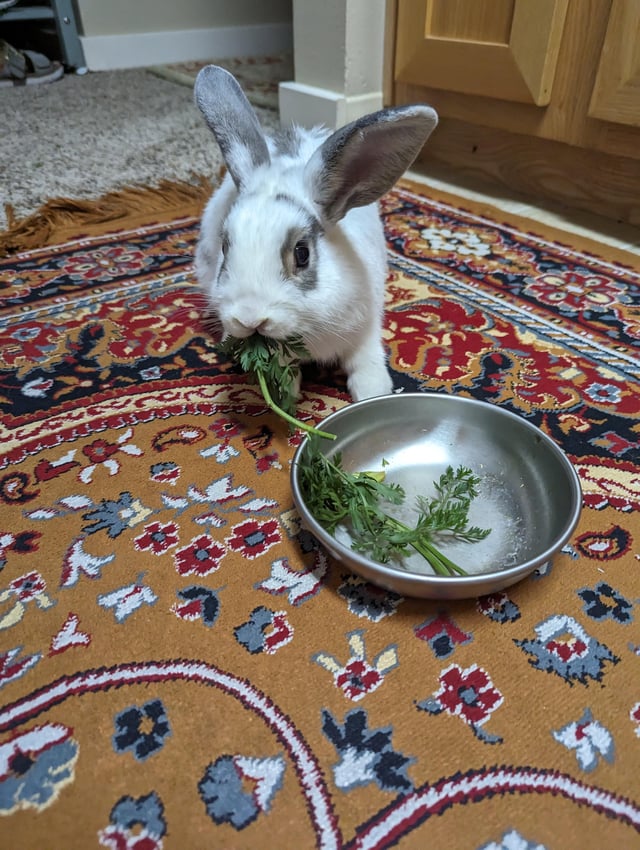
Vegetables are a rabbit’s best friends. Carrots, spinach, and kale offer important nutrients. Serve fresh and clean vegetables every day. They support digestion and keep rabbits active.
Herbs That Add Flavor And Health
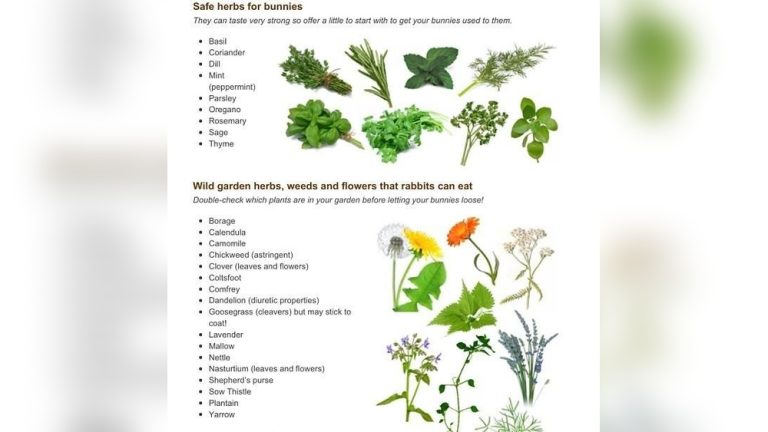
Herbs like parsley, basil, and cilantro are safe. They add taste and variety to meals. These herbs also provide antioxidants and vitamins. Use herbs as occasional treats for your rabbit.
Hay And Leafy Greens As Staples
Timothy hay and other grasses are essential. Leafy greens like romaine lettuce are good daily foods. They help wear down rabbit teeth naturally. Always keep hay and greens available for your pet.
Tips For Introducing New Foods To Rabbits
Introducing new foods to rabbits requires care and patience. Rabbits have sensitive stomachs that need time to adjust. Sudden changes can cause digestive problems or stress. Start with small amounts to observe their reaction.
Watch for signs like diarrhea, loss of appetite, or unusual behavior. These can mean the new food does not agree with them. Always offer fresh water alongside new foods to help digestion. Gradually increase the amount if no problems occur. This slow process helps keep rabbits healthy and happy.
Offer Small Portions First
Begin with a tiny piece of the new food. This helps your rabbit get used to the taste. Smaller amounts reduce the risk of stomach upset. Observe your rabbit for a day or two before adding more.
Monitor Your Rabbit’s Reaction
Check for any signs of discomfort or illness. Soft stools or lack of energy are warning signs. Stop feeding the new food if these appear. Consult a vet if symptoms continue or worsen.
Introduce One Food At A Time
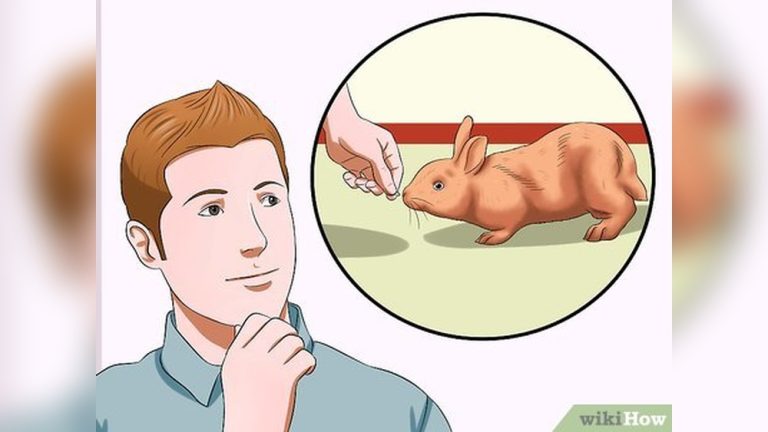
Give only one new food at once. This makes it easier to spot any problems. Avoid mixing multiple new foods together. This helps you know which food causes an issue.
Keep Familiar Foods Available
Do not remove your rabbit’s regular diet. Keep hay, pellets, and water always accessible. This ensures your rabbit has safe options at all times. It also reduces stress during the change.
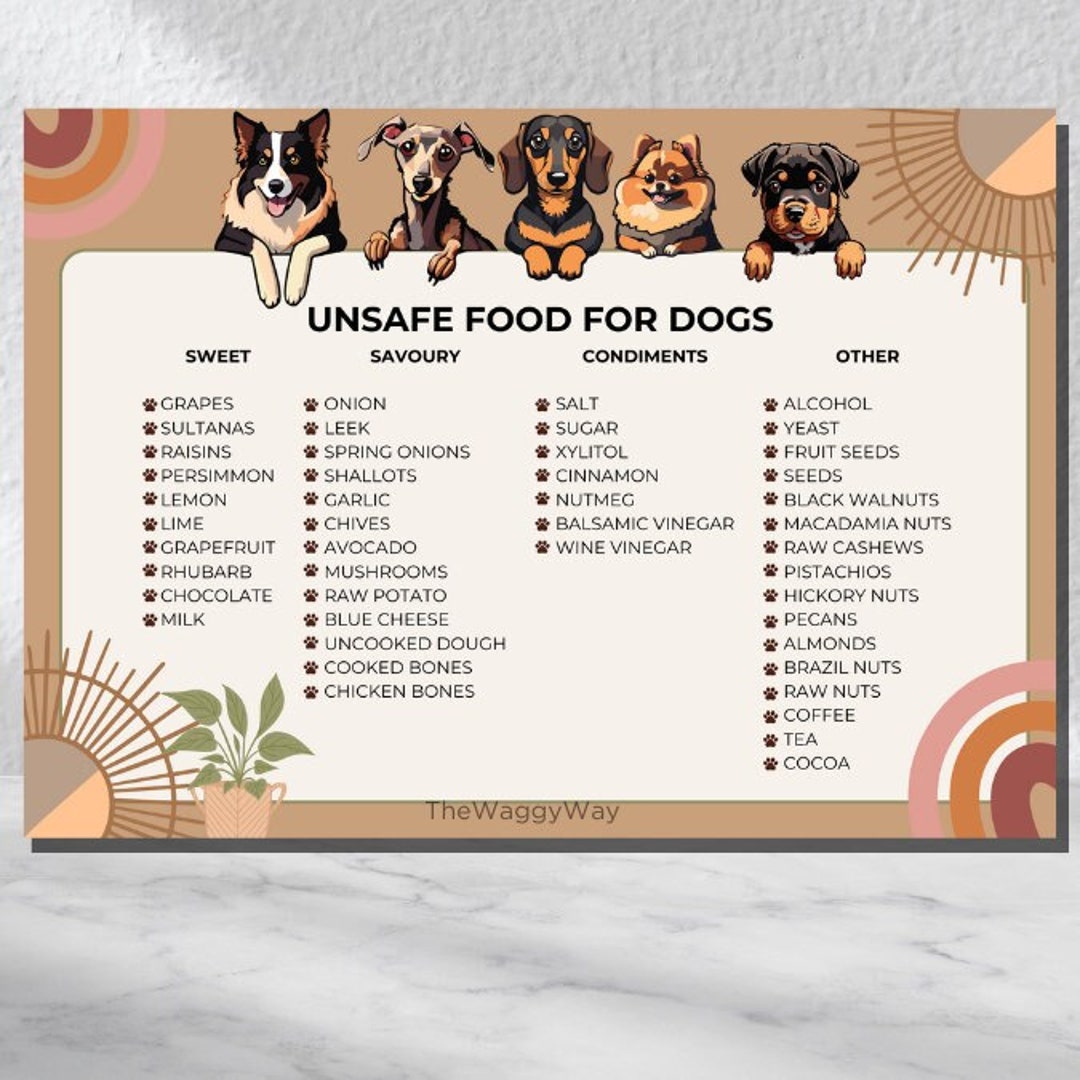
Credit: vidaprev.com.br
Frequently Asked Questions
Can Rabbits Safely Eat Pecans?
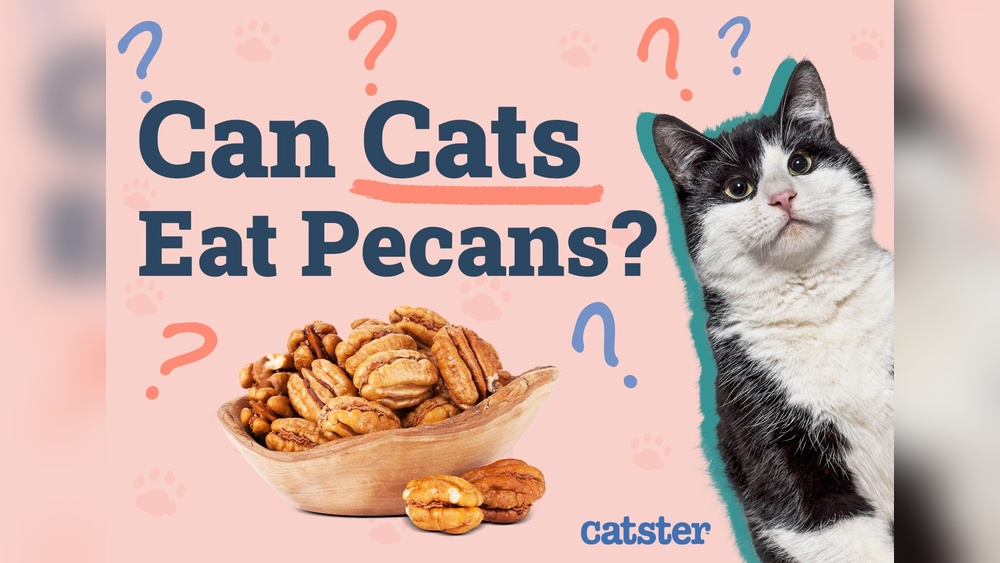
No, rabbits should not eat pecans. Pecans are high in fat and can upset their digestive system. They may cause obesity and other health issues in rabbits.
What Happens If Rabbits Eat Pecans?
If rabbits eat pecans, they may experience digestive problems like diarrhea or bloating. Pecans are not suitable for their sensitive stomachs and can lead to serious health risks.
Are Pecans Nutritious For Rabbits?
Pecans are not nutritious for rabbits. They contain high fat and low fiber, which is not ideal for a rabbit’s diet. Rabbits need fiber-rich foods like hay and fresh vegetables.
What Nuts Are Safe For Rabbits To Eat?
Most nuts, including pecans, are unsafe for rabbits due to high fat. Instead, offer rabbits safe treats like carrots, leafy greens, and small amounts of fruits.
Conclusion
Rabbits should not eat pecans due to health risks. Pecans contain fats and substances harmful to rabbits. Always choose foods made for rabbits to keep them safe. Fresh vegetables and hay remain the best diet choices. Keep your pet happy and healthy with proper food.
Remember, their diet affects their lifespan and wellbeing. Stay informed and protect your furry friend every day.