Can Rabbits Eat Sweet Feed: Risks and Safe Alternatives Explained
Are you wondering if your rabbit can safely enjoy sweet feed? You’re not alone.
Many rabbit owners ask this question because they want the best for their furry friends but aren’t sure what treats or foods are okay. Feeding your rabbit the wrong things can cause health problems, but you also want to keep their diet interesting and tasty.
You’ll discover whether sweet feed is a good choice for your rabbit, what risks to watch out for, and how to make smart feeding decisions that keep your pet happy and healthy. Keep reading to learn the truth about sweet feed and rabbits—you’ll be glad you did!
Sweet Feed And Rabbits
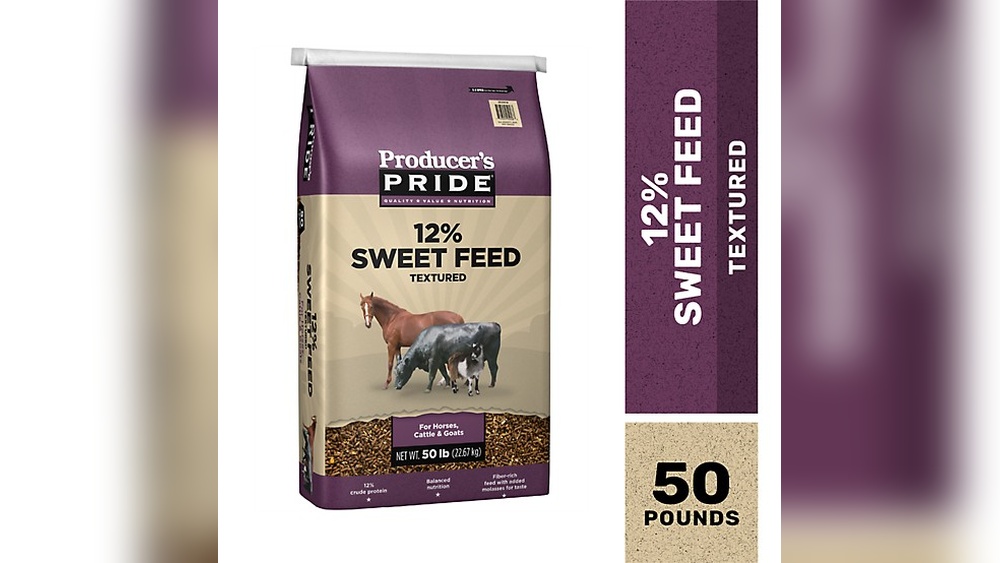
Sweet feed is a type of animal feed often used for livestock. Many rabbit owners wonder if sweet feed is safe for their pets. Understanding what sweet feed contains helps make the right choice for rabbits.
What Is Sweet Feed?
Sweet feed is a mix of grains, molasses, and sometimes vitamins. It looks like a pellet or loose grain mix. This feed is designed for animals like horses and cattle. It has a sweet taste due to added molasses. The sugar content can be high. This sweetness attracts animals to eat more. Sweet feed is not made specifically for rabbits. Their digestive systems differ from livestock like horses or cows.
Common Ingredients In Sweet Feed
Sweet feed usually contains corn, oats, and barley. These grains provide energy and some nutrients. Molasses adds sugar and flavor. Some brands add vitamins and minerals. Sometimes the mix contains soy or other protein sources. It may also have additives like salt or preservatives. These ingredients are safe for some animals but not all. Rabbits need a diet high in fiber and low in sugar. The grains and molasses in sweet feed may upset a rabbit’s stomach.
Risks Of Sweet Feed For Rabbits
Sweet feed may seem like a tasty treat for rabbits. It looks like a mix of grains and molasses. But it carries several health risks for rabbits. Understanding these dangers helps keep your pet safe and healthy.
Digestive Issues
Rabbits have sensitive stomachs. Sweet feed is high in sugars and starches. These can upset a rabbit’s digestive system. Too much sugar causes gas, bloating, and diarrhea. These problems can lead to serious illness.
Nutritional Imbalance
Sweet feed lacks the right nutrients rabbits need. It is high in calories but low in fiber. Rabbits require fiber to keep their gut working. Feeding sweet feed can cause poor health and obesity. This imbalance weakens their immune system.
Potential Toxic Ingredients
Some sweet feeds contain ingredients harmful to rabbits. These include artificial sweeteners, preservatives, or molds. These substances can poison rabbits or cause allergic reactions. Always check what is in the feed before offering it.
Safe Food Options For Rabbits
Choosing safe food options is key to keeping rabbits healthy. Their diet needs balance and care. Not all foods are good for them. Some can cause serious harm. Knowing what to feed helps avoid health problems. Rabbits thrive on foods close to their natural diet.
Recommended Pellets And Hay
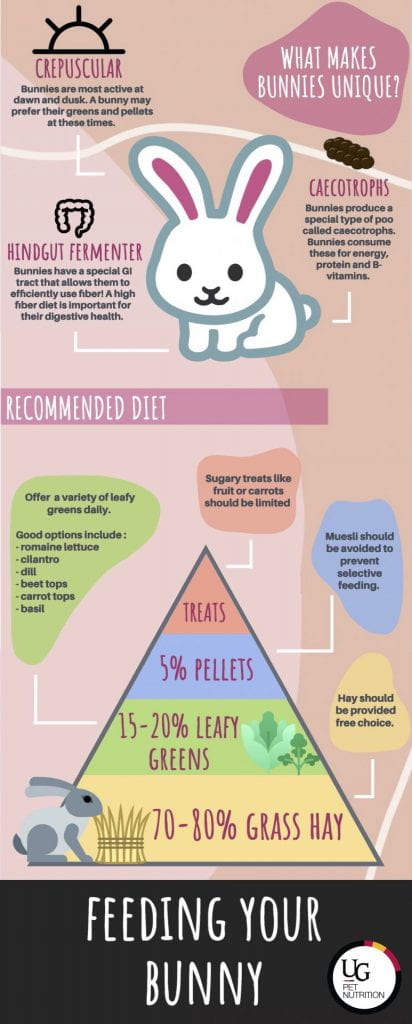
High-quality pellets provide essential nutrients. Choose pellets made mainly from timothy hay. Avoid those with seeds or nuts. Fresh hay must be available daily. Timothy hay supports digestion and dental health. It also keeps rabbits active and happy.
Fresh Vegetables And Fruits
Offer fresh vegetables daily. Leafy greens like romaine lettuce and parsley are best. Carrots can be given but in small amounts. Fruits should be treats, not regular food. Apples and berries are good choices. Wash all produce to remove pesticides.
Treats To Avoid
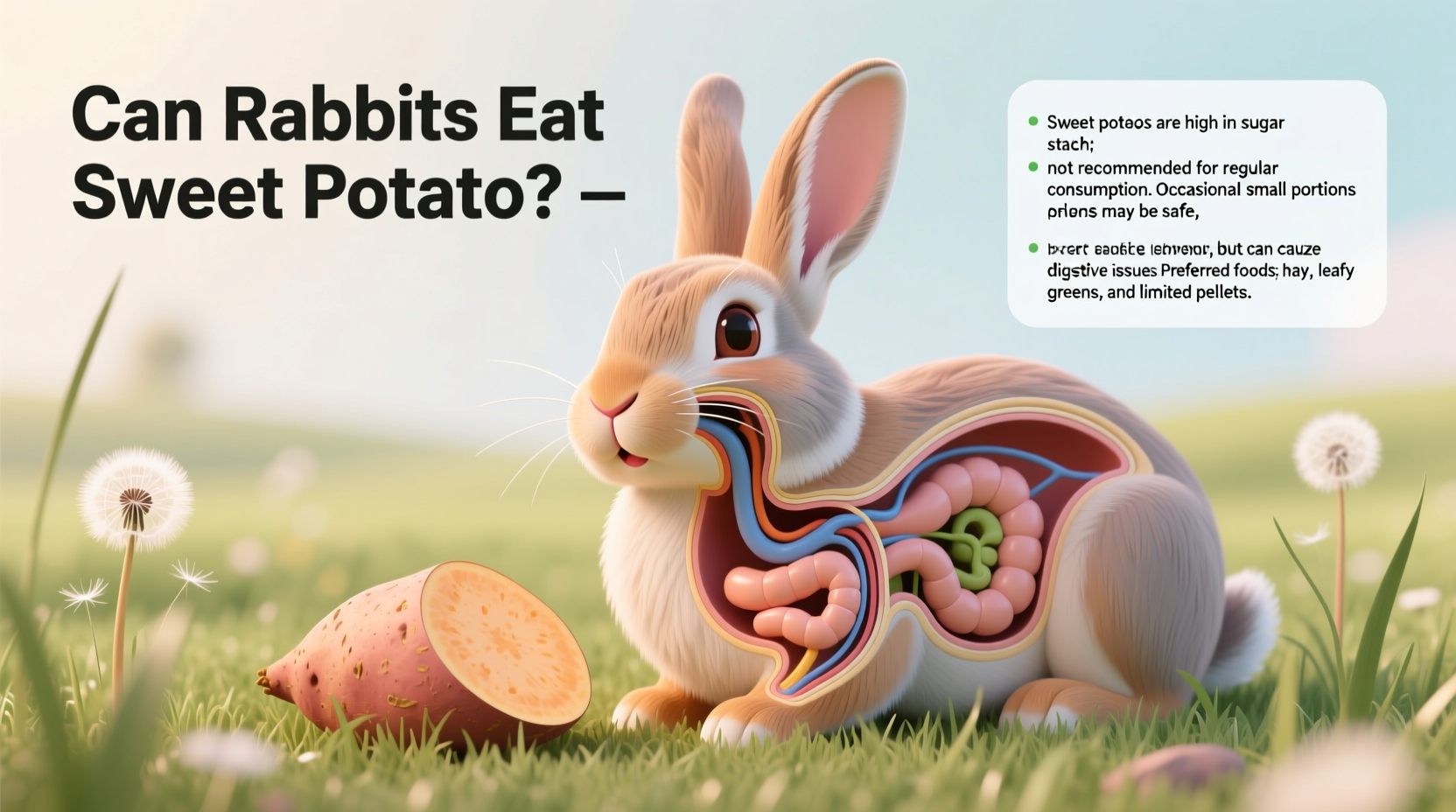
Sweets and sugary feeds can harm rabbits. Avoid sweet feed designed for other animals. Chocolate, candy, and processed snacks are dangerous. Iceberg lettuce and potatoes should also be skipped. Stick to natural foods to keep rabbits safe.
Credit: spice.alibaba.com
Feeding Tips For Rabbit Health
Feeding rabbits the right food is key to their health and happiness. Sweet feed can be tricky. It is often high in sugars and grains, which may upset a rabbit’s digestion. Following good feeding tips helps keep rabbits safe and healthy.
Portion Control
Give rabbits only a small amount of sweet feed. Large portions can cause stomach problems. Limit treats and balance their diet with hay and fresh vegetables. Portion control helps prevent obesity and digestive issues.
Introducing New Foods
Introduce sweet feed slowly to avoid sudden changes. Start with tiny amounts mixed with their regular food. Watch for signs of discomfort or refusal. Gradual introduction helps rabbits adjust without stress.
Monitoring Rabbit Behavior
Watch your rabbit after feeding sweet feed. Look for changes in appetite or energy. Check for diarrhea or bloating. Early detection of problems helps prevent serious health issues. Keep a close eye to ensure their well-being.
Alternatives To Sweet Feed
Sweet feed is not the best choice for rabbits. It often contains too much sugar and grains that rabbits cannot digest well. Finding safer and healthier options helps keep rabbits happy and healthy. Here are some good alternatives to sweet feed for your pet rabbit.
Commercial Rabbit Feeds
Commercial rabbit feeds are made specifically for rabbits. They have the right balance of fiber, protein, and vitamins. These feeds help maintain good digestion and overall health. Look for high-quality pellets with no added sugars or seeds. These are easy to store and feed. Many brands offer mixes that include hay pieces or dried vegetables. Always choose feeds designed for rabbits, not other animals.
Homemade Treat Recipes
Homemade treats allow you to control ingredients. Simple recipes use fresh vegetables and herbs. Try small pieces of carrot, apple, or leafy greens as treats. You can also make baked treats using oat flour and banana. Avoid adding sugar or honey. Homemade snacks can be a fun way to bond with your rabbit. Always introduce new foods slowly to watch for any reactions.

Credit: www.tractorsupply.com
Credit: ovcpetnutrition.uoguelph.ca
Frequently Asked Questions
Can Rabbits Safely Eat Sweet Feed?
No, rabbits should not eat sweet feed. It contains high sugar and grains, which can harm their digestive system. Sweet feed is not suitable for rabbits’ dietary needs and may cause obesity or digestive issues.
What Are The Risks Of Feeding Rabbits Sweet Feed?
Feeding sweet feed to rabbits can cause diarrhea, obesity, and dental problems. Their digestive system cannot handle high sugar and starch levels found in sweet feed. It may lead to serious health complications over time.
What Should Rabbits Eat Instead Of Sweet Feed?
Rabbits should eat high-fiber foods like hay, fresh vegetables, and rabbit pellets. These provide essential nutrients and support healthy digestion. Avoid sugary or grain-based feeds to keep your rabbit healthy and happy.
How Can Sweet Feed Affect Rabbit Digestion?
Sweet feed disrupts the balance of gut bacteria in rabbits. High sugar and starch cause fermentation, leading to gas, bloating, and diarrhea. Proper fiber intake is crucial to maintain healthy digestion in rabbits.
Conclusion
Sweet feed is not the best choice for rabbits. It contains ingredients that may harm their digestion. Stick to fresh hay, vegetables, and rabbit pellets instead. Always provide clean water and a balanced diet. Watching what your rabbit eats keeps it healthy and happy.
Careful feeding helps avoid health problems later. Remember, rabbits need food made just for them. Your pet will thank you with good health and energy.