Do Rabbits Eat Eggs: Surprising Facts Every Owner Should Know
Have you ever wondered if rabbits can eat eggs? It’s a question that might seem simple but can actually be quite confusing.
If you have a pet rabbit or are thinking about caring for one, knowing what foods are safe is super important. You want to keep your furry friend healthy and happy, right? You’ll discover the truth about rabbits and eggs.
By the end, you’ll know exactly what to feed your bunny and what to avoid—so you never have to worry again. Keep reading to find out what’s best for your rabbit’s diet!
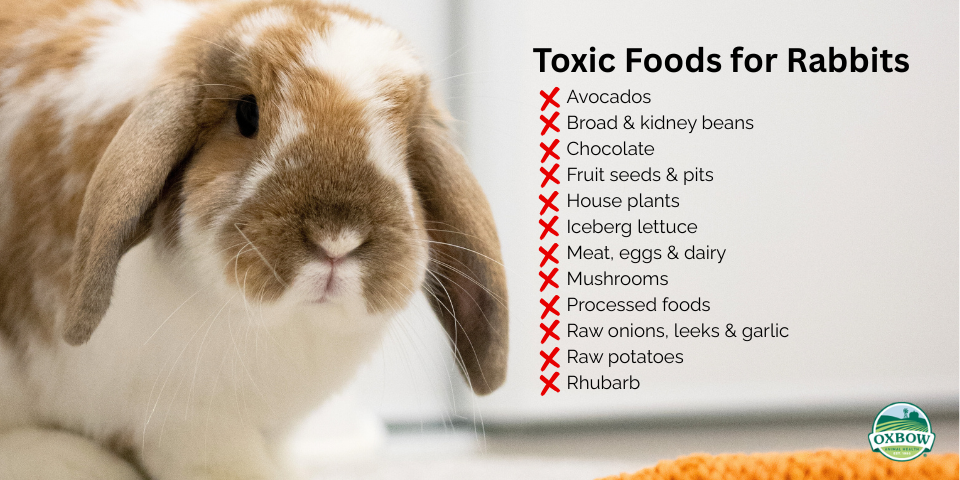
Credit: oxbowanimalhealth.com
Rabbit Diet Basics
Understanding the basics of a rabbit’s diet helps keep them healthy and happy. Rabbits have special needs when it comes to food. Their digestive systems work best with certain types of foods. Knowing what they naturally eat gives insight into the best diet for them.
Natural Eating Habits
Rabbits are herbivores. They eat mostly plants in the wild. Grass, leaves, and bark make up most of their diet. They chew a lot to break down tough fibers. Rabbits also eat small amounts of flowers and herbs. Their teeth grow continuously, so chewing helps keep teeth healthy. Rabbits avoid eating animal products like eggs or meat naturally.
Common Foods Rabbits Enjoy
Fresh hay is the main food for rabbits. It helps their digestion and wears down teeth. Leafy greens like romaine lettuce, kale, and parsley are favorites. Carrots and fruits are treats but should be given in small amounts. Clean water is essential every day. Avoid sugary or processed foods. A balanced diet with fresh vegetables and hay keeps rabbits strong and active.
Credit: www.feedmypaws.com
Eggs And Rabbits
Rabbits are herbivores. Their diet mainly includes grass, hay, and vegetables.
Eggs are a common food for many animals. But can rabbits eat eggs? This question confuses many pet owners.
Understanding what rabbits can safely eat helps keep them healthy and happy.
Can Rabbits Eat Eggs?
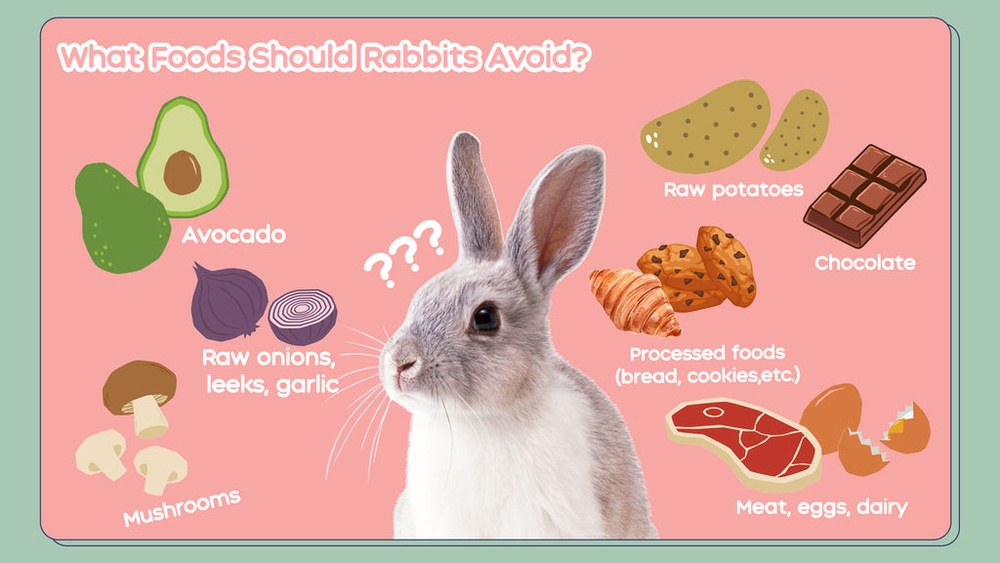
Rabbits should not eat eggs. Their digestive systems are not designed for animal proteins.
Eggs can cause stomach upset or other health problems in rabbits.
Rabbits get all nutrients from plants. Eggs do not fit their natural diet.
Nutritional Value Of Eggs For Rabbits
Eggs contain protein and fat. These nutrients are good for many animals.
Rabbits do not need these nutrients from eggs. They get enough from plants.
Feeding eggs can disrupt a rabbit’s digestion and health.
Potential Risks Of Eggs
Eggs may seem like a simple food, but they carry risks for rabbits. Their bodies are not built to digest eggs properly. Feeding eggs to rabbits can lead to health problems. Understanding these dangers helps keep rabbits safe and healthy.
Digestive Issues
Rabbits have sensitive stomachs made for plants. Eggs are rich in protein and fat. This can upset their digestion. Eating eggs might cause diarrhea or bloating. These symptoms can make rabbits feel sick quickly.
Allergic Reactions
Some rabbits may react badly to eggs. Allergies can cause itching or swelling. Breathing problems might happen too. These reactions need fast attention. Avoid giving eggs to prevent allergic risks.
Choking Hazards
Eggs or eggshells can be hard to chew. Small pieces can block a rabbit’s throat. Choking is a serious danger. Always offer food that is safe and easy to eat. This protects rabbits from harm.

Credit: www.omlet.co.uk
Safe Treat Alternatives
Rabbits need safe and healthy treats. Eggs are not suitable for rabbits. Their diet should focus on plants. Choosing the right treats helps keep rabbits happy and healthy. Here are some safe alternatives that rabbits enjoy.
Vegetable Treats
Vegetables are the best treats for rabbits. Fresh leafy greens like romaine lettuce, kale, and parsley are excellent. Carrots are tasty but give them in small amounts. Avoid starchy vegetables like potatoes. Always wash vegetables well before feeding.
Fruits Suitable For Rabbits
Fruits are sweet treats for rabbits but high in sugar. Offer small pieces of apple, banana, or strawberries. Remove seeds and cores to keep rabbits safe. Use fruit treats sparingly to avoid health problems.
Commercial Rabbit Treats
Store-bought treats made for rabbits can be a good option. Choose natural, low-sugar products with simple ingredients. Avoid treats with added preservatives or artificial colors. Read labels carefully to ensure safety.
Feeding Tips For Rabbit Owners
Feeding rabbits needs care and attention. Proper feeding helps rabbits stay healthy and happy. Owners must know what foods are safe and how to give them. Rabbits have sensitive stomachs. Giving the right food in the right way is key.
Here are some important feeding tips for rabbit owners. These tips help keep your pet safe and well-nourished.
Portion Control
Rabbits need small portions of treats. Too many treats can cause stomach problems. Fresh vegetables and fruits should be given in small amounts. Always keep hay as the main food. Overfeeding can lead to weight gain. Measure food carefully to avoid giving too much.
Introducing New Foods
Introduce new foods slowly. Give a small piece at first. Watch for any signs of discomfort or allergy. Rabbits may not like some foods. Be patient and try different safe options. Never feed eggs or animal products. Rabbits are herbivores and need plant-based foods only.
Monitoring Health Changes
Watch your rabbit’s behavior after feeding. Check for changes in appetite or stool. Diarrhea or lack of appetite can signal problems. Visit a vet if your rabbit acts sick. Regular health checks help catch issues early. Good feeding habits support overall health.
Signs Of Dietary Problems
Rabbits have delicate digestive systems. Eating the wrong food can cause health problems quickly. Spotting signs of dietary issues early is very important. It helps keep your rabbit healthy and happy. Watch your rabbit closely for any changes in behavior or body.
Behavioral Changes
Rabbits may act differently if they have diet problems. They might stop eating or eat less than usual. A normally active rabbit may become sleepy or lazy. Some rabbits hide or avoid contact with people. Changes in grooming habits can also signal trouble.
Physical Symptoms
Look for changes in your rabbit’s body. Diarrhea or very soft stools can mean a bad diet. A bloated or hard stomach may show digestive issues. Weight loss or a dull coat are also warning signs. Teeth grinding or drooling can indicate pain from diet problems.
When To Contact A Vet
Contact a vet if your rabbit shows serious signs. If it stops eating for more than 12 hours, get help. Severe diarrhea or constant lethargy needs urgent care. Quick action can save your rabbit’s life. Always trust your instincts about your pet’s health.
Frequently Asked Questions
Do Rabbits Naturally Eat Eggs In The Wild?
No, rabbits are herbivores and do not eat eggs naturally. Their diet mainly includes grass, hay, and vegetables. Eggs are not part of their natural food chain.
Can Rabbits Safely Eat Cooked Eggs?
Rabbits should not eat cooked eggs. Eggs contain proteins rabbits cannot digest well. Feeding eggs may cause digestive issues or health problems.
Are Eggs Nutritious For Rabbits?
Eggs are not suitable for rabbits’ nutrition. Rabbits require fiber-rich foods, while eggs are high in protein and fats, which rabbits cannot process effectively.
What Foods Are Safe Alternatives To Eggs For Rabbits?
Safe alternatives include fresh vegetables, hay, leafy greens, and certain fruits. These foods support rabbits’ digestive health and provide essential nutrients without risks.
Conclusion
Rabbits do not eat eggs naturally. Their diet mainly includes hay, vegetables, and fruits. Eggs are not safe or suitable for rabbits. Feeding eggs can cause health problems. Stick to fresh greens and water for your pet rabbit. A healthy diet keeps rabbits happy and active.
Always choose food that matches their natural needs. This helps your rabbit live a longer, better life. Remember, simple and natural foods work best for rabbits.