Can Rabbits Eat Beets And Beet Greens? Essential Feeding Guide
Yes, rabbits can eat beets and beet greens. These vegetables are safe for them in moderation.
Rabbits enjoy a variety of fresh vegetables in their diet. Beets and beet greens can add some nutritious value and variety. However, it’s important to understand the right amounts and potential effects on your rabbit’s health. Too much of any new food can lead to digestive issues.
In this blog post, we will explore how to safely include beets and beet greens in your rabbit’s diet. We’ll discuss the benefits, how to introduce them, and what to watch out for. Stay tuned to learn the best practices for feeding your rabbit these colorful vegetables.
Introduction To Rabbit Diet
Rabbits need a healthy diet to stay happy and active. Their diet should include a mix of hay, fresh vegetables, and pellets. This helps them get the nutrients they need. A balanced diet keeps their teeth healthy and their digestive system working well.
Importance Of A Balanced Diet
A balanced diet is very important for rabbits. It helps them stay strong and healthy. Without the right nutrients, rabbits can get sick easily. A good diet also helps them have a shiny coat and strong bones. Feeding them the right foods can prevent many health issues.
Common Foods For Rabbits
Hay is the most important part of a rabbit’s diet. It should be available all the time. Fresh vegetables are also good for them. Carrots, lettuce, and celery are some examples. Pellets can be given in small amounts. They provide extra nutrients that hay and vegetables might lack. Fresh water should be available at all times.

Credit: www.centralvichay.com
Nutritional Value Of Beets
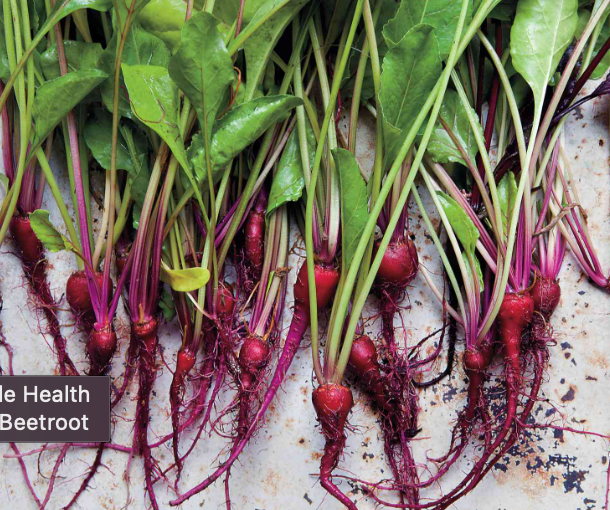
Beets and beet greens are a nutritious addition to a rabbit’s diet. They offer a range of essential vitamins and minerals. Rabbits can benefit from the nutrients found in beets. Let’s explore the nutritional value of beets.
Vitamins And Minerals
Beets are rich in vitamins and minerals. They provide Vitamin C, which helps boost the immune system. Beets also contain Vitamin A, which supports good vision. The greens are high in Vitamin K, aiding in blood clotting. Beets and their greens are good sources of iron. Iron helps in oxygen transport in the blood. They also contain magnesium, which supports muscle function.
Caloric Content
Beets are relatively low in calories. A small amount can provide energy without adding too many calories. This makes them a healthy snack for rabbits. The low-calorie content helps maintain a healthy weight. Rabbits can enjoy beets without the risk of obesity. Beet greens are also low in calories, making them a good choice.
Benefits Of Feeding Beets To Rabbits
Feeding beets to rabbits offers several benefits. Beets and beet greens provide important nutrients that can enhance your rabbit’s health and well-being. Let’s explore some of the key advantages of including beets in your rabbit’s diet.
Health Advantages
Beets are rich in vitamins and minerals. They contain vitamins A, B6, and C. These vitamins support your rabbit’s immune system. Beets also provide essential minerals like potassium and iron. These nutrients help maintain healthy blood and overall vitality.
Beet greens are packed with antioxidants. Antioxidants help protect your rabbit’s cells from damage. Including beet greens can boost your rabbit’s overall health. This can lead to a longer, happier life for your pet.
Digestive Aid
Beets are high in fiber. Fiber is crucial for a rabbit’s digestive health. It helps keep their gut moving smoothly. This prevents common digestive issues like constipation.
Including beet greens offers even more fiber. This can aid in proper digestion and prevent gastrointestinal problems. A healthy digestive system means a happier rabbit. Ensuring your rabbit gets enough fiber is key to their well-being.
Credit: www.centralvichay.com
Potential Risks Of Beets
Rabbits enjoy munching on beets and beet greens. But, there are potential risks. Feeding them these treats in moderation is essential. Let’s explore the key concerns.
Oxalates And Kidney Health
Beet greens contain oxalates. These compounds can bind with calcium in the body. This binding may form kidney stones.
Rabbits are sensitive to oxalates. High levels can harm their kidneys. Limit beet greens in your rabbit’s diet to prevent health issues.
Sugar Content Concerns
Beets are high in sugar. Too much sugar is bad for rabbits. It can lead to obesity and dental issues.
Rabbits have delicate digestive systems. Excess sugar can cause digestive problems. Feed beets sparingly to avoid these risks.
| Potential Risk | Details |
|---|---|
| Oxalates | Can bind with calcium and form kidney stones. |
| Sugar Content | High levels can cause obesity and dental issues. |
Remember to offer a balanced diet to your rabbit. Include hay, fresh vegetables, and limited treats. Monitor their health and adjust their diet as needed.
Beet Greens For Rabbits
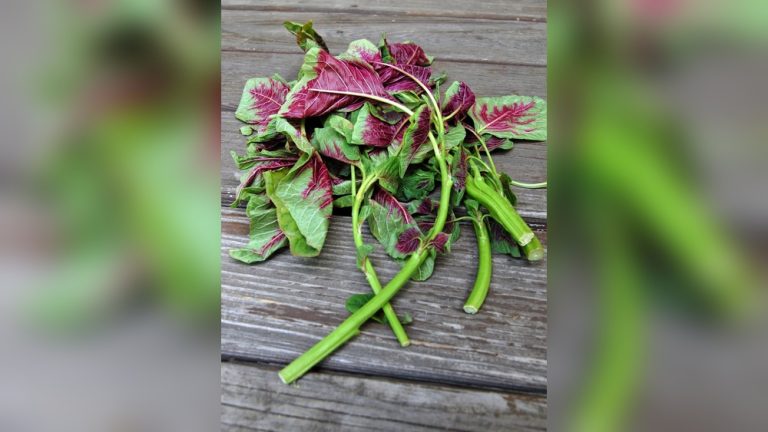
Beet greens can be a nutritious addition to your rabbit’s diet. These leafy tops of the beetroot offer various health benefits and can be a tasty treat. But it’s important to understand how to include them safely.
Nutritional Benefits
Beet greens are rich in vitamins and minerals. They contain high levels of vitamin A, which supports healthy vision. They also have vitamin C, which boosts the immune system. The greens are packed with fiber, aiding in digestion. Iron, calcium, and potassium are other key nutrients found in beet greens.
Feeding Recommendations
Introduce beet greens gradually to your rabbit’s diet. Start with small amounts to see how your rabbit reacts. Always wash the greens thoroughly to remove pesticides. Offer fresh beet greens a few times a week. Avoid giving them daily as part of a balanced diet. Monitor your rabbit for any signs of digestive upset. If you notice any issues, reduce the amount or stop feeding the greens.
Proper Serving Sizes
Feeding beets and beet greens to your rabbit can be a healthy treat. Proper serving sizes are crucial to ensure your rabbit stays healthy. Too much can lead to digestive issues. Moderation is key.
Frequency Of Feeding
Rabbits should not have beets and beet greens every day. Once or twice a week is ideal. This frequency ensures they get the benefits without overloading their system.
Portion Control
Portion control is essential for your rabbit’s diet. Here are some guidelines:
- Small rabbits: 1 teaspoon per serving
- Medium rabbits: 1 tablespoon per serving
- Large rabbits: 2 tablespoons per serving
Beet greens should be served in a similar manner. Moderation is important. Too many greens can cause stomach upset.
| Rabbit Size | Beets | Beet Greens |
|---|---|---|
| Small | 1 teaspoon | 1 teaspoon |
| Medium | 1 tablespoon | 1 tablespoon |
| Large | 2 tablespoons | 2 tablespoons |
Preparing Beets And Beet Greens
Preparing beets and beet greens for your rabbit is essential. Proper preparation ensures your pet stays healthy and enjoys their treat. Let’s explore how to clean and cut these vegetables, and avoid pesticides.
Cleaning And Cutting
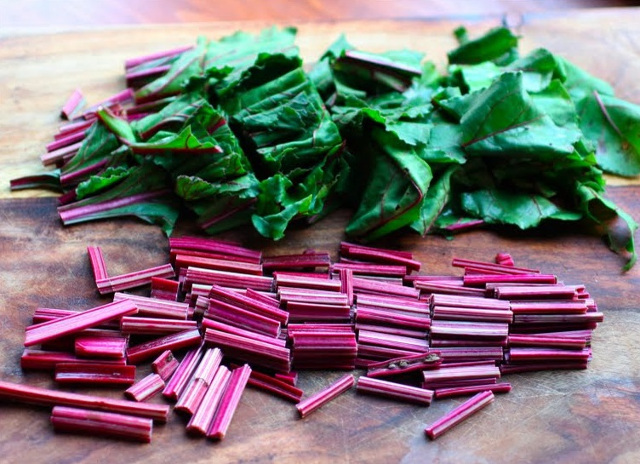
First, rinse the beets and beet greens under cool, running water. This removes dirt and any residue. Use a vegetable brush to scrub the beets gently. For the greens, ensure every leaf is clean. Pat everything dry with a clean towel.
Next, cut the beets into small, manageable pieces. This makes it easier for your rabbit to eat. Remove any tough stems from the beet greens. Cut the leaves into smaller sections. This helps in reducing the risk of choking.
Avoiding Pesticides
Opt for organic beets and beet greens if possible. Organic produce has fewer pesticides. Wash the vegetables thoroughly to remove any chemicals. Consider using a vegetable wash solution for extra safety. Ensuring clean and safe produce keeps your rabbit healthy.
Signs Of Overfeeding
Feeding your rabbit beets and beet greens can be healthy. But overfeeding them may cause problems. Watch out for signs of overfeeding to keep your rabbit happy and healthy.
Symptoms To Watch
Overfeeding your rabbit beets and beet greens can lead to various issues. Here are some symptoms to watch:
- Diarrhea: Loose stools are a common sign of overfeeding.
- Bloating: Your rabbit’s stomach may look swollen.
- Lethargy: Your rabbit may seem less active than usual.
- Weight Gain: Rapid weight gain can indicate an unbalanced diet.
Preventative Measures
To prevent overfeeding, follow these measures:
- Portion Control: Offer small amounts of beets and beet greens.
- Balanced Diet: Ensure your rabbit’s diet includes hay, fresh vegetables, and pellets.
- Monitor Weight: Regularly check your rabbit’s weight.
- Fresh Water: Always provide fresh water for your rabbit.
| Preventative Measure | Details |
|---|---|
| Portion Control | Offer small amounts of beets and beet greens. |
| Balanced Diet | Include hay, fresh vegetables, and pellets. |
| Monitor Weight | Regularly check your rabbit’s weight. |
| Fresh Water | Always provide fresh water for your rabbit. |
Alternative Vegetables For Rabbits
Rabbits need a variety of vegetables in their diet. While beets and beet greens are safe in moderation, it’s good to know other options. This ensures your rabbit gets a balanced diet and stays healthy.
Safe Options
Here are some safe vegetables for your rabbit:
- Carrots – High in Vitamin A. Feed in moderation due to sugar content.
- Bell Peppers – Rich in Vitamin C. Great for immune support.
- Cucumbers – Hydrating and low in calories. Good for hot days.
- Romaine Lettuce – Nutrient-rich and crunchy. Avoid iceberg lettuce.
- Zucchini – Low in calories and high in fiber. Promotes healthy digestion.
| Vegetable | Nutrient Benefit |
|---|---|
| Carrots | High in Vitamin A |
| Bell Peppers | Rich in Vitamin C |
| Cucumbers | Low in calories, hydrating |
| Romaine Lettuce | Nutrient-rich |
| Zucchini | High in fiber |
Balancing The Diet
Balance is key for a rabbit’s diet. Too much of one vegetable can cause health issues. Always mix different veggies to provide a range of nutrients.
- Introduce new vegetables slowly. Watch for any adverse reactions.
- Keep the diet varied. Rotate vegetables to maintain interest and nutrition.
- Provide unlimited hay. It should be the main part of their diet.
- Fresh water is essential. Make sure they always have access.
Ensuring a balanced diet keeps your rabbit healthy and happy. Use a mix of vegetables, alongside hay and fresh water.
Credit: rabbits.life
Frequently Asked Questions
Can Rabbits Eat Beets?
Yes, rabbits can eat beets. However, they should be given in moderation. Beets are high in sugar and can cause digestive issues if overfed.
Are Beet Greens Safe For Rabbits?
Yes, beet greens are safe for rabbits. They are rich in nutrients and can be a healthy treat. Always wash them thoroughly before feeding.
How Often Can Rabbits Eat Beets?
Rabbits should eat beets sparingly. Offer beets once or twice a week in small amounts to avoid digestive issues.
What Are The Benefits Of Beet Greens For Rabbits?
Beet greens are rich in vitamins and minerals. They provide rabbits with essential nutrients, promoting overall health. They are also high in fiber.
Conclusion
Rabbits can eat beets and beet greens in moderation. They provide nutrients, but too much can cause digestive issues. Always wash vegetables thoroughly before serving. Remove any uneaten portions quickly to prevent spoilage. Balance their diet with hay, fresh water, and other vegetables.
Observing your rabbit’s health and behavior is crucial. If any issues arise, consult a vet immediately. Feeding a variety ensures they get all needed nutrients. Your rabbit’s well-being is the top priority. Always monitor their reactions to new foods. Happy feeding!