Can Rabbits Eat Limes: Surprising Facts Every Bunny Owner Must Know
Are you wondering if your curious rabbit can safely nibble on limes? You want to give your furry friend tasty treats, but not at the risk of their health.
Understanding which fruits are safe is key to keeping your rabbit happy and healthy. You’ll discover the truth about limes and whether they belong in your pet’s diet. Keep reading to learn what you need to know before offering that tangy citrus to your bunny.

Credit: www.newlifeonahomestead.com
Rabbits And Their Diet
Rabbits need a balanced diet to stay healthy. Their bodies work best on certain foods that give them the right nutrients. Feeding rabbits the wrong food can make them sick or cause stomach problems.
Understanding what rabbits should eat helps keep them happy. It also helps owners avoid feeding harmful foods like some fruits or plants. Let’s explore what is safe and healthy for rabbits.
Essential Foods For Rabbits
Hay is the main food for rabbits. It helps their teeth and digestion. Fresh hay should be available all the time.
Leafy greens like romaine lettuce, kale, and parsley are good too. They give rabbits vitamins and minerals.
Fresh water is also very important. Rabbits need clean water every day to stay hydrated.
Fruits In A Rabbit’s Diet
Fruits can be treats for rabbits but only in small amounts. Too much fruit can cause stomach upset.
Safe fruits include apples, bananas, and berries. Remove seeds or pits before feeding.
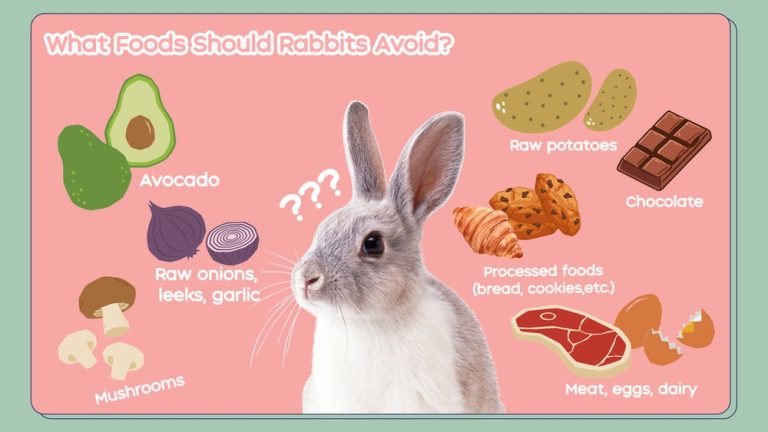
Some fruits are too acidic or sugary. These should be avoided or given very rarely to keep rabbits healthy.
Nutritional Profile Of Limes
Limes have a unique nutritional profile that impacts how animals digest them. These small fruits are rich in key nutrients but also contain strong acids. Understanding their content helps decide if rabbits can safely eat limes.
The nutrients in limes support health but their acidity may cause problems. Knowing the balance of vitamins, minerals, and acid is important for rabbit diets.
Vitamins And Minerals In Limes
Limes contain vitamin C, which helps immune health. They also provide small amounts of vitamin A and B-complex vitamins. Minerals like calcium, potassium, and magnesium are present too. These nutrients support bones, muscles, and overall body function.
Though limes have good vitamins and minerals, the amounts are not very high. Rabbits get most nutrients from leafy greens and hay. Limes are not a primary nutrient source for them.
Acidity And Its Effects
Limes are highly acidic due to citric acid. This acidity can upset a rabbit’s sensitive stomach. Too much acid may cause digestive issues like diarrhea or discomfort.
Rabbits thrive on alkaline diets, so acidic foods may harm their gut balance. Even a small amount of lime can irritate their digestive system. Careful consideration is needed before offering lime to rabbits.
Are Limes Safe For Rabbits?
Limes are a common fruit in many homes. You might wonder if rabbits can eat them safely. Rabbits have sensitive digestive systems. Some fruits and vegetables can harm them. It is important to know if limes are safe for your pet rabbit.
Limes contain acids and oils that could cause problems. Not all citrus fruits are good for rabbits. Understanding the risks helps keep your rabbit healthy and happy.
Potential Risks Of Feeding Limes
Limes have high acidity. This acid can upset a rabbit’s stomach. It may lead to diarrhea or pain. Rabbits do not digest citrus well. The oils in lime peel can be toxic. These oils may cause skin and mouth irritation. Feeding limes can also disrupt gut bacteria. This imbalance can harm digestion and health.
Even a small amount can cause discomfort. It is best to avoid giving limes to rabbits. Many safer fruits and vegetables exist for treats.
Signs Of Lime Toxicity
Watch for signs if your rabbit eats lime. Diarrhea is a common symptom. Your rabbit may also show lethargy or weakness. Loss of appetite can occur. Mouth redness or swelling may appear. Excessive drooling is another warning. In severe cases, breathing problems might develop. If you see these signs, consult a vet immediately.
Early care can prevent serious health issues. Always observe your rabbit after introducing new foods.

Credit: shop.bunloaf.com
Alternatives To Limes For Rabbits
Rabbits need fresh and safe treats that support their health. Limes are not good for rabbits because they can upset their stomach. There are many other tasty fruits and citrus options that rabbits can enjoy safely. These alternatives provide vitamins and hydration without harm.
Safe Citrus Options
Oranges and mandarins are safer citrus fruits for rabbits. They contain less acid than limes. Offer small pieces as an occasional treat. Remove seeds and peel before feeding. Grapefruit and lemons are too sour and should be avoided. Always introduce citrus fruits slowly to watch for any reactions.
Other Healthy Fruits
Rabbits enjoy apples, pears, and strawberries. These fruits have natural sweetness and are low in acid. Cut fruit into small, bite-sized pieces. Blueberries and melons are also good choices. Avoid fruits with high sugar or seeds. Fresh vegetables like carrots and cucumbers are great alternatives too.
Feeding Tips For Bunny Owners
Feeding your rabbit the right foods is important for its health. Rabbits have sensitive stomachs. Giving them the wrong food can cause problems. Knowing how to feed your bunny helps keep it happy and healthy.
Some fruits and vegetables can be safe treats. Others may cause stomach upset or worse. Learning good feeding habits protects your pet from harm.
Portion Control
Rabbits need small amounts of treats. Giving too much citrus fruit like limes can upset their stomach. Even safe foods should be given in moderation. A small slice or a few tiny pieces are enough. Stick to a treat size that fits in your hand. Too many treats can lead to diarrhea or other health issues.
Introducing New Foods Gradually
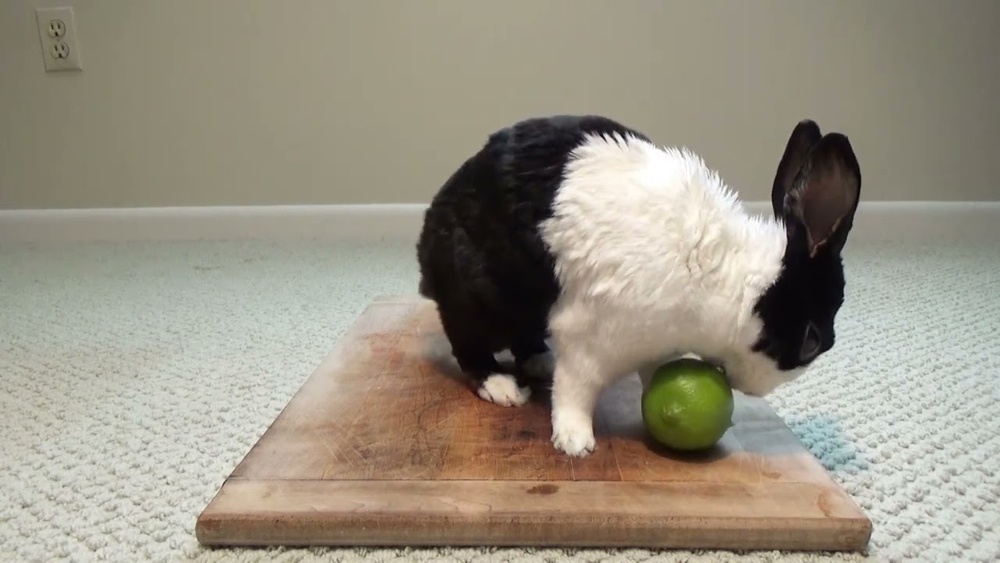
Always introduce new foods slowly. Start with a small piece of lime or any new fruit. Watch your rabbit for signs of discomfort. If your bunny shows diarrhea or loss of appetite, stop feeding that food. Wait a few days before trying another new food. This helps your rabbit’s digestive system adjust safely.

Credit: www.healthline.com
Frequently Asked Questions
Can Rabbits Safely Eat Lime Fruit?
Rabbits should not eat lime fruit. Limes contain high acidity and essential oils that can upset their digestion. Feeding limes may cause stomach pain and diarrhea. It is best to avoid giving limes to rabbits for their health and safety.
What Are The Risks Of Feeding Limes To Rabbits?
Feeding limes to rabbits can cause digestive issues, including diarrhea and stomach discomfort. The acidity and oils in limes are harmful to rabbits’ sensitive digestive systems. Avoid limes to prevent potential health problems and keep rabbits healthy.
Are Lime Peels Safe For Rabbits To Eat?
Lime peels are not safe for rabbits. They contain oils and compounds that can irritate the digestive tract. Peels also have a bitter taste, which rabbits dislike. It is best to keep both lime fruit and peels away from rabbits.
What Fruits Can Rabbits Eat Instead Of Limes?
Rabbits can safely eat fruits like apples, pears, and berries in moderation. These fruits are less acidic and provide vitamins without harming digestion. Always introduce new fruits gradually and monitor for any adverse reactions.
Conclusion
Rabbits should avoid eating limes due to their acidity. Citrus fruits can upset a rabbit’s sensitive stomach. Small amounts might not cause harm, but risks remain. Fresh hay, vegetables, and safe fruits suit rabbits best. Keep their diet simple and healthy for longer life.
Always watch for unusual signs after feeding new foods. Caring well means choosing safe treats carefully. Your rabbit will thank you with good health and happiness.