Can Rabbits Have Raisins? Discover the Surprising Truth
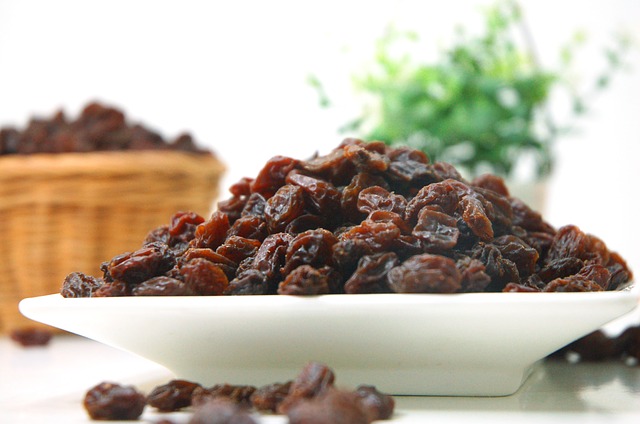
Yes, rabbits can eat raisins, but only in small amounts. Raisins are sweet and can be a treat for rabbits.
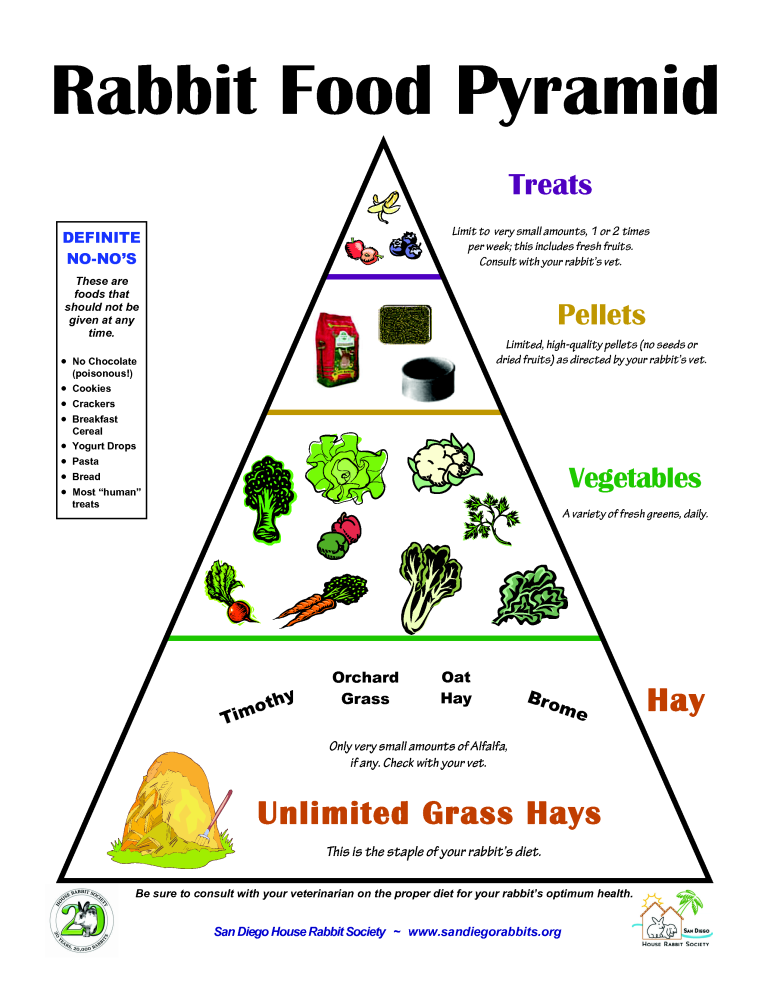
Rabbits have delicate digestive systems. Their diet mainly consists of hay, fresh vegetables, and water. Raisins, being dried grapes, contain high sugar content. While a small piece now and then is safe, too many can cause health issues. It’s essential to understand the impact of sugary treats on your rabbit’s health.
We will explore the benefits and risks of feeding raisins to rabbits. We will also provide tips on how to offer them safely. Read on to ensure your furry friend stays happy and healthy while enjoying occasional treats.

Credit: www.reddit.com
Introduction To Rabbit Diet
Rabbits are cute and fluffy pets. They need a balanced diet to stay healthy. Understanding their dietary needs is essential for their well-being.
A good diet helps rabbits live longer and happier. Let’s explore what rabbits should eat.
Common Foods
Rabbits enjoy a variety of foods. Here are some common foods they can eat:
- Hay: The most important part of their diet.
- Fresh Vegetables: Leafy greens like kale and spinach.
- Pellets: Specially formulated rabbit food.
- Fruits: Apples, bananas, and berries (in moderation).
Avoid giving rabbits foods that are high in sugar. This includes many fruits and processed foods.
Nutritional Needs
Rabbits have specific nutritional needs. They need a mix of fiber, vitamins, and minerals. Here’s a breakdown:
| Nutrient | Importance |
|---|---|
| Fiber | Essential for digestion and dental health. |
| Vitamins | Important for overall health and immunity. |
| Minerals | Needed for strong bones and bodily functions. |
Always ensure your rabbit has access to fresh water. Dehydration can be dangerous for them.
Are Raisins Safe?
Raisins can be a tasty treat for rabbits, but only in small amounts. Too many raisins may cause digestive issues. Always monitor your rabbit’s health after giving raisins.
Rabbits enjoy munching on a variety of treats. Raisins, with their sweet taste, can be tempting. But are they safe for your furry friend? Understanding the potential benefits and possible risks will help you make an informed decision.Potential Benefits
Raisins contain natural sugars that can provide a quick energy boost. They also have small amounts of fiber, which aids in digestion. Some vitamins and minerals in raisins can contribute to your rabbit’s overall health. These include potassium, iron, and vitamin B. In moderation, raisins can serve as a delightful treat.Possible Risks
Raisins are high in sugar. Too much sugar can lead to obesity in rabbits. Excessive sugar intake may cause digestive issues. These can include diarrhea and stomach upset. Raisins also lack the essential nutrients found in a rabbit’s regular diet. Overfeeding raisins might cause your rabbit to neglect its usual food. This can lead to nutritional deficiencies. Always offer raisins sparingly and watch your rabbit’s reaction. In conclusion, while raisins can be a tasty treat, they should be given in moderation. Monitor your rabbit’s health and behavior when introducing any new food. Keep your rabbit’s diet balanced and varied to ensure its well-being. “`Nutritional Content Of Raisins
Raisins are dried grapes packed with nutrients. They offer a concentrated source of vitamins and minerals. They also contain high levels of natural sugars. Understanding the nutritional content can help decide if they are safe for rabbits.
Vitamins And Minerals
Raisins are rich in various vitamins. They contain vitamin C, vitamin K, and some B vitamins. These are essential for overall health. Raisins also provide minerals like calcium, iron, and potassium. These help in bone health, blood production, and muscle function.
Sugar Levels
Raisins have high sugar content. This is due to the drying process which removes water. The sugar becomes concentrated. High sugar levels can be harmful to rabbits. It can lead to weight gain and other health issues. So, raisins should be given in moderation.
How Raisins Affect Rabbits
Rabbits are beloved pets with specific dietary needs. One common question is: can rabbits have raisins? While a small amount might be fine, raisins have both benefits and risks. Let’s explore how raisins affect rabbits, focusing on digestive health and energy levels.
Digestive Health
Rabbits have sensitive digestive systems. They need a diet rich in fiber. Raisins, while tasty, are low in fiber. They are high in sugar, which can disrupt a rabbit’s digestive health. Eating too many raisins can cause digestive problems like diarrhea or bloating.
It’s best to feed rabbits small amounts if you choose to give them raisins. A good rule is one or two raisins, no more than once a week. This limits the risk of digestive issues.
Energy Levels
Raisins are high in sugar. This can give rabbits a quick energy boost. But too much sugar can lead to weight gain and other health problems. Rabbits do not need extra sugar in their diets. They get enough energy from their regular food.
Offering raisins as a rare treat is okay. It should not be a regular part of their diet. Always monitor your rabbit’s health and behavior after giving them any new food.
Healthy Treat Alternatives
Rabbits love treats, but it is important to choose healthy options. While raisins might seem like a tasty choice, there are better alternatives. These healthier treats can provide important nutrients and keep your rabbit happy.
Fruits And Vegetables
Fresh fruits and vegetables are excellent treat choices. They are packed with vitamins and minerals that support your rabbit’s health. Some safe options include:
- Carrots: Rich in vitamin A, but should be given in moderation.
- Apples: Provide fiber and vitamins, remove seeds before feeding.
- Blueberries: High in antioxidants, perfect for an occasional treat.
- Bell Peppers: Full of vitamin C, offer in small slices.
- Spinach: Good source of iron, serve in limited amounts.
These fruits and vegetables can be a great addition to your rabbit’s diet. Remember to wash all produce thoroughly before serving.
Commercial Treats
Commercial treats are convenient and often formulated for rabbits. They come in various flavors and forms, making it easy to find something your rabbit will enjoy. Look for treats that are:
- Low in sugar: Avoid treats with added sugars.
- High in fiber: Supports digestive health.
- Made from natural ingredients: Ensure there are no artificial additives.
Some popular commercial treats include:
| Brand | Treat Name | Key Features |
|---|---|---|
| Oxbow | Simple Rewards | Natural ingredients, high fiber |
| Kaytee | Healthy Bits | Low sugar, nutrient-rich |
| Vitakraft | Nibble Rings | Crunchy, natural flavors |
Choose commercial treats wisely. Always read the ingredient list to ensure they are healthy and safe for your rabbit.
Moderation And Portion Control
Moderation and portion control are key aspects of feeding rabbits treats. While raisins can be a delightful snack, they should not become a regular part of a rabbit’s diet. Overfeeding treats can lead to obesity and health issues.
Safe Serving Sizes
Rabbits can enjoy raisins, but in small quantities. A safe serving size is just one or two raisins. This prevents overconsumption and ensures your rabbit stays healthy.
Frequency Of Treats
Offer raisins only occasionally. Limit treat frequency to once or twice a week. This keeps the rabbit’s diet balanced and prevents dependency on sugary snacks. Stick to a routine for optimal health.
Recognizing Health Issues
Raisins can be a delightful treat for your bunny. But like all treats, overconsumption can lead to health problems. Being aware of the signs of health issues is crucial. Let’s dive into what to look for.
Signs Of Overconsumption
Overeating raisins can cause various health issues in rabbits. Watch for these signs:
- Diarrhea
- Lethargy
- Loss of appetite
- Weight gain
- Dental problems
Diarrhea is a common sign of overconsumption. Rabbits have sensitive digestive systems. Excess sugar from raisins can upset this balance. Lethargy can indicate that your rabbit is not feeling well. If your bunny is less active than usual, it may be a sign.
Loss of appetite is another symptom to monitor. If your rabbit is not eating its regular food, something could be wrong. Weight gain is an obvious sign. Raisins are high in sugar and can contribute to obesity. Lastly, dental problems can arise from too much sugar. Watch for any changes in eating habits or visible issues with teeth.
When To Visit The Vet
If you notice any of the above signs, it’s important to act quickly. Here is a guide to help you decide when to visit the vet:
| Sign | Action |
|---|---|
| Diarrhea | Visit the vet immediately |
| Lethargy | Monitor for 24 hours, then visit the vet |
| Loss of appetite | If it persists for more than a day, visit the vet |
| Weight gain | Consult the vet for a diet plan |
| Dental problems | Visit the vet for a dental check |
Always err on the side of caution. If you are ever unsure, a vet visit is the best course of action. Your rabbit’s health and well-being should always come first.

Credit: www.groomertogroomer.com
Creating A Balanced Diet
Providing a balanced diet for your rabbit ensures their health and happiness. A diet rich in hay, fresh vegetables, and a small amount of fruit is ideal. But can rabbits have raisins? Let’s explore how to incorporate treats like raisins safely.
Daily Feeding Schedule
A consistent daily feeding schedule helps maintain your rabbit’s well-being. Start their day with unlimited hay. This promotes digestive health and keeps their teeth in check. Fresh water should always be available.
In the morning, offer a small portion of fresh vegetables. Leafy greens like romaine lettuce, kale, and parsley are great choices. Avoid high-calcium greens like spinach or mustard greens.
Pellets can be given in moderation. Choose high-fiber pellets and follow the recommended serving size. An adult rabbit needs about 1/4 cup of pellets per 6 pounds of body weight.
Incorporating Treats Safely
Treats should be a small part of your rabbit’s diet. Raisins can be given, but sparingly. They are high in sugar and can lead to obesity or digestive issues.
Offer raisins as an occasional treat. One or two raisins a week is enough. Monitor your rabbit’s reaction. Stop if you notice any digestive problems.
Other safe treats include small pieces of apple, banana, or carrot. Avoid processed treats or those with added sugar.
Remember, moderation is key. Treats should never replace the main components of your rabbit’s diet.

Credit: www.youtube.com
Frequently Asked Questions
Can Rabbits Eat Raisins Safely?
Rabbits can eat raisins, but only in moderation. Raisins are high in sugar, which can lead to obesity and dental issues in rabbits.
How Many Raisins Can Rabbits Have?
Limit rabbits to one or two raisins per week. Excessive sugar can harm their digestive system and overall health.
Are Raisins Bad For Rabbits?
Raisins are not inherently bad but should be given sparingly. Overconsumption can cause obesity and other health problems due to their high sugar content.
What Are The Benefits Of Raisins For Rabbits?
Raisins can be a tasty treat and provide some nutrients. However, their high sugar content means they should be given infrequently.
Conclusion
Rabbits can eat raisins, but only in small amounts. Too many can harm their health. Raisins are high in sugar and can lead to obesity. Always offer fresh water and a balanced diet. Healthy treats include fresh vegetables and hay.
Monitor your rabbit’s reaction to new foods. Consult your vet for personalized advice. Keeping your rabbit healthy ensures a happy pet.