Do Rabbits Eat Butterfly Bushes: Surprising Facts Revealed
Are you worried that your beautiful butterfly bushes might become a snack for hungry rabbits? You’re not alone.
Many gardeners wonder if these vibrant plants are safe from furry nibblers. Knowing whether rabbits eat butterfly bushes can save you time and protect your garden’s charm. You’ll discover the truth about rabbits and butterfly bushes, plus easy tips to keep your plants safe.
Keep reading to make sure your garden stays lush and rabbit-free!
Rabbits And Their Eating Habits
Rabbits have specific eating habits that affect gardens and plants. They are herbivores, meaning they eat only plants. Understanding what rabbits like and dislike helps protect your garden. It also helps you choose plants that rabbits avoid.
Common Foods Rabbits Prefer
Rabbits enjoy tender leaves, stems, and flowers. They often eat clover, dandelions, and grass. Young shoots and fresh greens are their favorite. Rabbits also like vegetable plants like lettuce and carrots. These foods provide them with energy and nutrients. They nibble carefully but can eat a lot quickly.
Plants Rabbits Avoid
Some plants taste bitter or are toxic to rabbits. They usually stay away from these. Plants like lavender, rosemary, and butterfly bushes are less likely to be eaten. These plants have strong smells or tough leaves. Rabbits tend to avoid plants that cause discomfort or harm. Choosing these plants can protect your garden from rabbit damage.

Credit: m2enterprises.com
Butterfly Bush Characteristics
The Butterfly Bush is a popular garden plant known for its colorful flowers. It attracts many insects and adds beauty to outdoor spaces. Understanding its characteristics helps gardeners care for it properly. This section covers the plant’s description, growth habits, and its appeal to wildlife.
Plant Description And Growth
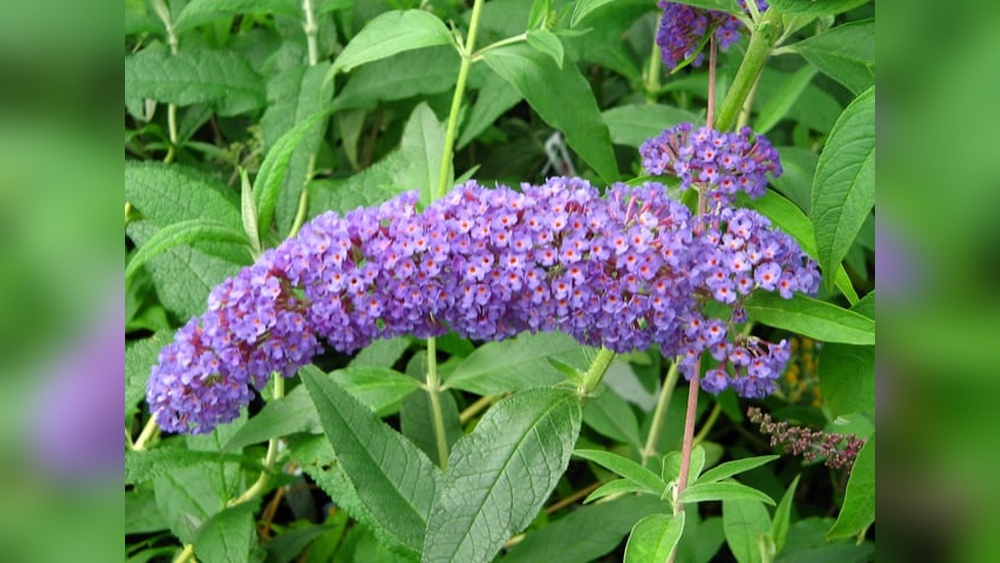
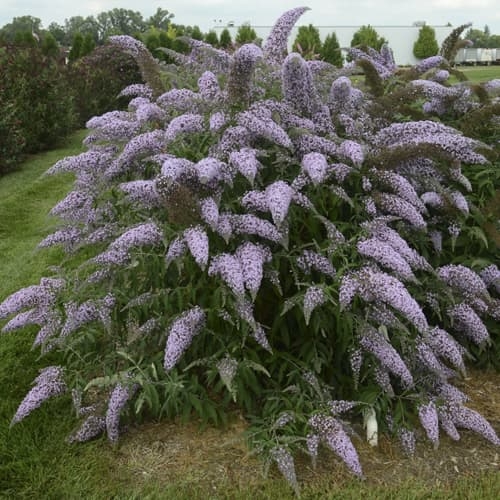
The Butterfly Bush grows as a shrub, reaching up to 6 feet tall. Its leaves are long, narrow, and green with a slight gray tone. Flowers appear in dense clusters, usually in purple, pink, white, or blue. The plant blooms from summer to fall, providing color for many months.
This bush prefers full sun and well-drained soil. It grows quickly and can spread wide if not pruned. Butterfly Bushes tolerate drought but need water during dry periods. They are hardy in many climates, making them easy to grow in various gardens.
Appeal To Wildlife
The Butterfly Bush attracts butterflies, bees, and hummingbirds. Its flowers produce nectar that these creatures love. Many gardeners plant it to support pollinators in their area.
Despite its name, rabbits usually avoid eating Butterfly Bush leaves. The plant has a mild scent that rabbits find unpleasant. This makes it a good choice for gardens where rabbits are common.
Rabbit Interaction With Butterfly Bushes
Butterfly bushes are popular plants in many gardens. They attract butterflies and add color. Gardeners often wonder if rabbits eat these bushes. Understanding how rabbits interact with butterfly bushes helps protect your plants. Rabbits can be picky eaters. They may choose some plants but avoid others.
Knowing whether rabbits eat butterfly bushes can save your garden from damage. It also helps in planning which plants to grow. Let’s explore how rabbits behave around butterfly bushes.
Do Rabbits Eat Butterfly Bushes?
Rabbits generally do not eat butterfly bushes. The leaves and stems have a bitter taste. This taste discourages rabbits from nibbling on them. Rabbits prefer soft and tender plants. Butterfly bushes have a rough texture that rabbits avoid. In most cases, these bushes stay safe from rabbit damage.
During harsh winters or food shortages, rabbits might try unusual plants. Even then, butterfly bushes are not their first choice. Gardeners can feel more confident planting butterfly bushes in areas with rabbits.
Reasons Rabbits Might Avoid Butterfly Bushes
Butterfly bushes contain natural chemicals that rabbits dislike. These chemicals make the plant taste bad. The smell of the bush also keeps rabbits away. Its rough leaves are hard for rabbits to chew. Rabbits look for soft, easy-to-eat plants instead.
Butterfly bushes grow tall and strong. This makes it harder for rabbits to reach the leaves. The bush’s structure adds extra protection. These factors combine to keep rabbits from eating butterfly bushes.
Protecting Butterfly Bushes From Rabbits
Butterfly bushes attract rabbits because of their soft leaves and tender shoots. Protecting these plants helps keep your garden healthy and beautiful. Simple methods can stop rabbits from eating your butterfly bushes.
Natural Deterrents
Some smells and tastes bother rabbits. Sprinkling crushed garlic or chili powder around the bush can keep rabbits away. Planting strong-smelling herbs like lavender or rosemary near the butterfly bush also helps. Rabbits dislike these scents and avoid the area. Using natural repellents is safe for your plants and the environment.
Physical Barriers
Building a small fence around the butterfly bush stops rabbits from reaching it. Use wire mesh with holes no larger than one inch. Make sure the fence is at least two feet tall. Bury the bottom of the fence a few inches underground. This prevents rabbits from digging under. Physical barriers give strong and reliable protection for your plants.
Alternative Plants For Rabbit-prone Gardens
Gardens with rabbits need special care. Rabbits can eat many plants, leaving your garden bare. Choosing the right plants can protect your garden. Some plants naturally repel rabbits. These plants survive and grow well in rabbit-prone areas.
Picking plants that attract butterflies is also possible. They add beauty and life to your garden. You can have a garden that rabbits avoid and butterflies love.
Rabbit-resistant Shrubs
Some shrubs do not appeal to rabbits. Their strong smell or taste keeps rabbits away. Examples include boxwood, barberry, and lavender. These shrubs grow well and need little care. They form a good barrier against rabbits. Planting these shrubs helps protect other plants nearby.
Attractive Options For Butterflies
Butterflies love colorful and fragrant flowers. Plants like milkweed, coneflower, and butterfly bush attract them. These plants also grow well around rabbits. Butterflies bring life and movement to your garden. They help pollinate your flowers and vegetables. Choose these plants for a lively, rabbit-safe garden.
:max_bytes(150000):strip_icc()/safe-woods-and-plants-for-rabbits-1239351-01-3cc2e9cc866c448ebefe0083e4419efc.jpg)
Credit: www.thespruce.com
Credit: www.gardencrossings.com
Frequently Asked Questions
Do Rabbits Eat Butterfly Bushes Leaves?
Rabbits generally avoid eating butterfly bushes leaves. The plant contains compounds that make it less appealing and mildly toxic to rabbits. This natural deterrent helps protect butterfly bushes from rabbit damage in most gardens.
Are Butterfly Bushes Safe For Rabbits To Nibble?
Butterfly bushes are not safe for rabbits to eat regularly. The plant can cause mild stomach upset if ingested. It’s best to keep rabbits away from butterfly bushes to avoid any potential health issues.
Can Rabbits Damage Butterfly Bushes?
Rabbits rarely damage butterfly bushes due to their taste and texture. They prefer softer, more palatable plants. However, young or stressed butterfly bushes might attract some nibbling, but serious damage is uncommon.
Why Do Rabbits Avoid Butterfly Bushes?
Rabbits avoid butterfly bushes because of their bitter taste and toxic compounds. These traits act as natural repellents. This makes butterfly bushes a good choice for gardens prone to rabbit activity.
Conclusion
Rabbits usually avoid eating butterfly bushes. These plants have a strong smell and taste that rabbits dislike. Still, young or hungry rabbits might nibble on new shoots. Protect your butterfly bush with fencing or repellents if rabbits are a problem.
Growing butterfly bushes adds beauty and attracts butterflies to your garden. Enjoy your garden without worrying too much about rabbits eating these plants. Simple care helps keep butterfly bushes healthy and safe from most animals.