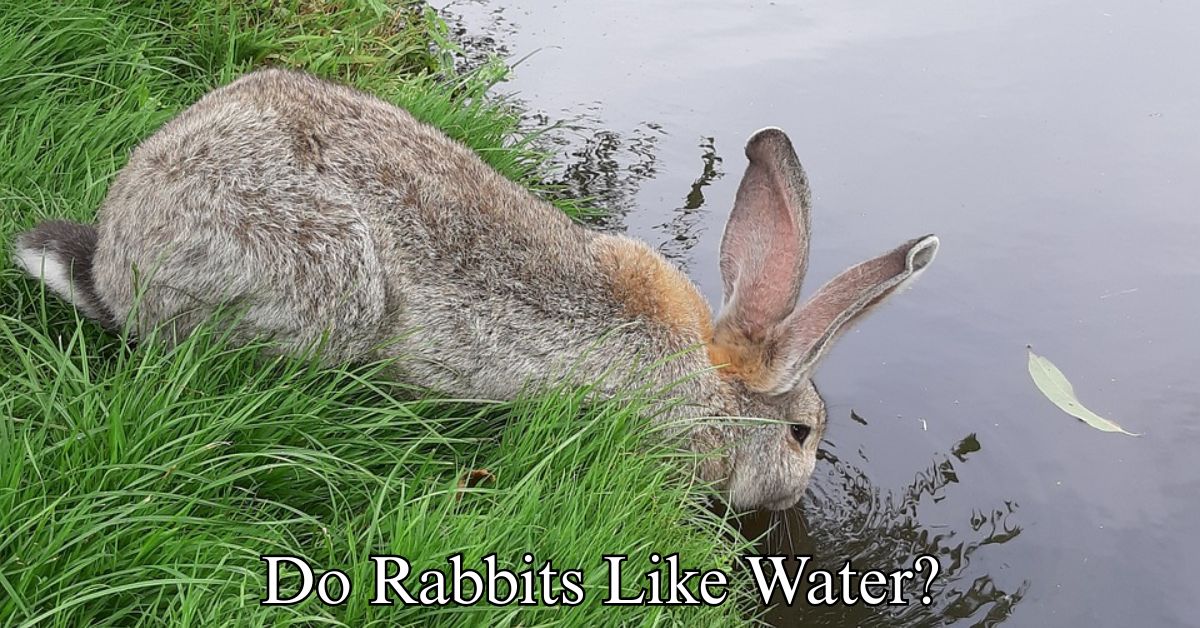
Do Rabbits Like Water? Discover the Surprising Truth!
Do rabbits like water? The short answer is no, most rabbits do not like water.
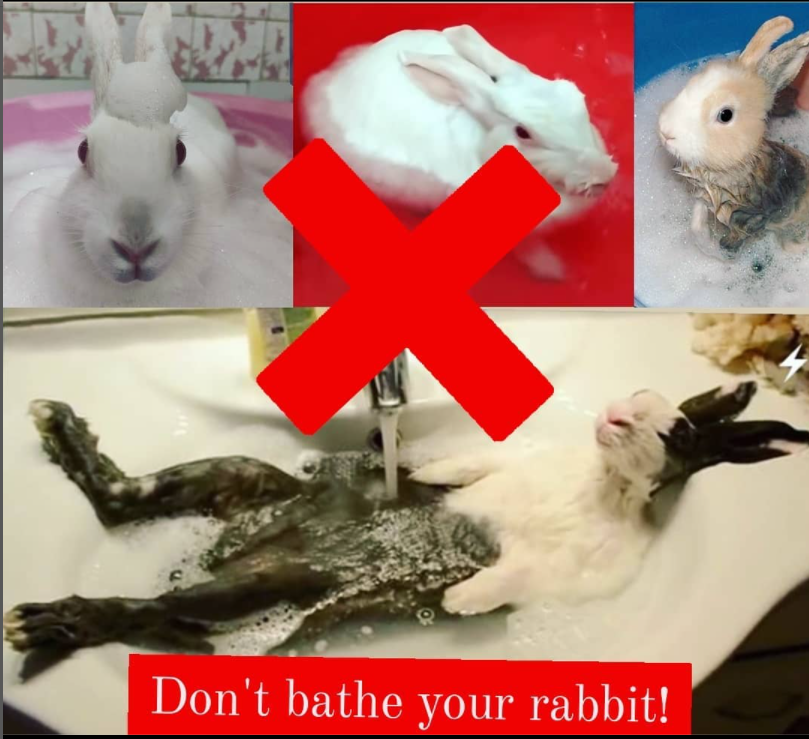
They can get stressed or even scared when exposed to it. Rabbits are naturally land animals. They are not built for swimming. Their fur can get heavy when wet, making it hard for them to move. Bathing a rabbit can cause them to panic.
This stress is not good for their health. Instead of bathing, grooming is a better way to keep them clean. It’s important to understand their needs and preferences. This helps in caring for them better. By knowing why they dislike water, we can provide a safer and happier environment for our furry friends. Let’s dive into the reasons behind this and how to care for rabbits properly.
Credit: how-to-rabbit.com
Introduction To Rabbits And Water
Rabbits are gentle and curious pets. They need proper care to stay healthy. One common question is whether they like water. This blog post explores this topic.
Common Beliefs
Many believe rabbits dislike water. They think rabbits avoid it at all costs. This belief stems from their natural habitat. Wild rabbits stay away from large bodies of water.
People also think water can stress rabbits. They say rabbits get frightened when wet. These beliefs are partly true. But, understanding the reasons is key.
Importance Of Hydration
Hydration is crucial for rabbits. They need water to stay healthy. Water helps with digestion, temperature regulation, and more.
Rabbits drink water from bowls or bottles. Always provide clean, fresh water. Monitor their intake to ensure they are drinking enough.
| Hydration Benefit | Explanation |
|---|---|
| Digestion | Water helps break down food and absorb nutrients. |
| Temperature Regulation | Rabbits use water to maintain their body temperature. |
| Overall Health | Proper hydration keeps rabbits energetic and active. |
Keep their water source clean. Dirty water can lead to health problems. Check their water bowl or bottle daily.
Natural Habitat Of Rabbits
Understanding the natural habitat of rabbits helps us care for them better. Rabbits are adaptable creatures. They live in various environments, from wild fields to cozy homes.
Wild Rabbit Environments
Wild rabbits thrive in diverse habitats. Common environments include meadows, forests, grasslands, and deserts. They usually prefer areas with dense vegetation. This provides both food and shelter from predators.
Wild rabbits dig burrows called warrens. These underground tunnels protect them from weather and predators. Warrens can be complex, with multiple entrances and exits. This allows for quick escapes if needed.
Natural water sources are essential. Wild rabbits often find water in streams, ponds, and dew on plants. They drink frequently, especially in warm weather.
Domestic Rabbit Living Conditions
Domestic rabbits need environments that mimic their wild counterparts. A secure, spacious cage or hutch is essential. It should have enough room for the rabbit to move freely.
Include a covered area for privacy. Domestic rabbits also benefit from access to an outdoor run. Ensure this area is predator-proof.
Water is crucial for domestic rabbits. Provide a clean, fresh water supply daily. A water bottle or heavy bowl works well. Monitor their water intake to ensure they stay hydrated.
Proper bedding is important. Use materials like hay or straw. These provide comfort and mimic natural burrows.
Here is a quick comparison of wild and domestic rabbit environments:
| Wild Rabbit Environments | Domestic Rabbit Living Conditions |
|---|---|
| Meadows, forests, grasslands, deserts | Spacious cages or hutches |
| Dense vegetation for food and shelter | Covered areas for privacy |
| Burrows called warrens | Access to outdoor runs |
| Natural water sources | Clean, fresh water supply |
Understanding these environments helps us create better habitats for our domestic rabbits. It ensures they live healthy, happy lives.
Behavioral Traits Of Rabbits
Rabbits generally avoid water. They prefer to stay dry and can become stressed if they get wet. Providing a safe, dry environment is essential for their well-being.
Rabbits are fascinating creatures with unique behaviors. Understanding these behavioral traits helps in providing the right care. Their reactions to water often surprise many.
Instincts And Reactions
Rabbits have natural instincts that guide their behavior. They are prey animals. This makes them cautious and alert. Their instincts often make them wary of new experiences, including water.
Key Points:
- Rabbits are generally not fond of water.
- They prefer staying dry and clean themselves through grooming.
- Instincts make them avoid deep or standing water.
They might panic if forced into water. Their reactions can be strong. This often leads to stress.
Stress Responses
Rabbits show visible signs of stress. Understanding these signs is crucial for their well-being.
Signs of Stress:
- Rapid breathing
- Thumping their hind legs
- Hiding or seeking shelter
A stressed rabbit might freeze or try to escape. This can be harmful. Providing a calm environment helps reduce stress. Avoid forcing them into water. Always respect their natural instincts.

Credit: wellkeptrabbit.com
Rabbits And Water Exposure
Rabbits are adorable and delicate creatures. Owners often wonder about their interaction with water. Understanding how rabbits react to water exposure is important. This knowledge ensures their well-being.
Bathing Concerns
Many people think rabbits need baths like other pets. This is not true. Bathing rabbits can be stressful and harmful. Their fur does not dry quickly. Wet fur can cause hypothermia.
Rabbits groom themselves regularly. They rarely need external cleaning. Use a damp cloth for spot cleaning if necessary. Avoid submerging them in water.
| Reason | Impact |
|---|---|
| Stress | Increases heart rate, causes panic |
| Wet Fur | Hypothermia risk, fungal infections |
Swimming Abilities
Rabbits are not natural swimmers. They can paddle in water, but this is not ideal. Swimming can exhaust and stress them. Water can enter their ears, causing infections.
Some rabbits may enjoy shallow water play. Always supervise them closely. Ensure the water is warm and shallow. Never force a rabbit into water.
- Monitor their behavior
- Keep water shallow
- Dry them thoroughly after
Respect their comfort levels. Not all rabbits enjoy water exposure.
Health Implications
Water can have significant health implications for rabbits. Understanding these effects is crucial for any rabbit owner. This section covers how water impacts their skin and fur, and the risks of overexposure.
Skin And Fur Health
Rabbits have delicate skin and fur. Excessive moisture can lead to various issues:
- Matting: Wet fur can clump and tangle. This makes grooming difficult.
- Skin Infections: Prolonged dampness can cause fungal infections. Common types include ringworm.
- Irritation: Water exposure can irritate the skin. This leads to redness and itching.
Always ensure your rabbit’s fur is dry. Regular grooming helps maintain their coat health.
Risks Of Overexposure
Overexposure to water can be harmful. Here are some risks:
- Hypothermia: Wet fur can lower a rabbit’s body temperature quickly. This can be dangerous.
- Stress: Many rabbits dislike water. Forced baths can cause stress and anxiety.
- Respiratory Issues: Inhalation of water can lead to respiratory problems. This is particularly risky for young or sick rabbits.
Instead of bathing, use a damp cloth to clean your rabbit. This method is safer and less stressful.

Credit: bunnylady.com
Hydration Needs
Rabbits need water to stay healthy. Water is essential for their digestion, temperature regulation, and overall well-being. Understanding their hydration needs helps in providing the best care for your furry friend.
Daily Water Intake
The amount of water a rabbit needs can vary. On average, a rabbit drinks about 50-100 ml of water per kilogram of body weight each day. Factors such as diet, activity level, and the environment can affect their water intake. Fresh vegetables can also contribute to their hydration.
| Weight (kg) | Water Intake (ml/day) |
|---|---|
| 1 | 50-100 |
| 2 | 100-200 |
| 3 | 150-300 |
Signs Of Dehydration
Dehydration can be dangerous for rabbits. Knowing the signs helps in taking prompt action. Key signs of dehydration include:
- Dry mouth and nose
- Sunken eyes
- Lethargy
- Loss of appetite
- Thick, sticky saliva
If you notice any of these signs, provide water immediately. Consult a vet if the condition persists.
Safe Water Practices
Rabbits need fresh water to stay healthy. Safe water practices ensure your rabbit drinks enough water daily. This section will cover key areas to help you provide clean water and encourage hydration for your pet rabbit.
Providing Clean Water
Always give your rabbit clean water. Change the water daily to keep it fresh. Use a water bottle or a bowl. Each has its benefits:
- Water Bottle: Keeps water clean. Reduces the risk of contamination.
- Water Bowl: Easier for rabbits to drink from. Must be cleaned often.
Ensure the water container is clean. Wash it with mild soap and rinse thoroughly. Avoid using harsh chemicals. They can harm your rabbit.
Check the water quality. If your tap water is not safe for you, it is not safe for your rabbit. Use filtered or bottled water if needed.
Encouraging Hydration
Some rabbits may drink less water. You can encourage them to drink more. Try these tips:
- Place multiple water sources around their living area.
- Add water to their fresh vegetables.
- Offer a mix of water bottle and bowl.
- Check the water temperature. Room temperature is best.
Monitor your rabbit’s water intake. If they drink less, consult a vet. Dehydration can cause serious health issues.
Follow these safe water practices. Keep your rabbit healthy and hydrated.
Conclusion And Recommendations
Rabbits generally avoid water and dislike swimming. To keep them healthy, provide fresh drinking water and avoid unnecessary baths.
As a rabbit owner, you may wonder if rabbits enjoy water. This section will summarize the key findings and offer practical advice for rabbit care related to water.
Summary Of Findings
Rabbits have a natural aversion to water. They are not adept swimmers. While they need water for drinking, they do not enjoy being wet. Bathing them can cause stress and health problems. Their fur takes a long time to dry, which can lead to cold and skin issues.
Best Practices For Rabbit Owners
Provide fresh water daily. Use a water bottle or bowl. Ensure it’s always clean and accessible. Avoid bathing your rabbit. Use grooming tools to keep their fur clean. If they get dirty, use a damp cloth for spot cleaning. Monitor their hydration. Dehydration can lead to health issues. Encourage drinking by offering water-rich vegetables like lettuce and cucumber.
Regularly check their water source for cleanliness. Replace and refill as needed. Create a stress-free environment. Avoid sudden changes in their routine. Keep their living area dry and comfortable. Provide toys and activities. A happy rabbit is a healthy rabbit.
By following these guidelines, you can ensure your rabbit stays healthy and stress-free. Remember, their well-being depends on proper care and attention.
“`
Frequently Asked Questions
Can Rabbits Swim?
Rabbits can swim, but they generally don’t enjoy it. It’s stressful for them and should be avoided.
Is It Safe To Bathe A Rabbit?
Bathing a rabbit is not recommended. It can cause stress and health issues. Use a damp cloth if necessary.
Do Rabbits Like Water?
Rabbits typically don’t like water. They prefer to stay dry and may become stressed when wet.
How Do I Clean My Rabbit?
Clean your rabbit using a damp cloth or pet-safe wipes. Avoid immersing them in water.
Conclusion
Rabbits and water have a unique relationship. They drink water regularly. But they prefer staying dry. Bathing can stress them out. Always ensure they have fresh water. Use a water bowl or bottle. Watch for signs of dehydration. Keep their living area clean and dry.
Avoid forcing them into water. Understand their needs for a happy, healthy bunny. Proper care leads to a content rabbit. They thrive with gentle handling and proper hydration.