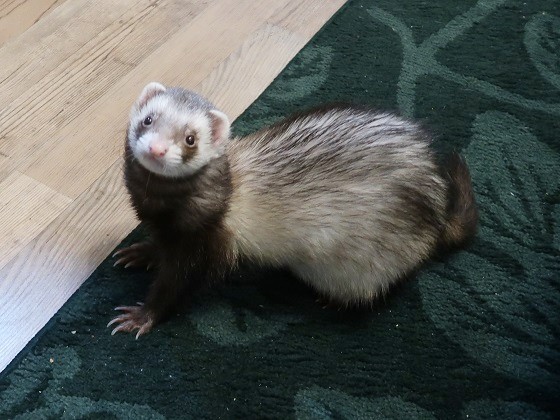
How to Get Rid of Ferret Odor: Proven Tips and Tricks
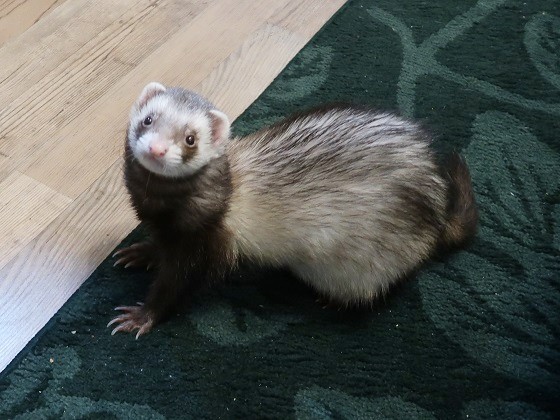
Ferrets are fun pets. But, they can have a strong smell.
Want to know how to get rid of ferret odor? You’re not alone. Ferrets are adorable and playful, making them popular pets. But, they come with a unique challenge – their odor. If you own a ferret, you know the struggle of keeping your home smelling fresh.
Thankfully, there are ways to manage and reduce ferret smell. This guide will help you understand why ferrets smell and offer tips to control the odor. From cleaning routines to diet adjustments, you’ll find practical solutions that work. Let’s dive in and make your home more pleasant for both you and your furry friend.

Credit: comerciolimited.com.ng
Ferret Odor Causes
Dealing with ferret odor can be quite a challenge for pet owners. Understanding the causes of this odor is the first step in managing it effectively. Let’s explore the main reasons behind ferret odor under the following headings:
Natural Scent
Ferrets have a distinct natural scent due to their musk glands. This is a normal part of their biology. Male ferrets, especially intact ones, have a stronger scent. Their skin and fur produce oils that contribute to this odor. Regular grooming can help manage this natural scent.
Diet Influence
A ferret’s diet plays a significant role in their body odor. High-quality, protein-rich food is essential. Poor diet choices can lead to stronger, unpleasant odors. Foods with fish or high carbohydrates can make the smell worse. Ensure their diet is balanced and healthy.
| Food Type | Impact on Odor |
|---|---|
| High-Protein | Less Odor |
| Fish-Based | More Odor |
| High-Carbs | More Odor |
Health Issues
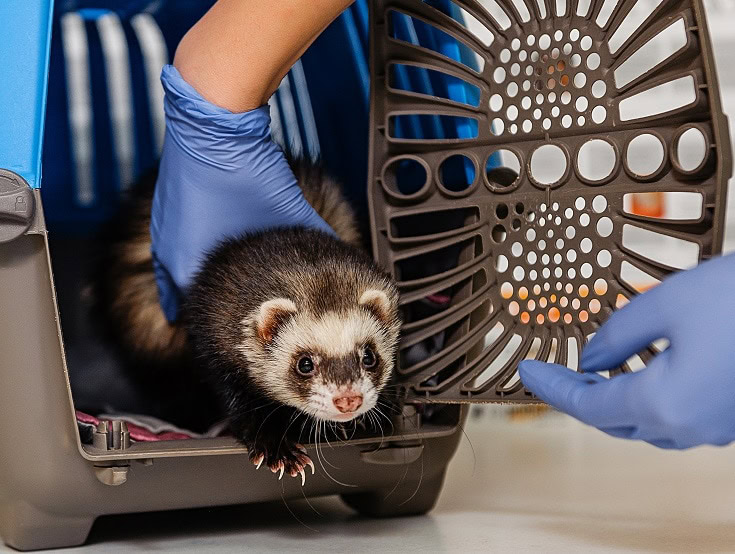
Sometimes, ferret odor is due to underlying health issues. Skin infections, dental problems, or ear infections can cause a bad smell. Regular vet check-ups are important. If you notice a sudden change in odor, consult your vet immediately.
By understanding these causes, you can take steps to manage and reduce ferret odor effectively. Remember, a healthy ferret is a less smelly ferret!
Proper Ferret Diet
Ferrets have a unique digestive system. A proper diet is crucial to reducing their odor. An appropriate diet not only keeps them healthy but also minimizes their scent.
Balanced Nutrition
A balanced diet is essential for ferrets. Their bodies need animal-based proteins and fats. Avoid feeding them fruits and vegetables. These can cause digestive issues and increase their smell. Stick to high-quality ferret food with meat as the main ingredient.
Providing fresh water is important too. Hydration helps in digestion and keeps their system clean.
Avoiding Odor-causing Foods
Certain foods can increase ferret odor. Avoid giving them dairy products. Ferrets are lactose intolerant and dairy can upset their stomachs. Also, steer clear of sugary treats. Sugar can lead to health problems and make their scent stronger. Processed foods with fillers are a no-go. They lack essential nutrients and can cause digestive troubles.
Remember, a clean diet means a cleaner ferret. Choose their food wisely.
Regular Cleaning Routine
Ferrets can be adorable, playful pets, but they can also have a strong odor. Maintaining a regular cleaning routine can help keep your ferret’s living space fresh and reduce unpleasant smells. Let’s break down how to effectively manage this with simple steps.
Cage Maintenance
Clean the cage daily to prevent odor buildup. Remove any uneaten food and soiled bedding. Use a mild, pet-safe cleaner to wipe down the cage surfaces.
Once a week, do a deeper clean. Disassemble the cage and wash all parts with warm, soapy water. Rinse thoroughly and let everything dry before reassembling. This helps eliminate lingering smells.
Bedding Changes
Regularly changing your ferret’s bedding is crucial. Aim to replace it at least twice a week. Dirty bedding can trap odors and make the cage smell worse.
Use soft, absorbent materials for bedding. Fleece blankets and old t-shirts work well. Wash the bedding in hot water with a mild detergent. Avoid using fabric softeners or strong fragrances.
Toy Cleaning
Ferrets love to play, and their toys can quickly become dirty. Clean toys weekly to keep them odor-free. Plastic and rubber toys can be washed in warm, soapy water. Rinse well and let them air dry.
For fabric toys, check the washing instructions. Many can go in the washing machine. Use a gentle cycle and mild detergent. This keeps toys clean and safe for your ferret.
Bathing Techniques
Bathing your ferret is a key step in reducing unwanted odors. By following proper bathing techniques, you can ensure your ferret stays clean and smells fresh. Let’s dive into some essential tips, including how often to bathe your ferret, choosing the right shampoo, and effective drying methods.
Bath Frequency
Over-bathing your ferret can strip its skin of natural oils, leading to dry skin and more odor. Bathing once a month is ideal. This frequency helps maintain a balance of cleanliness and skin health. If your ferret gets particularly dirty, a quick rinse with water between baths can help.
Safe Shampoo Choices
Choosing the right shampoo is crucial. Use ferret-specific shampoos that are gentle and formulated for their skin. Avoid using human or dog shampoos as they can irritate your ferret’s skin. Here is a table of recommended shampoos:
| Brand | Type |
|---|---|
| Marshall Ferret Shampoo | Gentle on skin |
| Oxyfresh Pet Shampoo | Odor neutralizing |
| 8 in 1 Ferret Shampoo | Moisturizing |
Drying Methods
Proper drying is important to prevent your ferret from catching a chill. After bathing, gently towel dry your ferret. Use a soft, absorbent towel. Avoid using a hairdryer as it can be too hot and scare your ferret.
To ensure your ferret is completely dry, place it in a warm, draft-free area. You can use a low-speed fan set at a safe distance to help with drying. Ensure the fan is not blowing directly on the ferret.
Grooming Practices
Regular grooming is essential for keeping your ferret clean and odor-free. Ferrets are naturally curious and playful animals. They can get dirty quickly. Consistent grooming helps manage and reduce their odor. Below are some effective grooming practices to keep your ferret smelling fresh.
Brushing Fur
Brushing your ferret’s fur is vital. It helps remove loose hair and dirt. This prevents matting and reduces shedding. Aim to brush your ferret at least once a week. Use a soft-bristled brush. Be gentle to avoid hurting your pet. Regular brushing also helps distribute natural oils. These oils keep the fur healthy and shiny.
Nail Trimming
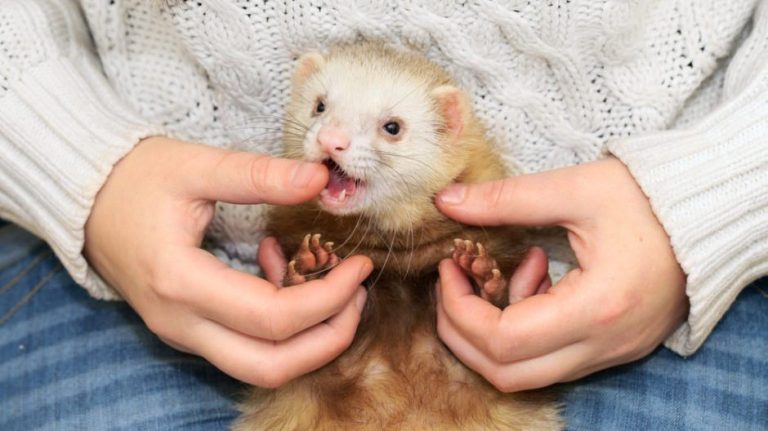
Long nails can cause discomfort and injuries. Trimming your ferret’s nails is crucial. Check their nails every two weeks. Use special pet nail clippers. Be careful not to cut too deep. Cutting the quick can cause pain and bleeding. If unsure, ask a vet to show you the proper technique.
Ear Cleaning
Ferrets can have wax build-up in their ears. Cleaning their ears regularly can prevent infections and bad odor. Check their ears weekly. Use a cotton ball and a pet-safe ear cleaner. Gently wipe the outer ear. Do not insert anything into the ear canal. This can cause damage. Regular ear cleaning keeps your ferret healthy and reduces odor.
Litter Training
Litter training your ferret is crucial for maintaining a clean and odor-free home. A well-trained ferret will use the litter box consistently, reducing the mess and smell. Below are some key steps and tips for effective litter training.
Choosing Litter
Choosing the right litter is essential for ferret hygiene. Not all litters are suitable for ferrets. Avoid clumping litters and scented litters. These can cause health problems.
- Paper-based litters are safe and absorbent.
- Wood pellets are another good option.
- Avoid clay-based litters as they can be harmful.
Place the litter box in a quiet, easily accessible area. Ferrets prefer privacy.
Training Steps
- Observe your ferret’s behavior. Note where they usually eliminate.
- Place the litter box in these areas. This encourages use.
- Encourage your ferret to use the litter box. Place them in it after meals and naps.
- Reward your ferret when they use the litter box. Positive reinforcement works well.
- Be patient. Training takes time and consistency.
Maintaining Cleanliness
Maintaining cleanliness is key to reducing ferret odor. Clean the litter box daily.
- Remove waste promptly. This reduces smell and keeps your ferret healthy.
- Change the litter at least once a week.
- Wash the litter box with mild soap and water during litter changes.
- Dry the box completely before adding new litter.
Regular cleaning prevents buildup of odor-causing bacteria.
Use an odor-neutralizing spray around the litter area. This helps keep the smell at bay.
Air Freshening Solutions
Ferrets are adorable pets, but their odor can be quite strong. Keeping your home fresh is essential. Here are some effective air freshening solutions to tackle ferret odor.
Using Air Purifiers
Air purifiers help remove odors and allergens. Choose one with a HEPA filter. It traps tiny particles, including pet dander. Activated carbon filters are also great. They absorb smells and keep the air clean. Place the air purifier near the ferret’s cage. Run it continuously for the best results.
Natural Odor Absorbers
Baking soda is a natural odor absorber. Sprinkle it around the cage area. Let it sit for a few hours, then vacuum it up. Another option is charcoal. Place a few pieces in a bowl near the cage. Charcoal absorbs odors naturally. Houseplants can help too. Some plants, like spider plants, purify the air.

Credit: www.youtube.com
Veterinary Care
Veterinary care plays a crucial role in managing ferret odor. Regular visits to the vet help keep your ferret healthy. A healthy ferret smells better. Proper medical care can identify and treat any underlying issues that may contribute to odor. Let’s delve into the specifics.
Regular Check-ups
Regular vet check-ups are essential. They ensure your ferret stays in good health. A vet can spot potential problems early. Early detection means easier treatment. This helps in reducing any unwanted smells.
During check-ups, vets perform thorough examinations. They check your ferret’s teeth, skin, and overall condition. These exams help catch any issues that might cause odor. Keeping up with regular check-ups is a smart move.
Identifying Health Problems
Health problems can cause bad smells. Ear infections, dental issues, and skin conditions are common culprits. These issues often cause your ferret to smell bad. A vet can identify these health problems quickly.
Once identified, the vet will suggest treatments. Treatments might include medication, special diets, or other care routines. Prompt treatment reduces odor and keeps your ferret comfortable.
Maintaining your ferret’s health is key. Healthy ferrets have fewer odor problems. Regular vet visits and quick treatment of health issues are crucial. They ensure your ferret smells fresh and stays happy.
Credit: www.ebb.rs
Frequently Asked Questions
How To Reduce Ferret Odor?
To reduce ferret odor, clean their cage regularly. Bathe your ferret occasionally and wash their bedding weekly. Use odor-neutralizing sprays designed for pets.
What Causes Ferret Odor?
Ferret odor is mainly caused by their skin glands. Their bedding, litter box, and diet can also contribute to the smell.
How Often Should I Bathe My Ferret?
Bathe your ferret once a month. Over-bathing can cause skin dryness and increase odor. Use a ferret-specific shampoo.
Can Diet Affect Ferret Odor?
Yes, diet affects ferret odor. High-quality, protein-rich foods can help reduce their natural scent. Avoid low-quality, filler-laden diets.
Conclusion
To wrap things up, controlling ferret odor requires consistent care. Regular cage cleaning helps immensely. Bathe your ferret sparingly to avoid skin issues. Use odor-neutralizing sprays for a fresher environment. Also, consider a balanced diet to reduce internal odors. Always consult a vet for persistent smells.
Happy ferret parenting!