How to Stop a Ferret Biting: Effective Techniques and Tips
Ferrets can be wonderful pets, but their biting can be a problem. Stopping a ferret from biting requires patience and understanding.
Ferrets bite for many reasons, including fear, playfulness, or even curiosity. Understanding why your ferret bites is the first step in addressing the issue. Training your ferret not to bite involves consistent behavior correction and offering alternative actions. It’s important to use positive reinforcement and avoid physical punishment.
With the right approach, you can help your ferret learn better behaviors and create a more harmonious relationship. Teaching your ferret to stop biting can improve your bond and make your pet more enjoyable to be around. Keep reading to learn effective strategies to stop ferret biting and ensure a happy life together.
Creating A Safe Environment
Creating a safe environment is crucial to stop a ferret from biting. A well-organized and secure space helps reduce stress and unwanted behavior. Let’s explore some effective ways to create a safe environment for your ferret.
Ferret-proofing Your Home
Ferret-proofing your home is essential. Ferrets are curious and can get into trouble easily. Follow these steps to ferret-proof your space:
- Block small gaps and holes. Ferrets can squeeze through tiny spaces.
- Secure electrical cords. Ferrets might chew on them and get hurt.
- Keep dangerous items out of reach. This includes cleaning supplies and small objects.
Consider using a playpen or a designated safe area. This helps keep your ferret contained and safe while allowing them to explore.
Safe Toys And Chews
Providing safe toys and chews can prevent biting. Ferrets need to chew to keep their teeth healthy. Here are some tips for choosing the right toys and chews:
- Select toys made from durable materials. Avoid toys that can break easily.
- Offer a variety of textures. Soft and hard toys keep your ferret engaged.
- Choose toys designed for ferrets. These are safer and more suitable.
Some good options for safe chews include:
- Hard rubber toys
- Rope toys
- Wooden chews
Make sure to rotate toys regularly. This keeps your ferret interested and reduces the chances of boredom-induced biting.

Credit: www.wikihow.com
Proper Handling Techniques
Learning the proper handling techniques for your ferret can help prevent biting. Ferrets are delicate animals and need to be handled with care. Understanding how to approach and hold them correctly can make a big difference.
Approaching Your Ferret
Approach your ferret slowly and calmly. Sudden movements can startle them. Use a gentle voice to reassure your ferret. Extend your hand for them to sniff. This helps your ferret recognize you and feel safe.
Here’s a simple table to show the right approach:
| Action | Description |
|---|---|
| Approach Slowly | Move towards your ferret at a slow pace. |
| Extend Your Hand | Let your ferret sniff your hand. |
| Use a Gentle Voice | Speak softly to avoid scaring them. |
Holding And Petting
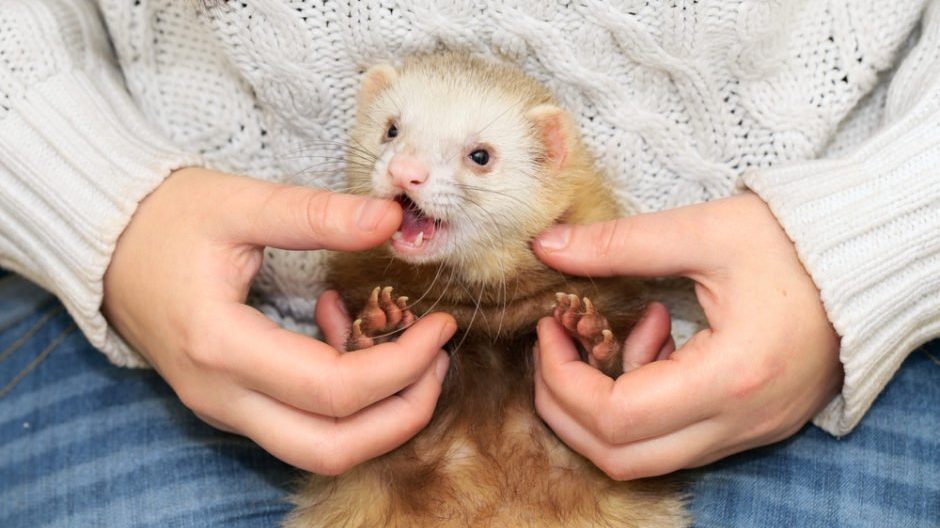
Hold your ferret with both hands. Support their body properly to avoid injury. Here are some steps to follow:
- Place one hand under the ferret’s chest.
- Use the other hand to support their hindquarters.
- Keep them close to your body for security.
Pet your ferret gently. Avoid touching sensitive areas like their head or tail. Use short, gentle strokes along their back. This can help your ferret feel relaxed and safe.
Here are some important tips for holding and petting:
- Always use both hands.
- Support their body well.
- Keep them close to you.
- Pet gently and avoid sensitive spots.
Following these tips can help build trust with your ferret. They will be less likely to bite if they feel secure.
Socializing Your Ferret
Socializing your ferret is crucial to prevent biting. It helps them feel safe and confident in their environment. Proper socialization also ensures they interact well with people and other pets. Let’s explore some key aspects of ferret socialization.
Early Socialization
Start socializing your ferret at a young age. Handle them gently and regularly. This helps them get used to human touch. Use treats to reward calm behavior. Gradually increase the time you spend handling them.
Introduce new sounds and sights slowly. Let them explore different rooms and objects. This reduces fear and curiosity-driven biting. Always supervise their interactions to ensure safety.
Introducing To Other Pets
Introduce your ferret to other pets carefully. Start with short, supervised sessions. Keep the initial interactions positive and calm. Use barriers like baby gates if needed.
Observe both pets’ reactions. Reward good behavior with treats and praise. Gradually increase their time together. Always separate them if any signs of aggression appear. This helps both pets feel secure.
Remember, patience is key. Consistent, gentle socialization can reduce biting and foster a happy, well-adjusted ferret.

Credit: www.themodernferret.com
Training Methods
Training a ferret to stop biting requires patience and consistency. Using effective training methods can help modify their behavior. Training your ferret with positive reinforcement and clicker training can be highly effective. These methods build trust and encourage good behavior. Let’s explore these training methods in detail.
Positive Reinforcement
Positive reinforcement involves rewarding your ferret for good behavior. Give treats or praise when your ferret does not bite. This encourages them to repeat the good behavior. Ferrets respond well to treats like small pieces of meat or ferret-specific snacks. Ensure the treats are healthy and safe for your pet.
Consistency is key. Always reward your ferret immediately after they display good behavior. This helps them understand what actions are rewarded. Over time, your ferret will associate not biting with positive outcomes. Be patient, as it may take some time for the behavior to change.
Clicker Training
Clicker training is a popular method for training pets. It involves using a small device that makes a clicking sound. This sound signals to your ferret that they have done something right. Start by associating the click sound with a treat. Click the device and then give your ferret a treat. Do this several times so your ferret understands the connection.
Once your ferret associates the click with a treat, use the clicker during training. When your ferret does not bite, click the device and give a treat. This reinforces the positive behavior. Clicker training can be very effective for ferrets. It provides clear and immediate feedback for them.
Remember to keep training sessions short. Ferrets have short attention spans. Five to ten minutes per session is ideal. This keeps your ferret engaged and prevents frustration.
Dealing With Aggression
Dealing with aggression in ferrets can be challenging. Ferrets can bite when scared, hurt, or threatened. Understanding why your ferret bites is key. This helps you manage and reduce aggressive behavior. In this section, we will explore the signs of aggression and steps to calm your ferret.
Signs Of Aggression
Aggression in ferrets can show in many ways. Watch for these signs:
- Arched back and puffed tail
- Hissing or growling sounds
- Sharp, quick bites
- Lunging at people or other pets
- Refusing to be held or touched
Recognizing these signs early can prevent serious issues. It helps in addressing the behavior promptly.
Steps To Calm Your Ferret
Calming an aggressive ferret requires patience. Follow these steps:
- Ensure your ferret has a safe and comfortable environment.
- Avoid rough play or handling. This can trigger aggression.
- Use treats to reward calm behavior. Positive reinforcement works well.
- Allow your ferret to approach you. Don’t force interaction.
- Spend time with your ferret daily. Build trust through gentle interaction.
These steps can help reduce biting and build a strong bond. Consistency is key. Always stay patient and kind.
Health Considerations
Ferrets are playful and curious creatures. Their biting behavior can sometimes be linked to health issues. Understanding the health considerations behind a ferret’s biting can help in addressing the behavior effectively. This section will delve into identifying health issues and the importance of consulting a veterinarian.
Identifying Health Issues
Ferrets might bite due to underlying health problems. It’s crucial to observe any changes in their behavior. Look for signs such as:
- Loss of appetite
- Weight loss
- Lethargy
- Excessive scratching
- Swelling or lumps
Pain or discomfort can cause a ferret to bite. If you notice any of these signs, your ferret might be in pain. Ferrets can develop dental issues, which might cause them to bite. Check their teeth and gums for redness or swelling.
Consulting A Veterinarian
Schedule regular check-ups with a veterinarian. A vet can identify and treat health issues early. They can also provide advice on managing your ferret’s biting behavior. If your ferret suddenly starts biting, consult a vet immediately.
The vet might conduct tests to diagnose any underlying health problems. They will check for infections, parasites, or dental issues. Early diagnosis and treatment can prevent serious health problems.
Follow the vet’s recommendations for treatment and care. This might include medication, dietary changes, or other interventions. Keeping your ferret healthy can reduce biting behavior and improve their overall well-being.
Consistency And Patience
Consistency and patience are key to stopping a ferret from biting. Ferrets are curious and energetic creatures. They may bite out of playfulness, fear, or habit. To address this behavior, you need to be consistent in your approach. Patience is also necessary as this process takes time.
Maintaining Routine
Maintaining a routine helps your ferret understand what is expected. Set regular times for feeding, playing, and training. Predictable schedules make your ferret feel secure. This reduces stress and biting behavior.
Use the same commands and techniques during training sessions. Consistency helps your ferret learn faster. Always reward positive behavior with treats or praise. This encourages your ferret to repeat good actions.
Building Trust Over Time
Building trust is essential for reducing biting. Spend quality time with your ferret daily. Handle your ferret gently and avoid sudden movements. This helps your ferret feel safe around you.
Gradually introduce new experiences to your ferret. This builds confidence and reduces fear-based biting. Always respond calmly to biting incidents. Avoid yelling or hitting as this breaks trust.
By being patient and consistent, you can stop your ferret from biting. It takes time and effort, but the results are worth it.

Credit: www.wikihow.com
Frequently Asked Questions
Why Do Ferrets Bite?
Ferrets bite for various reasons, including playfulness, fear, or discomfort. They communicate through biting, especially when young.
How Can I Train My Ferret Not To Bite?
Training involves gentle correction, positive reinforcement, and patience. Use treats and praise when your ferret behaves well.
What Should I Do If My Ferret Bites Me?
Stay calm and avoid sudden reactions. Gently move the ferret away and offer a toy as a distraction.
Are Certain Toys Effective In Preventing Bites?
Yes, chew toys and interactive playthings can help redirect biting behavior. They keep your ferret engaged and entertained.
Conclusion
Stopping a ferret from biting takes patience and consistency. Understand your ferret’s behavior. Use positive reinforcement to encourage good habits. Always handle your ferret gently and with care. Provide plenty of toys and activities to keep them busy. Training may take time, but persistence pays off.
Remember to reward calm behavior. Avoid punishing your ferret, as it can cause stress. With love and effort, your ferret can become a gentle companion. Keep practicing these tips, and you’ll see improvement over time. Happy ferret training!