Syrian Hamster Vs Russian Hamster: The Ultimate Pet Comparison
Syrian Hamsters and Russian Hamsters are both popular pets. They each have unique traits.
Comparing Syrian Hamsters and Russian Hamsters helps you choose the right pet. Syrian Hamsters, also known as Golden Hamsters, are larger and more solitary. They prefer living alone and can grow up to 7 inches long. Russian Hamsters, which include Campbell’s and Winter Whites, are smaller and more social.
They can live in pairs or groups if introduced early. This comparison will highlight their differences in size, behavior, and care needs. By understanding these details, you can make an informed decision about which hamster suits your lifestyle best. Ready to dive in? Let’s explore the unique traits of these adorable pets.
Physical Characteristics
When comparing the physical characteristics of Syrian Hamsters and Russian Hamsters, there are some noticeable differences. Understanding these can help you choose the right pet for your home.
Size Differences
Syrian Hamsters are larger than Russian Hamsters. This size difference can affect their housing needs.
| Hamster Type | Average Length | Average Weight |
|---|---|---|
| Syrian Hamster | 5-7 inches | 120-150 grams |
| Russian Hamster | 3-4 inches | 30-50 grams |
Syrian Hamsters need larger cages due to their size. Russian Hamsters can live in smaller spaces.
Fur And Color Variations
Both types have distinct fur and color variations. This makes them unique.
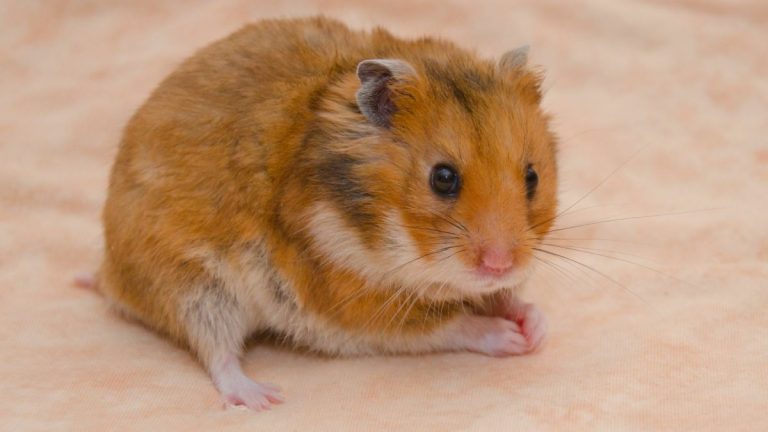
- Syrian Hamsters have long, dense fur. They come in many colors like golden, black, and cream.
- Russian Hamsters have shorter fur. Common colors include grey, white, and brown.
Syrian Hamsters often have a teddy bear look. Russian Hamsters have a more compact, smooth appearance.
Both hamsters’ fur requires regular grooming. This keeps it clean and healthy.
Behavior And Temperament
Understanding the behavior and temperament of Syrian and Russian hamsters is crucial for new pet owners. These small creatures have distinct characteristics that affect their care and interaction. Let’s dive into their activity levels and social interactions.
Activity Levels
Syrian hamsters are known for their high activity levels. They love to explore and need plenty of space to roam. An exercise wheel is essential for their daily activity.
Russian hamsters are also active but tend to have bursts of energy. They enjoy running on wheels but also appreciate tunnels and hideouts. Their activity levels can vary based on their environment.
Social Interactions
Syrian hamsters are solitary animals. They prefer to live alone and can become aggressive if housed with other hamsters. They bond well with their human owners if handled gently.
Russian hamsters are more social compared to Syrians. They can live in pairs or small groups if introduced properly. They are more interactive and enjoy the company of their kind.
| Hamster Type | Activity Levels | Social Interactions |
|---|---|---|
| Syrian Hamster | High, needs space and exercise wheels | Solitary, bonds with humans |
| Russian Hamster | Active with bursts of energy | Can be social, enjoys group living |
Both Syrian and Russian hamsters have unique behaviors and temperaments. Knowing these differences helps in providing the best care for your furry friend.
Habitat Needs
Choosing between a Syrian hamster and a Russian hamster involves understanding their habitat needs. Each species has specific requirements to thrive. Knowing these differences helps create a comfortable home for your pet.
Cage Requirements
Syrian hamsters need a larger cage. They are solitary and need space to roam. A minimum of 24 inches by 12 inches is ideal. This helps prevent stress and boredom.
Russian hamsters are smaller and can live in pairs. A cage size of at least 20 inches by 10 inches is suitable. Ensure plenty of hiding spots and exercise options.
Bedding Preferences
Both types of hamsters need soft, absorbent bedding. Paper-based bedding works well. Avoid cedar or pine shavings. These can harm your pet.
Syrian hamsters like deep bedding for burrowing. Aim for at least 6 inches deep. Russian hamsters also enjoy burrowing. Provide similar bedding depth for their comfort.
Diet And Nutrition
Diet and nutrition are crucial for the well-being of Syrian and Russian hamsters. Both species have different dietary needs and feeding habits. Understanding these differences helps in providing a balanced diet that ensures your hamster stays healthy and active.
Food Types
Syrian hamsters thrive on a mix of seeds, grains, and pellets. They also enjoy fresh fruits and vegetables. Suitable options include apples, carrots, and broccoli. Avoid citrus fruits and garlic, as these can be harmful.
Russian hamsters need a diet rich in seeds and grains. They also benefit from fresh vegetables. Good choices are cucumber, bell peppers, and spinach. Avoid sugary foods and high-fat treats as they are prone to diabetes.
Feeding Schedules
Feed Syrian hamsters once or twice a day. Offer fresh food in the evening when they are most active. Remove any uneaten food to prevent spoilage.
Russian hamsters should be fed twice daily. Morning and evening feeding times work best. This keeps their energy levels stable. Always provide clean, fresh water daily for both species.
Health And Lifespan
When comparing Syrian Hamsters and Russian Hamsters, understanding their health and lifespan is crucial. Both have distinct needs and characteristics. Let’s explore these aspects in detail.
Common Health Issues
Syrian Hamsters often face health problems like diabetes and heart disease. They can also suffer from respiratory infections. Regular vet check-ups help maintain their health.
Russian Hamsters, on the other hand, are prone to obesity. They may develop dental issues too. Keeping their diet in check is important. They can also have skin problems like mites.
Life Expectancy
Syrian Hamsters live around two to three years on average. With proper care, some may live longer. Regular exercise and a balanced diet contribute to their lifespan.
Russian Hamsters have a slightly shorter lifespan. They typically live one and a half to two years. Their smaller size and different genetics influence this. A stress-free environment helps them live longer.
Handling And Care
Handling and caring for hamsters involves understanding their unique needs. Syrian and Russian hamsters have different temperaments and requirements. Proper care ensures their health and happiness. Let’s explore the best practices for handling and caring for each type.
Taming Tips
Taming your hamster is crucial for building trust. Here are some tips:
- Start Slowly: Allow your hamster to get used to your scent.
- Use Treats: Offer treats from your hand to encourage trust.
- Gentle Handling: Always handle your hamster gently to avoid stress.
- Consistent Interaction: Spend a few minutes daily with your hamster.
Daily Maintenance
Daily maintenance is essential for your hamster’s well-being. Follow these steps:
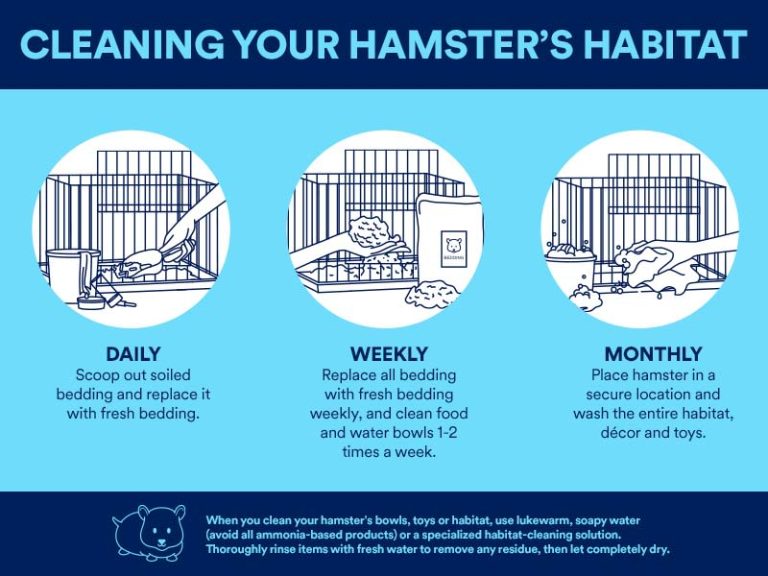
- Clean the Cage: Remove any uneaten food and soiled bedding.
- Check Water Bottle: Ensure fresh water is available at all times.
- Provide Fresh Food: Offer a mix of hamster pellets, fruits, and vegetables.
- Exercise Wheel: Ensure the exercise wheel is functioning properly.
Proper handling and care can make a significant difference. These tips help ensure your Syrian or Russian hamster stays healthy and happy.
Cost And Availability
Choosing between a Syrian Hamster and a Russian Hamster involves various factors. One key aspect is Cost and Availability. This section explores the initial costs and ongoing expenses, helping you make an informed decision.
Initial Costs
The initial cost of a hamster includes the price of the hamster, its cage, and accessories. Syrian Hamsters typically cost between $10 to $20. Russian Hamsters cost around $10 to $15. The cage cost depends on the size and type.
A basic cage for a Syrian Hamster can cost between $30 to $70. Cages for Russian Hamsters are usually smaller and can cost between $20 to $50. You also need to buy accessories like a water bottle, food bowl, and exercise wheel. These can add an additional $20 to $40.
| Item | Syrian Hamster | Russian Hamster |
|---|---|---|
| Hamster Cost | $10 – $20 | $10 – $15 |
| Cage Cost | $30 – $70 | $20 – $50 |
| Accessories | $20 – $40 | $20 – $40 |
Ongoing Expenses
Ongoing expenses include food, bedding, and occasional vet visits. Both types of hamsters eat a similar diet, costing around $5 to $10 per month. Bedding costs about $5 to $15 monthly, depending on the type and brand.
Vet visits are not frequent but can be expensive. A routine check-up can cost around $30 to $60. Emergency visits are more costly, ranging from $50 to $100 or more. It’s wise to set aside some money for unexpected medical needs.
- Food: $5 – $10 per month
- Bedding: $5 – $15 per month
- Vet Visits: $30 – $60 per visit
In summary, the cost and availability of Syrian and Russian Hamsters are relatively similar. The choice depends on your preference and budget.

Credit: pangovet.com

Credit: www.youtube.com
Frequently Asked Questions
What Are The Main Differences Between Syrian And Russian Hamsters?
Syrian hamsters are larger and more solitary. Russian hamsters are smaller and can live in pairs.
Can Syrian And Russian Hamsters Live Together?
No, Syrian hamsters are solitary and territorial. Russian hamsters can live in pairs but need careful introduction.
Which Hamster Is Easier To Tame?
Syrian hamsters are generally easier to tame. They are larger and more tolerant of handling.
How Long Do Syrian And Russian Hamsters Live?
Syrian hamsters live 2-3 years on average. Russian hamsters have a similar lifespan of 1. 5-3 years.
Conclusion
Choosing between a Syrian hamster and a Russian hamster can be tough. Both have unique traits and care needs. Syrians are larger and live alone. Russians are smaller and enjoy company. Consider space, time, and interaction level. Think about their personalities and your lifestyle.
Both can make wonderful pets with proper care. Happy hamster choosing!