Do Gerbils Bite? Understanding Their Behavior and Safety
Do gerbils bite? Yes, they can.
But it’s not common. Gerbils are generally friendly and social pets. Gerbils make great pets due to their curious and playful nature. Many potential owners worry about getting bitten. While it’s possible, gerbils usually bite only when scared or threatened.
Understanding their behavior helps in reducing this risk. Learning how to handle them properly can prevent bites. In this blog, we’ll dive into why gerbils might bite, how to handle them safely, and ways to build trust with your furry friend. By the end, you’ll feel more confident about owning and caring for a gerbil. Let’s explore this topic in more detail.

Credit: www.youtube.com
Gerbil Behavior Basics
Understanding gerbil behavior is essential for pet owners. Gerbils are small, social animals with unique instincts and habits. Knowing their behavior can help you bond with them and ensure their well-being. Let’s dive into the basics of gerbil behavior.
Natural Instincts
Gerbils are prey animals in the wild. They rely on their instincts to survive. Quick movements and loud noises can scare them. They may bite if they feel threatened. Biting is a defense mechanism. It’s not a sign of aggression. They use their teeth for many tasks. Chewing helps keep their teeth healthy. Digging is another instinct. Gerbils create burrows to feel safe. Provide materials for them to dig and chew. This helps satisfy their natural needs.
Social Structure
Gerbils are social creatures. They thrive in pairs or small groups. Loneliness can cause stress and health issues. They communicate through body language and sounds. Grooming each other is a common behavior. It strengthens their bond. They have a hierarchy in their groups. Dominant gerbils lead while others follow. Introduce new gerbils carefully. Sudden changes can cause fights.

Credit: www.youtube.com
Common Reasons For Biting
Gerbils are generally friendly pets. Yet, they might bite sometimes. Understanding the reasons for biting helps prevent it. Below are some common reasons why gerbils bite.
Fear And Stress
Gerbils may bite if they feel fear or stress. This is their natural defense mechanism. Sudden movements or loud noises can scare them. If you approach them too quickly, they might bite. Handling them gently and speaking softly can reduce this fear.
Stress can also make gerbils bite. New environments or changes in their habitat can be stressful. Ensure their cage is in a quiet area. Providing hiding spots can help them feel secure. A consistent routine can also reduce stress levels.
Territoriality
Gerbils are territorial creatures. They might bite to protect their space. Introducing new gerbils can cause territorial disputes. Always introduce new gerbils slowly and carefully. Separate cages at first can help. Gradual introductions reduce the risk of biting.
Even with familiar gerbils, territorial behavior can occur. This is more common in males. Ensure each gerbil has enough space. Providing multiple hiding spots and toys can reduce territorial aggression.
Recognizing Warning Signs
Gerbils are generally friendly pets. But sometimes, they might bite. Recognizing warning signs can help prevent bites. Learn to read their body language and vocalizations to stay safe.
Body Language
Gerbils communicate a lot through their body language. Observing their movements can help you understand their mood.
- Raised Fur: A gerbil with raised fur might be scared or angry.
- Thumping: Rapid thumping of their hind legs means they feel threatened.
- Freezing: If a gerbil freezes, it could be nervous or frightened.
Always approach a gerbil calmly. Sudden movements can scare them. Gentle handling reduces stress and prevents bites.
Vocalizations
Gerbils use sounds to express their feelings. Recognizing these sounds can help you avoid bites.
| Sound | Meaning |
|---|---|
| Chirping | Usually means contentment or calling to other gerbils. |
| Whistling | Can indicate excitement or distress. |
| Squeaking | Often a sign of fear or discomfort. |
Listening to these sounds can help you understand your gerbil’s needs. Provide a safe environment to keep them happy and healthy.

Credit: www.rodentzone.com
Preventing Bites
Preventing bites from gerbils is crucial for a positive experience. Gerbils rarely bite, but prevention is key. Understanding their behavior helps in avoiding bites. Let’s dive into effective methods.
Proper Handling
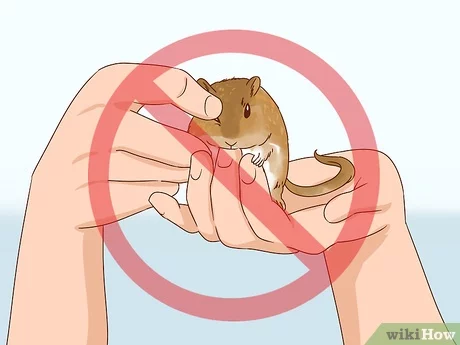
Handle gerbils gently to prevent bites. Use both hands to support their body. Avoid sudden movements that can startle them. Let them sniff your hand before picking them up. This builds trust and reduces fear. Never grab a gerbil from above. They associate this with predators.
Creating A Safe Environment
A safe environment reduces stress and biting. Provide a spacious cage with hiding spots. Ensure the cage is clean and free from hazards. A stressed gerbil is more likely to bite. Give them toys and activities to keep them busy. Happy gerbils are less prone to biting.
Building Trust With Your Gerbil
Building trust with your gerbil is essential. It helps prevent biting and ensures a loving bond. Gerbils are naturally skittish and need time to feel safe. Establishing trust takes patience and consistency.
Positive Reinforcement
Use positive reinforcement to encourage good behavior. Give treats when your gerbil interacts calmly. Reward them for gentle touches and not biting. Food is a powerful motivator for gerbils.
Always use small, healthy treats. This helps maintain their health while building trust. Over time, your gerbil will associate you with positive experiences.
Consistent Interaction
Consistency is key in building trust. Spend time with your gerbil every day. Start with short, gentle sessions. Gradually increase the time as your gerbil becomes more comfortable.
Speak softly to your gerbil. This helps them get used to your voice. Avoid sudden movements or loud noises. These can frighten them and set back your progress.
Handle your gerbil gently and regularly. This helps them become familiar with your touch. Consistent, gentle interaction fosters a trusting relationship.
What To Do If Bitten
Gerbils are small, friendly pets, but they can bite if scared or stressed. Understanding what to do if bitten by a gerbil is crucial to avoid infection or other complications. Here’s a detailed guide on the immediate actions and wound care steps you should follow if a gerbil bites you.
Immediate Actions
If a gerbil bites you, stay calm. Panic can make the situation worse. Follow these steps:
- Remove your hand from the cage slowly.
- Avoid sudden movements to prevent further stress to the gerbil.
- Check the bite area for any bleeding.
If the bite is bleeding, apply gentle pressure with a clean cloth to stop the bleeding. If it is not bleeding, rinse the area with water immediately.
Wound Care
Proper wound care is essential to prevent infection. Follow these steps:
- Clean the wound with soap and warm water. Do this gently.
- Apply an antiseptic to disinfect the area. Use products like hydrogen peroxide or alcohol.
- Cover the wound with a clean bandage to protect it from dirt and bacteria.
If the wound shows signs of infection, like redness, swelling, or pus, consult a doctor immediately. Keeping the wound clean and dry helps in faster healing.
Teaching Children Safe Practices
Teaching children how to interact safely with gerbils is essential. It helps prevent bites and ensures the pets are happy. Supervision and education are key. Here are some steps to ensure a safe and enjoyable experience for both children and gerbils.
Supervised Interaction
Always supervise children when they are with gerbils. This can prevent accidents. Adults can guide children on the right way to handle these small pets. Watching their interactions helps you correct any mistakes immediately.
Set up a safe area for interactions. A table or a soft surface works well. Avoid places where the gerbil can fall or get hurt. Keeping the environment controlled helps minimize risks.
Educating On Gentle Handling
Teach children to be gentle. Gerbils are small and delicate. Explain the importance of soft touches. Encourage children to use one hand to support the gerbil’s body. The other hand can be used to pet it softly.
Show children how to pick up gerbils correctly. Use both hands to lift them slowly. Avoid sudden movements, as this can scare the gerbil. A scared gerbil is more likely to bite.
Discuss the signs of a stressed gerbil. If it squeaks, tries to run, or nips, it needs a break. Teach children to recognize and respect these signs.
Choosing The Right Gerbil
Choosing the right gerbil is crucial for a happy pet experience. Not all gerbils are the same. Some are friendly, while others may be shy or nippy. Understanding their temperament and where to get them is key. Below, we will discuss the key points to keep in mind.
Assessing Temperament
Temperament is very important when selecting a gerbil. You want a pet that is friendly and easy to handle. Here are some tips to assess a gerbil’s temperament:
- Observe the gerbil’s behavior in its cage.
- Look for active, curious, and social gerbils.
- Avoid gerbils that seem aggressive or overly shy.
- Handle the gerbil gently to see how it reacts.
Friendly gerbils will be curious and may climb onto your hand. Shy or nervous gerbils might bite out of fear. Spend some time with the gerbil before making a decision.
Breeder Vs. Pet Store
Where you get your gerbil matters. Both breeders and pet stores have pros and cons. Here’s a comparison to help you decide:
| Breeder | Pet Store |
|---|---|
| More knowledge about gerbil care | Convenient and accessible |
| Healthier and better socialized gerbils | Often less expensive |
| Can provide detailed lineage and history | May have limited information on gerbil’s background |
| Potentially longer wait time for availability | Immediate availability |
Decide what is more important to you. Knowledge and health, or convenience and cost. Either way, ensure the gerbil is healthy and well taken care of.
Frequently Asked Questions
Do Gerbils Bite Humans?
Gerbils rarely bite humans. They are generally friendly and social pets. However, they may bite if scared or stressed.
How To Prevent Gerbil Bites?
To prevent gerbil bites, handle them gently and regularly. Ensure they feel safe and comfortable in their environment.
What To Do If A Gerbil Bites?
If a gerbil bites, clean the wound with soap and water. Apply an antiseptic and monitor for signs of infection.
Why Do Gerbils Bite Their Cage?
Gerbils may bite their cage due to boredom, stress, or dental issues. Provide toys and a stimulating environment.
Conclusion
Gerbils rarely bite if treated gently. Handle them with care and patience. Understand their behavior to prevent bites. They are usually friendly pets. Providing a safe, calm environment helps. Bites may happen, but they are not common. Proper handling reduces risks.
Love and care create a bond. Enjoy your time with your gerbil friend!