Are Gerbils Friendly? Discover Their Social Nature
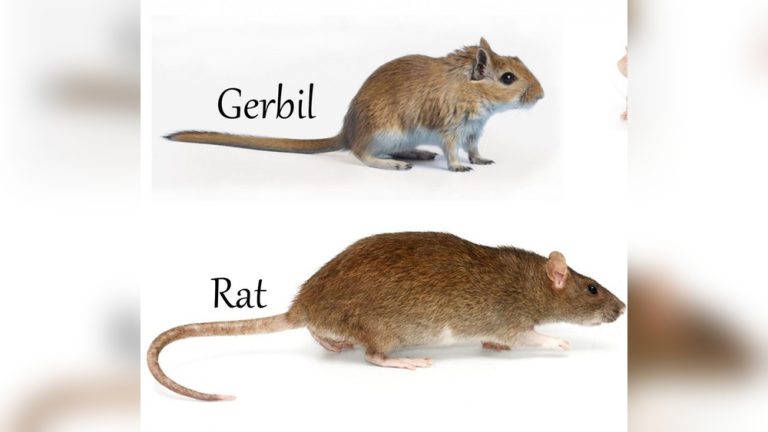
Are gerbils friendly? The short answer is yes.
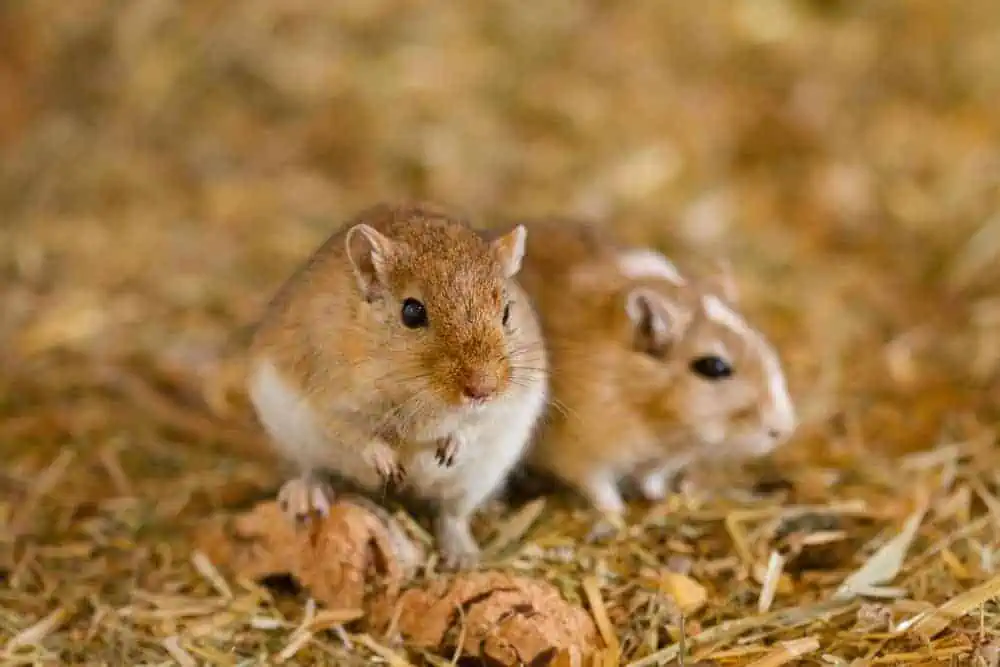
Gerbils are generally friendly, social animals. They enjoy interacting with humans and other gerbils. Gerbils make great pets for both kids and adults. Their playful nature and curious behavior can bring joy to any household. Gerbils are small, easy to care for, and can form strong bonds with their owners.
They can be trained to recognize and respond to their names, and they often enjoy being held and petted. With proper handling and care, gerbils can become very affectionate. Their friendly and active personalities make them a favorite choice for many pet owners. If you are thinking about getting a gerbil, understanding their social nature is key. This guide will help you learn more about their friendliness and how to nurture a happy gerbil pet.
Credit: www.burgesspetcare.com
Introduction To Gerbils
Gerbils are small, adorable rodents that make wonderful pets. Many people find their playful nature and curious personalities irresistible. They are easy to care for and can bring a lot of joy to any household.
Gerbils As Pets
Gerbils are social animals that thrive on interaction. They love to play and explore their surroundings. This makes them fun to watch and interact with. They enjoy digging, burrowing, and running on their wheels. Gerbils also have a unique way of communicating with each other through squeaks and body language. With gentle handling, they can become very tame and friendly.
Natural Habitat
In the wild, gerbils live in dry, desert-like environments. They are native to regions like Mongolia and northern China. These areas have harsh climates with extreme temperatures. Gerbils have adapted to these conditions by burrowing underground to stay cool during the day. Their natural habitat is sandy and rocky, which helps them stay active and healthy. Providing a similar environment in captivity can help keep your gerbil happy and healthy.

Credit: www.animalhumanesociety.org
Gerbil Behavior
Gerbils are small, social rodents known for their friendly nature. Understanding their behavior can help you better care for them. In this section, we’ll explore their daily activities and how they interact with humans.
Daily Activities
Gerbils are active creatures. They love to dig and burrow. Their natural instinct is to create tunnels and nests. Providing a suitable environment is key. Use bedding material that allows them to express this behavior.
Gerbils are also very playful. They enjoy running on wheels and exploring their habitat. Interactive toys can keep them entertained. Rotate toys to keep their environment stimulating.
These rodents are most active during dawn and dusk. They have bursts of energy. During these times, you’ll see them running and playing the most. Ensure they have a safe space to exhibit these behaviors.
Interaction With Humans
Gerbils can form bonds with humans. They recognize their owners and enjoy interaction. Regular, gentle handling helps build trust. Start by placing your hand in their habitat. Let them come to you.
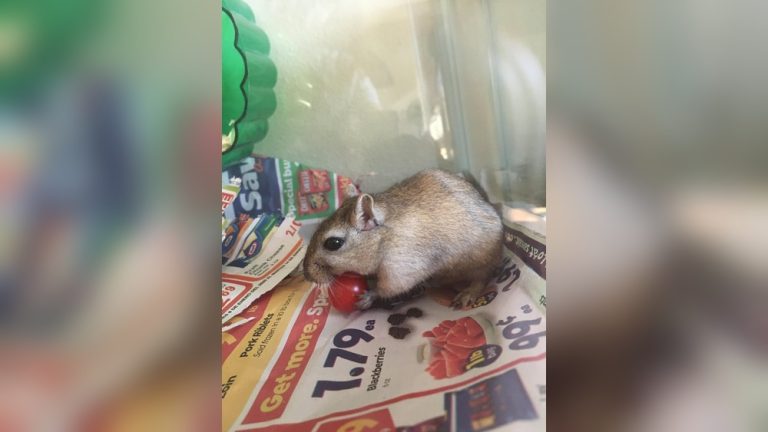
Use treats to encourage positive interactions. Offer small pieces of fruit or seeds. This makes them more comfortable with your presence. Over time, they will associate you with positive experiences.
Be patient. Gerbils may be wary at first. Gradual, consistent interaction is key. They will become more friendly and trusting over time. Always handle them with care to avoid stress or injury.
| Behavior | Description |
|---|---|
| Digging | Creating tunnels and nests |
| Playing | Running on wheels, exploring, and interacting with toys |
| Bonding | Forming relationships with humans through gentle handling and treats |
Understanding these behaviors can enhance your relationship with your gerbil. Providing a stimulating environment and positive interactions will ensure they are happy and healthy.
Social Structure
Gerbils are social creatures that thrive in groups. Understanding their social structure helps in creating a happy environment for them. Let’s explore their group dynamics and dominance hierarchies.
Group Dynamics
Gerbils live in colonies in the wild. They prefer to have company. In captivity, keeping them in pairs or small groups is best. They groom each other and play together. This social interaction keeps them healthy and happy.
Dominance And Hierarchies
Within a group, gerbils establish a hierarchy. This hierarchy helps maintain order. Dominant gerbils lead the group. They get the first choice of food and nesting spots. Subordinate gerbils follow their lead. This structure reduces conflicts and promotes harmony.
Communication Methods
Gerbils are known for their friendly nature. They enjoy social interaction and can form strong bonds with their owners. These small pets thrive on gentle handling and regular playtime.
Gerbils are fascinating creatures with unique ways of communicating. Understanding their methods can help you bond better with them. Gerbils use both sounds and movements to express themselves. Let’s explore how they talk to each other and to you.Vocalizations
Gerbils make various sounds. Each sound has a different meaning. Chirping is one common sound. It usually means they are excited or happy. You may hear them chirp while playing. Another sound is purring. Gerbils purr when they feel content. It’s a sign of comfort. Squeaking is another vocalization. It can mean different things. Sometimes they squeak when scared. Other times, they squeak during a fight. Pay attention to the context to understand the meaning.Body Language
Gerbils also use their bodies to communicate. Their posture and movements can tell you a lot. When a gerbil stands tall on its hind legs, it is on alert. It is checking its surroundings for danger. If a gerbil thumps its hind legs, it is warning others. This is a signal of alarm. A relaxed gerbil will have a calm posture. Its body will be low to the ground. It may even stretch out. This means the gerbil feels safe. Grooming is another important behavior. Gerbils groom each other to show affection. It’s a way to strengthen their bond. By understanding these communication methods, you can better interact with your gerbil. Listen to their sounds. Watch their movements. These clues will help you understand their needs and feelings. “`Bonding With Gerbils
Bonding with gerbils can be a rewarding experience. These small, furry creatures are naturally curious and social. With patience and care, you can build a strong bond with your gerbil. This bond will help your pet feel safe and happy.
Building Trust
Trust is the foundation of any relationship, including with gerbils. Start by spending time near their cage. Let them get used to your presence. Speak softly to them. This helps them recognize your voice. Offer treats through the bars of the cage. This shows them you are a friend.
Move slowly around your gerbil. Quick movements can scare them. Avoid loud noises. Your calm presence will help build trust. Over time, your gerbil will feel more comfortable.
Handling Techniques
Once trust is established, you can start handling your gerbil. Begin by placing your hand in the cage. Let your gerbil come to you. Do not force them. Let them sniff and explore your hand. This helps them get used to your scent.
Gently scoop your gerbil up with both hands. Support their body. Hold them close to the ground at first. This prevents injury if they jump. Gradually increase the height as they become more comfortable.
Handle your gerbil regularly. This helps maintain the bond. Always be gentle and calm. Your gerbil will soon look forward to spending time with you.
Gerbil Playtime
Gerbil playtime is a delightful experience for both gerbils and their owners. These energetic little creatures love to explore, dig, and interact with their environment. Understanding how to engage your gerbil during playtime helps build a strong bond and ensures they stay happy and healthy. Let’s dive into the essentials of gerbil playtime and see what makes these tiny pets so lively and entertaining.
Toys And Enrichment
Providing the right toys and enrichment items is crucial for your gerbil’s well-being. Gerbils need mental stimulation and physical exercise to stay healthy.
- Chew toys: Gerbils’ teeth grow continuously. Chew toys help keep their teeth trimmed.
- Exercise wheels: These provide an excellent way for gerbils to burn off energy.
- Tunnels and tubes: Mimic their natural burrowing habits. Gerbils love to explore these.
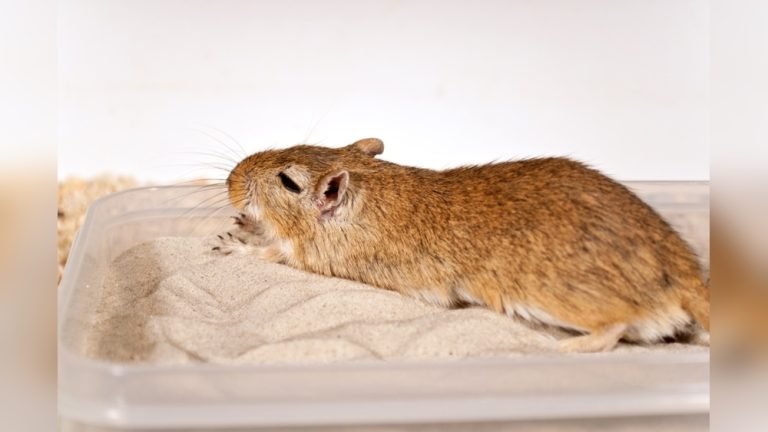
- Sand baths: Essential for keeping their fur clean and shiny.
Rotate the toys regularly to keep your gerbil interested. An enriched environment ensures your pet stays active and engaged.
Playful Behaviors
Understanding gerbil playful behaviors helps you identify when your pet is happy and healthy. Here are some common behaviors:
- Digging: Gerbils love to dig. Provide deep bedding for this activity.
- Running: They enjoy running on wheels and around their habitat.
- Climbing: Gerbils are natural climbers. Add climbing structures to their environment.
- Chewing: They chew on wood, cardboard, and other materials. Ensure safe items are available.
Recognizing these behaviors allows you to create a more enriching playtime experience.
Observing your gerbil’s playtime can be rewarding. Their joy and energy are contagious, making them excellent companions.
Common Misconceptions
Gerbils are often misunderstood pets. Many people have misconceptions about their behavior and personality. These misunderstandings can lead to unfair judgments about these small creatures. Below, we will address some of the most common myths about gerbils.
Aggression Myths
Some people believe that gerbils are naturally aggressive animals. This myth arises from a lack of understanding. Gerbils are actually quite gentle and social. They prefer to avoid conflict.
Here are some key points to consider:
- Gerbils bite only when scared or threatened.
- They are more likely to flee than fight.
- Proper handling reduces the risk of aggression.
By understanding their needs, you can ensure a peaceful relationship with your gerbil.
Solitary Behavior
Another common misconception is that gerbils are solitary creatures. This is far from the truth. Gerbils are social animals and thrive in pairs or groups.
Here’s why:
- Gerbils groom each other, which helps them bond.
- They play together, which reduces boredom.
- Living alone can lead to stress and health issues.
A pair of gerbils will be happier and healthier than a single gerbil. Ensure they have a companion to share their life with.
Creating A Friendly Environment
Creating a friendly environment for gerbils is essential for their well-being. These small creatures are social and thrive with proper care. A well-thought-out setup and socialization can make them feel at home. Let’s explore how to make your gerbils happy and friendly.
Ideal Cage Setup
A suitable cage setup is crucial for your gerbil’s happiness. Start with a spacious cage. Minimum size: 20 gallons for two gerbils. This allows enough room for movement and play. Ensure the cage has a secure lid. Gerbils are escape artists.
| Item | Details |
|---|---|
| Bedding | Use paper-based or aspen bedding. Avoid cedar or pine. |
| Hiding Spots | Provide tunnels and small houses. |
| Chew Toys | Include wooden toys and cardboard tubes. |
| Food and Water | Use a bottle for water and a small dish for food. |
Changing the bedding weekly keeps the cage clean and fresh. Exercise wheels and climbing structures add fun. This setup ensures your gerbils are active and engaged.
Socialization Tips
Socializing your gerbils helps them become friendly. Start with daily interaction. Spend at least 15 minutes a day with them. Use gentle handling.
- Hand-feeding: Offer treats from your hand.
- Talking softly: Speak to them in a calm voice.
- Handling: Gently scoop them with both hands.
Introduce new gerbils slowly. Use a split cage method. Let them see and smell each other first. Gradually increase their interaction time. This prevents fights and builds bonds.
Playtime outside the cage is also important. Use a secure playpen. This allows them to explore safely. Supervision is key during this time.
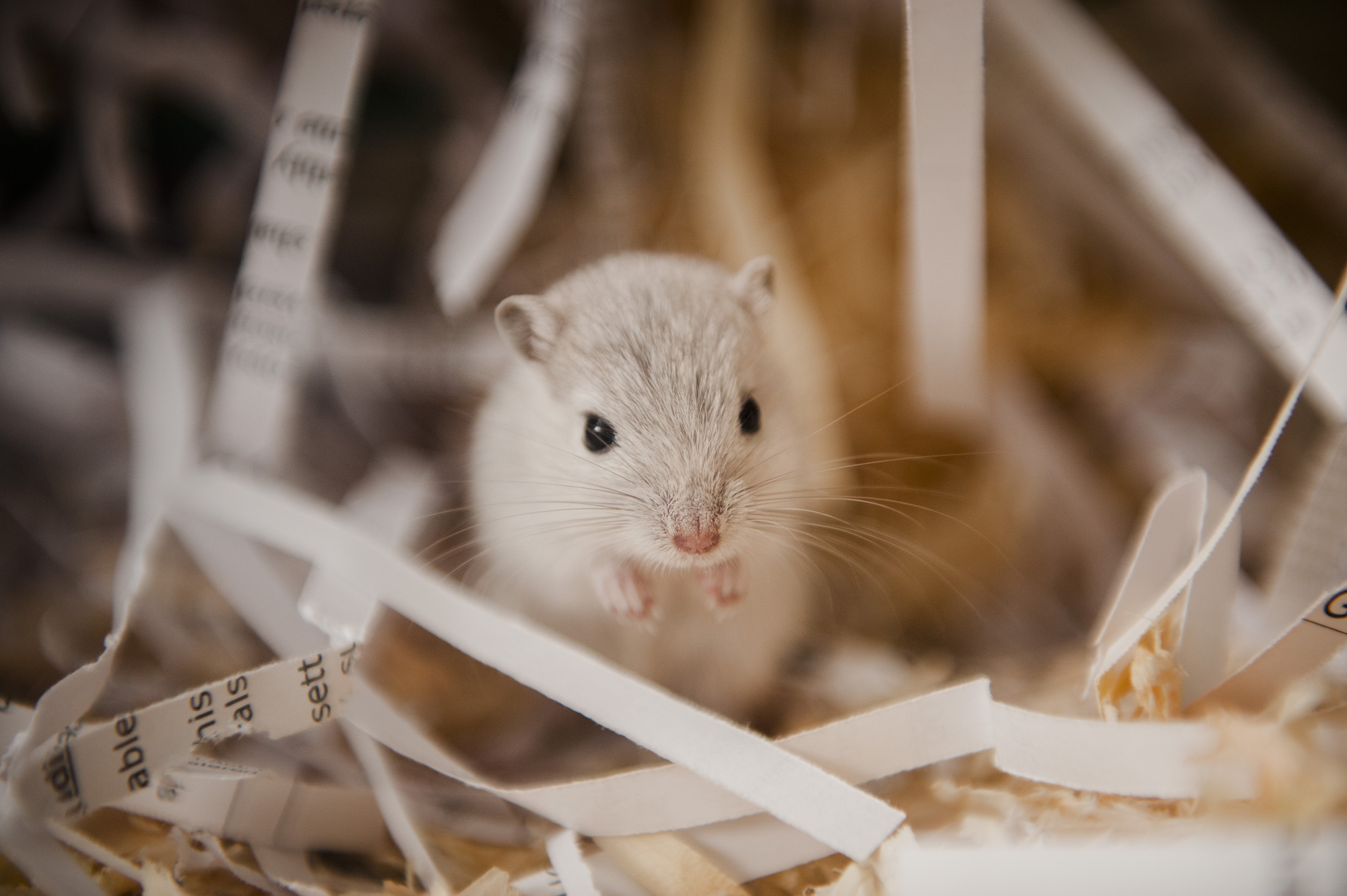
These tips help build trust and friendship with your gerbils. They become more responsive and enjoy your company.
Credit: www.bluecross.org.uk
Frequently Asked Questions
Are Gerbils Good Pets For Kids?
Yes, gerbils are great pets for kids. They are small, friendly, and easy to care for. Gerbils also enjoy being handled and are less likely to bite compared to other small pets.
Do Gerbils Enjoy Human Interaction?
Gerbils do enjoy human interaction. They are social animals and can bond with their owners. Regular handling and playtime help in building trust and friendliness.
Can Gerbils Live Alone?
Gerbils should not live alone. They are social creatures and thrive in pairs or small groups. A single gerbil may become lonely and stressed.
How To Make Gerbils Friendly?
To make gerbils friendly, handle them gently and regularly. Offer treats and create a safe environment. Patience and consistency are key to building their trust.
Conclusion
Gerbils make great pets for families. They are social and love interaction. Their playful nature brings joy to many homes. These tiny creatures are easy to care for. With the right approach, they can become friendly companions. Building trust with them is key.
Spend time daily to bond. Their small size makes them perfect for small spaces. Gerbils are a delightful addition to your family. Enjoy the happiness they bring.