Can Ferrets Have Milk: Myths, Facts, and Expert Advice
Ferrets should not drink milk. Their digestive systems are not designed for it.
Giving ferrets milk can lead to stomach problems and other health issues. Ferrets are curious and playful pets, often leading their owners to wonder about their diet. While it might seem harmless to offer them a sip of milk, it’s important to understand the dietary needs of ferrets.
These small carnivores have a specific digestive system that cannot handle lactose, found in milk. This can cause diarrhea and other digestive problems. In this post, we’ll explore why milk is not suitable for ferrets and provide alternatives to ensure they stay healthy and happy. Understanding your pet’s needs is crucial for their wellbeing. Let’s dive into the reasons behind this dietary restriction.
Credit: www.reddit.com
Ferrets And Dairy Products
Many pet owners wonder if their ferrets can consume dairy products like milk. Understanding the relationship between ferrets and dairy is essential for their health. Let’s delve into some common beliefs and the ferret’s digestive system to get a clearer picture.
Common Beliefs
There are many beliefs about feeding milk to ferrets. Some think milk is a good treat for ferrets. Others believe it can harm them. These different opinions can confuse pet owners.
| Belief | Truth |
|---|---|
| Milk is a good treat for ferrets. | Not true. Milk can cause digestive problems. |
| Ferrets love milk. | Ferrets might like the taste, but it’s not safe. |
| Milk is good for ferret growth. | False. Ferrets need specific nutrients not found in milk. |
Ferrets’ Digestive System
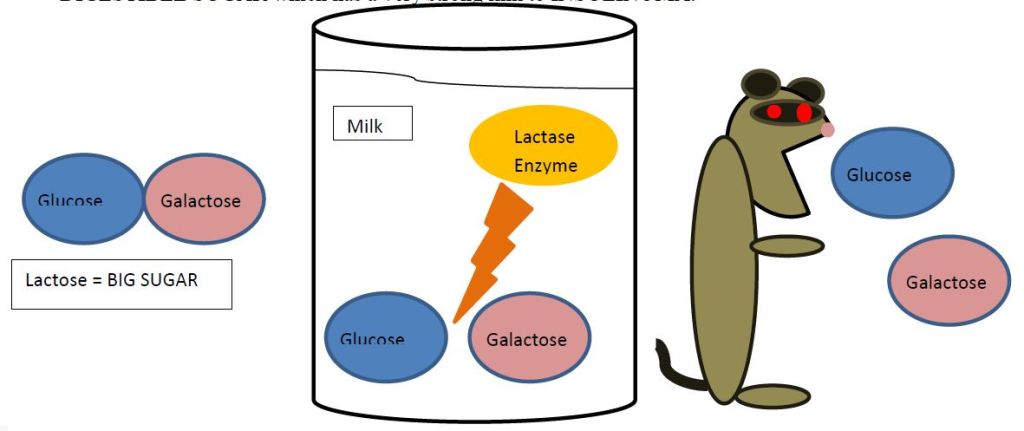
The ferret’s digestive system is unique. They are strict carnivores. Their diet should be meat-based. Their bodies do not produce enough lactase. Lactase is the enzyme needed to digest lactose found in milk.
- Ferrets lack lactase.
- This makes it hard to digest dairy.
- Consuming dairy can lead to diarrhea and upset stomach.
Besides, ferrets need a high-protein diet. Dairy does not provide the required protein levels. Instead, it can cause more harm than good.
It is best to avoid giving ferrets any dairy products. Stick to a diet that meets their nutritional needs. This ensures they remain healthy and active.
Nutritional Needs Of Ferrets
Ferrets are small, energetic animals. They require a balanced diet to stay healthy. Understanding their nutritional needs is essential for their well-being. Let’s delve into what makes up their diet.
Essential Nutrients
Ferrets need a high-protein and high-fat diet. Their bodies are designed to digest meat. They get energy and nutrients from animal proteins and fats. Here are some essential nutrients:
- Protein: Essential for muscle growth and repair.
- Fat: Provides energy and keeps their coats shiny.
- Vitamins: Especially vitamins A, D, and E.
- Minerals: Such as calcium and phosphorous for strong bones.
Dietary Restrictions
Ferrets have specific dietary restrictions. They cannot digest certain foods. Here’s what to avoid:
| Food | Reason |
|---|---|
| Milk | Causes digestive issues; ferrets are lactose intolerant. |
| Fruits | Too much sugar; leads to health problems. |
| Vegetables | Hard to digest; not nutritionally beneficial. |
| Grains | Ferrets cannot process grains; they need animal proteins. |
By understanding these dietary restrictions, you can ensure your ferret stays healthy and happy.
Potential Risks Of Milk For Ferrets
Ferrets are curious creatures with unique dietary needs. While some foods are safe, others can pose significant health risks. One such controversial item is milk. Below, we explore the potential risks of milk for ferrets.
Lactose Intolerance
Ferrets are naturally lactose intolerant. Their bodies lack the enzyme needed to digest lactose. This can lead to digestive issues.
- Diarrhea
- Bloating
- Stomach cramps
Lactose intolerance in ferrets can cause severe discomfort. Signs include loose stools, gas, and lethargy.
Health Complications
Feeding milk to ferrets can result in several health complications. These issues can affect their overall well-being.
| Health Issue | Details |
|---|---|
| Dehydration | Frequent diarrhea can lead to dehydration. |
| Malnutrition | Inability to digest milk can affect nutrient absorption. |
| Weight Loss | Digestive discomfort can reduce appetite. |
Health complications from milk can be life-threatening. Always consult a vet before introducing new foods.
Signs Of Milk Allergies
Ferrets can be curious creatures, and their diet can impact their health. Milk allergies in ferrets are a concern. It’s important to recognize the signs. Knowing what to look for can help you act quickly and keep your pet safe.
Symptoms To Watch For
Ferrets with milk allergies may show various symptoms. Diarrhea is common. Watch for loose stools or frequent bathroom trips. Vomiting may also occur. Your ferret might throw up shortly after drinking milk.
Skin issues can arise. Look for rashes or red, itchy patches. Hair loss is another sign. Your ferret may scratch more than usual. Pay attention to any changes in their fur.
Respiratory problems can happen too. Sneezing and coughing are indicators. Breathing difficulties are serious. If your ferret struggles to breathe, act fast.
When To See A Vet
Some symptoms need a vet’s attention. Persistent diarrhea or vomiting requires professional help. These can lead to dehydration. Skin issues that don’t improve also need a vet’s care. Allergies can cause infections.
If your ferret has breathing problems, contact your vet immediately. Difficulty breathing is a medical emergency. Early intervention can save your pet’s life.
Regular check-ups can help catch allergies early. Your vet can provide advice on managing your ferret’s diet. They may suggest alternatives to milk. Keeping your pet healthy is the goal.
Alternatives To Milk
Ferrets should avoid milk. Their bodies can’t process lactose well. This can lead to digestive issues. So, what can you give them instead? There are many safe and healthy alternatives to milk for ferrets. Let’s explore some options below.
Ferret-safe Foods
Ferrets need a diet high in protein and fat. They are obligate carnivores. This means their diet should mainly consist of meat. Chicken, turkey, and rabbit are good choices. These meats provide essential nutrients. You can offer raw or cooked meat. Just avoid seasoning or sauces.
Commercial ferret food can also be a good option. Choose high-quality brands with real meat as the first ingredient. Avoid foods with grains and fillers. These can cause health issues.
Hydration Options
Fresh water is essential for ferrets. Always provide clean, fresh water. Use a water bottle or a heavy bowl. Change the water daily.
You can also offer meat-based broths. Choose low-sodium or no-sodium broths. This adds variety and extra hydration.
Avoid sugary drinks and dairy products. These can harm your ferret’s health. Stick to water and safe broths for the best hydration.
Credit: exoticdirect.co.uk
Expert Opinions On Milk
Ferrets are curious pets with specific dietary needs. Many ferret owners wonder if milk is safe for their furry friends. To provide a clear answer, let’s explore what experts say about feeding milk to ferrets.
Veterinarian Insights
Veterinarians generally advise against giving milk to ferrets. Ferrets are lactose intolerant. This means their bodies cannot digest lactose, a sugar found in milk. Consuming milk can lead to digestive problems.
Common issues include:
- Diarrhea
- Stomach cramps
- Gas and bloating
Veterinarians recommend providing lactose-free alternatives. Water remains the best drink for ferrets. Always consult a veterinarian before introducing new foods.
Nutritionist Advice
Nutritionists focus on the dietary needs of animals. They emphasize that ferrets require a high-protein diet. Their digestive systems are not designed for dairy products.
Instead of milk, nutritionists suggest foods rich in:
- Animal proteins
- Fats
These nutrients support a ferret’s health and energy levels. Ferrets thrive on a diet similar to what they would eat in the wild. This includes raw meats and specially formulated ferret food.
| Food | Nutritional Benefit |
|---|---|
| Chicken | High in protein |
| Fish | Rich in Omega-3 fatty acids |
| Liver | High in vitamins and minerals |
Milk does not fit into this dietary plan. It lacks the essential nutrients ferrets need. Stick to foods that are safe and nutritious for your pet.
Common Myths Debunked
Many ferret owners wonder if milk is safe for their pets. There are several myths about ferrets and their diet. Let’s clear up some of these misconceptions. We’ll also share the facts about what ferrets should eat.
Misconceptions About Ferrets
One common myth is that ferrets can drink milk like cats. This is not true. Ferrets are lactose intolerant. Milk can cause stomach problems for them. Another myth is that ferrets can eat human food. This is also false. Human food can harm ferrets.
Truths About Ferret Diets
Ferrets need a high-protein diet. They are carnivores. This means they must eat meat. Good ferret food has meat as the main ingredient. Avoid feeding ferrets fruits, vegetables, and dairy products. These foods can upset their stomachs. Water is the best drink for ferrets. It keeps them hydrated without causing harm.
Caring For A Healthy Ferret
Ensuring your ferret stays healthy requires attention to their diet and regular health checkups. It’s crucial to know what foods are safe and what to avoid. Let’s discuss key aspects of keeping your ferret in top shape.
Balanced Diet Tips
A balanced diet is essential for your ferret’s health. Ferrets are obligate carnivores. They need a high-protein diet derived from animal sources. Avoid feeding them dairy products, including milk.
- High-Protein Foods: Ferrets thrive on meats like chicken, turkey, and lamb.
- Dry Kibble: Choose kibble specifically formulated for ferrets with high meat content.
- Avoid Carbs: Ferrets cannot process carbohydrates well. Steer clear of foods high in sugar and grains.
Always provide fresh water. Avoid giving your ferret milk. Milk can cause digestive issues and dehydration.
Regular Health Checkups
Regular checkups are vital for early detection of health issues. Schedule visits to the vet at least once a year. Regular health checkups help in monitoring their overall health and well-being.
- Vaccinations: Ensure your ferret gets necessary vaccines like rabies and distemper.
- Dental Care: Ferrets can have dental problems. Regular checks can prevent severe issues.
- Parasite Control: Keep an eye out for fleas, mites, and ticks.
Pay attention to any changes in their behavior or eating habits. Early detection can prevent minor issues from becoming major health concerns.
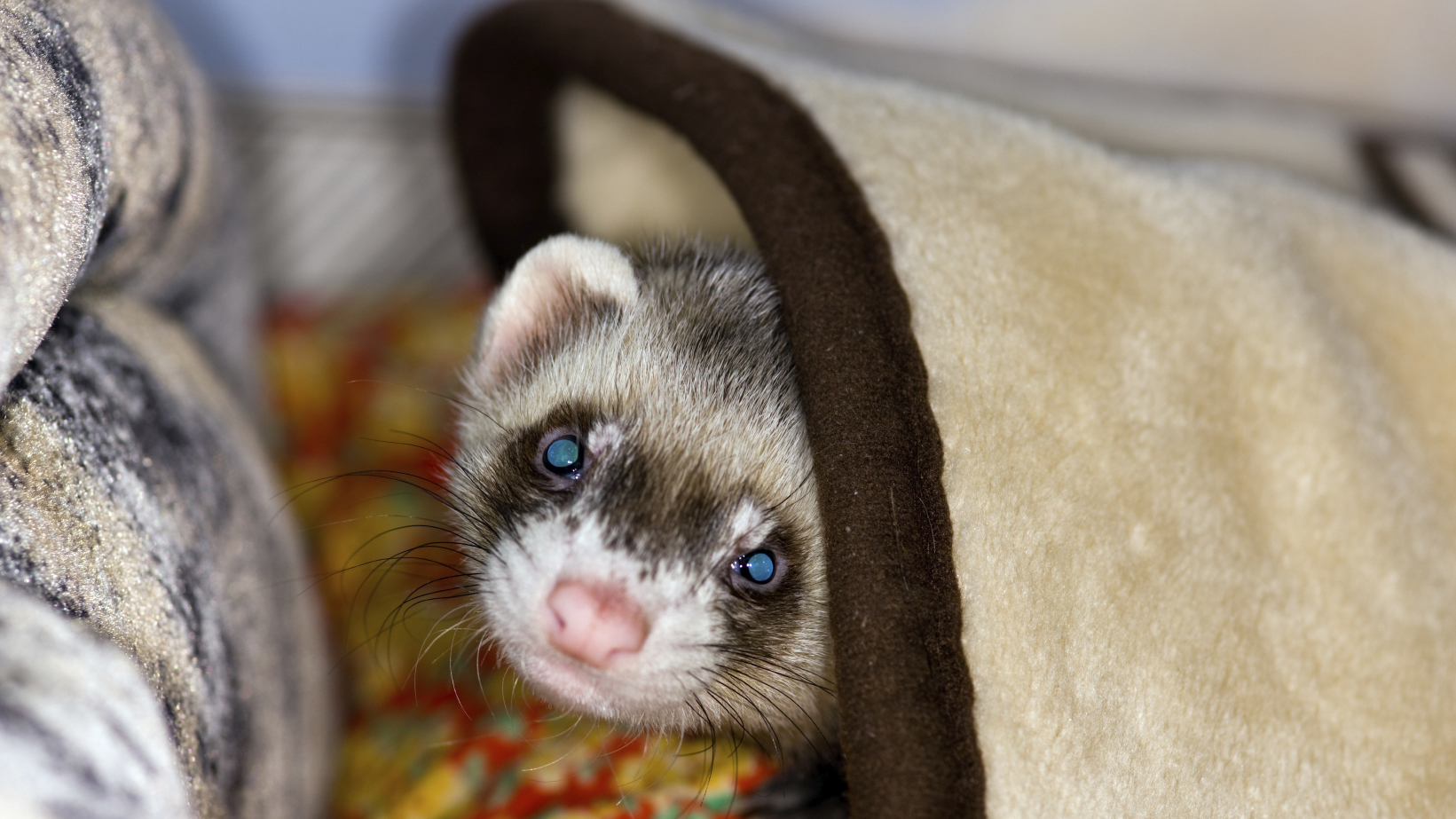
Credit: www.vets4pets.com
Frequently Asked Questions
Can Ferrets Digest Milk Properly?
Ferrets cannot digest milk properly. They lack the enzyme lactase, which is necessary for breaking down lactose in milk.
Is Milk Harmful To Ferrets?
Yes, milk can be harmful to ferrets. It can cause diarrhea, dehydration, and gastrointestinal upset due to lactose intolerance.
What Happens If A Ferret Drinks Milk?
If a ferret drinks milk, it may experience diarrhea, stomach pain, and dehydration due to lactose intolerance.
Are There Any Safe Milk Alternatives For Ferrets?
Ferrets should not be given milk alternatives. Instead, provide them with fresh water and a balanced diet specifically formulated for ferrets.
Conclusion
Ferrets should not have milk. Milk can upset their stomachs. They are lactose intolerant. Instead, provide fresh water. Feed them a balanced diet. High-quality ferret food is best. Occasionally, offer treats like meat. Always consult your vet. Keep your ferret healthy and happy.
Avoid dairy products. Your ferret will thank you.