Can Ferrets Eat Eggs: Surprising Facts Every Owner Should Know
If you have a playful ferret at home, you probably wonder what treats are safe and healthy for them. Eggs might seem like a tasty option, but can ferrets really eat eggs without any risk?
Understanding the answer is important for keeping your furry friend happy and healthy. You’ll discover everything you need to know about feeding eggs to your ferret—what benefits they offer, how to serve them, and what to avoid. Keep reading to make sure you’re giving your ferret the best care possible.

Credit: www.reddit.com
Ferret Diet Basics
Ferrets have special diet needs that keep them healthy and happy. Understanding their diet basics helps you feed them right. Their food should match what they eat in the wild. Good nutrition supports their energy and growth.
Ferrets need a diet high in protein and fat. They are carnivores and cannot digest plants well. Giving them the right nutrients avoids health problems. Knowing what they eat naturally guides your feeding choices.
Natural Eating Habits
Ferrets eat small animals like rodents and birds in nature. Their bodies are made to digest meat quickly. They do not eat fruits or vegetables much. This diet gives them energy and keeps them active. They eat often but in small amounts.
Essential Nutrients
Protein is the main nutrient ferrets need daily. It helps build muscles and repair tissues. Fat is another key nutrient for energy and warmth. Vitamins and minerals support their immune system. Avoid foods with too many carbohydrates or sugars. Fresh water must always be available for hydration.
Credit: www.unusualpetvets.com.au
Eggs As A Food Source
Eggs serve as a powerful food source for many animals, including ferrets. They provide essential nutrients that help support a ferret’s health and energy. Eggs are easy to prepare and can be a tasty treat for your pet. They contain proteins, fats, and vitamins that contribute to a balanced diet.
Feeding eggs to ferrets can improve their coat, boost their immune system, and support muscle growth. Eggs are a natural, nutrient-rich food that fits well into a ferret’s carnivorous diet. Understanding the nutritional value and types of eggs suitable for ferrets is important to ensure safe feeding.
Nutritional Value Of Eggs
Eggs are packed with protein, which is crucial for ferrets. Protein helps build strong muscles and repair tissues. Eggs also contain healthy fats that provide energy. These fats support the ferret’s brain and skin health. Vitamins like A, D, and E are found in eggs too. These vitamins help maintain good vision, strong bones, and a healthy immune system. Minerals such as iron and selenium are present, aiding oxygen transport and fighting infections.
Types Of Eggs Suitable For Ferrets
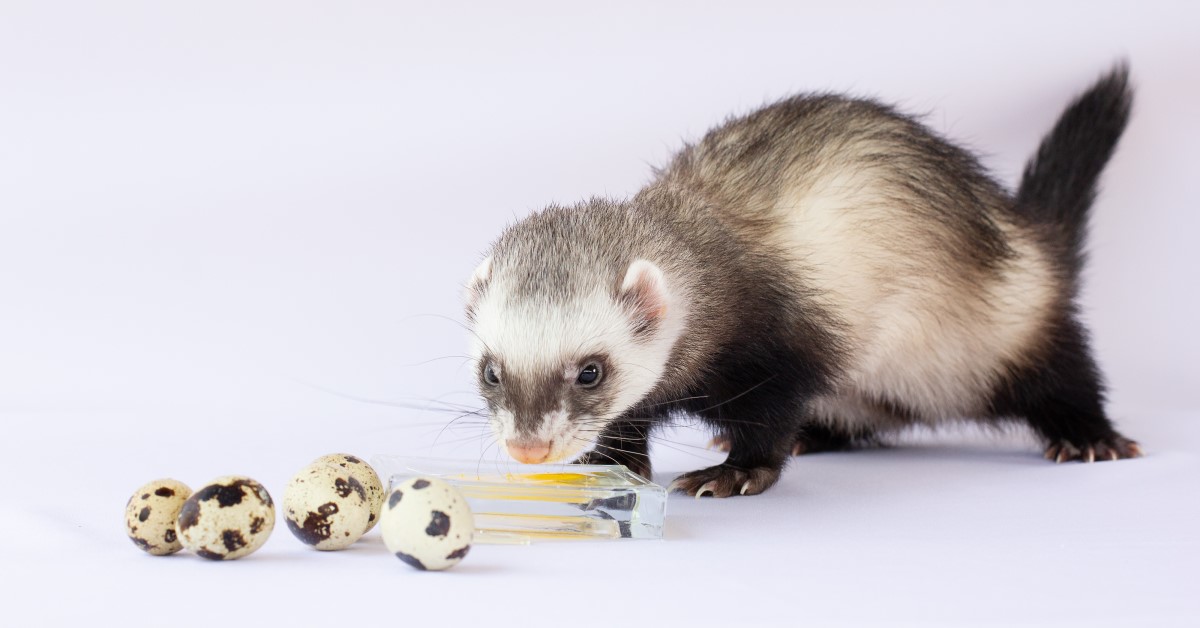
Cooked eggs are the safest choice for ferrets. Boiled or scrambled eggs without salt or seasoning work best. Raw eggs are not recommended due to the risk of bacteria. Chicken eggs are the most common and ideal option. Quail eggs can be given occasionally, but in small amounts. Avoid eggs from unknown or wild birds, as they may carry harmful pathogens. Always ensure eggs are fresh and clean before feeding.
Benefits Of Feeding Eggs To Ferrets
Eggs are a healthy treat for ferrets. They provide important nutrients that support growth and energy. Feeding eggs can help keep your ferret strong and active. Eggs are easy to digest and a good addition to their diet.
Including eggs in a ferret’s meal plan adds variety and valuable nutrition. They offer benefits that support overall health and well-being.
Protein Boost
Eggs are rich in protein, which is vital for ferrets. Protein helps build muscles and repair tissues. It also supports a healthy coat and skin. Ferrets need protein for energy and daily activities. Eggs supply high-quality protein that ferrets can easily use.
Vitamins And Minerals
Eggs contain many vitamins and minerals important for ferrets. They have vitamin A, which supports vision and immune health. B vitamins in eggs help with metabolism and energy production. Minerals like iron and selenium improve blood health and protect cells. These nutrients help ferrets stay healthy and active.
Potential Risks Of Eggs For Ferrets
Eggs can be a tasty treat for ferrets, but they carry some risks. Understanding these risks helps keep your ferret safe and healthy. Eggs might cause allergies or digestive problems. The way eggs are prepared also matters a lot for your pet’s safety.
Allergies And Sensitivities
Some ferrets may be allergic to eggs. Allergies can cause itching, redness, or swelling. Digestive upset like vomiting or diarrhea may also happen. Watch your ferret closely after feeding eggs for the first time. Stop feeding eggs if you notice any strange behavior or symptoms. Not all ferrets react the same way to eggs.
Raw Vs Cooked Eggs
Raw eggs can contain bacteria like Salmonella. This can make ferrets sick. Cooking eggs kills harmful bacteria and makes them safer. Cook eggs thoroughly but avoid adding salt or spices. Overcooked eggs lose some nutrients, so cook just right. Feeding only cooked eggs reduces health risks for ferrets.
How To Safely Feed Eggs
Feeding eggs to ferrets can be a healthy treat when done carefully. Eggs provide good protein and nutrients that ferrets need. Safety is key to avoid any health risks or digestive problems. Follow simple steps to keep your ferret happy and healthy with eggs.
Portion Size Recommendations
Start with a small amount, like a teaspoon of egg. Too much egg can upset a ferret’s stomach. Give eggs only once or twice a week. Monitor your ferret’s reaction to the new food. Adjust the amount based on their size and health.
Preparation Tips
Cook eggs fully before feeding. Raw eggs may carry bacteria and cause illness. Boiled or scrambled eggs without salt or spices are best. Avoid adding oils, butter, or seasoning. Cut eggs into small pieces for easy eating.
Signs Of Egg Intolerance
Eggs can be a tasty treat for ferrets, but some ferrets may not tolerate them well. Signs of egg intolerance can help you know if eggs cause problems for your pet. Watch your ferret closely after feeding eggs. Notice any unusual reactions or changes in health.
Digestive Issues
One common sign of egg intolerance is digestive upset. Your ferret may have diarrhea or soft stools. Vomiting can also occur after eating eggs. Some ferrets may show bloating or gas. These signs mean the ferret’s stomach does not handle eggs well. Stop feeding eggs if you see these symptoms.
Behavioral Changes
Egg intolerance can affect a ferret’s behavior too. Your ferret might become less active or seem tired. It may hide more than usual or act grumpy. Some ferrets lose their appetite after eating eggs. Changes in behavior often signal discomfort or pain. Keep a close eye on your ferret’s mood after feeding eggs.
Alternatives To Eggs In Ferret Diet
Eggs provide good protein for ferrets but are not the only option. Many other foods can supply necessary nutrients. Offering variety helps keep your ferret healthy and happy. It also prevents diet boredom. Explore some alternatives to eggs below.
Other Protein Sources
Ferrets need animal protein to thrive. Raw or cooked meats like chicken, turkey, and beef work well. Small amounts of fish can be given occasionally. Organ meats such as liver and heart offer extra vitamins. Avoid processed meats and seasonings. Fresh, plain protein is best for ferrets.
Balanced Meal Ideas
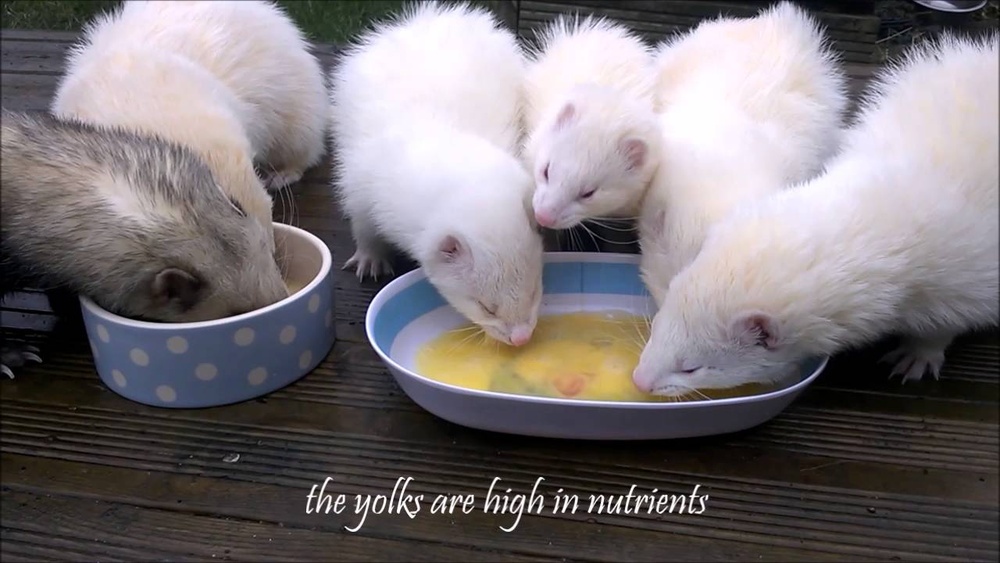
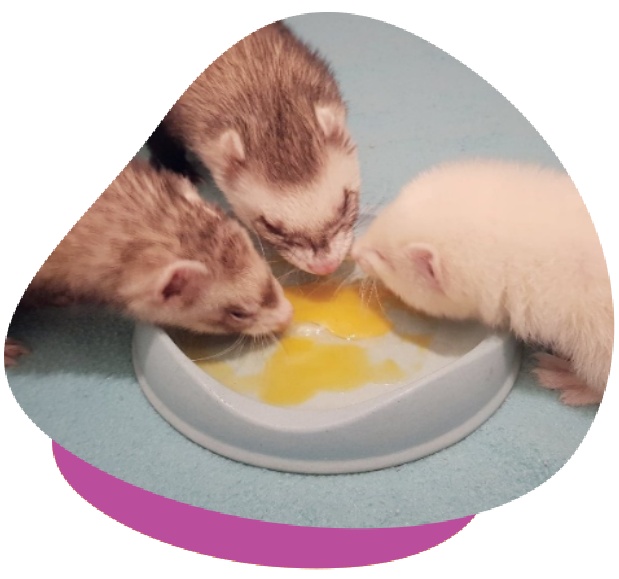
A balanced ferret meal includes meat and fat. Try mixing ground chicken with a little chicken fat. Add some raw egg yolk sometimes for extra nutrients. Include small pieces of organ meat for vitamins. Avoid grains and vegetables as ferrets cannot digest them well. Keep meals simple and meat-focused for good health.
Credit: www.petassure.com
Owner Experiences And Tips
Many ferret owners share their experiences about feeding eggs to their pets. Their tips help others understand how to include eggs safely in a ferret’s diet. Learning from real stories shows what works well and what to avoid. Owners often notice positive effects on their ferret’s health and energy.
Common Practices
Most owners cook eggs before feeding them to ferrets. Boiled or scrambled eggs are popular choices. Raw eggs can carry bacteria, so cooking is safer. Owners usually offer small amounts at first to watch for allergies. Eggs are given as treats, not main meals. Some break the eggs into tiny pieces for easy eating. Ferrets seem to enjoy eggs as a tasty snack. Mixing eggs with their regular food is also common. Owners avoid adding salt, spices, or oils to eggs. Clean feeding areas help prevent infections.
Expert Advice
Veterinarians advise feeding eggs in moderation. Eggs provide protein and essential fats for ferrets. Experts recommend cooked eggs to reduce health risks. They suggest starting with small portions to monitor reactions. Avoid feeding eggs daily to prevent nutritional imbalances. Experts remind owners to keep eggs plain and fresh. They also warn against eggshells that can cause choking. Regular vet check-ups help track ferret health on new diets. Many vets support eggs as part of a varied diet. Following expert advice ensures ferrets stay healthy and happy.
Frequently Asked Questions
Can Ferrets Eat Cooked Eggs Safely?
Yes, ferrets can eat cooked eggs safely. Eggs are a good source of protein and fat. Always serve eggs plain and fully cooked. Avoid seasoning or additives that could harm your ferret’s health.
Are Raw Eggs Harmful To Ferrets?
Raw eggs are not recommended for ferrets. Raw eggs may contain harmful bacteria like Salmonella. Cooking eggs kills bacteria and makes them safe. Always cook eggs thoroughly before feeding to ferrets.
How Often Can Ferrets Eat Eggs?
Feed eggs to ferrets in moderation. Eggs should be an occasional treat, not a daily meal. Too many eggs can lead to nutritional imbalance or obesity. One small egg per week is enough for most ferrets.
Do Eggs Provide Nutritional Benefits For Ferrets?
Eggs offer excellent protein, fats, and essential nutrients. They support muscle growth, energy, and overall health. Eggs also contain vitamins like B12 and minerals like selenium. They are a nutritious supplement to a ferret’s diet.
Conclusion
Eggs can be a healthy treat for ferrets in small amounts. They provide good protein and nutrients that ferrets need. Always cook the eggs fully to avoid health risks. Avoid adding salt, spices, or oils. Watch your ferret after feeding eggs to check for any problems.
Eggs should not replace their regular balanced diet. Treat eggs as an occasional snack, not a main meal. Feeding eggs properly helps keep your ferret happy and healthy. Keep learning about your pet’s needs for the best care.