Can Rabbits Eat Weeds? Discover Safe and Nutritious Options
Yes, rabbits can eat weeds. Many weeds are safe and healthy for rabbits.
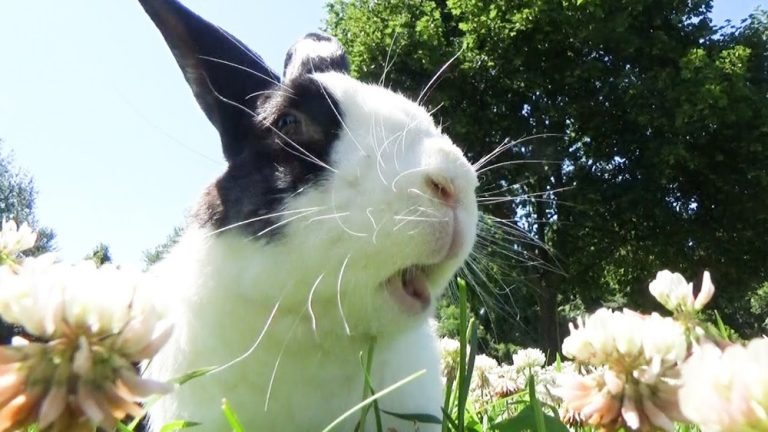
But not all weeds are good for them. Rabbits are natural foragers. In the wild, they eat a variety of plants, including weeds. Some weeds provide essential nutrients and can be a great addition to their diet. Dandelions, clover, and plantain are examples of safe weeds.
But, it’s crucial to know which weeds are safe and which are harmful. Some weeds can be toxic and dangerous for rabbits. Identifying the right weeds ensures your rabbit stays healthy and happy. In this blog, we’ll explore the types of weeds rabbits can eat, the benefits, and the ones to avoid. Let’s dive into the world of weeds and rabbits!

Credit: www.pinterest.com
Introduction To Rabbit Diets
Rabbits are herbivores, which means they eat plants. Their diet in the wild includes a variety of greens. Pet rabbits need a similar diet to stay healthy.
Understanding the right foods for your rabbit is essential. Feeding them the wrong foods can cause health problems. In this blog post, we will explore what rabbits can eat, focusing on weeds and other common foods.
Common Rabbit Foods
Rabbits enjoy a variety of foods. Their diet should include:
- Hay: This should be the main part of their diet. It helps with digestion and keeps their teeth healthy.
- Fresh Vegetables: Leafy greens like lettuce, spinach, and kale are good choices. Avoid iceberg lettuce as it has little nutritional value.
- Fresh Fruit: Apples, berries, and bananas are treats. Feed in small amounts due to high sugar content.
- Pellets: High-quality rabbit pellets provide essential nutrients. Use them as a supplement, not the main food.
Importance Of A Balanced Diet
A balanced diet is crucial for a rabbit’s health. It prevents obesity, dental disease, and digestive issues. Here are key reasons:
- Nutrition: Different foods provide different nutrients. A mix ensures they get all they need.
- Dental Health: Chewing hay and fresh greens helps wear down their teeth. Rabbits’ teeth grow continuously.
- Digestion: Fibrous foods like hay keep their digestive system moving. This prevents blockages and other issues.
In the next section, we will discuss if rabbits can eat weeds. Stay tuned to learn more about what is safe and healthy for your furry friend.
Weeds: An Overview
Weeds are often seen as a nuisance in gardens and lawns. Yet, they can be a surprising source of food for rabbits. Understanding the types of weeds and their nutritional value is crucial for rabbit owners.
Common Types Of Weeds
Rabbits can eat many types of weeds. Some common ones include:
- Dandelion: A favorite among rabbits. The entire plant is safe.
- Clover: Both red and white clover are edible.
- Plantain: Broadleaf and narrowleaf varieties are safe.
- Chickweed: Small and easy for rabbits to munch on.
- Nettle: Nutrient-rich but should be given in moderation.
Nutritional Value Of Weeds
Weeds are not just fillers. They offer nutritional benefits. Here is a breakdown:
| Weed Type | Vitamin A | Vitamin C | Calcium |
|---|---|---|---|
| Dandelion | High | Moderate | High |
| Clover | Moderate | Low | Moderate |
| Plantain | Moderate | High | Moderate |
| Chickweed | Low | Moderate | Low |
| Nettle | High | High | High |
Adding weeds to your rabbit’s diet can help them stay healthy. Make sure to identify the weeds correctly before feeding. Some look similar but are toxic.
Safe Weeds For Rabbits
Rabbits love munching on fresh greens. Some weeds are safe and healthy for them. These weeds provide essential nutrients. Let’s explore some of the safe weeds for rabbits.
Dandelions
Dandelions are a favorite for rabbits. Both the leaves and flowers are edible. They are rich in vitamins A and C. Dandelions also contain calcium and potassium. You can feed them fresh or dried. Make sure they are free from pesticides.
Clover
Clover is another safe weed for rabbits. It is packed with protein. Clover also contains fiber, which aids in digestion. Both the leaves and flowers are safe. Like dandelions, ensure the clover is pesticide-free.
Plantain
Plantain is a common weed that rabbits enjoy. It is rich in fiber and vitamins. Both broadleaf and narrowleaf varieties are safe. Plantain helps with digestion and urinary health. Always check for pesticides before feeding.
| Weed | Nutrients | Parts to Feed | Special Notes |
|---|---|---|---|
| Dandelions | Vitamins A & C, Calcium, Potassium | Leaves, Flowers | Pesticide-free |
| Clover | Protein, Fiber | Leaves, Flowers | Pesticide-free |
| Plantain | Fiber, Vitamins | Leaves | Pesticide-free |

Credit: www.pinterest.com
Weeds To Avoid
When feeding your rabbit, you might wonder if they can eat weeds. While some weeds are safe, others can be harmful. It’s crucial to know which weeds to avoid to keep your rabbit healthy.
Toxic Weeds
Not all weeds are safe for rabbits. Some contain toxins that can cause serious health issues.
- Hemlock: Extremely toxic, can cause respiratory failure.
- Deadly nightshade: Contains alkaloids, affects the nervous system.
- Foxglove: Heart toxins, can be fatal.
- Ragwort: Damages the liver over time.
Recognizing Harmful Plants
To protect your rabbit, it’s important to recognize harmful plants. Learn to identify toxic weeds in your garden.
| Weed | Appearance | Harmful Effects |
|---|---|---|
| Hemlock | White flowers, fern-like leaves | Respiratory failure |
| Deadly nightshade | Bell-shaped purple flowers | Nervous system damage |
| Foxglove | Pink/purple flowers, tall spike | Heart failure |
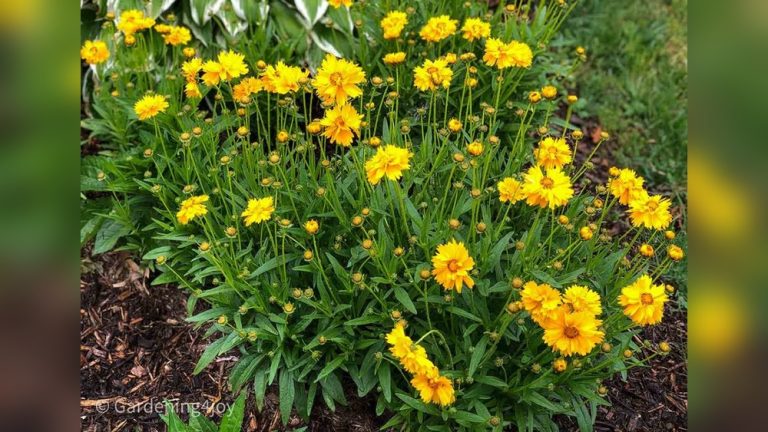
| Ragwort | Yellow flowers, ragged leaves | Liver damage |
Keep your garden safe by regularly removing these weeds. Always supervise your rabbit’s outdoor activities.
Preparing Weeds For Consumption
Feeding weeds to your rabbit can be a great idea. Weeds are natural and often nutritious. But, they must be prepared properly. This ensures they are safe for your rabbit to eat. Let’s explore the steps to make weeds safe for your furry friend.
Washing And Cleaning
Washing and cleaning the weeds is crucial. Start by placing the weeds in a large bowl of water. Use your hands to gently rub the leaves. This helps remove dirt and insects.
Next, rinse the weeds under running water. Make sure to rinse thoroughly. This will wash away any remaining residue. If the weeds are very dirty, repeat the process. Clean weeds are important for your rabbit’s health.
Dry the weeds with a clean towel. Wet weeds can cause digestive issues. Your rabbit will enjoy dry, clean weeds more.
Serving Suggestions
How you serve the weeds is also important. Cut the weeds into small pieces. This makes them easier for your rabbit to eat. Smaller pieces are safer and reduce the risk of choking.
Offer a variety of weeds. Different weeds provide different nutrients. A mix of weeds can be more interesting for your rabbit.
Here are some common weeds safe for rabbits:
- Dandelion
- Clover
- Plantain
- Chickweed
Make sure you only pick weeds from areas free of pesticides. Pesticides can be harmful to rabbits.
Introduce new weeds slowly. This helps avoid upsetting your rabbit’s stomach. Observe your rabbit after feeding new weeds. Look for any signs of discomfort or illness.
| Step | Action |
|---|---|
| 1 | Pick fresh weeds |
| 2 | Wash and clean thoroughly |
| 3 | Dry with a towel |
| 4 | Cut into small pieces |
| 5 | Serve a variety of weeds |
By following these steps, you can ensure that the weeds are safe and enjoyable for your rabbit.
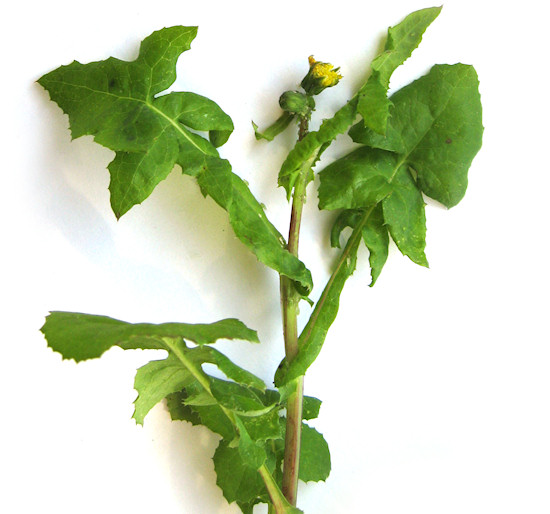
Credit: www.therabbithouse.com
Benefits Of Feeding Weeds
Rabbits enjoy munching on various types of plants. Feeding weeds to rabbits can be highly beneficial. It helps in keeping their diet varied and nutritious. Let’s explore the benefits of including weeds in your rabbit’s diet.
Nutritional Benefits
Weeds are packed with essential nutrients. They provide vitamins, minerals, and fiber. These elements support your rabbit’s overall health.
Some common weeds that rabbits can eat include:
- Dandelion greens
- Clover
- Plantain
- Chickweed
Dandelion greens are rich in vitamin A. They also contain vitamin C and calcium. Clover and plantain offer high fiber content. This helps in digestion. Chickweed is a good source of protein. Feeding these weeds can ensure your rabbit gets a balanced diet.
Cost-effective Feeding
Weeds are often free. You can find them in your backyard or local park. This makes feeding weeds a budget-friendly option.
Compare the cost of weeds to store-bought vegetables:
| Food Type | Cost |
|---|---|
| Weeds | Free |
| Store-bought Vegetables | $2 – $5 per pound |
Using weeds can help you save money. It also reduces the need for frequent trips to the store. This makes feeding weeds a practical choice.
Potential Risks And Precautions
Feeding rabbits weeds can be risky. Some weeds are toxic. You must be careful with the types of weeds you offer to your rabbit. Understanding the potential risks and precautions is crucial for your rabbit’s health.
Signs Of Toxicity
Not all weeds are safe for rabbits. Some can cause serious health issues. It’s important to know the signs of toxicity to act quickly.
- Loss of appetite
- Diarrhea
- Excessive drooling
- Weakness or lethargy
If you notice any of these symptoms, remove the weed from the diet immediately. Monitor your rabbit closely.
Consulting A Veterinarian
Consulting a veterinarian is the best way to ensure your rabbit’s safety. They can provide advice on which weeds are safe and which are not.
- Take a sample of the weed to the vet.
- Describe any symptoms your rabbit is showing.
- Follow the vet’s advice on treatment and diet changes.
Always err on the side of caution. A quick visit to the vet can save your rabbit from potential harm.
Incorporating Weeds Into A Balanced Diet
Rabbits enjoy a variety of foods. Adding weeds can make their diet more interesting. Weeds can provide essential nutrients. But balance is key. Rabbits need a mix of foods to stay healthy.
Complementary Foods
Weeds should not be the only food. They are best paired with other foods. Here are some good choices:
- Hay: Vital for digestion. Rabbits should have plenty.
- Fresh Vegetables: Carrots, leafy greens, and bell peppers are good.
- Pellets: Provide balanced nutrition.
- Fruits: Small amounts as treats.
Mixing these foods keeps your rabbit happy and healthy. Always wash vegetables and fruits to remove pesticides.
Feeding Schedule
Follow a schedule for feeding. This helps maintain your rabbit’s health. A typical schedule might look like this:
| Time | Food |
|---|---|
| Morning | Fresh hay and water |
| Noon | Small amount of pellets |
| Evening | Fresh vegetables and water |
| Before Bed | Hay and a treat (like fruit) |
Weeds can be given anytime. Just make sure they are safe. Avoid weeds from areas treated with chemicals.
Frequently Asked Questions
Can Rabbits Eat All Types Of Weeds?
Rabbits can eat many types of weeds, but not all. Some weeds are toxic to rabbits. Always check if the weed is safe before feeding it to your rabbit.
Are Dandelions Safe For Rabbits?
Yes, dandelions are safe and healthy for rabbits. They can eat both the leaves and flowers of dandelions. It is a nutritious addition to their diet.
Which Weeds Are Toxic To Rabbits?
Some toxic weeds include nightshade, hemlock, and buttercup. These weeds can be harmful or even fatal to rabbits. Always research weeds before feeding them to your rabbit.
How Often Can Rabbits Eat Weeds?
Rabbits can eat weeds regularly, but in moderation. Weeds should complement their diet of hay, vegetables, and pellets. Ensure a balanced diet for your rabbit’s health.
Conclusion
Rabbits can safely eat many types of weeds. Always identify the weed first. Some weeds can be toxic. Introduce new plants slowly. Monitor your rabbit for any changes. Fresh, clean weeds are best. Avoid weeds from polluted areas. Rabbits enjoy variety in their diet.
A balanced diet keeps them healthy. Weeds offer essential nutrients. Ensure a safe eating environment. Consult a vet if unsure. Happy foraging!