Best Rabbit for a Pet: Top Breeds for Families & Beginners
Choosing the best rabbit for a pet can feel overwhelming, but it doesn’t have to be. If you want a furry friend that fits your lifestyle and personality, this guide is made just for you.
Imagine having a gentle companion who’s playful, loving, and easy to care for—sounds great, right? Keep reading to discover which rabbit breed matches your needs perfectly, so you can enjoy every moment with your new pet.
Choosing A Pet Rabbit
Choosing a pet rabbit can bring joy and companionship into your home. Rabbits are gentle and quiet animals that fit well in many households. They require care and attention but reward owners with affection and fun. Understanding how to pick the right rabbit helps ensure a happy pet and owner relationship. Consider their needs and your lifestyle carefully before deciding.
Why Rabbits Make Great Pets
Rabbits are calm and friendly animals. They do not bark or make loud noises. This makes them perfect for apartments or quiet homes. Rabbits can be trained to use a litter box. They enjoy being petted and can form strong bonds with people. Their soft fur and cute faces bring comfort and smiles. Rabbits also teach children responsibility and kindness toward animals.
Key Traits To Consider
Size matters when choosing a rabbit. Smaller breeds need less space but may be more delicate. Larger breeds are strong but need bigger cages. Check the rabbit’s age. Younger rabbits need more care and training. Older rabbits may be calmer and used to handling. Temperament is important. Choose a rabbit that is gentle and curious. Look for healthy eyes, clean fur, and active behavior. These signs show a happy pet.
Top Rabbit Breeds For Families
Choosing the right rabbit breed makes a big difference for families. Some breeds fit better with children and home life. They are gentle, easy to care for, and full of charm. These rabbits enjoy attention and can become great companions.
Here are three popular rabbit breeds perfect for family pets. Each has a unique look and friendly nature. They bring joy and warmth to any household.
Mini Rex
The Mini Rex has soft, velvety fur that is fun to touch. They are small but sturdy, making them easy to handle. Mini Rex rabbits are calm and friendly with kids. They enjoy being petted and are very social. Their playful nature makes them a family favorite.
Holland Lop
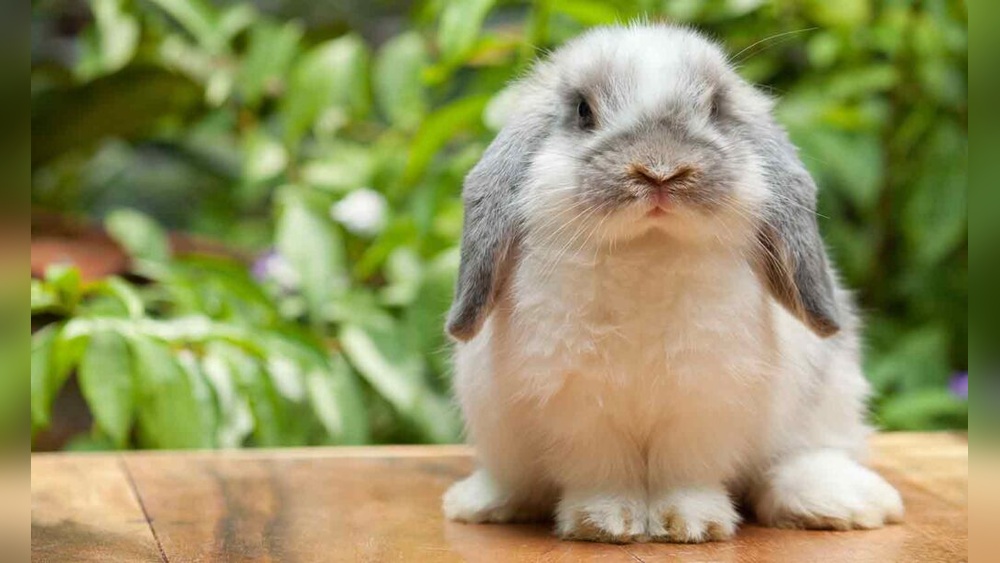
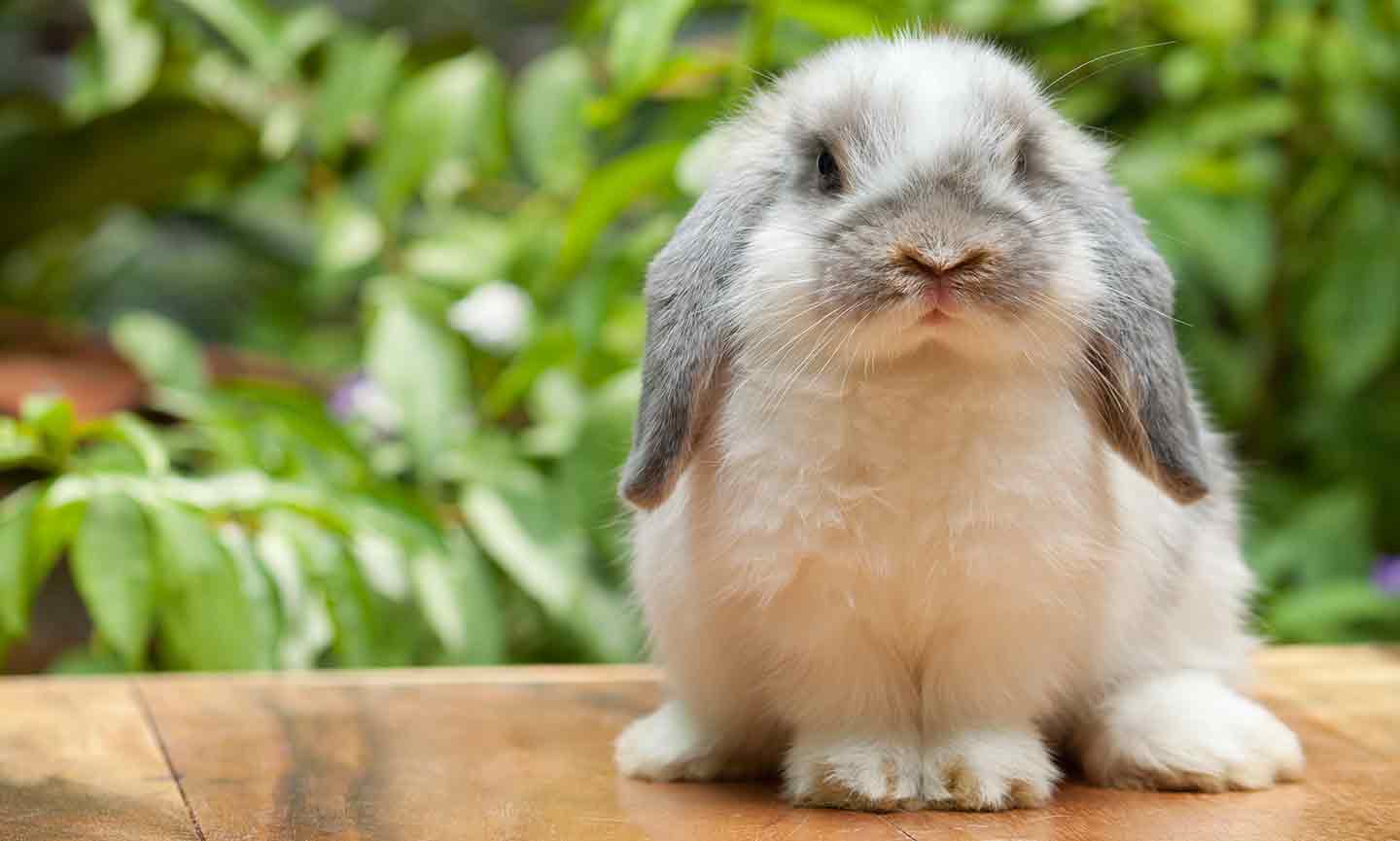
Holland Lops are famous for their floppy ears and cute faces. They have a gentle and calm personality. These rabbits are small and easy to care for. They love to be around people and often follow their owners. Holland Lops fit well in homes with young children.
Netherland Dwarf
The Netherland Dwarf is one of the smallest rabbit breeds. They are lively and curious, always exploring their surroundings. Despite their size, they have big personalities. These rabbits do well with older kids who handle them gently. Their small size makes them perfect for smaller living spaces.
Best Breeds For Beginners
Choosing the right rabbit breed is important for first-time pet owners. Some breeds have gentle natures and easier care needs. These breeds help beginners enjoy their new pet without stress. Here are three great rabbit breeds for beginners.
English Angora
The English Angora is known for its soft, long wool. It has a calm and friendly personality. This breed enjoys gentle handling and regular grooming. Grooming also helps prevent wool mats and keeps the rabbit healthy. English Angoras are quiet pets that adapt well to new owners.
Flemish Giant
The Flemish Giant is one of the largest rabbit breeds. Despite its size, it is very gentle and calm. This breed is patient and good with children. It needs a spacious living area because of its size. The Flemish Giant is easy to train and loves human company.
Lionhead
The Lionhead rabbit has a unique mane of fur around its head. It is playful and curious by nature. Lionheads are small and easy to handle. They enjoy interaction and make great indoor pets. This breed requires regular grooming to keep its mane neat.

Credit: andy.pet
Temperament And Behavior
Choosing the best rabbit for a pet means understanding its temperament and behavior. Rabbits have unique personalities. Some are shy, while others are curious and playful. Knowing how they act helps you care for them better. It also makes your bond stronger. Rabbits need gentle handling and social interaction to thrive.
Social Needs
Rabbits are social animals. They enjoy company, whether from humans or other rabbits. Without social contact, rabbits can feel lonely and stressed. They like quiet time but also need playtime. Daily interaction keeps them happy and healthy. A bored rabbit may become destructive or withdrawn. Spending time with your rabbit builds trust. It helps them feel safe and loved.
Handling Tips
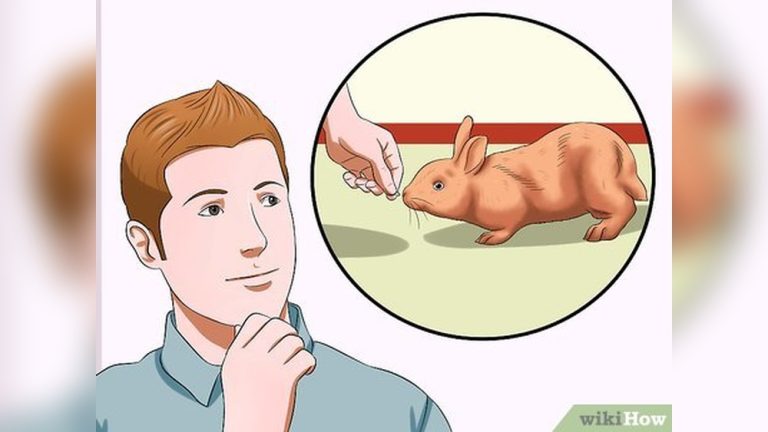
Handle rabbits gently and calmly. Sudden moves can scare them. Support their body when lifting to avoid injury. Speak softly to keep them relaxed. Let them sniff your hand before petting. Avoid grabbing their ears or legs. Regular handling helps rabbits get used to you. It reduces fear and makes vet visits easier. Always watch their reactions and stop if they seem stressed.
Care Requirements
Choosing the best rabbit as a pet means understanding its care needs. Rabbits need proper food, space, and grooming. These basics help keep them happy and healthy. This section covers important care areas for pet rabbits.
Diet And Nutrition
Rabbits need a diet rich in fiber. Fresh hay should be their main food every day. It helps their digestion and teeth health. Provide fresh vegetables like carrots, spinach, and kale. Avoid sugary or processed treats. Always offer clean water in a bowl or bottle. Balanced nutrition keeps rabbits active and strong.
Housing And Space
Rabbits need enough room to move freely. Their cage or hutch should be large and well-ventilated. Soft bedding like straw or hay adds comfort. Outdoor rabbits need shelter from weather and predators. Allow daily exercise outside the cage for mental and physical health. Safe, clean space prevents illness and stress.
Grooming Essentials
Regular grooming keeps rabbits clean and healthy. Brush their fur often to reduce shedding and matting. Long-haired breeds need more frequent grooming. Check their nails and trim them to avoid injury. Clean their ears and eyes gently. Grooming helps spot health problems early and builds trust.
Health Considerations
Choosing the best rabbit for a pet means paying close attention to health. Rabbits need care to stay happy and live long. Knowing common health issues helps you spot problems early. Preventive care keeps your pet safe and strong. Let’s explore what to watch for and how to protect your rabbit’s health.
Common Health Issues
Rabbits can face many health problems. Dental disease is very common. Their teeth keep growing. Overgrown teeth can cause pain and eating trouble. Digestive problems also happen often. Rabbits need fiber to keep their gut moving. Without it, they can get sick fast.
Respiratory infections affect many rabbits. Signs include sneezing and runny nose. Parasites like mites or fleas also cause discomfort. Watch for hair loss or scratching. Ear infections may cause your rabbit to tilt its head.
Preventive Care
Good diet is key to rabbit health. Provide fresh hay daily and clean water. Include leafy greens and avoid sugary treats. Regular vet check-ups catch problems early. Vaccinations can protect against deadly diseases.
Keep the living area clean and dry. Change bedding often to prevent infections. Groom your rabbit to remove loose fur. This helps avoid hairballs and skin issues. Exercise and mental stimulation reduce stress and improve health.
Adoption And Buying Tips
Choosing the best rabbit for a pet starts with good adoption and buying tips. Rabbits need care and love. Finding the right rabbit means knowing where to look and what to ask. This helps you pick a healthy and happy pet.
Where To Find Rabbits
Animal shelters and rescue groups often have rabbits ready for new homes. These rabbits may need a second chance. Pet stores sometimes sell rabbits, but not always with full health checks. Breeders can offer specific breeds but check their reputation first. Online listings can connect you to local sellers or adopters. Always visit the place before deciding. Seeing the living conditions helps ensure the rabbit’s well-being.
Questions To Ask Breeders
Ask about the rabbit’s health history. Are vaccinations up to date? Inquire about the parents’ health and behavior. How long has the rabbit lived with the breeder? What kind of diet does the breeder provide? Are the rabbits socialized and handled often? Ask if the rabbit has any special needs or health issues. Knowing these facts helps you prepare for a new pet. Trustworthy breeders will answer openly and clearly.
Credit: www.microcomenviro.com

Credit: andy.pet
Frequently Asked Questions
What Is The Best Rabbit Breed For Beginners?
The Holland Lop is ideal for beginners. It’s small, friendly, and easy to care for. Their calm nature suits new rabbit owners well.
How Long Do Pet Rabbits Typically Live?
Pet rabbits live around 8 to 12 years. Proper care, diet, and regular vet visits help extend their lifespan.
What Is The Best Diet For Pet Rabbits?
A balanced diet includes hay, fresh vegetables, and a small amount of pellets. Fresh water should always be available.
Are Dwarf Rabbits Good Pets For Families?
Yes, dwarf rabbits are great family pets. They are small, friendly, and enjoy gentle handling by kids.
Conclusion
Choosing the best rabbit for a pet depends on your needs and lifestyle. Some rabbits are calm, while others are very active. Size and care needs also matter a lot. Spend time learning about different breeds before deciding. A happy rabbit makes a great companion.
Treat your pet with love and patience. Enjoy the joy a rabbit brings to your home.