Best Rabbit for Kids: Top Friendly Breeds for Families
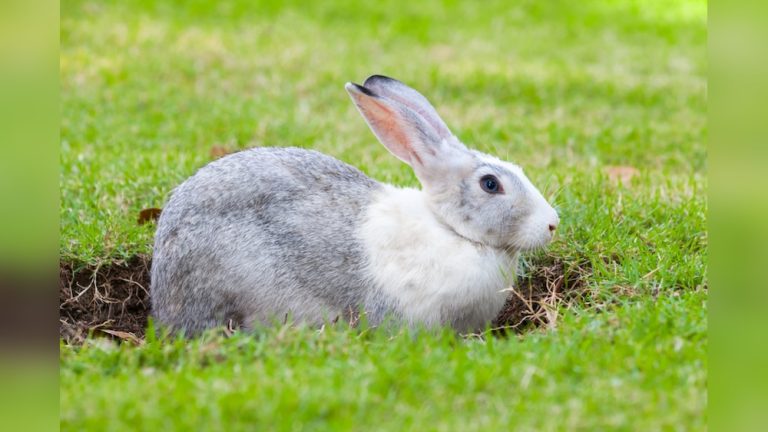
Looking for the best rabbit for kids? You want a pet that’s gentle, easy to care for, and full of personality.
Choosing the right rabbit can make all the difference in creating a happy and safe experience for your child. You’ll discover which breeds are perfect for young pet lovers, how to keep them healthy, and what to expect when you bring a bunny home.
Keep reading to find the ideal furry friend for your family!
Choosing A Kid-friendly Rabbit
Picking the right rabbit for children needs care. Rabbits have different personalities and needs. Some suit kids better than others. A good choice makes pet time fun and safe. It also helps children learn about responsibility. This guide helps find a rabbit that fits well with kids.
Traits To Look For
Choose rabbits that are gentle and calm. Rabbits that enjoy being touched are ideal. Look for ones that do not bite or scratch. A friendly and curious nature is a plus. Medium-sized rabbits often handle kids better. Avoid very small or very shy rabbits. These traits help create a happy pet and child bond.
Safety Tips With Kids
Teach children to be soft and slow with rabbits. Show them how to hold rabbits gently. Never leave young kids alone with rabbits. Rabbits can get scared and jump suddenly. Keep rabbits away from loud noises and rough play. Always supervise interactions to avoid accidents. Clean hands before and after handling pets. These steps keep both kids and rabbits safe.
Top Rabbit Breeds For Families
Choosing the right rabbit breed is important for families. Some rabbits are friendlier and easier to care for with kids. These breeds are known for their gentle nature and manageable size. They make great pets for children to enjoy and learn responsibility.
Here are some of the best rabbit breeds for families, each with unique traits that suit kids well.
Mini Rex
The Mini Rex has soft, velvety fur that kids love to touch. They are calm and friendly, making them easy to handle. Their small size suits children and they enjoy gentle petting. Mini Rex rabbits are playful but not too energetic.
Holland Lop
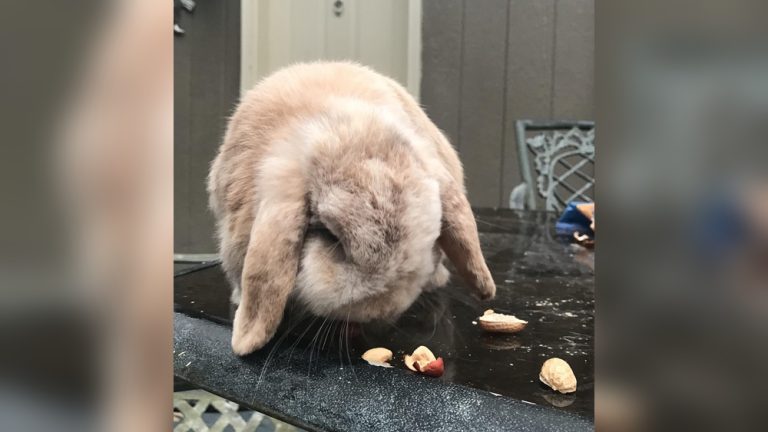
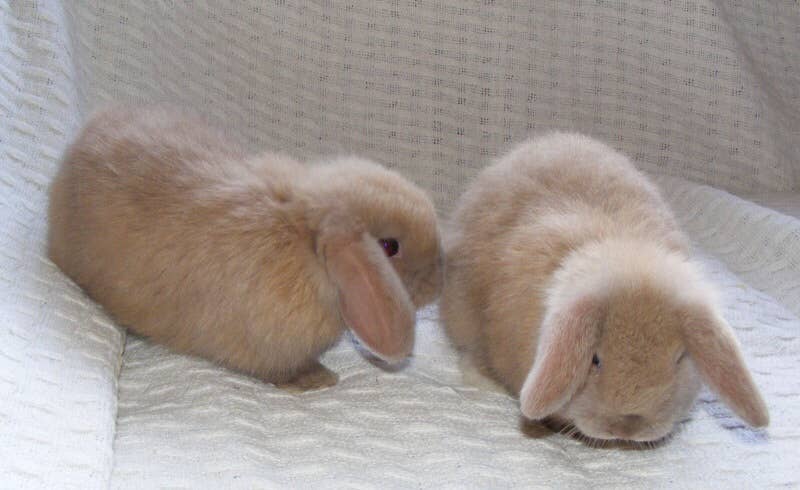
Holland Lops have cute, floppy ears and a sweet nature. They are known for being very calm and loving. Kids often enjoy holding and cuddling these rabbits. Their small size and gentle personality make them perfect pets.
Netherland Dwarf
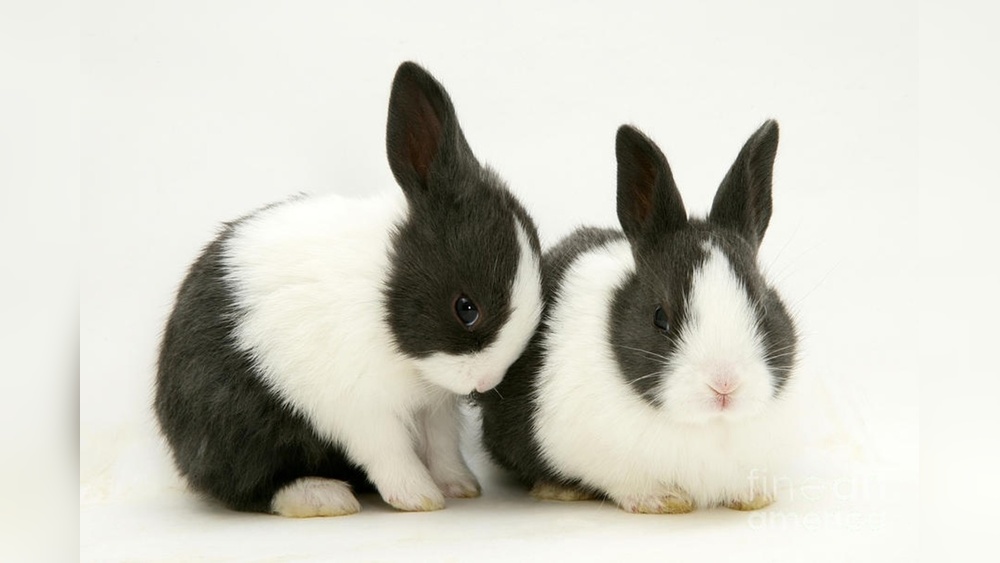
Netherland Dwarfs are tiny rabbits with big personalities. They are curious and active but can be shy at first. These rabbits need gentle care and patience from children. Their small size makes them easy to manage in a home setting.
Lionhead
Lionhead rabbits have a unique mane of fur around their heads. They are friendly and enjoy attention from kids. Their playful nature makes them fun companions. Lionheads need regular grooming because of their longer fur.
English Angora
English Angoras have very soft, long fur that feels like wool. They are calm and gentle with children. These rabbits require daily grooming to keep their coats clean. English Angoras are quiet and make loving pets for families.
Caring For A Family Rabbit
Caring for a family rabbit is a rewarding experience. These gentle pets bring joy and teach kids responsibility. Rabbits need specific care to stay happy and healthy. Understanding their needs helps create a loving home for them.
Housing And Space Needs
Rabbits need a safe and roomy living space. A large cage or pen works best. It should have enough room to hop and stretch. Soft bedding protects their feet and keeps them warm. Clean the space often to avoid smells and germs. Rabbits also need daily time outside their cage to explore and exercise.
Feeding And Nutrition
A balanced diet keeps rabbits healthy and active. Fresh hay must be available all day. It helps their digestion and teeth. Provide fresh vegetables like carrots, lettuce, and herbs. Avoid sugary snacks and too many pellets. Fresh water should always be nearby. Watch their eating habits to spot any problems early.
Grooming Essentials
Rabbits groom themselves but still need help from time to time. Brush their fur regularly to prevent mats and hairballs. Long-haired rabbits may need daily grooming. Check their nails and trim them carefully. Clean their ears gently to avoid infections. Grooming helps build trust and keeps rabbits comfortable.
Credit: www.osons-a-stmalo.com
Teaching Kids Rabbit Responsibility
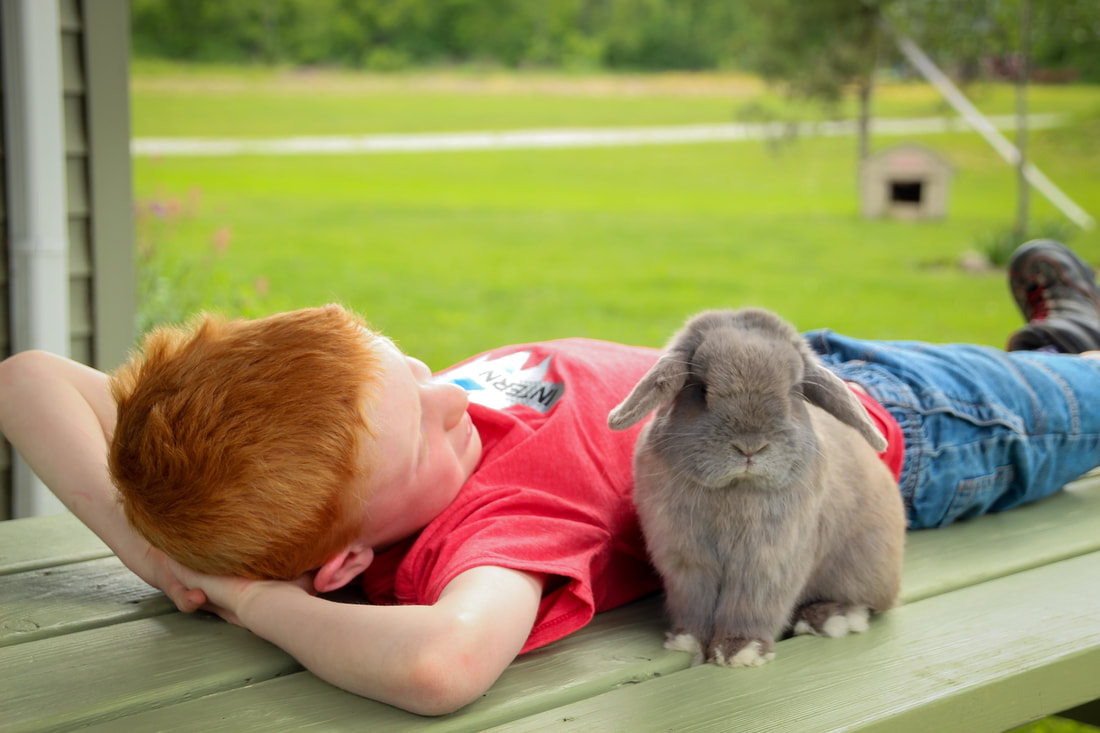
Rabbits can teach children important lessons about care and kindness. They need daily attention and gentle handling. Teaching kids how to care for rabbits helps build trust and patience.
Kids learn to be responsible by feeding, cleaning, and playing with their pet. These tasks show that pets need time and effort. It also helps children develop empathy and respect for animals.
Daily Care Routine
Rabbits need fresh water and food every day. Kids should check their food bowls twice daily. Cleaning the litter box is important to keep rabbits healthy. Grooming helps keep their fur clean and prevents mats. Daily care teaches kids to be consistent and reliable.
Safe Handling Techniques
Rabbits are delicate and can get scared easily. Kids must learn to hold rabbits gently and close to the body. Support their back and legs to prevent injury. Avoid sudden movements or loud noises around rabbits. Teaching safe handling keeps both kids and rabbits safe.
Common Health Concerns
Rabbits are gentle pets, but they can get sick like any animal. Knowing common health problems helps you keep your rabbit safe. Early care can stop small issues from becoming big problems. Watch your rabbit closely. Healthy rabbits are active and eat well.
Signs Of Illness
Look for changes in eating or drinking habits. Rabbits that stop eating need help fast. Check their eyes and nose for discharge or swelling. A sick rabbit may hide or be less active. Watch for trouble breathing or unusual droppings. Teeth problems can cause pain and poor eating. Notice if your rabbit tilts its head or loses balance. These signs mean a vet visit is needed.
Regular Vet Visits
Take your rabbit to a vet every year. Rabbits need a vet who knows small animals. Regular checkups catch problems early. Vaccines and parasite checks keep rabbits healthy. Talk to the vet about diet and care tips. A healthy rabbit lives longer and is happier. Don’t wait for sickness. Preventive care is best.
Credit: pethelpful.com

Credit: www.prestigedentalsmiles.com
Frequently Asked Questions
What Is The Best Rabbit Breed For Kids?
The best rabbit breed for kids is the Holland Lop. It is gentle, friendly, and easy to handle. Its small size and calm temperament make it ideal for children. Additionally, it requires moderate care, perfect for young pet owners.
How Do I Choose A Rabbit Safe For Children?
Choose a rabbit with a calm nature and small size. Look for breeds known for gentle behavior, like Mini Rex or Holland Lop. Avoid aggressive or nervous breeds. Always supervise kids during interaction to ensure safety for both child and rabbit.
What Are The Care Needs Of Rabbits For Kids?
Rabbits need a clean living space, fresh food, and water daily. Regular grooming and gentle handling are essential. Kids should learn basic care routines to keep rabbits healthy. Proper care ensures a happy, long life for the pet rabbit.
Can Rabbits Be Good Pets For Young Children?
Yes, rabbits can be great pets for young children. They teach responsibility and compassion. However, adult supervision is important to prevent rough handling. Choosing a gentle breed and teaching care basics enhances the experience for kids.
Conclusion
Choosing the best rabbit for kids means thinking about safety and care. Some breeds are gentle and easy to handle. Kids can learn responsibility by helping with feeding and cleaning. Rabbits also bring joy and comfort to children. Spend time with the rabbit to build trust and friendship.
Remember, rabbits need patience and love every day. The right rabbit can become a great family friend. Keep their needs simple and clear for a happy pet experience.