How to Calm down a Rabbit: Proven Tips for a Relaxed Pet
If your rabbit is restless or scared, it can be hard to know how to help. You want your furry friend to feel safe and relaxed, but sometimes their quick movements and nervous behavior make that tricky.
What if you had simple, effective ways to calm your rabbit down—methods you can use anytime, right at home? You’ll discover easy tips and tricks to soothe your rabbit quickly, build trust, and create a peaceful bond. Keep reading, and you’ll learn how to make your bunny feel safe and happy, even in stressful moments.
Signs Of A Stressed Rabbit
Rabbits show stress in many ways. Recognizing these signs helps you keep your pet calm and healthy. Stress can harm a rabbit’s body and mind. Watching for signs early can prevent bigger problems.
Common Stress Behaviors
Stressed rabbits may freeze or hide often. They might thump their back legs loudly. Some rabbits chew on cage bars or furniture. Aggression can appear, like biting or growling. Excessive grooming or scratching shows anxiety.
Physical Indicators
Look for changes in breathing, such as fast or shallow breaths. Eyes may look wide or glassy. Ears might stay flat against the head. A tense body or trembling also signals stress. Watch for drooling or unusual body posture.
Changes In Appetite And Activity
Stress can make rabbits eat less or stop eating. They may drink more water than usual. Activity levels often drop; rabbits might sleep more. Some become restless and pace the cage. Notice any sudden shift in daily habits.
Creating A Calm Environment
Creating a calm environment helps your rabbit feel safe and relaxed. Rabbits get stressed easily. A quiet and gentle space lowers their stress. Small changes can make a big difference.
Safe And Quiet Space
Choose a quiet corner for your rabbit. Avoid busy rooms with lots of people. Use a soft bed or blanket for comfort. Make sure the area is free from hazards. A calm space helps your rabbit breathe easy.
Proper Lighting And Temperature
Keep lighting soft and natural. Bright lights can scare rabbits. Avoid direct sunlight on their space. Keep the room temperature between 60-70°F (15-21°C). Rabbits do not like heat or cold. A steady temperature keeps them calm.
Limit Loud Noises And Sudden Movements
Rabbits hear very well. Loud noises can frighten them. Turn off loud TVs or radios. Move slowly around your rabbit. Sudden moves cause stress and fear. Quiet actions help your rabbit stay calm.
Gentle Handling Techniques
Gentle handling is key to calming a rabbit. It helps your pet feel safe and secure. Rabbits are small and delicate animals. Rough handling can make them scared or hurt. Learning the right way to touch and hold them builds trust. This section explains easy, gentle techniques to calm your rabbit.
Approaching Your Rabbit
Always approach your rabbit slowly and quietly. Sudden moves can frighten them. Speak softly to let your rabbit know you are near. Bend down to their level. This makes you less scary. Let your rabbit sniff your hand before you touch them. This shows you are friendly.
Correct Ways To Hold
Support your rabbit’s body fully when holding. Place one hand under their chest. Use the other hand to hold their hind legs. Hold them close to your body to make them feel safe. Avoid squeezing or holding too tightly. Keep your movements calm and steady. This helps your rabbit relax.
Avoiding Common Mistakes
Never pick up a rabbit by its ears or scruff. This can hurt and scare them. Avoid loud noises near your rabbit. They get stressed easily. Do not hold your rabbit too long. Watch for signs of discomfort or struggle. If your rabbit tries to jump, put them down gently. Respect their limits to keep them calm.

Credit: www.reddit.com
Soothing Activities For Rabbits
Rabbits need calm moments to feel safe and happy. Soothing activities help lower their stress and build trust. These simple actions keep rabbits relaxed and comfortable.
Slow Petting And Grooming
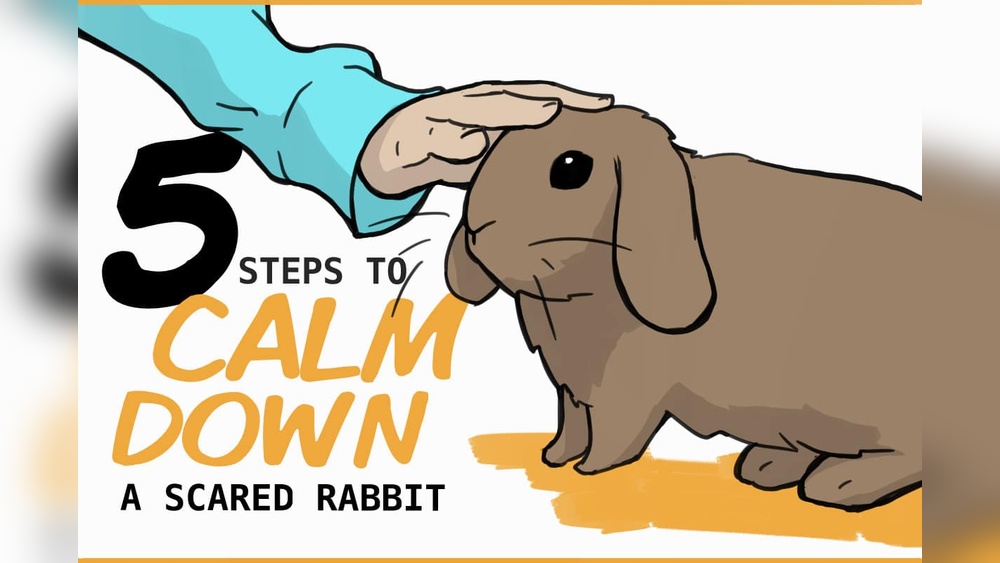
Gentle petting helps rabbits feel loved and secure. Use slow, soft strokes along their back. Avoid quick or rough touches that may scare them.
Regular grooming removes loose fur and prevents matting. It also creates a quiet time for bonding. Your rabbit will enjoy the calm and care.
Interactive Toys
Toys keep rabbits busy and reduce stress. Choose chew toys and puzzle feeders. These engage their mind and body gently.
Interactive toys give rabbits a fun way to relax. They can focus on playing instead of feeling nervous. Rotate toys often to keep interest high.
Providing Hiding Spots
Rabbits feel safe with a place to hide. Cardboard boxes or tunnels work well. These spots offer a quiet retreat from noise or activity.
Hiding places let rabbits rest without worry. They can watch their surroundings while feeling protected. Make sure the space is cozy and easy to access.
Diet And Hydration Tips
Diet and hydration play a big role in calming a rabbit. Proper food and water help keep your pet relaxed and healthy. A balanced diet supports good digestion and reduces stress. Fresh water is essential for hydration and well-being.
Foods That Promote Relaxation
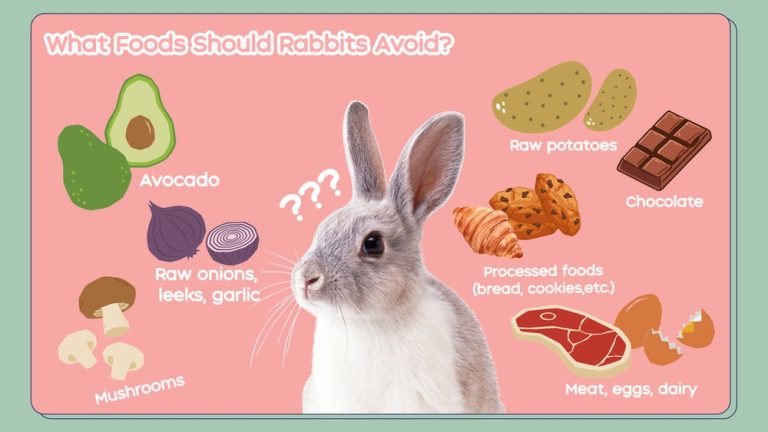
Certain foods can soothe your rabbit’s nerves. Fresh hay is the best choice. It aids digestion and keeps your rabbit busy. Dark leafy greens like spinach and kale help calm rabbits. Herbs like basil and parsley have natural calming effects. Avoid sugary treats and processed foods. These can make your rabbit anxious or hyperactive.
Ensuring Fresh Water Access
Water is vital for your rabbit’s health and calmness. Always provide clean, fresh water every day. Use a water bottle or a heavy bowl to prevent spills. Check the water supply twice daily. Dehydration can cause stress and health issues. Proper hydration keeps your rabbit comfortable and relaxed.

Credit: bunnylady.com
Routine And Consistency
Rabbits feel safe with routine and consistency. A steady schedule helps them stay calm and relaxed. They learn what to expect, which lowers stress. Changing their routine can confuse or scare them. Keeping things predictable creates a peaceful environment for your pet.
Establishing Daily Schedules
Set regular times for feeding your rabbit each day. Consistent play and rest times also help. Try to keep cleaning and handling at the same times. This routine helps your rabbit know what is next. Predictable activities reduce anxiety and make your rabbit trust you.
Benefits Of Predictability
Rabbits thrive when life is clear and consistent. Predictability reduces fear and nervousness in rabbits. They feel more secure and less likely to hide. A calm rabbit is easier to care for and enjoy. Routine supports good health and a happy pet.
When To Seek Veterinary Help
Knowing when to seek veterinary help for your rabbit is very important. Rabbits can hide pain well. Sometimes, signs of illness or stress are easy to miss. Acting quickly can save your rabbit’s life.
Recognizing Health Issues
Look for changes in eating or drinking habits. If your rabbit stops eating, it needs care fast. Watch for unusual droppings or diarrhea. Check for breathing problems or runny eyes. Limping or swelling shows pain or injury. A sick rabbit may hide or be very still. These signs need a vet’s attention right away.
Stress-related Illnesses
Stress can cause serious health problems in rabbits. Teeth grinding or excessive grooming shows stress. Hair loss or skin sores may appear too. Rabbits under stress can develop gut stasis. This is a dangerous condition that slows digestion. If your rabbit acts restless or hides too much, it may be stressed. A vet can help reduce stress and treat illness.
Credit: store.secondstep.org
Frequently Asked Questions
How Can I Calm Down A Scared Rabbit Quickly?
Gently approach your rabbit with slow movements. Speak softly to soothe them. Offer a favorite treat to build trust and calm.
What Are Signs Of A Stressed Rabbit To Watch?
Signs include rapid breathing, thumping, hiding, and aggressive behavior. Recognizing stress early helps you provide comfort and reduce anxiety effectively.
Which Environment Helps Relax A Nervous Rabbit Best?
A quiet, safe space with soft bedding calms rabbits. Avoid loud noises and sudden movements to create a stress-free environment.
Can Handling Techniques Reduce A Rabbit’s Anxiety?
Yes, gentle and consistent handling builds trust. Support their body fully and avoid squeezing to keep them comfortable.
Conclusion
Calming a rabbit takes patience and gentle care. Speak softly and move slowly to avoid stress. Offer treats and a safe space for comfort. Watch their body language to know when they relax. Small steps build trust between you and your pet.
A calm rabbit is a happy rabbit. Keep practicing these tips daily for best results. Caring for your rabbit helps create a strong bond. Peaceful moments with your pet bring joy to both. Simple actions can make a big difference in their mood.