How Long Can You Leave a Rabbit Alone: Essential Care Tips
Have you ever wondered how long you can leave your rabbit alone without worrying? If you’re a rabbit owner, this question is probably on your mind more than once.
Rabbits are delicate creatures that need care and attention, but sometimes life gets busy, and you might need to step away. Knowing the right amount of time your furry friend can be alone will help you avoid stress for both you and your pet.
Keep reading to discover the essential facts that will keep your rabbit safe and happy while you’re away.
Credit: www.burgesspetcare.com
Rabbit Social Needs
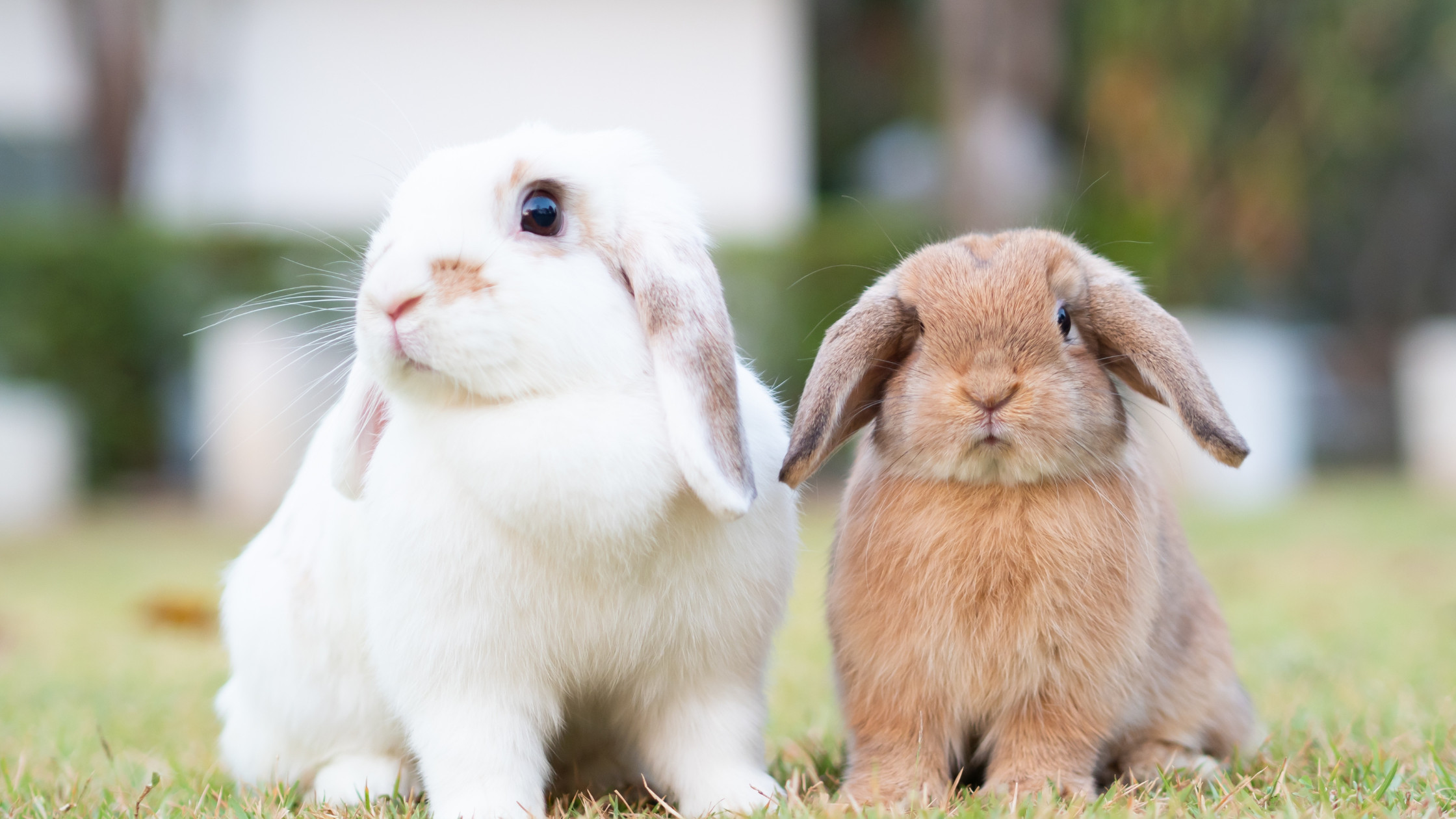
Rabbits are social animals. They enjoy company and need interaction to stay happy. Leaving a rabbit alone for too long can cause stress and sadness. Understanding their social needs helps you care for them better.
Rabbits can bond with other rabbits or humans. They like to play, groom, and rest together. Social time keeps them healthy and active. Without enough attention, rabbits may feel lonely and bored.
Why Rabbits Need Companionship
Rabbits live in groups in the wild. They use friends for comfort and safety. Being alone feels strange and scary for them. Companionship reduces fear and makes rabbits feel calm.
Friends help rabbits stay active and curious. They share warmth and protect each other. Having a partner stops bad habits like chewing and digging. Rabbits are happier with someone to talk to.
Signs Of Loneliness In Rabbits
Lonely rabbits may stop eating or grooming themselves. They might become quiet or very restless. Some rabbits show anger or hide a lot. These signs mean your rabbit needs more company or attention.
Watch for changes in behavior like chewing cage bars. Lack of play or energy also shows sadness. Noticing these signs early helps you act quickly. Giving your rabbit more social time improves their mood.
Credit: www.rabbitholehay.com
Safe Alone Time Duration
Knowing how long a rabbit can stay alone is important for their health and happiness. Rabbits need care, food, and social time daily. Leaving them alone too long can cause stress and health issues. Understanding safe alone time helps you plan better for your pet’s needs.
Short-term Absences
Rabbits can stay alone for a few hours without problems. Four to six hours is usually safe if they have enough food and water. Their living space should be clean and secure. Make sure they have fresh hay and water available. Check that their environment is safe from hazards. Short absences let rabbits rest and relax in their space.
Extended Periods Alone
Rabbits should not be left alone for more than 12 hours. Longer times can cause loneliness and hunger. For absences over 12 hours, arrange for a pet sitter or friend to check on them. Rabbits need daily care for feeding and cleaning. Extended alone time can lead to health problems and boredom. Frequent visits keep rabbits happy and healthy.
Preparing Your Rabbit For Alone Time
Preparing your rabbit for alone time helps keep it safe and happy. Rabbits need a calm and secure place to rest. They also need enough food and water. Toys and activities stop boredom and stress. Proper preparation makes alone time easier for your rabbit.
Creating A Comfortable Space
Choose a quiet spot for your rabbit’s area. Use soft bedding that is clean and dry. Make sure the space is free from drafts and loud noises. Give your rabbit enough room to move and stretch. A cozy space helps your rabbit feel safe.
Ensuring Food And Water Supply
Fill the water bowl or bottle with fresh water. Provide enough hay and pellets to last the whole time. Use heavy bowls to avoid spills. Check food and water before you leave. Rabbits need constant access to food and water to stay healthy.
Providing Toys And Enrichment
Offer chew toys to keep your rabbit busy. Use tunnels, cardboard boxes, or safe wooden items. Change toys regularly to hold your rabbit’s interest. Enrichment stops boredom and encourages natural behavior. Happy rabbits are less stressed during alone time.
Health And Safety Checks
Health and safety checks keep your rabbit happy and safe. These checks help spot problems early. Rabbits hide pain well. Regular checks catch issues before they grow. Careful monitoring lowers risks during alone time.
Routine Health Monitoring
Check your rabbit’s eyes for clear, bright color. Look for runny or crusty eyes. Feel their fur for lumps or bald spots. Watch their nose for sneezing or discharge. Check teeth for overgrowth or uneven bite. Notice changes in eating or bathroom habits. Track their weight weekly for sudden changes. Observe their energy and behavior daily.
Preventing Common Risks
Remove wires and small objects that rabbits chew. Secure toxic plants out of reach. Keep their living space clean and dry. Provide fresh water and hay daily. Avoid leaving them too long alone. Rabbits need social contact and mental activity. Check temperature to avoid overheating or cold stress. Use safe bedding to prevent allergies or injury.
Emergency Planning
Emergency planning is important for every rabbit owner. Rabbits need care and attention every day. Sometimes, emergencies happen. Being ready helps keep your rabbit safe and healthy. It also gives you peace of mind. You can plan ahead to handle unexpected events without stress.
Setting Up Emergency Contacts
Make a list of people who can help your rabbit. Include a trusted friend, family member, or neighbor. Share detailed care instructions with them. Add your vet’s phone number and address. Make sure these contacts can visit your home quickly. Keep this list in a visible and easy-to-find place.
Preparing For Unexpected Situations
Keep a supply of food, water, and medication ready. Store extra hay and pellets in a safe spot. Have a clean cage or carrier for emergencies. Know the signs of rabbit illness or distress. Practice quick care routines for your emergency contacts. This preparation helps your rabbit stay safe during sudden events.

Credit: www.youtube.com
Alternatives To Leaving Rabbits Alone
Leaving rabbits alone for long periods can cause stress and health issues. Finding alternatives helps keep them safe and happy. These options provide care and attention while you are away.
Hiring A Pet Sitter
Pet sitters visit your home to feed and play with your rabbit. They check on your pet’s health and clean its living area. This option gives your rabbit familiar surroundings and personal care. Choose someone who knows rabbits well and follows your instructions.
Using Boarding Services
Boarding services offer a safe place for your rabbit while you are gone. They provide daily care, exercise, and social time. Look for facilities with good reviews and experienced staff. Visit the place first to ensure it meets your rabbit’s needs.
Asking Friends Or Family For Help
Friends or family can care for your rabbit in your home or theirs. They already know your pet and routines. This option reduces stress for both you and your rabbit. Give clear instructions about feeding, handling, and health checks.
Frequently Asked Questions
How Long Can A Rabbit Be Left Alone Safely?
A rabbit can be left alone for 4 to 6 hours if well-prepared. Ensure food, water, and a safe environment are available. Longer periods require a pet sitter or companion to prevent stress and health issues.
What Should I Prepare Before Leaving My Rabbit Alone?
Provide fresh food, clean water, and a secure space before leaving. Remove hazards and ensure the litter box is clean. Offer toys and hideouts to keep your rabbit mentally stimulated and comfortable.
Can Rabbits Get Lonely If Left Alone Too Long?
Yes, rabbits are social animals and can get lonely. Long alone times may cause stress and behavioral problems. Consider getting a companion rabbit or arrange for regular human interaction.
How To Check If My Rabbit Is Okay When Alone?
Use pet cameras to monitor your rabbit’s behavior remotely. Look for signs like excessive chewing or lethargy. Regular check-ins help ensure your rabbit stays healthy and happy while alone.
Conclusion
Rabbits need care and attention every day. Leaving them alone too long can cause stress. A few hours alone is usually okay. More than 24 hours needs help from someone. Always prepare food, water, and a safe space. Check on your rabbit often for signs of trouble.
Small pets like rabbits depend on us. Their health and happiness come first. Plan ahead before leaving your bunny alone. That keeps your pet safe and comfortable. Caring for rabbits shows love and responsibility.