Can Rabbits Eat Clover Flowers: Safe Treats or Hidden Dangers?
If you have a pet rabbit or are thinking about getting one, you probably want to know what foods are safe for them. You might have noticed clover flowers growing in your garden and wondered, “Can rabbits eat clover flowers?” It’s natural to want to give your furry friend fresh, tasty treats.
But before you let them nibble on those pretty blossoms, you need to understand if clover is good or bad for your rabbit’s health. Keep reading to discover the truth about clover flowers and how they fit into your rabbit’s diet.
Your bunny’s well-being depends on the choices you make!
Nutritional Value Of Clover
Clover is a common plant that rabbits enjoy nibbling on. It is not only tasty but also offers good nutrition. Understanding the nutritional value of clover helps you decide if it is a healthy treat for your pet rabbit. The nutrients in clover support a rabbit’s overall health and energy.
Vitamins And Minerals In Clover
Clover contains important vitamins like vitamin C and vitamin K. These vitamins help keep a rabbit’s immune system strong. Clover also provides minerals such as calcium, magnesium, and potassium. These minerals support bone health and muscle function. Feeding clover gives rabbits a natural source of these essential nutrients.
Fiber Content And Digestibility
Clover has a moderate amount of fiber. Fiber helps rabbits digest their food properly. It also keeps their digestive system healthy and prevents problems. The fiber in clover is easy for rabbits to digest compared to some other plants. This makes clover a good choice for a balanced diet.
Credit: www.alamy.com
Benefits Of Clover For Rabbits
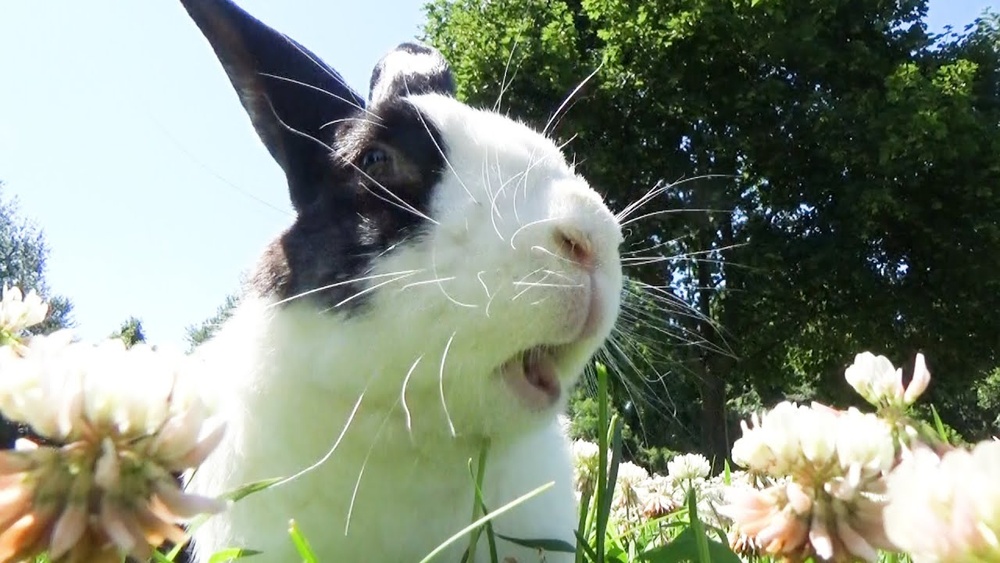
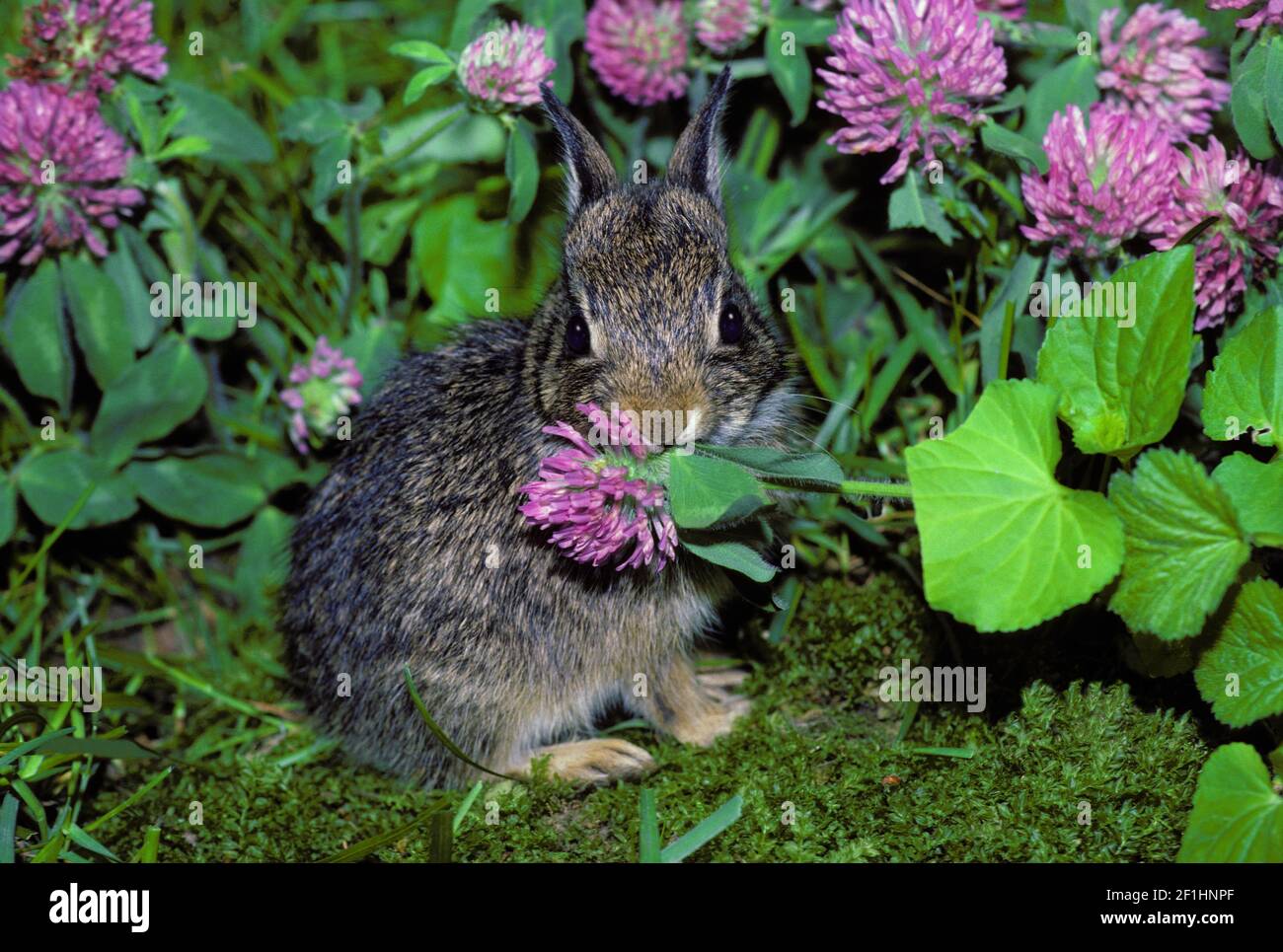
Clover flowers offer many benefits for rabbits. They provide a natural treat that is safe and healthy. Rabbits enjoy nibbling on clover, which can make their diet more interesting. This plant is not only tasty but also supports a rabbit’s well-being.
Feeding clover can help keep rabbits active and happy. It adds variety to their usual hay and pellets. Clover is a good source of nutrients and moisture, both important for a rabbit’s health.
Natural Foraging And Enrichment
Rabbits love to forage. Giving them clover flowers encourages natural behavior. It keeps their minds busy and reduces boredom. Foraging with clover also helps rabbits exercise their teeth and jaws.
This activity improves their mental health. It mimics what rabbits do in the wild. Providing fresh clover can make your pet feel more content and lively.
Hydration And Nutrient Boost
Clover flowers contain water that helps rabbits stay hydrated. This is very important, especially in warm weather. Eating clover adds moisture to their diet, supporting healthy digestion.
The plant also offers vitamins and minerals. These nutrients strengthen a rabbit’s immune system. Clover is a natural way to help keep your rabbit healthy and strong.
Potential Risks Of Clover
Clover flowers look like a tasty treat for rabbits. They are soft and sweet, which rabbits often enjoy. But clover can have risks that pet owners should know. Some parts of clover may harm rabbits if eaten too much or too often. Understanding these risks helps keep rabbits safe and healthy.
Toxic Compounds To Watch For
Clover contains certain chemicals that can be harmful. One is called “coumarin,” which may affect rabbit health in large amounts. Some types of clover have nitrates, which can upset digestion. Eating a lot of clover could cause stomach pain or sickness. Rabbits have sensitive stomachs that do not handle some plants well.
Allergic Reactions And Sensitivities
Some rabbits may be allergic to clover flowers. Allergies can cause itching, swelling, or skin rashes. Rabbits might sneeze or have watery eyes after eating clover. Watch your pet for signs of discomfort after trying clover. Stop feeding clover if any allergic symptoms appear.

Credit: uk.kavee.com
Safe Feeding Practices
Safe feeding practices keep rabbits healthy and happy. Not all plants suit their delicate digestive systems. Clover flowers can be a nice treat but need care.
Rabbits should eat clover in small amounts. Overfeeding can cause stomach problems or gas. Always observe your rabbit after feeding new foods.
How Much Clover Is Too Much?
Limit clover to a few small pieces daily. Too much clover may cause diarrhea or bloating. It is best as an occasional snack, not a main food.
Young rabbits or those with sensitive tummies should have even less. Gradually introduce clover to watch for any reaction.
Preparing Clover For Rabbits
Pick fresh clover from clean, pesticide-free areas. Rinse clover thoroughly under cool water to remove dirt and bugs. Dry gently with a clean towel before serving.
Remove any yellow or wilted parts. Offer clover at room temperature for best taste. Avoid clover with chemicals or near busy roads.
Alternatives To Clover
Rabbits enjoy a variety of plants in their diet, but clover is not always the best choice. Some rabbits may have allergies or digestive issues with clover. Many safe and tasty alternatives exist. These options provide good nutrition and keep your rabbit happy and healthy.
Other Safe Flowers And Greens
Rabbits love fresh greens and flowers that are safe to eat. Dandelion leaves offer vitamins and minerals. Basil leaves bring a sweet taste rabbits enjoy. Mint adds a refreshing flavor and helps with digestion. You can also give small amounts of rose petals and hibiscus flowers. These choices add variety and keep your rabbit interested in their meals.
Commercial Rabbit Treat Options
Many stores sell treats made just for rabbits. These treats often include natural ingredients and are balanced for rabbit health. Look for options with herbs, dried vegetables, or safe fruits. Avoid treats with too much sugar or artificial additives. Commercial treats can be a good way to reward your rabbit without risking their diet.
Signs Of Clover-related Issues
Rabbits can enjoy clover flowers, but sometimes issues arise. Knowing the signs of clover-related problems helps keep your pet safe. Watch your rabbit closely after eating clover to catch any concerns early.
Behavioral Changes
Rabbits may act differently if clover causes discomfort. They might stop eating or show less interest in food. Look for signs like hiding more or being less active than usual. Sudden restlessness or irritability can also signal trouble.
Health Symptoms To Monitor
Check for digestive issues such as diarrhea or bloating. Clover can sometimes upset a rabbit’s stomach. Watch for sneezing or runny nose, which may indicate allergies. Skin redness or itching might appear if your rabbit is sensitive to clover. Keep an eye on breathing; difficulty could mean a reaction.
Expert Tips For Rabbit Diets
Knowing the right foods for rabbits helps keep them healthy and happy. Expert tips guide you in making smart choices about their diet. This advice focuses on safe eating and variety to meet their needs.
Balancing Variety And Safety
Rabbits need different foods to get all nutrients. Fresh vegetables, hay, and safe flowers like clover can be good. Too much of one food can cause stomach problems. Introduce new foods slowly. Watch for signs of discomfort or allergies. Keep toxic plants and harmful foods far away.
Consulting A Veterinarian
Ask a rabbit expert about your pet’s diet. A vet knows the best foods for your rabbit’s age and health. They can tell if clover flowers are safe for your bunny. Regular check-ups help catch health issues early. Follow the vet’s advice to keep your rabbit strong.

Credit: www.reddit.com
Frequently Asked Questions
Can Rabbits Safely Eat Clover Flowers?
Yes, rabbits can safely eat clover flowers in moderation. Clover is nutritious and contains fiber, which aids digestion. However, avoid overfeeding as it may cause bloating or gas. Always introduce new foods gradually to prevent digestive issues.
Are Clover Flowers Toxic To Rabbits?
No, clover flowers are not toxic to rabbits. They are generally safe and healthy when fed in small amounts. Ensure the clover is free from pesticides or chemicals before offering it to your rabbit.
How Much Clover Can Rabbits Eat Daily?
Rabbits should eat clover flowers in small quantities as a treat. Limit clover intake to a few sprigs daily to avoid digestive upset. A balanced diet of hay, pellets, and fresh veggies remains essential.
Can Clover Flowers Cause Digestive Problems In Rabbits?
Excessive clover can cause digestive issues like gas or bloating in rabbits. Moderation is key to preventing discomfort. Always monitor your rabbit’s reaction when introducing clover or any new food.
Conclusion
Rabbits can safely eat clover flowers in small amounts. Clover provides some nutrients and variety to their diet. Too much clover may cause stomach upset or gas. Always introduce new foods slowly and watch for any problems. Fresh, clean clover is best to avoid pesticides.
Keep your rabbit’s main diet rich in hay and pellets. Treat clover as a special snack, not a meal. This helps keep your bunny happy and healthy every day.