Can Goats Eat Rabbit Pellets: Surprising Facts You Must Know
If you’re raising goats, you might be wondering if rabbit pellets can be a good snack for them. It’s easy to assume that pellets made for one animal could work for another, but when it comes to your goats’ health, you want to be sure.
Could feeding your goats rabbit pellets help or harm them? Keep reading to discover the surprising facts you need to know before offering these pellets to your goats. Your animals’ well-being depends on the choices you make, so don’t miss this essential guide.
Goat Diet Basics
Goats need a balanced diet to stay healthy and active. Their food must include various nutrients. Knowing what goats eat helps you care for them better.
Feeding goats the right food supports their growth and energy. It also helps prevent diseases. Understanding goat diet basics is key for any goat owner.
Essential Nutrients For Goats
Goats require protein, fiber, vitamins, and minerals. Protein helps build muscles and repair tissues. Fiber aids digestion and keeps the stomach working well.
Vitamins like A, D, and E support skin, bones, and immune health. Minerals such as calcium and phosphorus strengthen bones and teeth. Water is also vital for all body functions.
Common Feed Types
Goats eat hay, fresh grass, grains, and pellets. Hay is a main food source, rich in fiber. Fresh grass offers natural nutrients and moisture.
Grains provide extra energy and protein but must be given in moderation. Pellets are processed feed that combines many nutrients. Each feed type plays a different role in a goat’s diet.
What Are Rabbit Pellets?
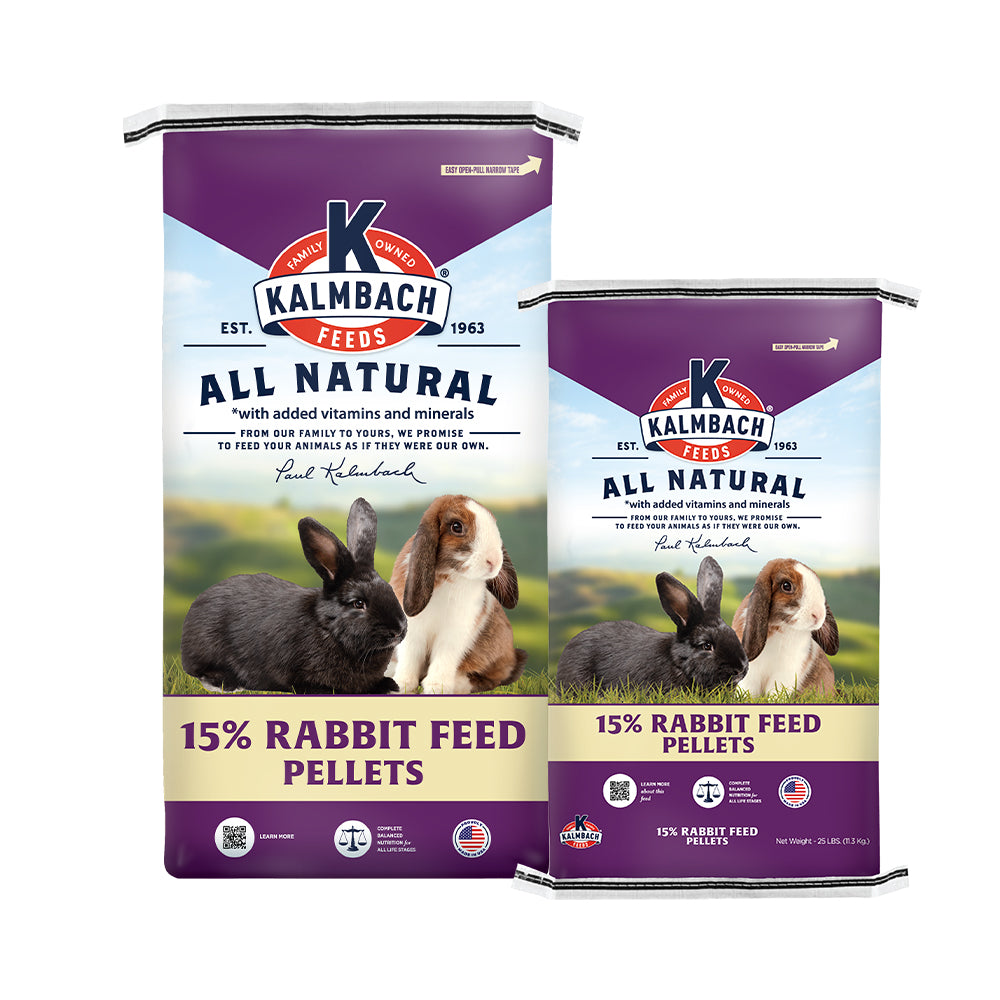
Rabbit pellets are a common type of animal feed designed specifically for rabbits. They come in small, dry, and compact pieces. These pellets help provide rabbits with the nutrients they need daily. Many small pet owners use rabbit pellets for easy feeding. Understanding what rabbit pellets contain helps us see if other animals can eat them.
Ingredients In Rabbit Pellets
Rabbit pellets usually contain hay, grains, and seeds. They often have alfalfa or timothy hay as a base. Some pellets include vitamins and minerals added for better health. The mix can have corn, oats, and soy for energy. Sometimes, pellets contain small amounts of molasses to improve taste. These ingredients help rabbits stay healthy and active.
Nutritional Profile
Rabbit pellets provide a balanced mix of fiber, protein, and fat. Fiber helps rabbits digest their food properly. Protein supports muscle growth and repair. Fat gives rabbits energy to move and play. Pellets also contain calcium and phosphorus for strong bones. Vitamins A, D, and E are often included for overall health. This mix suits rabbits but may differ from other animals’ needs.
Can Goats Safely Eat Rabbit Pellets?
Goats and rabbits have different diets. Rabbit pellets are made for rabbits, not goats. Many goat owners wonder if goats can eat rabbit pellets safely. This section explains the potential benefits and risks of feeding rabbit pellets to goats.
Potential Benefits
Rabbit pellets contain fiber, which helps goat digestion. They also have protein and vitamins. Goats may enjoy the taste of rabbit pellets. These pellets are easy to store and serve. In small amounts, they can be a treat for goats. Some minerals in rabbit pellets support goat health. They can add variety to a goat’s diet.
Risks And Concerns
Rabbit pellets are not made for goats. They may lack important nutrients goats need. Feeding too many pellets can cause health problems. Rabbit pellets often contain high calcium levels. This can harm goats if fed in excess. Some ingredients might upset a goat’s stomach. Long-term feeding may lead to nutritional imbalances. Always watch your goat’s reaction to new food. Avoid making rabbit pellets a regular diet part.
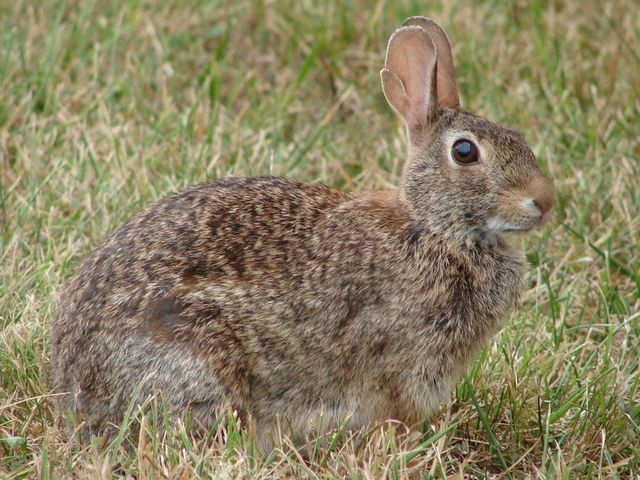
Credit: www.birdoculars.com
Comparing Goat Feed And Rabbit Pellets
Comparing goat feed and rabbit pellets helps understand their differences. Both are made for small animals but have distinct ingredients. Knowing these differences is important before feeding goats rabbit pellets. Goats and rabbits have unique dietary needs that affect what food suits them best.
Differences In Nutritional Needs
Goats need more fiber to keep their stomachs healthy. Their diet includes roughage like hay and grass. Rabbit pellets focus on higher protein and calcium for bone growth. Rabbit pellets contain alfalfa, which is rich in calcium and protein. Goats need balanced minerals and vitamins to avoid health problems. Rabbit pellets may lack some nutrients goats require. Feeding goats only rabbit pellets can cause imbalances over time.
Suitability For Long-term Feeding
Rabbit pellets are not ideal for goats long-term. Goats need a varied diet with plenty of roughage. Rabbit pellets are designed for smaller animals with different digestion. Feeding goats rabbit pellets regularly may lead to digestive issues. Goat feed contains a mix of grains, minerals, and fiber suited for goats. Using goat feed ensures goats get proper nutrition daily. Rabbit pellets can be used occasionally but not as a main feed.
When To Avoid Rabbit Pellets For Goats
Goats can eat rabbit pellets sometimes, but not always. There are times to avoid feeding rabbit pellets to goats. These pellets have different nutrients than goat feed. Feeding the wrong food can cause health problems. Knowing when to avoid rabbit pellets helps keep goats safe and healthy.
Health Issues To Watch
Rabbit pellets have high protein and fiber levels. Too much protein can harm goats’ kidneys. Some ingredients in rabbit pellets may upset a goat’s stomach. Rabbit pellets lack some minerals goats need. Feeding rabbit pellets too often can cause weight loss. It can also lead to poor coat quality. Avoid rabbit pellets for goats with kidney or liver issues. Pregnant or young goats need special diets too.
Signs Of Digestive Problems
Watch for bloating or swollen bellies after feeding rabbit pellets. Diarrhea or loose stools can appear quickly. Goats may stop eating or seem weak. Look for signs of pain like teeth grinding or vocalizing. Constipation is another sign of trouble. If goats show these symptoms, stop giving rabbit pellets. Consult a vet to avoid serious illness.
Credit: www.kalmbachfeeds.com
Alternatives To Rabbit Pellets For Goats
Goats need a balanced diet for good health. Rabbit pellets are not ideal for goats. They lack the nutrients goats require. Choosing the right feed helps goats grow strong and stay healthy. Here are some good alternatives to rabbit pellets for goats.
Recommended Goat Feeds
Look for feeds made especially for goats. These pellets have the right vitamins and minerals. They support goat digestion and immune health. Alfalfa hay is a great choice. It is rich in protein and calcium. Grain mixes with corn, oats, and barley also provide energy. Avoid feeds with too much salt or fillers. Always provide fresh water alongside feed.
Natural Foraging Options
Goats love to browse plants and shrubs. Letting them forage is natural and healthy. Leaves, twigs, and bushes offer fiber and nutrients. Clover, dandelion, and plantain are good plants for goats. Avoid poisonous plants like azaleas and rhododendrons. Fresh grass and weeds add variety to their diet. Foraging keeps goats active and happy.
Tips For Feeding Goats Safely
Feeding goats safely is important for their health and happiness. Goats have sensitive stomachs that react to new foods. Careful feeding helps avoid sickness and keeps goats strong. Follow these tips to feed goats safely and avoid common feeding problems.
Introducing New Feeds Gradually
Start with small amounts of new feed. Give goats time to adjust to the new taste and texture. Slowly increase the amount over several days. Sudden changes can cause stomach upset or diarrhea. Watch how your goats react to each new feed. Patience is key to safe feeding.
Monitoring Goat Health
Check your goats daily after feeding new foods. Look for changes in behavior or appetite. Watch for signs like bloating, diarrhea, or lethargy. Healthy goats stay active and eat well. If you see problems, stop the new feed immediately. Consult a vet if symptoms continue. Keeping a close eye helps catch issues early.

Credit: www.newcountryorganics.com
Frequently Asked Questions
Can Goats Safely Eat Rabbit Pellets?
Goats can eat rabbit pellets occasionally, but it’s not ideal. Rabbit pellets lack essential nutrients tailored for goats. Feeding too many can cause digestive issues. Use pellets designed specifically for goats for balanced nutrition and better health.
What Are The Risks Of Feeding Goat Rabbit Pellets?
Feeding goats rabbit pellets regularly may cause nutrient imbalances. Rabbit pellets are high in fiber but low in minerals goats need. This can lead to poor growth, weaker immunity, and digestive problems in goats over time.
Are Rabbit Pellets A Good Protein Source For Goats?
Rabbit pellets provide some protein but not in the right balance for goats. Goats need higher-quality protein from alfalfa or goat-specific feed. Rabbit pellets alone won’t meet goats’ protein requirements for optimal health.
How Often Can Goats Eat Rabbit Pellets?
Goats should eat rabbit pellets only occasionally as treats. Regular feeding is not recommended due to nutritional gaps. Stick to goat-formulated feeds daily and use rabbit pellets sparingly to avoid health issues.
Conclusion
Goats can eat rabbit pellets, but with caution and care. Rabbit pellets are richer in protein and nutrients than goat feed. Too much can upset a goat’s stomach or cause health problems. Use rabbit pellets only as a small treat or supplement.
Always provide fresh water and plenty of hay. Watch your goats for any signs of discomfort. Feeding the right diet keeps goats healthy and happy. Balance is key in their nutrition. Experiment slowly and observe their reaction. Safe feeding means strong, lively goats.