How to Take Care of a Sugar Glider: Essential Tips for Happy Pets
If you’ve decided to welcome a sugar glider into your home, you’re about to experience a unique and rewarding bond. But these tiny, lively creatures have special needs that are very different from other pets.
Taking care of a sugar glider isn’t just about feeding and cleaning—it’s about understanding their behavior, providing the right environment, and keeping them healthy and happy. If you want to make sure your sugar glider thrives and stays by your side for years, you need to get the basics right from the start.
Keep reading, and you’ll discover simple, effective tips that will help you become the best sugar glider owner possible.
Choosing The Right Cage
Choosing the right cage is very important for your sugar glider’s health and happiness. The cage gives them a safe place to live and play. A good cage helps your pet stay active and comfortable. It also keeps them safe from harm. The right cage size and materials matter a lot. So does the choice of cage accessories. These details make life better for your sugar glider.
Ideal Size And Material
Sugar gliders need space to climb and jump. The cage should be tall and wide. A minimum size of 24x24x36 inches works well. Bigger cages are better for active sugar gliders. Choose cages made of strong metal. Avoid cages with plastic parts that can break. Bars should be close together to stop escapes. A powder-coated or stainless steel cage lasts longer and resists rust.
Safe Cage Accessories
Accessories make the cage fun and cozy. Use natural wood branches for climbing. Avoid treated wood or sharp edges. Provide pouches or nesting boxes for sleeping. Use food and water containers that attach well to bars. Avoid glass or ceramic bowls that can break. Add ropes or ladders made of safe materials. Check all accessories often for wear or damage. Safe accessories keep your sugar glider happy and healthy.
Balanced Diet For Sugar Gliders
A balanced diet is key to keeping sugar gliders healthy and happy. These small marsupials need a mix of foods to get all their nutrients. Their diet must include fruits, vegetables, and protein sources. A proper diet helps maintain energy and supports their active lifestyle.
Fruits And Vegetables
Fruits and vegetables provide essential vitamins and minerals. Offer fresh options like apples, grapes, carrots, and sweet potatoes. Cut them into small pieces for easy eating. Avoid citrus fruits, as they can upset sugar gliders’ stomachs. Variety keeps their diet interesting and nutritious.
Protein Sources
Protein is vital for growth and repair. Include cooked eggs, mealworms, and insects in their meals. Some owners give small amounts of cooked chicken. Protein should be fresh and free from seasoning. Proper protein supports muscle health and boosts energy.
Avoiding Harmful Foods
Some foods can harm sugar gliders. Never feed chocolate, caffeine, or foods high in sugar. Avoid dairy products and processed human foods. These can cause illness and digestive problems. Stick to safe, natural foods to keep sugar gliders well.
Daily Care Routine
Taking care of a sugar glider daily is important for its health and happiness. A regular routine helps the pet feel safe and comfortable. You will need to focus on feeding and cleaning every day. These tasks keep your sugar glider active and healthy.
Feeding Schedule
Feed your sugar glider twice a day. Offer fresh fruits and vegetables in the morning. Provide a protein source like insects or cooked eggs in the evening. Always give clean, fresh water. Remove uneaten food to avoid spoilage. Keep the diet balanced to meet their nutritional needs.
Cleaning And Maintenance
Clean the cage daily by removing waste and leftover food. Change the bedding at least once a week. Wipe down food and water dishes every day. Check toys and accessories for damage. Regular cleaning prevents diseases and keeps the environment safe. A clean cage helps your sugar glider stay happy and healthy.

Credit: www.youtube.com
Social Interaction
Social interaction is vital for a happy sugar glider. These small animals are very social and need attention daily. Without enough interaction, they can feel lonely and stressed. Spending time with your sugar glider builds trust and strengthens your bond.
Bonding Techniques
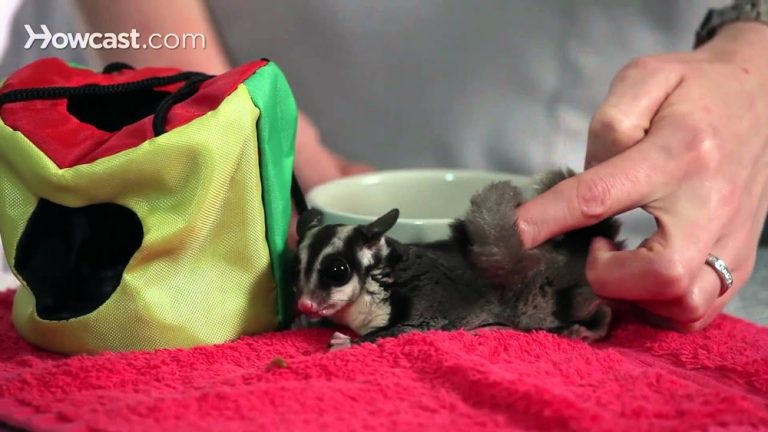
Start bonding by speaking softly to your sugar glider. Let it hear your voice and get used to you. Offer treats by hand to create positive feelings. Use a pouch to carry your sugar glider close to you. This helps it feel safe and secure. Play gentle games to keep the interaction fun and light. Patience is key; bonding takes time and care.
Handling Tips
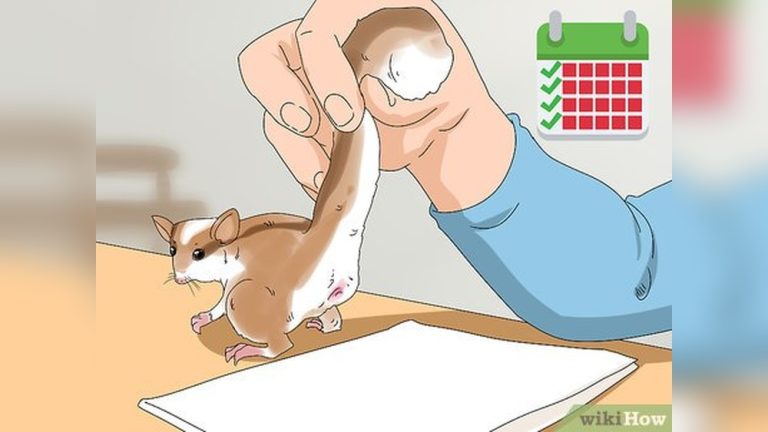
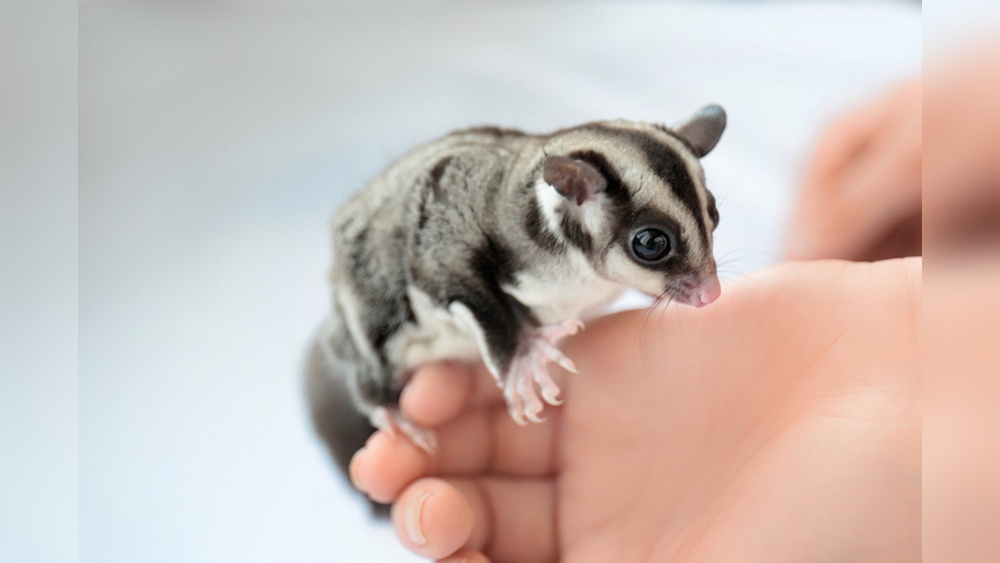
Handle your sugar glider gently and with slow movements. Avoid sudden actions that might scare it. Support its body fully when holding to make it feel safe. Let your sugar glider climb on your hand or shoulder. Never grab it by the tail; this can cause injury. Handle your pet daily to keep the bond strong.
Health And Wellness
Keeping your sugar glider healthy is very important. Good health means your pet will live longer and be happier. You must pay close attention to their daily habits and body. Regular care helps spot problems early. This makes treatment easier and more effective.
Common Health Issues
Sugar gliders can face many health problems. Some common ones include obesity, dental disease, and parasites. Nutritional deficiencies often cause weak bones and poor fur. Stress can lead to self-harm or loss of appetite. Watch for any changes in behavior or appearance.
Signs Of Illness
Look for signs like lethargy, weight loss, or difficulty breathing. Changes in eating or drinking habits can signal illness. Swelling, discharge, or wounds need quick attention. Excessive scratching or bald patches may show skin problems. Early detection saves lives and prevents suffering.
Regular Vet Visits
Take your sugar glider to a vet regularly. Choose a vet who knows exotic pets well. Routine check-ups help catch issues before they worsen. Vets can give vaccines and advice on care. Keep a health record and follow the vet’s instructions closely.

Credit: www.birdexoticsvet.com
Creating A Safe Environment
Creating a safe environment for your sugar glider is key to its health and happiness. These small creatures need special care to live comfortably. A safe space protects them from dangers and stress. It also helps them feel secure and calm. Focus on the right temperature, lighting, and accident prevention to build a perfect home.
Temperature And Lighting
Sugar gliders need warmth to stay healthy. Keep their habitat between 75°F and 80°F. Avoid cold drafts or direct heat sources. Use a gentle light cycle to mimic day and night. About 12 hours of light and 12 hours of darkness works best. Bright lights can scare sugar gliders, so choose soft lighting.
Preventing Accidents
Prevent accidents by removing sharp objects and choking hazards. Check cage bars and toys for loose parts. Make sure the cage is secure and escape-proof. Avoid placing the cage near windows or busy areas. These can cause stress and harm. Always supervise your sugar glider outside its cage. Small spaces and high places can be dangerous.
Enrichment And Play
Enrichment and play are vital for a happy sugar glider. These small animals need mental and physical stimulation. Without enough play, sugar gliders can become bored and stressed. Providing toys and activities helps keep them active. It also encourages natural behaviors that are important for their health. A good environment with plenty of play options improves their quality of life.
Toys And Activities
Choose toys that are safe and suitable for sugar gliders. Soft balls, ropes, and tunnels work well. These toys encourage climbing, jumping, and exploring. Puzzle feeders can keep their minds busy. Rotate toys often to keep things fresh. Create a play area where they can move freely and safely. Playtime outside the cage offers extra fun and exercise.
Encouraging Natural Behaviors
Sugar gliders love to climb and glide. Provide branches, ropes, and platforms for climbing. Nesting pouches or small boxes offer cozy hiding spots. Encourage gliding by creating open spaces between platforms. These activities support their instincts and improve health. Mimicking their natural environment reduces stress and promotes happiness. Regular interaction helps build trust and social skills.

Credit: www.youtube.com
Frequently Asked Questions
What Is The Best Diet For A Sugar Glider?
A balanced diet for sugar gliders includes fruits, vegetables, protein, and nectar. Fresh water should be available daily. Avoid sugary or processed foods to maintain their health and energy.
How Often Should I Clean A Sugar Glider’s Cage?
Clean the cage thoroughly once a week. Remove uneaten food and waste daily. Proper hygiene prevents infections and keeps your sugar glider comfortable and happy.
Can Sugar Gliders Live Alone Or Need Company?
Sugar gliders are social animals and thrive with a companion. Keeping them in pairs or small groups reduces stress and promotes natural behaviors.
How Much Space Does A Sugar Glider Need?
Sugar gliders need a large cage with vertical space for climbing. Minimum dimensions are 24x24x36 inches, allowing exercise and mental stimulation.
Conclusion
Taking care of a sugar glider needs time and patience. Provide fresh food and clean water every day. Give them a safe place to sleep and play. Spend time with your pet to build trust. Watch their health and behavior closely.
Small steps keep your sugar glider happy and healthy. Enjoy the bond you create together. Caring well brings joy to both you and your pet.