What Should I Feed My Sugar Glider Daily: Ultimate Nutrition Guide
Are you wondering what you should feed your sugar glider every day to keep it healthy and happy? Feeding your sugar glider the right foods isn’t just about filling its belly—it’s about giving it the energy and nutrients it needs to thrive.
If you want to avoid common mistakes and ensure your little friend stays active and playful, you need to know exactly what to include in its daily diet. Keep reading, and you’ll discover simple, effective tips that make feeding your sugar glider easy and worry-free.
Sugar Glider Diet Basics
Sugar gliders need a diet that supports their active and social nature. Their daily food must provide energy and nutrients for good health. A proper diet helps prevent illness and keeps them happy. Understanding the basics of their diet is important for every owner.
Essential Nutrients
Sugar gliders require protein, carbohydrates, fats, vitamins, and minerals. Protein helps build muscles and repair tissues. Carbohydrates give energy for jumping and playing. Fats support brain function and keep their coat shiny. Vitamins and minerals strengthen bones and support the immune system. Without these nutrients, sugar gliders can become weak or sick.
Balance Of Proteins, Fruits, And Vegetables
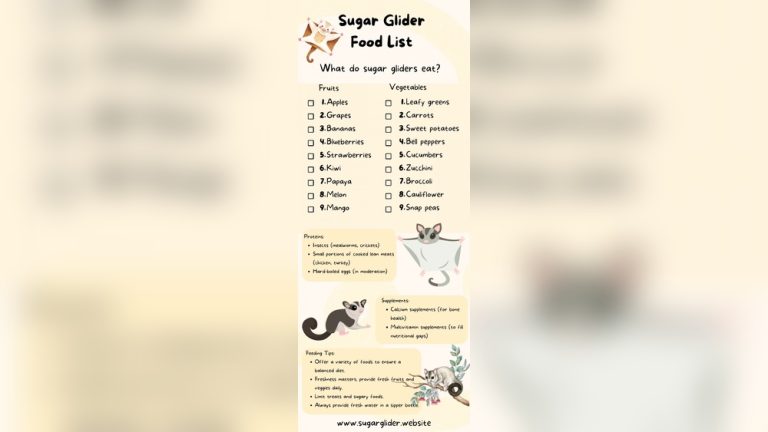
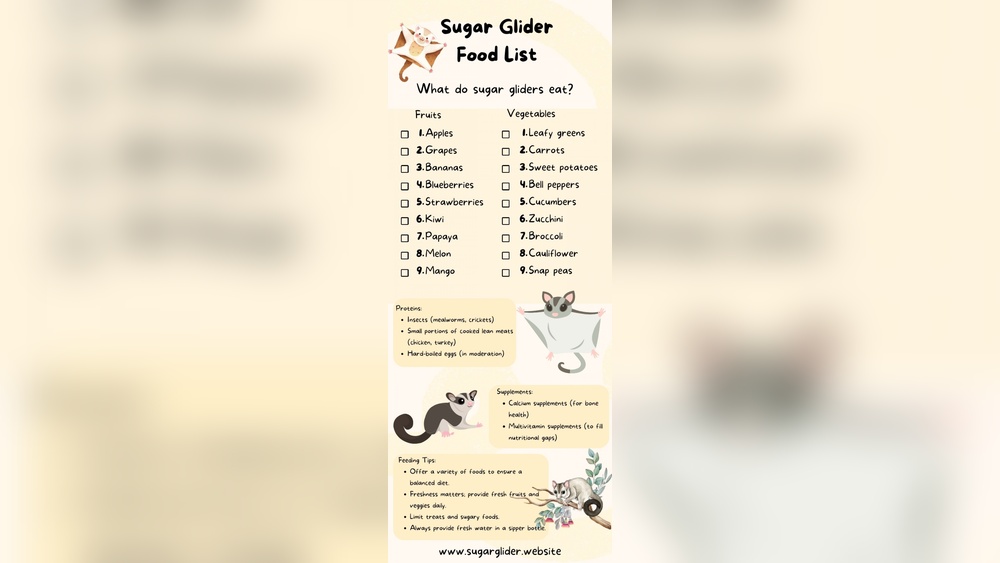
A balanced diet includes protein sources like insects or eggs. Fruits provide natural sugars and vitamins. Vegetables add fiber and minerals. Too much fruit can cause health problems because of sugar. Offer a mix of all these foods daily for best results. Variety keeps their diet interesting and nutritious.

Credit: www.reddit.com
Daily Feeding Routine
Creating a daily feeding routine for your sugar glider helps keep it healthy and happy. A regular schedule supports their natural habits and energy needs. It also makes it easier for you to manage their diet. Consistency matters for your pet’s well-being.
Understanding how often and how much to feed is key. This section breaks down the meal frequency, timing, and portion sizes.
Meal Frequency And Timing
Sugar gliders are nocturnal animals. They eat mostly at night. Offer food once or twice a day, ideally in the evening. This matches their natural feeding habits. Avoid feeding during the day to keep their routine normal. Small, frequent meals work best. It helps maintain their energy and digestion.
Portion Sizes
Portion control is important to prevent obesity and health problems. Feed about one to two tablespoons of food per meal. This includes fruits, vegetables, and protein sources. Watch your sugar glider’s weight and adjust portions as needed. Fresh food should be offered daily but in small amounts. Remove any uneaten food after a few hours to avoid spoilage.
Protein Sources For Sugar Gliders
Protein is essential for sugar gliders to stay healthy and active. It helps build strong muscles and supports their energy needs. Providing the right protein sources daily keeps them happy and thriving. Sugar gliders need a variety of proteins to mimic their natural diet.
Insects And Insect Alternatives
Insects are a natural protein source for sugar gliders. Crickets, mealworms, and waxworms are popular choices. These insects offer essential nutrients and help keep their diet balanced. Freeze-dried or live insects work well for feeding. For pets that don’t eat insects, insect alternatives like high-quality insect-based powders can be used. These powders mix easily into their food and provide necessary protein.
Lean Meats And Eggs
Lean meats such as cooked chicken or turkey are good protein options. Avoid seasoning or adding salt to keep it safe. Small pieces of boiled egg also provide excellent protein and vitamins. These foods should be given in small amounts to prevent overfeeding. Lean meats and eggs offer variety and help meet daily protein needs for sugar gliders.

Credit: site-craft.net
Fruits And Vegetables To Include
Fruits and vegetables are vital for a sugar glider’s daily diet. They provide essential vitamins, minerals, and fiber. These nutrients help keep your pet healthy and active.
Choose fresh, clean, and natural options. Avoid anything with pesticides or chemicals. Balance fruit and vegetable intake for best results.
Safe Fruits
Offer fruits like apples, pears, and grapes in small pieces. Blueberries and strawberries also work well. Melons and peaches are tasty treats. Remove seeds and pits before feeding. These fruits supply vitamins and natural sugars.
Recommended Vegetables
Leafy greens like kale, spinach, and romaine lettuce are excellent. Carrots, bell peppers, and sweet potatoes add variety. Cook sweet potatoes to soften them. Avoid starchy or hard vegetables that are tough to digest. Vegetables provide fiber and important nutrients.
Foods To Avoid
Never feed avocado, onion, or garlic. Citrus fruits like oranges and lemons can upset digestion. Avoid raw beans, rhubarb, and spinach in large amounts. These foods may be toxic or harmful. Always research before introducing new produce.
Special Treats And Supplements
Special treats and supplements play an important role in your sugar glider’s daily diet. They help keep your pet healthy and happy. Treats give variety to their food, making mealtime fun. Supplements support their bones and overall health. Careful choices improve their life quality.
Calcium And Vitamin Supplements
Calcium is essential for strong bones and teeth. Sugar gliders need extra calcium to avoid health problems. Use calcium powder or liquid supplements made for small animals. Vitamin D3 helps the body absorb calcium well. A balanced supplement keeps your sugar glider active and healthy.
Healthy Treat Options
Choose treats that are nutritious and safe. Fresh fruits like apples, pears, and berries make great treats. Offer small amounts of protein-rich foods like boiled egg or mealworms. Avoid sugary or fatty snacks. Treats should not replace their main diet. Treats keep your sugar glider excited about eating.
Hydration Needs
Sugar gliders need fresh water every day to stay healthy and active. You can also offer them fruits with high water content for extra hydration. Avoid sugary drinks or milk, as these can harm their health.
Water Availability
Sugar gliders need clean water every day. Fresh water helps them stay healthy and active. Use a small water bottle with a spout. Change the water daily to keep it fresh. Place the bottle where your sugar glider can reach it easily. Check the water bottle often for leaks or dirt. Avoid using bowls as they can spill or get dirty fast.
Hydrating Foods
Hydrating foods add extra moisture to your sugar glider’s diet. Fruits like apples, grapes, and melons contain a lot of water. Vegetables like cucumber and celery also help with hydration. Offer these foods in small amounts daily. Avoid sugary or processed foods that can harm your pet. A balance of water and hydrating foods keeps sugar gliders well hydrated and happy.
Common Feeding Mistakes
Feeding sugar gliders the right way is very important for their health. Many owners make common mistakes that can harm these small pets. These errors often come from not knowing their exact dietary needs.
Understanding what to avoid helps keep sugar gliders happy and healthy. It also prevents serious health problems later. Here are two big feeding mistakes to watch out for.
Overfeeding And Obesity
Feeding too much food causes weight gain in sugar gliders. Overfeeding leads to obesity, which is dangerous for them. Obese sugar gliders may have trouble moving and can get sick easily.
Limit treats and follow portion guides strictly. Avoid giving food all day long. Measure food amounts to keep their weight steady and healthy.
Toxic Foods To Avoid
Some common human foods are harmful to sugar gliders. Chocolate, caffeine, and onions must never be given. These foods can cause poisoning or even death.
Avoid sugary snacks and processed foods too. Stick to fresh fruits, vegetables, and protein sources safe for sugar gliders. Always check before feeding something new.

Credit: exoticnutrition.com
Adjusting Diet For Life Stages
Adjusting your sugar glider’s diet is important as it grows. Different life stages need different nutrients and food amounts. Feeding the right diet helps keep your pet healthy and active. Understanding these changes supports their well-being over time.
Juveniles
Young sugar gliders need more protein and calcium. These nutrients support fast growth and strong bones. Offer a mix of fruits, vegetables, and insects. Include fresh water daily. Avoid sugary treats that harm development.
Adults
Adult sugar gliders need a balanced diet for energy. Provide fruits, vegetables, and protein sources like mealworms. Limit sugary foods to prevent weight gain. Regular feeding times keep them healthy and happy.
Seniors
Older sugar gliders may eat less but need good nutrition. Focus on easy-to-digest foods rich in vitamins and minerals. Reduce high-fat and sugary items. Monitor their health and adjust food as needed.
Frequently Asked Questions
What Is The Ideal Daily Diet For A Sugar Glider?
A balanced sugar glider diet includes fresh fruits, vegetables, protein sources, and specialized pellets. Ensure variety for nutrition and avoid sugary or processed foods.
How Much Protein Should I Feed My Sugar Glider Daily?
Sugar gliders need around 50% protein in their diet. Include insects like mealworms or boiled eggs to meet their protein needs.
Can Sugar Gliders Eat Fruits Every Day?
Yes, fresh fruits are essential but should be given in moderation. Opt for low-sugar fruits like apples, berries, and melons.
What Vegetables Are Safe For Sugar Gliders Daily?
Safe vegetables include sweet potatoes, carrots, spinach, and kale. These provide vital vitamins and minerals to keep your sugar glider healthy.
Conclusion
Feeding your sugar glider the right food keeps it healthy and happy. Offer fresh fruits, vegetables, and proteins every day. Avoid sugary or fatty treats that can harm them. Clean water must always be available. Watch your pet’s eating habits and adjust as needed.
A balanced diet helps your sugar glider live longer and stay active. Simple care makes a big difference in their life. Always learn and improve your feeding routine for the best results. Caring for your sugar glider is a rewarding experience.