How to Bond With a Sugar Glider: Expert Tips for Instant Connection
If you’ve just brought a sugar glider into your home, you’re probably eager to build a strong bond with your new little friend. But bonding with a sugar glider isn’t always easy—it takes patience, trust, and the right approach.
Imagine having a tiny companion who feels safe and happy around you, who eagerly climbs onto your hand and snuggles close. You’ll discover simple, effective ways to connect with your sugar glider and create a relationship full of trust and affection.
Keep reading, and you’ll learn how to turn your sugar glider into a loving, lifelong buddy.
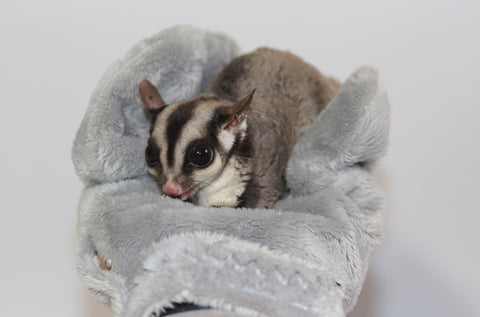
Credit: exoticnutrition.com
Sugar Glider Basics
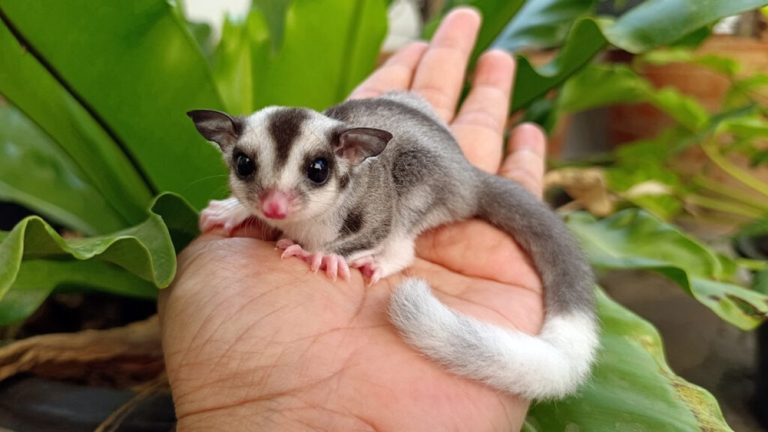
Sugar gliders are small, nocturnal marsupials native to Australia and Indonesia. They have soft fur and a unique ability to glide through the air. These creatures are social and need attention to thrive in a home environment.
Understanding the basics of sugar gliders helps build a strong bond. Knowing their behavior and daily needs ensures you provide the right care. This section covers essential facts about sugar gliders to get started.
Sugar Glider Behavior
Sugar gliders are active at night. They sleep during the day in pouches or nests. These animals communicate through soft chirps and tail movements. They enjoy climbing, jumping, and gliding between branches or cages. Social interaction is important. Sugar gliders live in groups in the wild. They may become lonely and stressed if left alone for long. They trust their owners slowly, needing patience and gentle handling.
Daily Needs And Habits
Sugar gliders eat a variety of foods. Their diet includes fruits, vegetables, insects, and nectar. Fresh water must be available all the time. They need a clean, safe cage with plenty of space to move. Gliders like sleeping in pouches or nests inside the cage. Regular playtime outside the cage helps keep them healthy. Nighttime activity means they are most energetic when you rest. Handling them gently each day builds trust and friendship.
Creating A Safe Space
Creating a safe space is the first step to bonding with your sugar glider. This small pet needs a calm and secure environment. A safe space helps your sugar glider feel relaxed and trust you more. It also reduces stress and encourages natural behaviors. Spend time making the right home for your new friend.
Ideal Cage Setup
Choose a cage that is tall and roomy. Sugar gliders love to climb and jump, so space matters. Use bars that are close together to prevent escapes. Add shelves and branches to mimic natural surroundings. Place a sleeping pouch or nest box inside. Keep the cage away from loud noises and direct sunlight. Clean the cage regularly to keep it fresh.
Comfort And Security Tips
Use soft bedding to make the cage cozy. Avoid strong smells or harsh chemicals near the cage. Let your sugar glider hide when it wants to. This builds trust and reduces fear. Talk quietly and move slowly around your pet. Offer treats by hand to create positive moments. Always check the temperature; sugar gliders prefer warm areas.
Building Trust
Building trust with your sugar glider is the first step to a strong bond. Trust helps your pet feel safe and comfortable around you. It takes time and patience to gain their confidence. Each sugar glider has its own personality and pace. Learning how to approach them and use food wisely will help you build that trust faster.
Approaching Your Sugar Glider
Move slowly and stay calm near your sugar glider. Sudden moves can scare them. Sit close and let them see and hear you clearly. Speak softly and avoid loud noises. Offer your hand without forcing contact. Let your sugar glider come to you. Watch their body language for signs of comfort or stress. Patience is key here. Gradually, your sugar glider will feel safe to explore your presence.
Using Food As A Bonding Tool
Food is a great way to build trust. Offer small treats by hand to encourage interaction. Start with favorite snacks like fruits or mealworms. Keep treats healthy and safe for sugar gliders. Avoid overfeeding to keep them healthy. Use food as a reward for calm behavior. Hand-feeding shows your sugar glider you are friendly. Over time, they will look forward to your visits and feel more secure.

Credit: www.youtube.com
Effective Handling Techniques
Effective handling is key to building trust with your sugar glider. Gentle and patient touches help your pet feel safe. Handling also teaches your sugar glider that you are a friend. This section shows simple ways to hold and the best times to interact.
Proper Ways To Hold
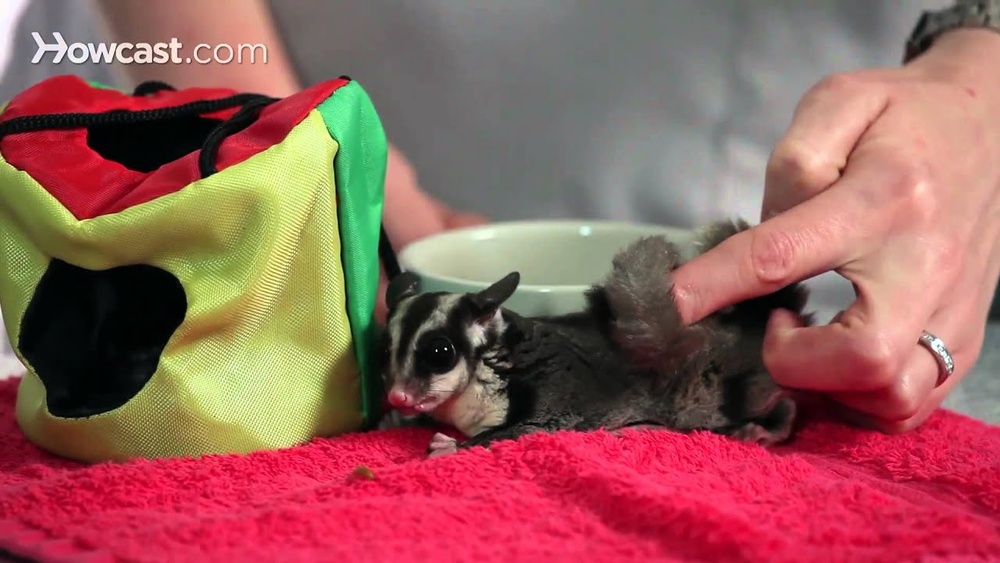
Support your sugar glider’s body fully. Use both hands to keep it steady. Hold it close to your chest for comfort. Avoid squeezing or sudden movements. Let your glider climb on your hand or arm. Use a soft cloth or pouch for extra security. Watch its reactions and stop if it feels stressed.
Timing Your Interaction
Choose quiet and calm moments to handle your glider. Nighttime is best since they are active then. Avoid handling after feeding or when sleepy. Start with short sessions to build comfort. Increase time as your sugar glider relaxes. Regular, gentle contact strengthens your bond. Be patient; trust grows with time and care.
Engaging Activities
Engaging activities help build trust and friendship with your sugar glider. They keep your pet happy and active. Spending time together creates a strong bond. These activities also teach your sugar glider to enjoy your presence.
Try different ways to play and train. Each moment spent together makes your relationship better. Simple, fun tasks make sugar gliders feel safe and loved.
Playtime Ideas
Use small toys like balls or tunnels. Sugar gliders love to explore and climb. Offer soft ropes or branches for climbing. Let them jump between your hands gently. Play in a quiet room for fewer distractions. Use treats to encourage movement and play. Short, frequent play sessions work best.
Training Basics
Start with simple commands like “come” or “stay.” Use treats as rewards for good behavior. Keep training sessions brief and positive. Repeat commands often to help learning. Be patient and gentle with your pet. Avoid loud voices or sudden movements. Regular training boosts trust and communication.
Reading Sugar Glider Signals
Reading sugar glider signals helps build trust and friendship. These tiny creatures use their bodies and sounds to talk. Understanding their signals makes bonding easier and safer. It shows respect for their feelings and needs.
Body Language Cues
Sugar gliders move their tails, ears, and eyes to share moods. A relaxed tail means they feel calm and safe. If the tail is stiff or flicking, they might be scared or upset. Ears that point forward show interest. Flattened ears mean they feel threatened. Slow blinking means they trust you. Quick movements can show excitement or nervousness.
Vocalizations And Their Meanings
Sugar gliders make many sounds to express themselves. A soft chattering noise means they are happy or curious. A loud bark warns of danger or fear. Hissing signals irritation or anger. Whimpering sounds show they want attention or feel lonely. Listening to these sounds helps you know their mood. Responding gently to their calls builds a strong bond.
Common Bonding Challenges
Bonding with a sugar glider can be a joyful experience. It also brings some challenges. These small animals have unique personalities and need time to trust their owners. Patience is key in building a strong bond.
Understanding common challenges helps you prepare. It makes the bonding process smoother and less stressful for both you and your pet.
Dealing With Shyness
Sugar gliders may hide at first. They might not want to come out or be touched. This shyness is normal and can last for days or weeks. Avoid forcing contact. Let your sugar glider explore at its own pace. Use soft voices and gentle movements to encourage trust. Offering treats helps them link you to good things.
Overcoming Fear And Stress
Sugar gliders get scared easily. Loud noises or sudden actions cause stress. Stress affects their health and slows bonding. Create a calm environment with low noise. Handle them gently and slowly. Keep their cage in a quiet place. Watch for signs of fear, like biting or hiding. Give them time to relax before trying again. Consistent care builds confidence over time.

Credit: www.forummagazine.org
Frequently Asked Questions
How Long Does It Take To Bond With A Sugar Glider?
Bonding with a sugar glider usually takes several weeks to months. Consistent daily interaction and gentle handling build trust. Patience and calm behavior are essential. Avoid sudden movements to prevent stress. Regular playtime and treats encourage bonding. Each sugar glider bonds at its own pace.
What Are The Best Bonding Techniques With Sugar Gliders?
Use hand-feeding, soft talking, and gentle petting to bond. Spend time in a quiet, calm environment. Offer favorite treats inside your shirt or pouch. Let your sugar glider explore you freely. Avoid forcing contact. Positive reinforcement strengthens your relationship.
Can Sugar Gliders Bond With Multiple People?
Yes, sugar gliders can bond with multiple people. Consistent interaction from each person is necessary. Each individual should spend time daily with the glider. Using similar bonding techniques helps. Sugar gliders enjoy social interaction, so multiple bonds are beneficial.
How Important Is Daily Interaction For Bonding Sugar Gliders?
Daily interaction is crucial for bonding sugar gliders. It builds trust and reduces stress. Short, frequent sessions work best. Lack of interaction can lead to fear and loneliness. Consistency helps sugar gliders feel safe and loved.
Conclusion
Building trust with a sugar glider takes time and patience. Spend quiet moments near their cage daily. Offer treats gently and speak softly to them. Watch their reactions and respect their pace. Bonding means learning their unique habits and needs.
Small steps lead to a strong friendship. Enjoy every moment as your bond grows. Caring for a sugar glider brings joy and companionship. Keep routines simple and consistent for comfort. Love and patience create a happy, lasting connection.