Flying Squirrel Vs Sugar Glider: Ultimate Pet Showdown Explained
Are you curious about the differences between a flying squirrel and a sugar glider? Maybe you’re thinking about which one would make a better pet or simply want to know more about these fascinating creatures.
Both animals look alike and glide through the air, but they have unique traits that set them apart. By the end of this article, you’ll have a clear understanding of their behavior, care needs, and personalities. Keep reading—you won’t want to miss the surprising facts that could change how you see these tiny gliders forever.
Credit: www.reddit.com
Physical Differences
Flying squirrels and sugar gliders are both small, tree-dwelling animals. They look similar at first glance. Yet, their physical traits show clear differences. These differences help tell them apart easily.
Size And Weight Comparison
Flying squirrels are generally larger than sugar gliders. They measure about 9 to 12 inches long. Their weight ranges from 4 to 6 ounces. Sugar gliders are smaller. They grow around 6 to 8 inches long. Their weight is usually 3 to 5 ounces.
Fur Texture And Color
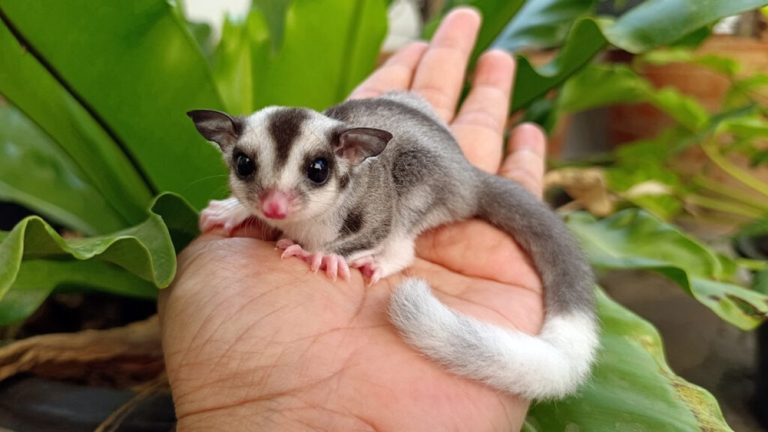
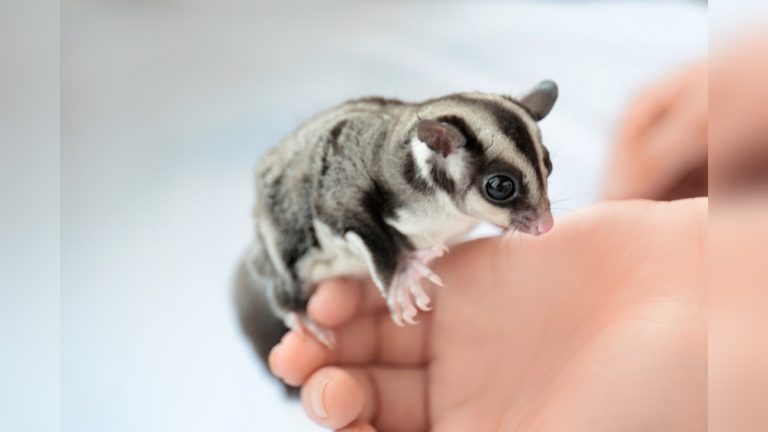
Flying squirrels have soft, dense fur. Their fur color is mostly gray or brown. It helps them blend into tree bark. Sugar gliders have smooth and silky fur. Their color is usually gray with a black stripe down the back. Their fur looks shinier than flying squirrels’.
Distinctive Features
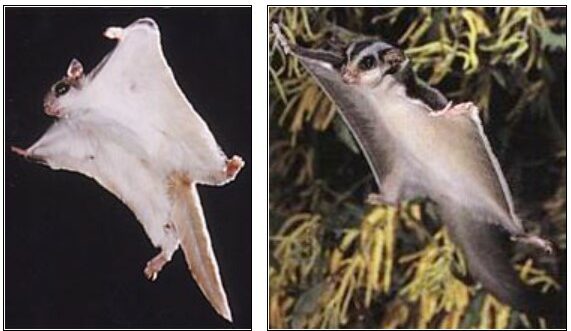
Flying squirrels have a loose skin flap between their front and back legs. This flap helps them glide between trees. Sugar gliders also have a skin flap for gliding. They have large, round eyes for night vision. Flying squirrels’ eyes are smaller. Sugar gliders have a long, thin tail. Flying squirrels’ tails are bushy and flat.
Habitat And Origin
Flying squirrels and sugar gliders live in very different parts of the world. Their habitats shape their behavior and lifestyle. Understanding where they come from helps to know more about these small, gliding mammals.
Natural Environments
Flying squirrels live mostly in forests with tall trees. They prefer dense woods where they can glide from tree to tree. These forests provide food like nuts and fruits. The thick canopy offers safety from predators.
Sugar gliders live in eucalyptus forests and woodlands. They are found in places with many flowering trees. These trees supply nectar, sap, and insects for food. Sugar gliders nest in tree hollows to stay safe.
Geographic Distribution
Flying squirrels are native to North America, Europe, and Asia. They live across a wide range from Canada to Japan. Each species adapts to local forest types and climates.
Sugar gliders come from Australia, Tasmania, and parts of New Guinea. They thrive in warm, temperate regions with plenty of trees. Their range is smaller but rich in biodiversity.
Behavior And Temperament
Flying squirrels and sugar gliders are small, nocturnal mammals with unique behaviors. Their behavior and temperament shape how they live and interact. Understanding these traits helps in caring for them as pets or observing them in the wild.
Social Interaction
Flying squirrels enjoy company but can be shy at first. They often live in small groups and use soft sounds to talk. Sugar gliders are very social and prefer living in larger groups. They communicate with a variety of sounds and body language. Both animals need social time to stay happy and healthy.
Activity Patterns
Both flying squirrels and sugar gliders are active at night. Flying squirrels spend much time climbing and gliding between trees. Sugar gliders are energetic and love to jump and glide for long distances. They both rest during the day in nests or pouches. Their nighttime activity helps them avoid many predators.
Handling And Taming
Flying squirrels can be gentle but may take time to trust humans. Regular, calm handling helps them get used to people. Sugar gliders often bond closely with their owners and show affection. They need careful handling to avoid stress. Patience and quiet interaction build strong bonds with both animals.

Credit: www.jandaexotics.com
Dietary Needs
Flying squirrels and sugar gliders have unique dietary needs. Their diets reflect their natural habits and environments. Understanding these needs helps keep them healthy and happy. Feeding the right foods supports their energy and growth.
Preferred Foods
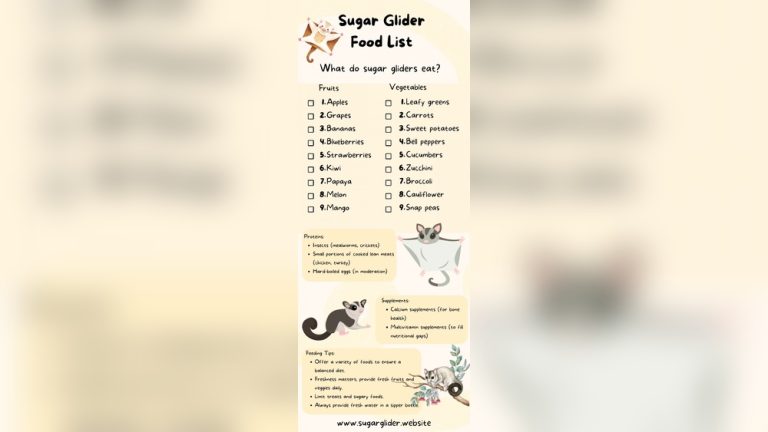
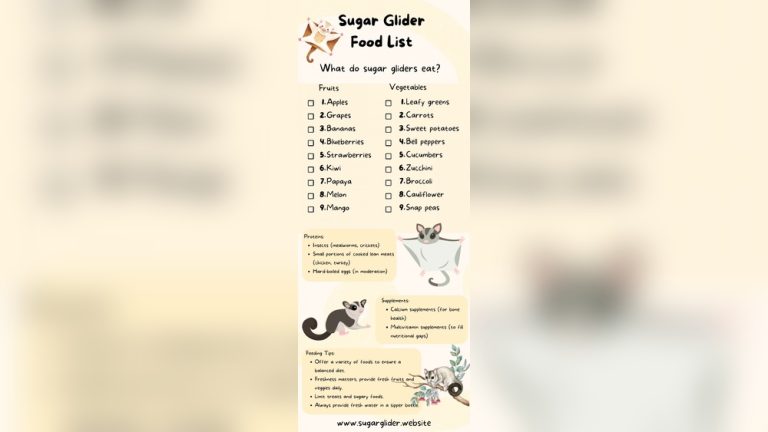
Flying squirrels enjoy nuts, seeds, and fruits. They also eat insects and small birds in the wild. Sugar gliders prefer sweet foods like nectar and sap. They also eat insects and small amounts of vegetables.
Nutritional Requirements
Both animals need protein for muscle and energy. Flying squirrels need a balance of fats and carbohydrates. Sugar gliders require calcium to keep their bones strong. Vitamins and minerals are important for both species.
Feeding Tips
Offer fresh fruits and nuts for flying squirrels. Provide a mix of protein and sweet foods for sugar gliders. Avoid giving sugary or processed human snacks. Always keep fresh water available. Feed small portions multiple times a day.
Housing Requirements
Providing the right housing for flying squirrels and sugar gliders is very important. Their homes must meet their physical and mental needs. Both animals are active and curious. They need space to move and things to explore. Proper housing helps keep them healthy and happy.
Cage Size And Setup
Flying squirrels and sugar gliders need tall cages. They like to climb and glide. A cage at least 24 inches wide, 24 inches deep, and 36 inches high works well. The bars should be close together to prevent escapes. Add branches and platforms for climbing. Use a solid base to catch waste and bedding.
Environmental Enrichment
Both animals enjoy toys and hiding spots. Include ropes, swings, and tunnels. These keep them busy and reduce stress. Offer nesting boxes or pouches for sleeping. Change toys regularly to keep their interest. Natural branches also help with chewing and climbing.
Temperature And Lighting
Flying squirrels and sugar gliders thrive in warm spaces. Keep their home between 70°F and 80°F. Avoid drafts and sudden temperature changes. Use soft lighting to mimic natural day and night. Bright lights can stress them out. A quiet, calm room works best.
Credit: evolution.berkeley.edu
Health And Lifespan
Flying squirrels and sugar gliders are popular small pets. Their health and lifespan are important to understand before adopting one. Knowing their common health problems helps keep them safe. Proper care can extend their lives and keep them happy.
Common Health Issues
Flying squirrels may face dental problems and obesity. They can also get respiratory infections. Sugar gliders often have calcium deficiencies and stress-related illnesses. Both pets are prone to parasites if not cleaned regularly. Watch for signs like lethargy or loss of appetite.
Preventive Care
Provide a balanced diet rich in vitamins and minerals. Clean their cages frequently to avoid infections. Regular vet check-ups catch illnesses early. Offer fresh water every day. Avoid sudden changes in temperature or diet to reduce stress.
Average Lifespan
Flying squirrels live around 5 to 6 years in captivity. Sugar gliders usually live between 10 to 12 years. Proper care can help both pets reach their full lifespan. Their lifespan in the wild is often shorter due to predators and disease.
Legal Considerations
Owning a flying squirrel or a sugar glider involves more than just care and attention. Legal rules vary widely across places. Understanding these rules protects you and the animals. It ensures you follow the law and keep your pets safe.
Ownership Regulations
Flying squirrels and sugar gliders face different ownership laws. Some states or countries ban them as pets. Others allow only certain species. Rules depend on local wildlife protection and safety concerns. Always check your area’s laws before getting one.
Permit Requirements
Many regions require permits to own these animals. Permits show you meet care and housing standards. They may require inspections or proof of knowledge. Without permits, owning these pets can lead to fines or confiscation. Start permit applications early to avoid delays.
Cost And Maintenance
Choosing between a flying squirrel and a sugar glider means thinking about cost and care. Both animals need special attention, but their expenses and maintenance differ. Understanding these differences helps you prepare for pet ownership.
Initial Expenses
Flying squirrels usually cost less to buy than sugar gliders. You might spend around $100 to $200 for a flying squirrel. Sugar gliders often cost $200 to $300 or more. Both need a cage, but sugar gliders require larger, more complex cages. You also need bedding, food dishes, and toys for both pets. Setting up a good home is important to keep them healthy and happy.
Ongoing Care Costs
Feeding flying squirrels is cheaper because they eat simple foods like fruits and insects. Sugar gliders need special diets with fresh fruits, vegetables, and protein. This can raise food costs. Vet visits for both pets are important. Sugar gliders may need more frequent checkups. Cleaning cages and replacing bedding add to monthly expenses. Regular attention to their diet and environment keeps them healthy.
Which Pet Suits You?
Choosing between a flying squirrel and a sugar glider as a pet can be tricky. Both are small, nocturnal creatures with unique behaviors. Understanding which pet suits your lifestyle helps ensure a happy home for you and your new friend. Consider your daily routine, experience with pets, and what you enjoy in a companion animal.
Lifestyle Compatibility
Flying squirrels need calm, quiet spaces to feel safe. They enjoy climbing and exploring but require a large cage. Sugar gliders are social and active, needing space to glide and interact. Both pets are nocturnal, so they are most lively at night. Consider your home environment and noise tolerance before choosing.
Experience Level
Flying squirrels are shy and need gentle handling. They may not be ideal for first-time pet owners. Sugar gliders are more social but require daily care and attention. Both need knowledge about their diets and health needs. Choose a pet that matches your experience with exotic animals.
Personal Preferences
Flying squirrels are quiet and usually less demanding of attention. Sugar gliders enjoy bonding and can be very playful. Think about how much time you want to spend with your pet. Flying squirrels suit people who prefer calm pets. Sugar gliders fit those who want a lively, interactive companion.
Frequently Asked Questions
What Are The Main Differences Between Flying Squirrels And Sugar Gliders?
Flying squirrels belong to the rodent family, while sugar gliders are marsupials. Flying squirrels glide using a membrane called the patagium. Sugar gliders have a similar membrane but also have a pouch for carrying babies. Their diets, behavior, and habitats also differ significantly.
Are Flying Squirrels Or Sugar Gliders Better Pets?
Sugar gliders are more social and require interaction, making them suitable for experienced pet owners. Flying squirrels are quieter and less demanding but need a calm environment. Both need specialized care, so choosing depends on your lifestyle and commitment.
How Do Flying Squirrels And Sugar Gliders Glide?
Both glide using a skin membrane stretched between their limbs. Flying squirrels spread their limbs wide to catch air and glide longer distances. Sugar gliders also extend their limbs but can steer more precisely during their glide.
What Do Flying Squirrels And Sugar Gliders Eat?
Flying squirrels primarily eat nuts, fruits, and insects. Sugar gliders have a more varied diet, including nectar, sap, fruits, and insects. Proper diet is essential for both to stay healthy in captivity.
Conclusion
Both flying squirrels and sugar gliders make unique pets. Each has special needs and habits to learn. Flying squirrels glide quietly at night. Sugar gliders are social and active in groups. Choose the one that fits your lifestyle best. Care and attention help either animal thrive.
Enjoy the journey of learning about these creatures. Your new pet will bring joy and wonder. Think carefully, then make your choice.