Gerbil Vs Rat: Ultimate Comparison for Pet Lovers
Are you trying to decide between a gerbil and a rat as your next pet? Both are small, furry, and full of personality, but they have very different needs and traits.
Choosing the right one can make a big difference in your daily life and happiness. You’ll discover the key differences that matter most—like behavior, care, and health—so you can make the best choice for you. Keep reading to find out which pet matches your lifestyle perfectly.

Credit: www.youtube.com
Appearance Differences
Gerbils and rats differ in many ways, especially in how they look. These differences help tell them apart easily. Understanding their appearance can guide you in choosing the right pet or knowing more about these animals.
Size And Weight
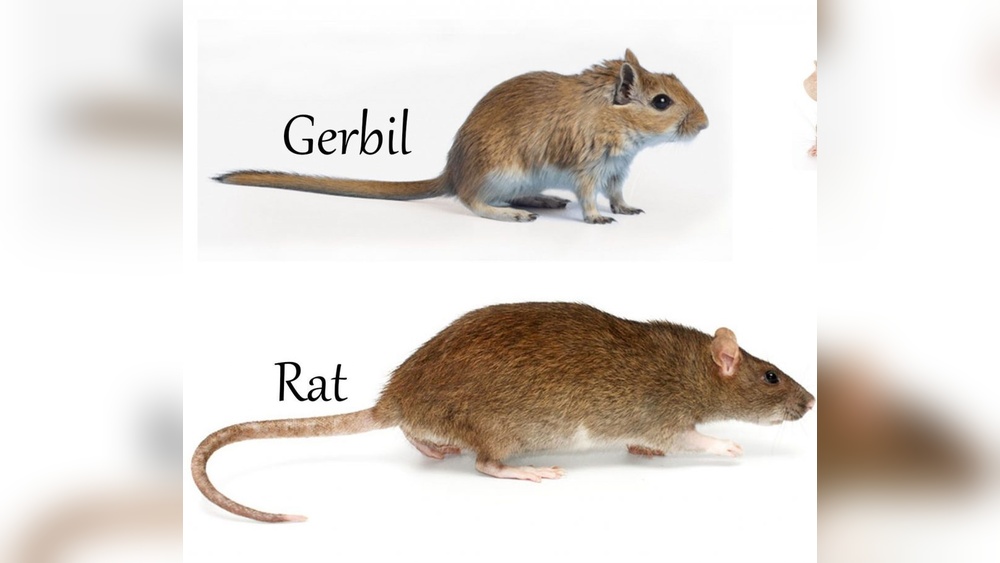
Gerbils are smaller and lighter than rats. They usually grow up to 4 to 5 inches long. Their weight ranges from 2 to 4 ounces. Rats are bigger, growing 9 to 11 inches long. They can weigh between 12 and 16 ounces. Size is a key factor to spot the difference fast.
Fur And Color Variations
Gerbils have soft fur that feels smooth to touch. Their colors vary from sandy, brown, gray to white. Rats have thicker fur and come in many colors too. Common colors include black, white, gray, and brown. Fur texture and color help identify each species clearly.
Tail Characteristics
Gerbil tails are covered with fur and look fluffy. Their tails are about the same length as their bodies. Rat tails are mostly hairless and feel rough. Rat tails are longer than their bodies. Tail type is one of the easiest ways to tell them apart.
Behavior And Temperament
Understanding the behavior and temperament of gerbils and rats helps in choosing the right pet. Both animals have unique traits that affect how they live and interact. Observing these differences can guide you to a better pet experience.
Social Nature
Gerbils are very social animals. They like to live in pairs or groups. They often groom each other and play together. Rats are also social and enjoy company. They form strong bonds with other rats. Keeping them alone can cause sadness and stress.
Activity Levels
Gerbils are active during the day. They love to dig and explore their surroundings. Their energy is steady but not too intense. Rats are mostly active at night. They have bursts of high energy and need space to run. Both need toys and activities to stay happy.
Interaction With Humans
Gerbils are curious but shy at first. They may hide when new people come close. With gentle handling, they become more trusting. Rats are friendly and often enjoy being held. They can recognize their owners and respond to their voice. Both animals can form close bonds with humans over time.
Living Environment
The living environment plays a big role in the health and happiness of gerbils and rats. Both animals need safe, clean spaces that suit their natural behaviors. Their cages must offer enough room to move, explore, and rest comfortably. Proper care in setting up their homes helps prevent stress and illness.
Cage Requirements
Gerbils need solid cages with deep bases. They love to dig and burrow, so the cage must hold plenty of bedding. Wire cages with a secure top work well for rats. They need more space than gerbils because they are larger and more active. Both animals need hiding places and toys to stay busy.
Bedding And Nesting
Use soft, dust-free bedding for both pets. Gerbils prefer sand mixed with paper bedding to dig and nest. Rats like shredded paper or wood pulp that they can shred and rearrange. Avoid cedar or pine wood chips. These can cause breathing problems and skin irritation in both animals.
Temperature And Humidity
Keep the cage in a room with stable temperatures. Ideal temperature is between 65°F and 75°F (18°C–24°C). Avoid direct sunlight and drafts. Both gerbils and rats do best in moderate humidity around 40% to 60%. High humidity can cause respiratory issues, so good ventilation is key.
Diet And Nutrition
Diet and nutrition play a key role in the health of both gerbils and rats. Each animal has different needs based on its natural habits and body functions. Feeding the right foods helps keep them active and happy. Understanding these needs makes pet care easier and more effective.
Preferred Foods
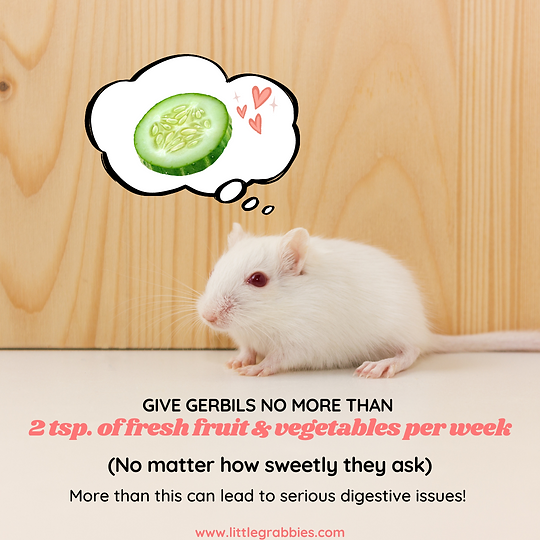
Gerbils enjoy dry foods like seeds, grains, and nuts. They also eat small amounts of fresh vegetables and fruits. Rats prefer a wider variety. They like grains, fruits, vegetables, and even some protein like cooked eggs or small insects. Both animals need fresh water daily.
Feeding Frequency
Gerbils do well with one or two meals a day. They store food in their cheek pouches, so they don’t need constant feeding. Rats eat more often. They like small meals spread throughout the day. Offering food twice daily works well for rats.
Common Dietary Issues
Gerbils can suffer from obesity if fed too many fatty seeds. Too much sugary food can cause diabetes in rats. Both animals need balanced diets to avoid digestive problems. Watch for signs like diarrhea or weight loss. Consult a vet for diet-related health problems.
Health And Lifespan
Understanding the health and lifespan of gerbils and rats helps in choosing the right pet. Both animals have unique health needs and live different lengths of time. Knowing these facts can improve their care and happiness.
Common Health Problems
Gerbils often face dental issues. Their teeth grow continuously and need proper chewing materials. They can also get respiratory infections, especially in damp cages. Rats may have tumors, which are common in older rats. They also suffer from respiratory problems and skin issues. Both animals need clean environments to avoid sickness.
Life Expectancy
Gerbils usually live between 2 to 4 years. Their lifespan depends on diet and care quality. Rats live slightly shorter lives, about 2 to 3 years. Proper care can extend their life. Both pets need attention to their health to live longer.
Preventive Care
Regular cage cleaning prevents many health problems. Fresh food and clean water are essential. Provide chew toys for gerbils to keep teeth healthy. Monitor pets for signs of illness like sneezing or lethargy. Early vet visits improve treatment success. Preventive care helps pets stay active and happy.
Training And Enrichment
Training and enrichment are key to keeping gerbils and rats happy and healthy. Both animals need activities that challenge their minds and bodies. Proper training helps build trust and creates a fun bond between you and your pet. Enrichment prevents boredom and supports their natural behaviors.
Training Ease
Rats are generally easier to train than gerbils. They learn simple commands quickly and respond well to treats. Gerbils are curious but less focused on training. They enjoy short sessions and gentle encouragement. Patience is important for both pets during training.
Toys And Activities
Gerbils love digging and chewing toys. Provide tunnels, wheels, and chew sticks. Rats enjoy puzzle toys and climbing structures. They like exploring new objects and mazes. Offering a mix of toys keeps both pets active and interested.
Mental Stimulation
Both gerbils and rats need mental challenges. Hide treats to encourage problem solving. Rotate toys often to maintain curiosity. Training tricks or simple games also boost their brain power. Mental stimulation supports healthy, happy pets.
Cost And Maintenance
Choosing between a gerbil and a rat means thinking about costs and care. Both pets need a safe home, food, and attention. These factors affect your budget and daily routine.
Initial Setup Costs
Gerbils need a cage with bedding and tunnels. Rats require a bigger cage with more space. Both need water bottles and food dishes. Gerbil cages often cost less. Rat cages might need extra toys and climbing spots. Setup costs depend on the pet’s size and needs.
Ongoing Expenses
Food for gerbils is usually cheaper than for rats. Both need fresh water daily. Bedding must be changed regularly for hygiene. Vet visits can add to costs. Rats may need more vet care. Treats and toys also add to monthly spending.
Time Commitment
Gerbils are active and need daily interaction. Rats are social and require more attention. Cleaning cages takes time every week. Rats need more playtime outside the cage. Both pets thrive with regular care and love.

Credit: www.omlet.co.uk
Choosing The Right Pet
Choosing the right pet can shape your daily life. Small pets like gerbils and rats are popular options. Each has different needs and traits. Understanding these can help you pick the best fit for your home and family.
Suitability For Families
Gerbils are gentle and active but shy around children. Rats are smart and social, often enjoying interaction with kids. Both need gentle handling to avoid stress or bites. Families with young children may find rats easier to bond with. Gerbils suit families who prefer pets with less direct contact.
Space Considerations
Gerbils require less space and smaller cages. They love to dig and tunnel, so their cages need bedding to burrow. Rats need larger cages with climbing areas and toys. Rats enjoy exploring and require more room to stay healthy. Consider the space you have before choosing either pet.
Allergy Concerns
Both gerbils and rats produce dander that can trigger allergies. Rats may cause stronger allergic reactions due to their size and fur. Regular cleaning of cages reduces allergens for both pets. People with allergies should spend time near these animals before deciding. This helps avoid unexpected allergy problems later.

Credit: www.youtube.com
Frequently Asked Questions
What Are The Main Differences Between Gerbils And Rats?
Gerbils are smaller, less aggressive, and more active during the day. Rats are larger, social, and nocturnal. Both have different care needs and temperaments, making them suited to different owners and environments.
Which Pet Is Easier To Care For, Gerbil Or Rat?
Gerbils require less space and are less messy. Rats need more social interaction and mental stimulation. Both require a clean cage, fresh food, and water daily.
Are Gerbils Or Rats Better For Children?
Gerbils are usually better for older children due to their delicate nature. Rats are more tolerant and interactive but need careful handling. Supervision is essential for both.
Do Gerbils Or Rats Live Longer?
Rats typically live 2 to 3 years, while gerbils live 3 to 4 years. Proper care can extend their lifespan. Both have relatively short lifespans compared to other pets.
Conclusion
Gerbils and rats both make interesting pets with different needs. Gerbils are small, active, and curious. Rats are larger, smart, and social animals. Each pet needs proper care, space, and attention to stay happy. Think about your lifestyle and home before choosing.
Both can bring joy and companionship. Choose the one that fits your daily routine best. Taking care of any pet teaches responsibility and kindness. Enjoy the fun of having a furry friend.