Mouse Vs Gerbil: Ultimate Pet Showdown for Your Perfect Companion
Are you trying to decide between a mouse and a gerbil as your next pet? Both are small, cute, and full of personality, but they have very different needs and behaviors.
Choosing the right one can make a big difference in your daily life and happiness. You’ll discover the key differences that matter most to you—how they act, what they eat, and how much care they need. By the end, you’ll feel confident about which furry friend fits perfectly into your home and routine.
Keep reading to find out which little companion is the best match for you.
Credit: smallpetselect.com
Pet Size And Appearance
Understanding the size and appearance of a mouse and a gerbil helps in choosing the right pet. Both animals look similar but have clear differences. These differences affect how they live and how you care for them.
Physical Differences
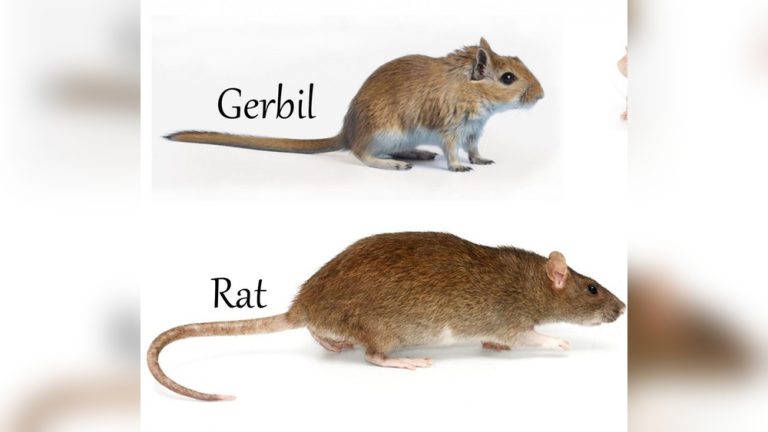
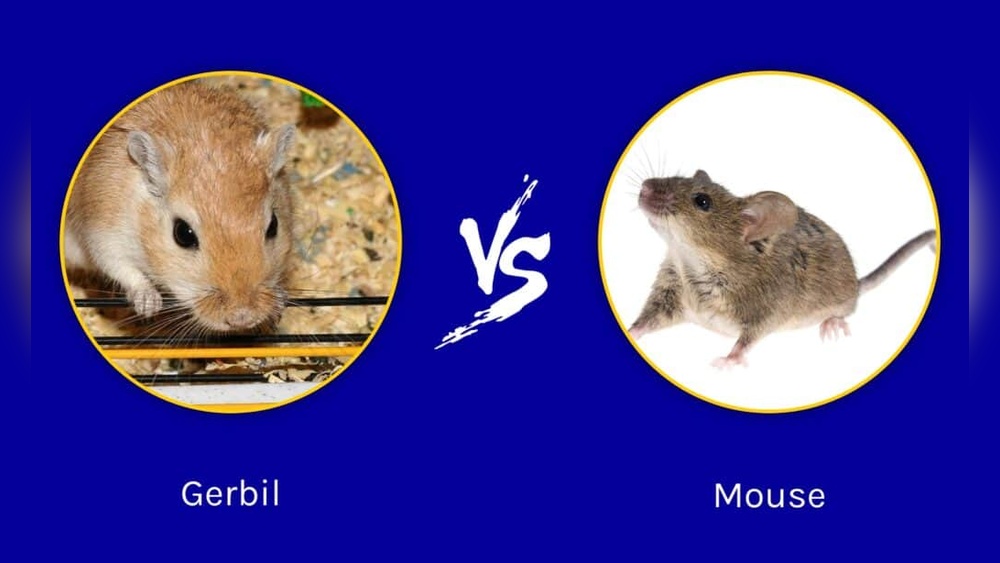
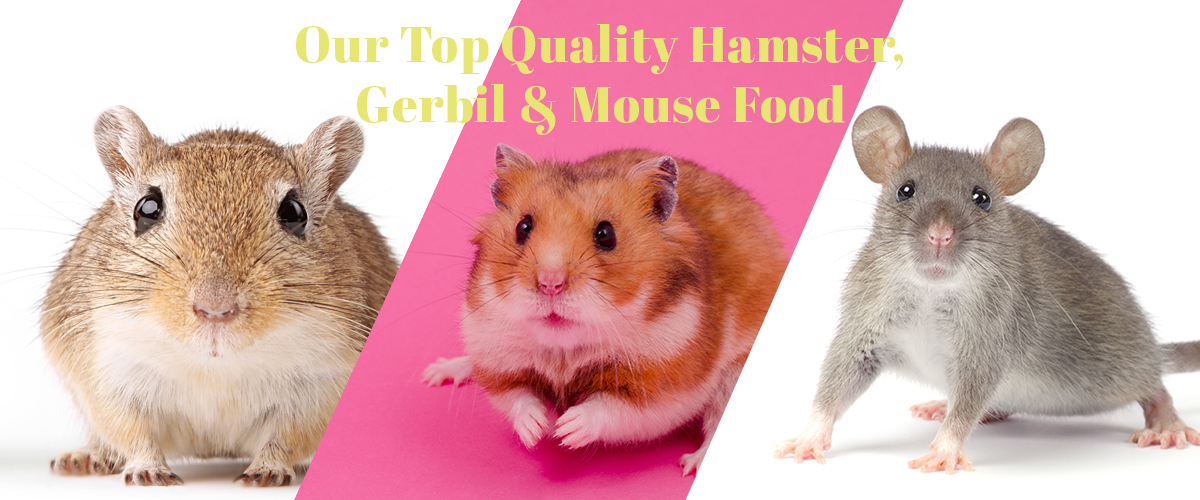
Mice are smaller and more delicate than gerbils. A typical mouse measures about 3 to 4 inches long, excluding the tail. Gerbils are larger, usually 4 to 5 inches long, with a thicker body. Gerbils have strong hind legs for jumping. Mice have slimmer legs and move quickly. The tail of a mouse is thin and mostly hairless. Gerbils have furry tails with a small tuft at the end.
Color And Fur Types
Mice come in many colors, including white, brown, gray, and black. Their fur is soft but short. Gerbils also show various colors like tan, black, gray, and white. Their fur is dense and feels a bit coarser. Gerbil fur often looks shinier than mouse fur. Both animals can have mixed colors and patterns. These color variations make each pet unique.

Credit: www.shutterstock.com
Behavior And Temperament
Understanding the behavior and temperament of mice and gerbils helps in choosing the right pet. Both animals show different habits and moods. These differences affect how they interact with people and other pets. Observing their activity and social nature gives clear insight into their personalities.
Activity Levels
Mice are very active, especially at night. They enjoy running on wheels and exploring new spaces. Their small size makes them quick and agile. Gerbils are also active but tend to be more energetic during the day. They love digging and burrowing. Gerbils need more space to move and play than mice.
Social Traits
Mice can be social but sometimes prefer being alone. They may fight if kept with unfamiliar mice. Gerbils are highly social and live well in pairs or groups. They groom each other and share burrows. Gerbils rarely show aggression unless stressed or crowded.
Care And Maintenance
Caring for a mouse or a gerbil means meeting their basic needs. These small pets require a clean, safe home and proper food. Understanding their care helps keep them healthy and happy.
Both animals need daily attention and regular cleaning. Their environment should be comfortable and stimulating. Providing the right diet is also very important. Let’s explore their care in detail.
Habitat Requirements
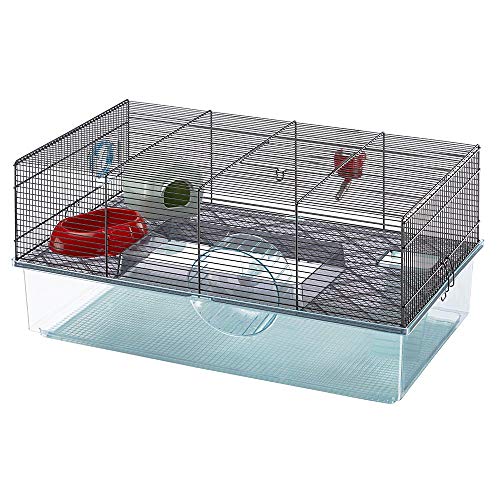
Mice and gerbils need cages that offer enough space. A minimum of 200 square inches of floor space works well. Use bedding that absorbs moisture and controls odor. Avoid cedar or pine shavings, as they can harm small pets.
Gerbils enjoy digging, so add tunnels or tubes. Mice like climbing, so include branches or ladders. Place the cage in a quiet room away from direct sunlight. Keep the temperature stable, between 65 and 75 degrees Fahrenheit.
Diet And Nutrition
Mice and gerbils need fresh, balanced food daily. Feed them a mix of seeds, grains, and pellets. Fresh vegetables like carrots and broccoli are good treats. Avoid sugary or fatty foods that can cause health problems.
Clean water must be available at all times. Change water daily to keep it fresh. Avoid placing food or water bottles inside the bedding. This prevents contamination and keeps the cage cleaner.
Health And Lifespan
Understanding the health and lifespan of mice and gerbils helps pet owners care better. Both animals have unique health needs. Knowing these can prevent common problems. Lifespan also varies, affecting how long you enjoy their company.
Common Health Issues
Mice often face respiratory infections. These can cause sneezing and breathing trouble. They may also get tumors as they age. Gerbils are prone to dental problems. Overgrown teeth affect eating and comfort. They can develop skin sores from rough bedding or fighting. Both need clean cages to avoid infections and mites.
Expected Lifespan
Mice usually live about 1 to 3 years. Small size and fast metabolism limit their lifespan. Gerbils live longer, often 3 to 4 years. They have stronger immune systems. Proper diet and care can extend both pets’ lives. Knowing these lifespans helps plan for their care and affection.
Training And Interaction
Training and interaction play key roles in building a bond with your pet mouse or gerbil. Both animals respond well to gentle care and consistent handling. Understanding their natural behaviors helps you interact better and gain their trust. Small steps in training lead to a friendly and sociable pet.
Taming Techniques
Start taming by offering treats through the cage bars. Let the mouse or gerbil get used to your hand presence. Speak softly and move slowly to avoid scaring them. Gradually, allow them to sniff your fingers. Use small food rewards to encourage approach. Repeat these steps daily for steady progress. Patience is vital; some animals take longer to tame than others.
Handling Tips
Always wash your hands before handling to remove scents. Scoop the mouse or gerbil gently with both hands. Avoid sudden moves that may cause stress. Support their body fully to make them feel secure. Handle them close to a soft surface in case of falls. Limit handling sessions to short times at first. Regular, calm handling improves their comfort and trust over time.
Cost And Accessibility
The cost and accessibility of mice and gerbils matter for many pet owners. Both animals need care and supplies, but the expenses vary. Understanding these costs helps choose the right pet for your budget and lifestyle.
Initial Expenses
Buying a mouse usually costs less than a gerbil. Mice are common pets and easy to find in pet stores. Gerbils can be more expensive and less available in some areas.
Both animals need cages, bedding, food, and toys. Cage prices depend on size and quality. Gerbils need bigger cages, which might cost more at first.
Ongoing Costs
Food for mice and gerbils is affordable. Both eat pellets and fresh vegetables. Bedding must be changed regularly to keep them clean.
Vet visits are rare but important. Gerbils may need fewer medical checkups. Mice can get sick more easily, raising vet costs.
Choosing The Right Pet
Choosing the right pet is important for a happy home. Pets need care, time, and attention. Picking a mouse or a gerbil depends on many factors. Understand your daily routine and family needs first. This helps in making the best choice for your lifestyle and home.
Matching Lifestyle
Mice and gerbils have different activity levels. Mice are active mostly at night. Gerbils are more active during the day. If you want a pet to watch in the evening, a mouse fits well. Gerbils need space to dig and run. They enjoy tunnels and toys. Mice are smaller and need less room. Consider how much time you have for play and cleaning. Gerbils may need more attention and care.
Family Considerations
Think about your family members and their needs. Mice can be shy and may bite if scared. Gerbils are usually friendly and curious. Small children should handle pets gently. Gerbils tolerate handling better than mice. Allergies may also affect your choice. Both pets need a safe and quiet place. Teach kids to respect the pet’s space. Choose the pet that fits best with your family’s habits and care level.

Credit: www.podologiaclaret.com
Frequently Asked Questions
What Are The Main Differences Between Mice And Gerbils?
Mice are more active and social, while gerbils are calmer and less noisy. Gerbils have longer hind legs for jumping. Mice are more prone to biting. Both require different care and habitat settings for optimal health.
Which Pet Is Easier To Care For: Mouse Or Gerbil?
Gerbils are generally easier to care for due to their clean habits and less odor. Mice need more social interaction and frequent cage cleaning. Both pets require balanced diets and safe environments but gerbils adapt better to handling.
Are Gerbils Or Mice Better For Children?
Gerbils are usually better for children because they are gentle and less prone to biting. Mice can be skittish and more aggressive if scared. Gerbils’ calm nature makes them easier to handle for young pet owners.
How Long Do Mice And Gerbils Typically Live?
Mice generally live 1 to 2 years, while gerbils live around 3 to 4 years. Proper care, diet, and environment can extend their lifespan. Gerbils tend to have a longer and healthier life span compared to mice.
Conclusion
Choosing between a mouse and a gerbil depends on your lifestyle. Mice are small, active, and need less space. Gerbils enjoy digging and are very curious pets. Both require care, love, and a safe home. Think about their habits and your time for care.
Either way, these pets bring joy and fun. They make great companions for many people. Decide what fits you best before bringing one home. Simple care and attention help them stay happy and healthy.