Can Chinchillas Eat Rabbit Food: Essential Facts You Must Know
If you have a chinchilla, you want to make sure it gets the best care, especially when it comes to food. You might be wondering, “Can chinchillas eat rabbit food?”
It’s a common question because rabbit food is easy to find and often looks like a good option. But is it safe for your chinchilla? You’ll discover the truth about feeding your chinchilla rabbit food. You’ll learn what’s good, what’s harmful, and how to keep your furry friend healthy and happy.
Keep reading—your chinchilla’s well-being depends on what you feed it!
Chinchilla Diet Basics
Chinchillas have special diet needs to stay healthy. Their food must be high in fiber and low in fat. Feeding them the right food helps their digestion and keeps their teeth strong. Understanding what chinchillas eat naturally gives clues about the best diet for them.
Natural Feeding Habits
Chinchillas live in the wild where they eat mostly grasses and plants. They chew on tough leaves and bark to wear down their teeth. Their diet is simple but full of roughage. This rough food helps their stomach work well and prevents problems.
They do not eat many fruits or seeds. These can cause health issues. Chinchillas prefer dry, fibrous plants that keep them active and healthy. Their food is always low in sugar and moisture.
Key Nutritional Needs
Fiber is the most important part of a chinchilla’s diet. It keeps their digestion smooth. Protein is needed but only in small amounts. Too much protein can harm their kidneys. Fat must be very low to avoid obesity.
Chinchillas need a steady supply of fresh water. Vitamins and minerals come from their natural food. Feeding them foods that match these needs helps prevent illness and keeps them happy. Their diet should be clean and fresh at all times.
Rabbit Food Composition
Understanding the composition of rabbit food helps to know if it suits chinchillas. Rabbit food mixes different ingredients to provide balanced nutrition for rabbits. These ingredients affect how safe and nutritious the food is for other animals.
Common Ingredients
Rabbit food usually contains hay, grains, seeds, and pellets. Timothy hay or alfalfa hay forms the base. Grains like oats and barley add energy. Seeds such as sunflower or flaxseed provide fats. Pellets include vitamins and minerals to support health.
Vegetables and dried fruits sometimes appear in mixes. These add taste and variety but may increase sugar levels. Rabbit food is mostly plant-based and fiber-rich. The fiber helps rabbits digest food well.
Nutritional Profile
Rabbit food has high fiber, moderate protein, and low fat. Fiber content ranges from 18% to 25%. Protein levels vary but stay around 12% to 16%. Fat is kept low to avoid weight gain in rabbits.
Vitamins like A, D, and E support immune and bone health. Minerals such as calcium and phosphorus keep bones strong. Some mixes include probiotics for gut health. Sugar content is low unless fruits are added.
This nutritional balance suits rabbits but may not match chinchilla needs. Chinchillas require very high fiber and low fat diets. Understanding these numbers helps decide if rabbit food fits chinchillas.
Comparing Chinchilla And Rabbit Diets
Chinchillas and rabbits have different diets that suit their unique needs. Both animals eat plants, but the types and amounts of nutrients vary. Understanding these differences helps keep each pet healthy and happy.
Fiber Requirements
Both chinchillas and rabbits need fiber to keep their digestion working well. Chinchillas require very high fiber in their diet. Their food mainly contains hay and special pellets with fiber. Rabbits also eat hay but can have more variety in fiber types. Good fiber helps prevent digestive problems and keeps teeth healthy.
Protein Levels
Chinchillas need low to moderate protein in their diet. Too much protein can cause health issues for them. Rabbit food often has higher protein levels, which suits rabbits but not chinchillas. Rabbits need more protein because they are larger and more active. Feeding rabbit food to chinchillas can lead to too much protein intake.
Vitamin And Mineral Needs
Vitamins and minerals are essential for both pets but differ in amounts. Chinchillas need less calcium than rabbits. High calcium can cause kidney problems in chinchillas. Rabbit food usually contains more calcium and some vitamins that chinchillas do not require. A diet matched to each animal’s needs supports strong bones and good health.

Credit: www.shopcarpetplus.com
Risks Of Feeding Rabbit Food To Chinchillas
Feeding rabbit food to chinchillas carries several risks. Chinchillas have delicate digestive systems. Their dietary needs differ from rabbits. Giving them the wrong food can cause health problems. Understanding these risks helps keep chinchillas safe and healthy.
Digestive Issues
Chinchillas need high fiber and low fat in their diet. Rabbit food often has more fat and protein. This can upset a chinchilla’s stomach. Diarrhea and bloating may occur. These digestive problems can lead to serious illness. Chinchillas may stop eating and lose weight. Their sensitive gut cannot process some rabbit food ingredients well.
Potential Toxic Ingredients
Some rabbit foods contain seeds, nuts, or dried fruits. These ingredients can be toxic to chinchillas. They may cause allergies or poisoning. Chinchillas should avoid foods with added sugars or artificial flavors. These additives harm their health over time. Feeding rabbit food risks exposing chinchillas to harmful substances. Always choose food made specifically for chinchillas.
Safe Feeding Practices
Safe feeding practices keep chinchillas healthy and happy. Their digestive systems are delicate. Feeding the right food prevents stomach problems and nutritional issues. Understanding what to offer and what to avoid is important. This ensures chinchillas get the nutrients they need without harm.
Some pet owners wonder about feeding rabbit food to chinchillas. It is not always safe. Rabbit pellets and chinchilla pellets differ in ingredients and nutrition. Knowing how to choose suitable pellets and supplementing with hay and treats helps maintain a balanced diet.
Choosing Suitable Pellets
Choose pellets made specifically for chinchillas. These pellets have the right fiber and nutrient levels. Rabbit pellets often contain extra ingredients like alfalfa, which is not good for adult chinchillas. Always check the label for ingredients. Avoid pellets with seeds, nuts, or dried fruits. These can cause digestive problems or obesity.
Buy pellets fresh and store them in a cool, dry place. Old or damp pellets lose nutrition and can grow mold. Feed the recommended amount daily to avoid overeating. Too much food can lead to weight gain and health issues.
Supplementing With Hay And Treats
Hay is a must-have in a chinchilla’s diet. It supports healthy digestion and wears down their teeth. Timothy hay is the best choice. Provide unlimited fresh hay every day. Avoid feeding rabbit hay mixes with alfalfa, as it is too rich for chinchillas.
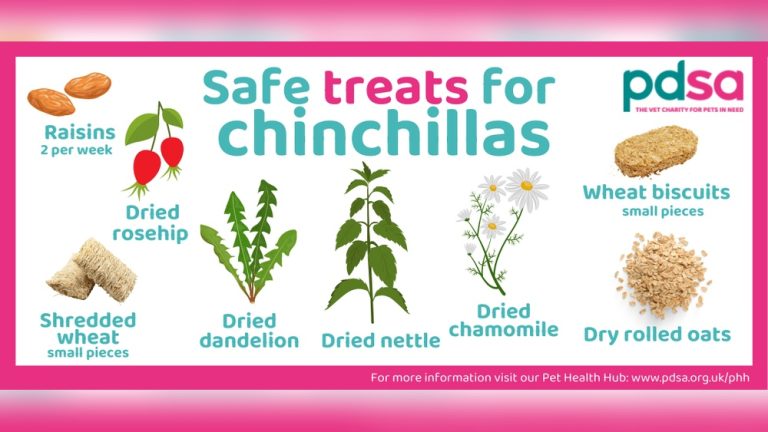
Treats should be rare and healthy. Small pieces of dried rose hips or plain oats work well. Never give sugary or fatty snacks. Avoid human foods and fresh fruits, as they can upset digestion. Treats should not exceed 5% of their daily food intake.
Signs Of Dietary Problems
Chinchillas have sensitive digestive systems. Feeding them the wrong food can cause serious problems. Noticing signs of dietary issues early can save your pet from harm. Watch your chinchilla closely for any changes in behavior or health. These signs help you act fast and protect your furry friend.
Behavioral Changes
Chinchillas may act restless or less active when their diet is wrong. They might stop eating or grooming themselves. Some become aggressive or hide more than usual. These changes often point to discomfort or pain. Observing your pet’s normal behavior helps you spot problems quickly.
Health Symptoms To Watch
Look for diarrhea or soft stools after feeding new food. Weight loss or a dull coat can signal poor nutrition. Swelling around the belly or teeth grinding means pain or illness. Sneezing or nasal discharge might show respiratory issues from diet. Check your chinchilla daily to catch these symptoms early.
Expert Recommendations
Experts often share clear advice about feeding chinchillas. Their guidance helps keep your pet safe and healthy. Understanding these tips prevents common feeding mistakes. Here are key expert recommendations on chinchillas and rabbit food.
Veterinarian Advice
Veterinarians usually say rabbit food is not ideal for chinchillas. Rabbit pellets have more protein and fat than chinchillas need. Too much protein can harm a chinchilla’s digestive system. Vets suggest feeding chinchillas specially made pellets. These pellets balance fiber and nutrients for their unique diet. Also, vets recommend fresh hay as the main food source. They warn against sudden diet changes that may upset digestion. Regular vet checkups help monitor your chinchilla’s health closely.
Trusted Brands And Products
Experts recommend brands that focus on chinchilla nutrition. Trusted products include pellets with high fiber and low fat. Look for pellets made from timothy hay or similar ingredients. Avoid pellets with seeds, nuts, or dried fruits. These extras can cause health problems. Some brands add vitamins and minerals for better health. Experts say choosing quality over price matters most. Always buy from stores with good reviews and clear labeling.
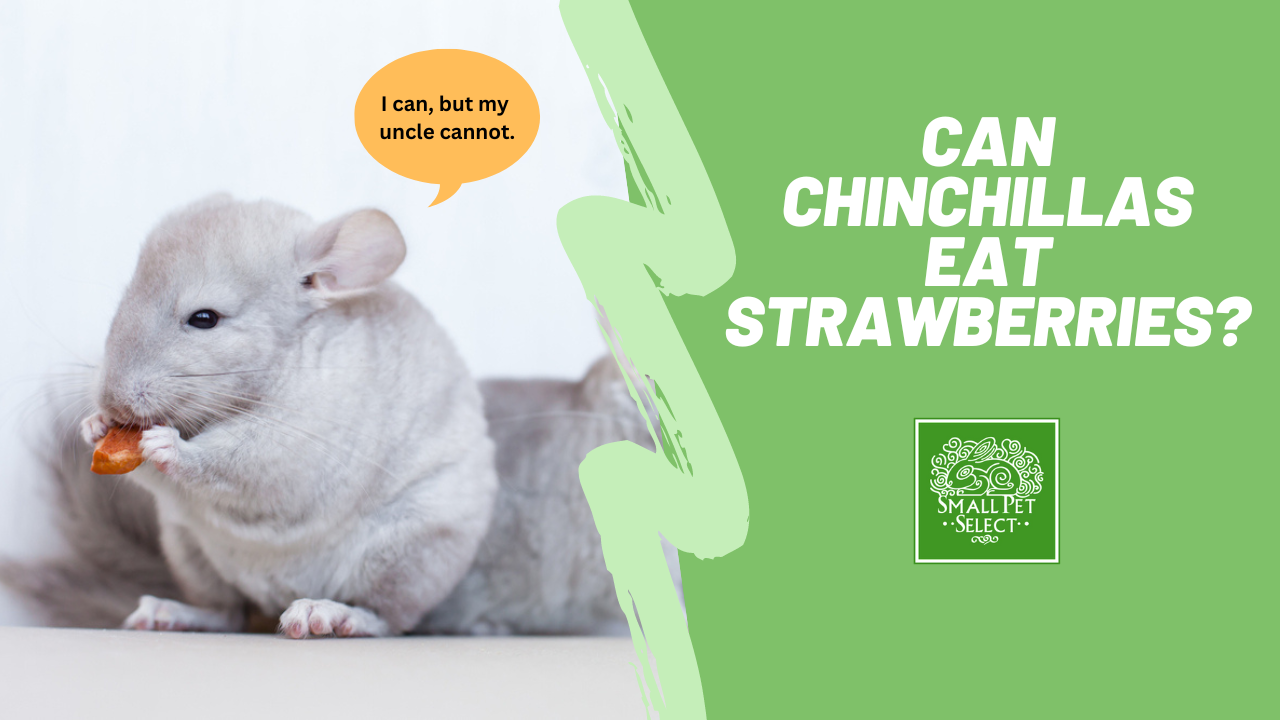
Credit: smallpetselect.com
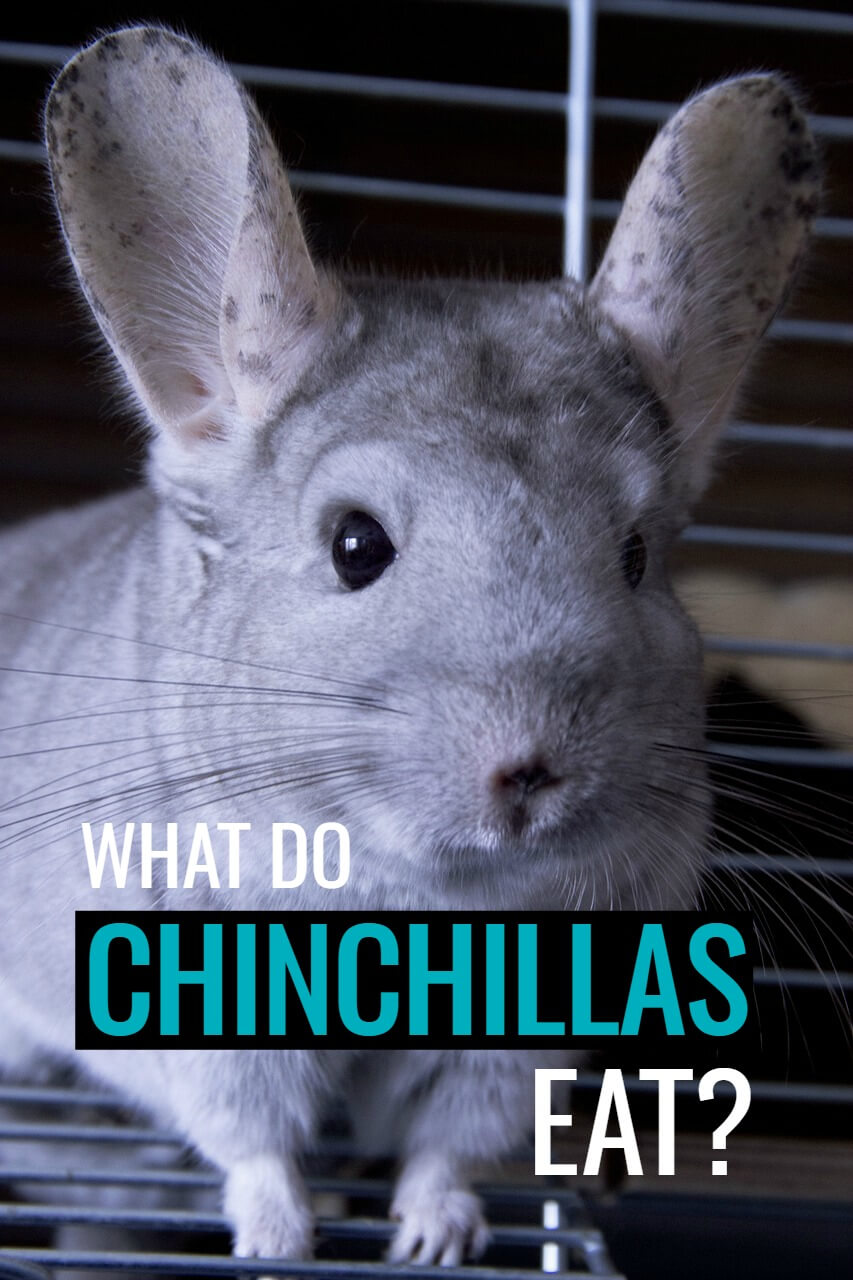
Credit: www.pbspettravel.co.uk
Frequently Asked Questions
Can Chinchillas Safely Eat Rabbit Food Regularly?
No, chinchillas should not eat rabbit food regularly. Rabbit pellets contain different nutrients and may lack essential fiber for chinchillas. Feeding rabbit food can cause digestive problems and nutritional imbalances. Always provide chinchilla-specific pellets to ensure their health and well-being.
What Happens If Chinchillas Eat Rabbit Food Accidentally?
If chinchillas eat rabbit food accidentally, they might experience mild digestive upset. Monitor for diarrhea or reduced appetite. Rabbit food is not toxic but unsuitable long-term. Remove the rabbit food immediately and offer fresh chinchilla pellets and water to prevent issues.
Are Rabbit Pellets Nutritionally Suitable For Chinchillas?
Rabbit pellets differ nutritionally from chinchilla pellets. They usually contain less fiber and more protein or fat than chinchilla food. Chinchillas need high fiber and low fat for healthy digestion. Therefore, rabbit pellets are not a suitable substitute for chinchilla diets.
Can Feeding Rabbit Food Harm Chinchilla Digestive Health?
Yes, feeding rabbit food can harm chinchilla digestive health. Rabbit food lacks the right fiber type for chinchillas, causing digestive upset. Prolonged feeding may lead to serious gastrointestinal problems. Stick to chinchilla-specific diets to maintain proper gut function and overall health.
Conclusion
Chinchillas need a special diet for good health. Rabbit food does not meet their needs. Feeding chinchillas rabbit food can cause digestion problems. Stick to chinchilla-specific pellets and fresh hay. Always provide clean water and fresh food daily. Watch your pet closely for any changes in behavior.
A healthy diet keeps chinchillas happy and active. Choose the right food to help your pet thrive. Simple care makes a big difference in their life.