Can a Hamster Live in a Fish Tank? Shocking Truth Revealed!
Have you ever wondered if your hamster could live in a fish tank? It sounds like a simple idea—after all, fish tanks are clear, easy to clean, and come in all sizes.
But before you make this choice for your furry friend, there are important things you need to know. Your hamster’s health and happiness depend on the right home. Keep reading to discover whether a fish tank is truly a safe and comfortable place for your hamster, and what alternatives might work better for you both.
Don’t risk your pet’s well-being without the facts!
Credit: www.instructables.com
Hamster Habitat Basics
Creating a proper home for a hamster is important for its health and happiness. Hamsters need a safe space that meets their basic needs. Understanding these needs helps in choosing the right habitat. A well-designed habitat supports their natural behaviors.
Hamsters are active and curious animals. Their home must give them room to explore and stay comfortable. Let’s look at the main points to consider for a hamster’s habitat.
Ideal Cage Requirements
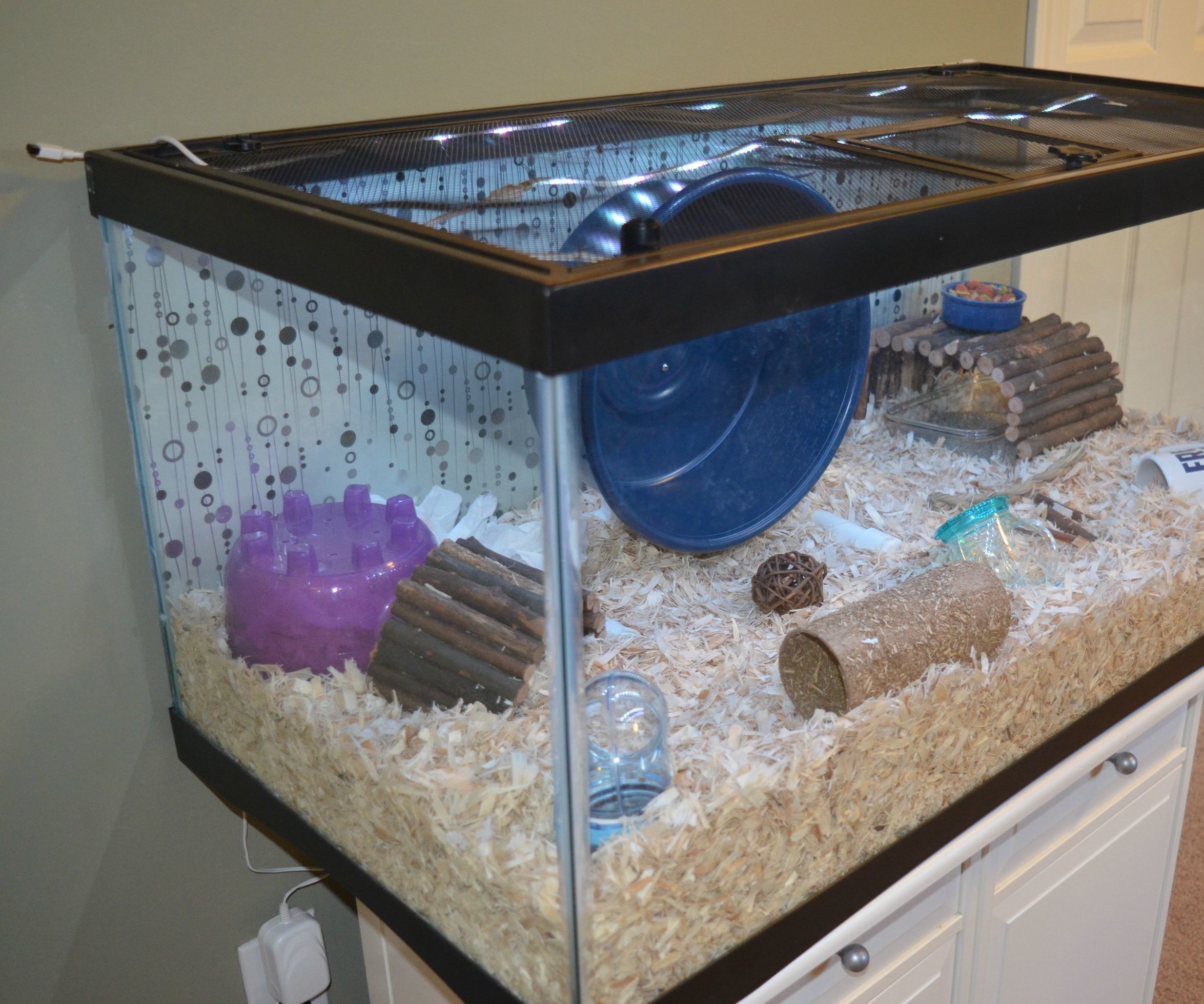
A hamster’s cage should be sturdy and escape-proof. Plastic or glass tanks might seem good but often lack proper ventilation. The cage floor must be solid, not wire, to protect hamster’s feet. Bedding should be soft and absorbent. The cage needs a hiding spot for the hamster’s rest. Toys and tunnels help keep them busy and happy.
Space And Ventilation Needs
Hamsters need enough space to run and dig. A minimum cage size is about 450 square inches of floor space. Tall tanks limit air flow and can trap heat. Proper ventilation prevents breathing problems. Wire cages offer better airflow than fish tanks. Fresh air keeps hamsters healthy and active.
Credit: www.reddit.com
Fish Tank As A Hamster Home
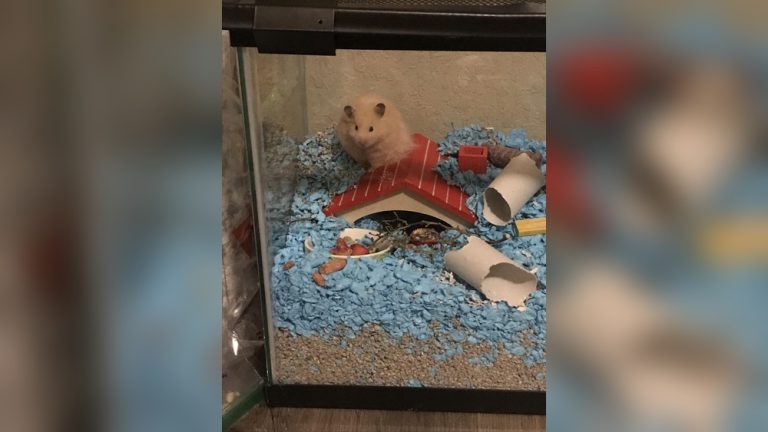
A fish tank might seem like a good home for a hamster. It is clear, so you can watch your pet easily. The glass walls stop the hamster from escaping. But is it really a good choice? Many people wonder if a fish tank is safe and comfortable for a hamster.
Fish tanks have some good features for hamsters. But they also have problems that many do not see at first. Understanding both sides helps you make a better decision for your pet’s home.
Pros And Cons
Fish tanks keep hamsters safe from drafts and sudden noises. The glass walls make cleaning easier. You see your pet all the time without disturbing it. The tank stops bedding and food from falling outside.
But fish tanks lack good air flow. Hamsters need fresh air to stay healthy. The glass can trap heat, making the tank too warm. It also limits space for toys and tunnels. Hamsters like to dig and burrow, which is hard in a fish tank. Without proper ventilation, the tank can become damp and smelly.
Common Mistakes
Many owners forget to add enough ventilation holes. Hamsters can get sick from poor air. Using a tank too small is another common error. Hamsters need space to move and explore. Putting a hamster wheel that is too small can hurt their legs.
Some people use the wrong bedding inside fish tanks. Bedding that holds too much moisture causes bad smells. Not cleaning the tank regularly also creates health risks. Placing the tank in direct sunlight can overheat the hamster quickly.
Safety Concerns
Choosing the right home for a hamster is very important. Fish tanks might look like a good option at first. But safety problems can happen. Hamsters need fresh air, a steady temperature, and a safe space. These needs can be hard to meet in a fish tank.
Ventilation Issues
Fish tanks often have poor airflow. Hamsters breathe in air all day. Stale air can make them sick. Good ventilation keeps air fresh and stops moisture. Without holes or mesh, a fish tank traps air inside. This can lead to breathing problems for your pet.
Temperature Control
Hamsters need a warm but not hot place. Fish tanks can get too warm or cold quickly. Glass does not keep temperature steady. The tank can become a heat trap or get chilly fast. Extreme temperatures stress hamsters and harm their health.
Escape Risks
Hamsters are small and clever. They can climb or squeeze through tiny gaps. Most fish tanks have lids that do not lock well. A curious hamster can escape easily. Escapes can lead to lost or hurt pets. A secure home is vital to keep hamsters safe.
Alternative Housing Options
Hamsters need safe, comfortable homes to thrive. Fish tanks often lack proper ventilation and space for hamsters. Exploring other housing options helps ensure your pet stays healthy and happy.
Choosing the right home supports natural hamster behaviors. It also gives you peace of mind. Here are some popular alternatives to fish tanks.
Recommended Cage Types
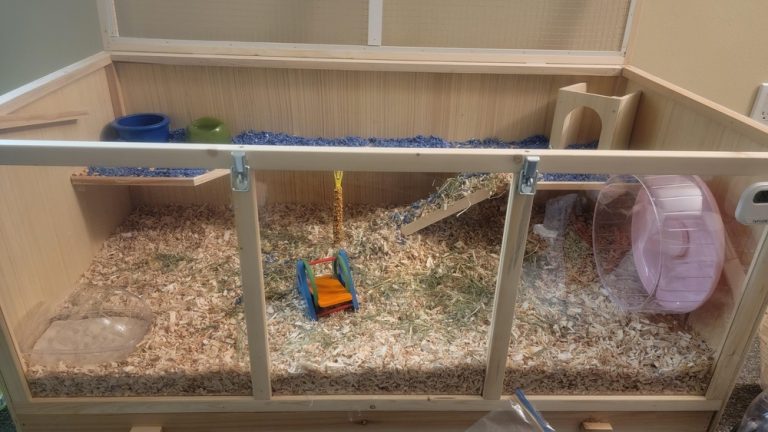
Wire cages with plastic bases offer great airflow. They also provide enough space for hamsters to move freely. Look for cages with bars close together to prevent escapes.
Plastic modular cages create tunnels and hideouts. These cages keep hamsters entertained and active. Make sure the plastic is chew-proof and easy to clean.
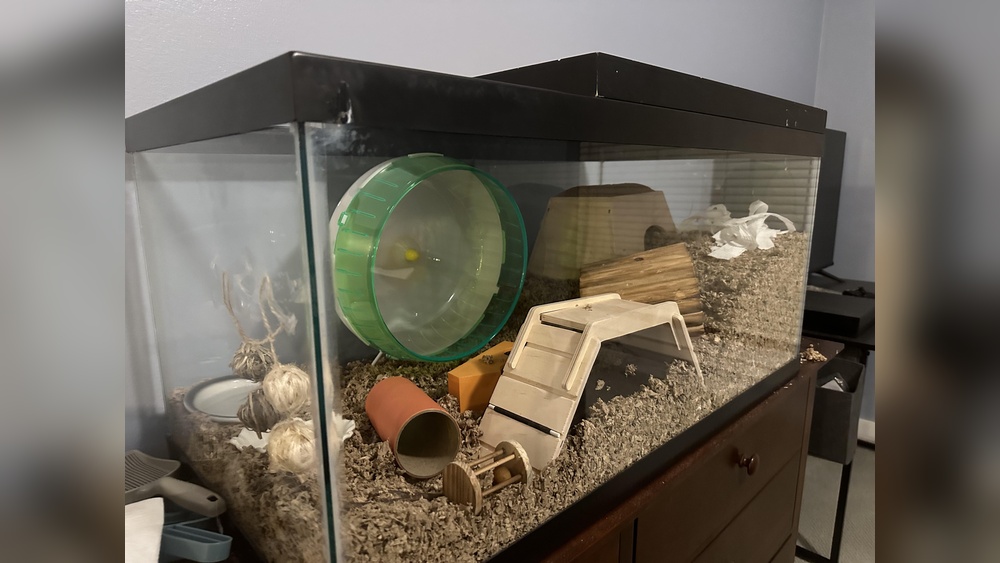
Glass terrariums can work but only if they have a mesh lid. This setup improves ventilation and stops overheating. Avoid using plain fish tanks without lids or airflow.
Diy Hamster Homes
Building a DIY hamster home can be fun and budget-friendly. Use safe materials like untreated wood and non-toxic paints. Create tunnels, platforms, and cozy sleeping areas.
Cardboard boxes with holes cut for doors can serve as temporary homes. Always supervise hamsters in cardboard setups to avoid chewing hazards. Add bedding and toys for comfort and stimulation.
Repurpose large plastic containers with proper ventilation holes. These containers offer space and are easy to clean. Make sure air flows well to keep your hamster healthy.
Tips For Happy Hamsters
Keeping a hamster happy is key to a healthy pet. A happy hamster is active, curious, and stress-free. Good care includes the right environment, toys, and cleanliness. These tips help your hamster live well in a fish tank.
Enrichment And Toys
Hamsters need toys to stay busy and healthy. Use tunnels, wheels, and chew toys inside the tank. These items let your hamster explore and exercise. Change toys often to keep things interesting. Avoid sharp or small parts that can hurt your pet.
Cleaning And Maintenance
Clean the fish tank regularly to keep it fresh. Remove old bedding and waste every week. Wash the tank with mild soap and water only. Rinse well to remove soap residue. Dry the tank before adding new bedding and toys. A clean tank prevents bad smells and illness.

Credit: www.youtube.com
Frequently Asked Questions
Can Hamsters Live Safely In A Fish Tank?
Hamsters can live in a fish tank if it has proper ventilation and enough space. Without airflow, they risk suffocation. Also, fish tanks lack climbing and burrowing options, so modifications are needed to mimic a hamster’s natural habitat for their well-being.
Is A Fish Tank Suitable For Hamster Exercise?
A fish tank alone is not suitable for hamster exercise. Hamsters need tunnels, wheels, and climbing toys to stay active. Fish tanks often limit space and lack enrichment, so adding hamster-specific accessories is crucial for their physical and mental health.
How To Make A Fish Tank Hamster-friendly?
To make a fish tank hamster-friendly, add proper ventilation, bedding for burrowing, and climbing structures. Ensure the tank is large enough to provide room for movement. Regular cleaning and safe materials also help maintain a healthy environment for your hamster.
What Size Fish Tank Is Ideal For Hamsters?
A minimum of 20 gallons is recommended for a hamster in a fish tank. This size offers enough space for exercise and enrichment. Smaller tanks can cause stress and health issues, so prioritize ample room for your pet’s comfort and activity.
Conclusion
A fish tank is not the best home for a hamster. It lacks proper air flow and space for movement. Hamsters need bedding to dig and hide. Glass walls can make them feel trapped and stressed. Choose a cage designed for hamsters to keep them safe and happy.
Always provide fresh food, water, and exercise. Remember, a happy hamster needs the right environment to thrive. Take time to learn about their needs before bringing one home. Care with love and attention will make your pet healthy and joyful.