Can Hamster Eat Hay: Essential Tips for Healthy Hamster Diet
If you have a hamster, you probably want to give it the best food possible. But when it comes to hay, you might be wondering: Can your hamster eat hay safely?
You want to make sure you’re feeding your little friend something healthy and tasty. Keep reading to find out if hay is a good choice for your hamster’s diet, and learn what you should know before adding it to their cage.
This simple guide will help you make the best decision for your furry pet’s health and happiness.

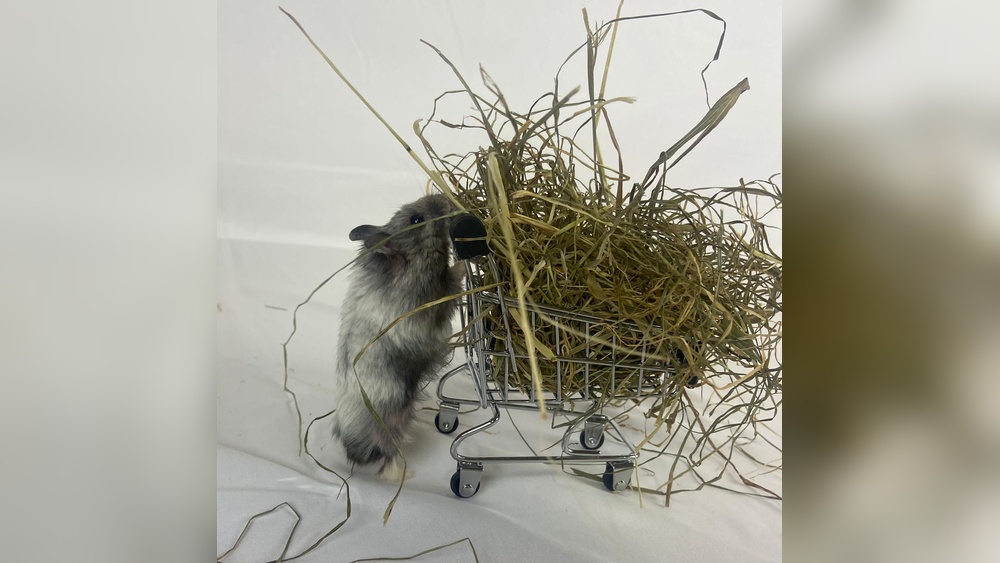
Credit: littlehayco.com
Hamster Diet Basics
Hamsters need a balanced diet to stay healthy and active. Their food should give energy and nutrients for growth and good health. Knowing what to feed your hamster helps avoid problems like obesity or malnutrition.
Hamsters are small animals with fast metabolisms. They eat several small meals each day. Their diet mainly includes seeds, grains, fruits, and vegetables. Some foods are safe, while others can be harmful.
Common Foods For Hamsters
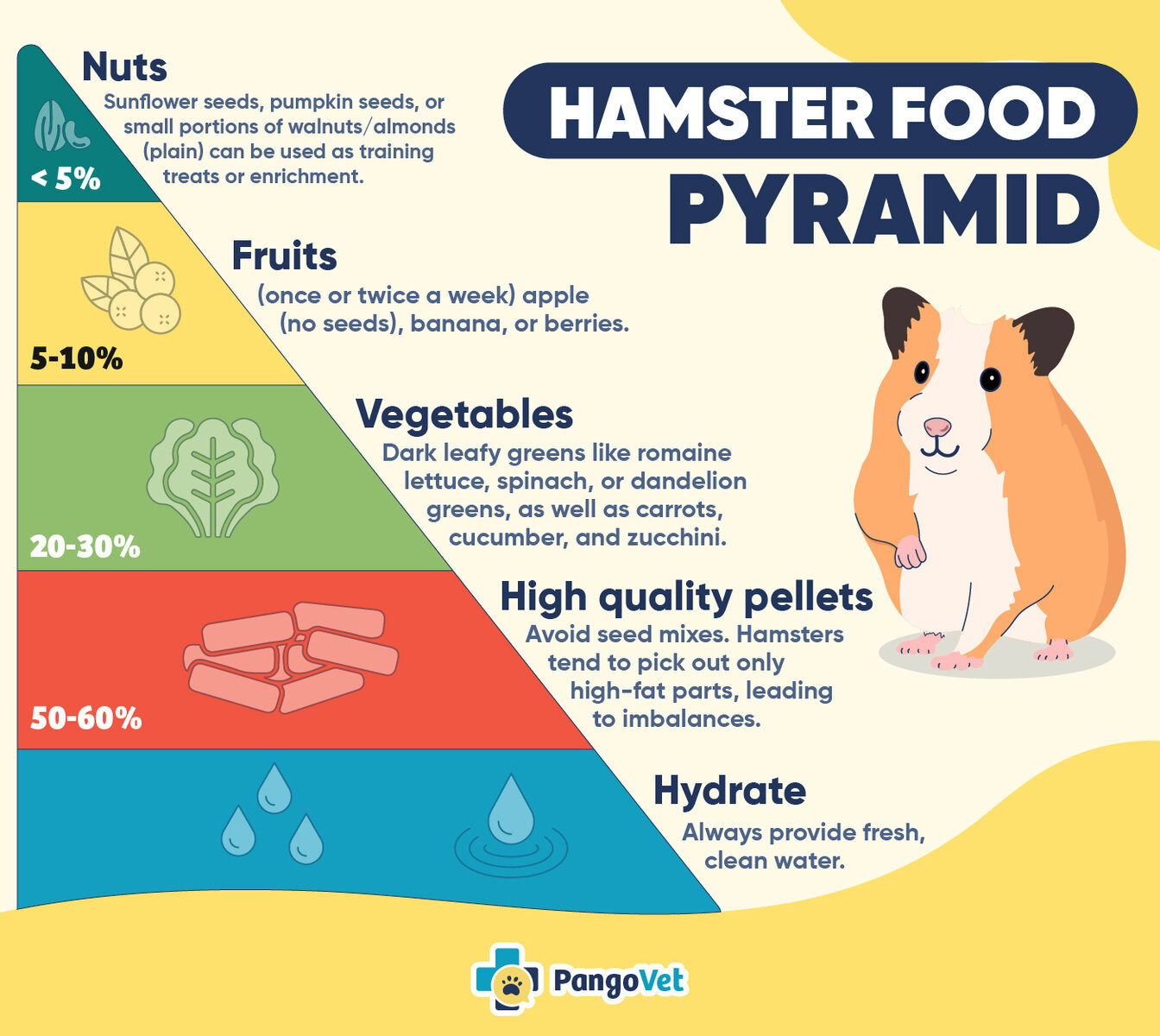
Hamsters usually eat hamster pellets or seed mixes. These contain grains like oats, wheat, and corn. Fresh vegetables like carrots, cucumber, and spinach are good choices. Small amounts of fruits like apples or berries are fine too. Avoid citrus fruits and sugary treats. Fresh water should always be available.
Nutritional Needs
Hamsters need protein for muscle and tissue repair. Sources include cooked eggs or mealworms. Fiber helps digestion and keeps their teeth healthy. Hay is a good fiber source but not all hamsters like it. Vitamins and minerals from fresh veggies and fruits are important. Avoid foods high in sugar or fat to keep hamsters fit.
Role Of Hay In Hamster Diet
Hay plays an important role in a hamster’s diet. It provides fiber, which helps keep their digestive system healthy. Hamsters need fiber to avoid constipation and other stomach issues. Hay also offers a natural way for hamsters to chew, which keeps their teeth strong and prevents overgrowth.
Besides nutrition, hay keeps hamsters busy. Chewing hay mimics their natural behavior in the wild. It reduces boredom and stress, making hamsters happier and healthier pets.
Types Of Hay Suitable For Hamsters
Timothy hay is the most popular choice for hamsters. It is soft, safe, and easy to digest. Orchard grass hay also works well. It is green and fresh with a mild taste. Alfalfa hay should be given only to young or pregnant hamsters. It has more calcium and protein than other hays. Avoid hay with seeds, dust, or mold to keep your hamster safe.
Benefits Of Hay
Hay supports good digestion and helps prevent diarrhea. It encourages natural chewing, which stops teeth from growing too long. Hay also keeps hamsters active and entertained. It adds variety to their diet, which improves their overall health. Feeding hay regularly helps hamsters live longer and stay energetic.
Potential Risks Of Hay
Hay can be a common part of a hamster’s diet. But it is important to know the risks. Some problems can come from feeding hay. Understanding these risks helps keep your pet safe and healthy.
Hay Allergies And Sensitivities
Some hamsters may be allergic to hay. Allergies can cause sneezing and watery eyes. Skin irritation is also possible. Watch for signs of discomfort after eating hay. Stop feeding hay if you see these symptoms. Choose hypoallergenic hay or other safe foods.
Overfeeding Concerns
Hay is high in fiber but low in nutrients. Too much hay can fill your hamster’s stomach. This may reduce eating of more nutritious foods. Overfeeding hay can cause poor growth and health. Balance hay with fresh vegetables and pellets. Moderation is key for a healthy diet.
How To Introduce Hay
Introducing hay to your hamster’s diet is a gentle process. It helps your pet adjust to new food without stress. Hay is a good source of fiber, which supports digestion and dental health. Start slowly to see how your hamster reacts.
Choosing Quality Hay
Pick fresh hay with a green color. Avoid hay that looks brown or dusty. Choose types like timothy or orchard grass. These are safe and nutritious for hamsters. Check for any mold or strange smell. Clean hay keeps your hamster healthy.
Feeding Tips And Frequency
Offer a small amount of hay at first. Watch if your hamster eats it or ignores it. Replace hay daily to keep it fresh. Provide hay alongside regular food, not as a full replacement. Feed hay every day to help with chewing and digestion.
Alternatives To Hay
Hamsters need fiber for good digestion and dental health. Hay is one option but not the only one. Many safe alternatives provide the fiber hamsters need. These options also keep your pet interested in their food.
Other Fiber Sources
Fresh vegetables like carrots, broccoli, and cucumber offer fiber. Plain cooked pumpkin or sweet potato works well too. Some dry foods contain added fiber for variety. Avoid foods high in sugar or fat. Choose natural, simple fiber sources for best health.
Safe Treat Options
Small amounts of plain oats or whole grains make good treats. Seeds like sunflower or pumpkin seeds are tasty but given in moderation. Dried herbs such as parsley or chamomile can add flavor and fiber. Avoid sugary or salty snacks. Treats should never replace a balanced diet.
Credit: circlek.co.nz
Signs Of A Healthy Hamster Diet
A healthy hamster diet shows clear signs in your pet’s behavior and appearance.
Hamsters with good nutrition have bright eyes and smooth fur. They stay active and curious throughout the day.
Watch their weight and eating habits closely. Consistent food intake means they enjoy their meals and get enough energy.
Monitoring Hamster Health
Check your hamster’s fur regularly. It should be clean and shiny without bald patches.
Observe their eyes and nose for any discharge. Clear eyes and dry nose mean good health.
Notice their energy levels. Healthy hamsters run, climb, and explore often.
Track their weight weekly. Sudden loss or gain may indicate diet issues.
Adjusting Diet As Needed
Change food types if your hamster shows less interest in eating.
Introduce fresh vegetables or fruits slowly. Watch for any signs of stomach upset.
Reduce treats if weight increases quickly. Balanced portions keep your hamster fit.
Consult a vet for advice on diet changes. Professional help ensures your hamster’s health stays on track.

Credit: galerie-du-marais.fr
Frequently Asked Questions
Can Hamsters Safely Eat Hay Daily?
Yes, hamsters can eat hay daily as a supplement. Hay provides fiber, aiding digestion and dental health. However, it should not replace their main diet of pellets and fresh vegetables.
What Type Of Hay Is Best For Hamsters?
Timothy hay is the best choice for hamsters. It is high in fiber and low in calcium, promoting healthy digestion and preventing urinary issues. Avoid alfalfa hay as it has too much calcium for hamsters.
How Much Hay Should A Hamster Eat?
A small handful of hay daily is enough for hamsters. Overfeeding hay can lead to nutritional imbalances. Use hay mainly as bedding and occasional nibbling material.
Can Hay Cause Allergies Or Problems In Hamsters?
Some hamsters may be sensitive to dusty or moldy hay. Always choose fresh, clean hay to avoid respiratory issues or allergies. Remove any hay showing signs of mold or dirt immediately.
Conclusion
Hamsters can eat hay, but not all types are safe. Choose fresh, clean hay without chemicals or mold. Hay helps with digestion and keeps teeth healthy. Avoid giving too much hay at once. Always watch your hamster’s reaction to new foods.
A balanced diet is key for a happy pet. Hay can be a good part of that diet. Keep learning about what your hamster needs. Simple care makes a big difference in their health.