How to Keep Hamster Warm: Essential Tips for Cozy Care
Keeping your hamster warm is more important than you might think. When temperatures drop, your tiny friend can quickly feel cold and uncomfortable.
You want to make sure your pet stays cozy and healthy, but how exactly do you do that? You’ll discover simple and effective ways to keep your hamster warm, safe, and happy. Read on to learn easy tips that can make a big difference in your pet’s comfort and well-being.
Ideal Temperature Range
Maintaining the right temperature is key to keeping your hamster healthy. Hamsters are sensitive to cold and heat. They need a cozy environment to stay active and happy. Setting the ideal temperature range helps prevent illness and stress.
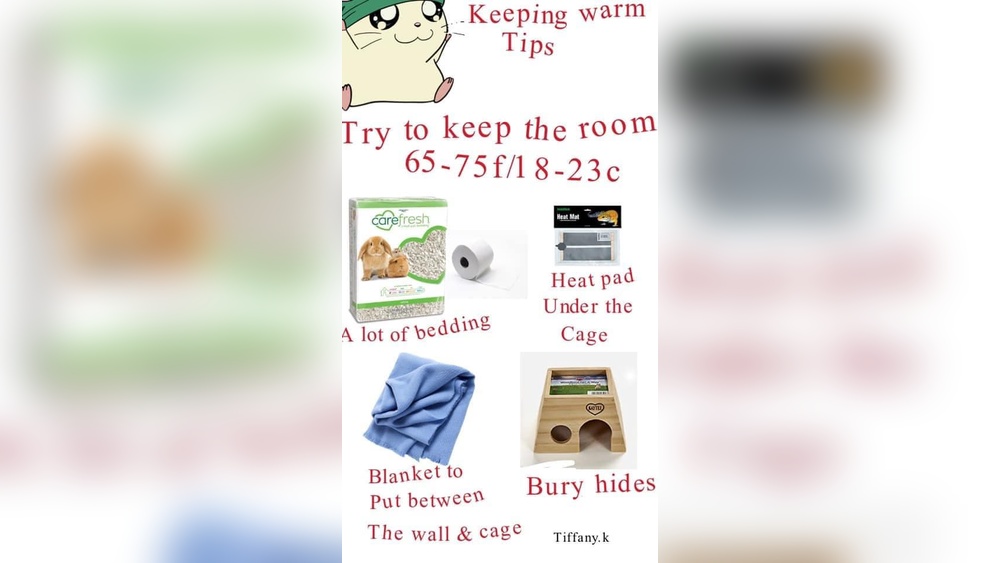
The ideal temperature range for hamsters is between 65°F and 75°F (18°C to 24°C). This range keeps their bodies warm without causing overheating. Temperatures below 65°F can make hamsters sleepy and weak. Above 75°F, they may become restless or dehydrated.
Why Temperature Matters For Hamsters
Hamsters cannot sweat or cool down like humans. Their small bodies lose heat quickly. Cold temperatures can cause hibernation-like states. This can be dangerous or even fatal. Warm temperatures help them stay active and eat well.
Signs Your Hamster Is Too Cold
Your hamster may shiver or curl up tightly. It might stay in one spot and sleep more. The fur can look puffed up to keep heat. These signs show your pet needs a warmer space fast.
How To Monitor Temperature Effectively
Use a reliable room thermometer near the cage. Check it daily, especially during winter or summer. Avoid placing the cage near windows or vents. These spots can cause sudden temperature changes.
Choosing The Right Bedding
Choosing the right bedding is key to keeping your hamster warm. Bedding provides comfort and insulation. It traps heat close to your pet’s body. Picking the best type helps your hamster feel safe and cozy.
Types Of Bedding Materials
Soft wood shavings like aspen work well. They are absorbent and keep the cage dry. Avoid cedar or pine shavings as they can harm your hamster’s health. Paper-based bedding is another good choice. It is gentle, dust-free, and keeps warmth inside. Some owners use fleece liners. They are soft and reusable but need regular cleaning to stay fresh.
Layering For Extra Warmth
Adding layers of bedding helps trap more heat. Start with a thick base layer of paper or aspen shavings. Add a second layer of shredded paper or hay on top. This extra padding creates a warm nest your hamster can burrow into. Change bedding often to keep it dry and clean. Wet bedding loses warmth and can make your hamster cold.
Selecting A Suitable Cage
Selecting the right cage helps keep your hamster warm during cold days. The cage acts as a barrier against cold air. It also holds warmth inside. Choosing a cage with the right materials and placement is very important. These factors help maintain a cozy space for your pet.
Hamsters feel safe and comfortable in a warm environment. A suitable cage protects them from drafts and chill. Let’s explore how to pick a cage that keeps heat well.
Materials That Retain Heat
Wood and plastic cages keep warmth better than wire cages. Solid walls block cold air from entering. Glass tanks also trap heat inside. Avoid cages with too many bars or holes. They let cold air flow freely.
Plastic cages are easy to clean and keep heat. Wood offers natural insulation but check for safe finishes. Glass cages provide good warmth but need good ventilation. Choose a cage material that fits your hamster’s needs and climate.
Cage Placement Tips
Place the cage away from windows and doors. These spots have cold drafts that chill hamsters. Avoid rooms with strong air conditioning or heating vents. These can cause sudden temperature changes.
Find a quiet, warm corner for the cage. Keep it off the floor to avoid cold drafts. A small table or shelf works well. Keep the cage away from direct sunlight to stop overheating.
Proper placement helps maintain steady warmth. Your hamster stays safe and cozy all day long.
Providing Warm Hiding Spots
Providing warm hiding spots is key to keeping your hamster cozy. Hamsters love small, enclosed spaces that help them feel safe and warm. These spots trap their body heat and protect them from cold drafts. A warm hiding place also reduces stress and helps your pet sleep better.
Use Of Nests And Tunnels
Nests and tunnels mimic a hamster’s natural burrows. Soft bedding inside these spaces keeps warmth close to their body. Choose materials like shredded paper or fleece. Avoid cotton or anything that can tangle. Place tunnels and nests in quiet parts of the cage for extra comfort.
Diy Cozy Houses
Making a DIY cozy house is easy and fun. Use small boxes, wooden huts, or even clean jars with holes. Line the inside with soft fabric or paper bedding. Your hamster will enjoy a snug spot to hide and sleep. Change bedding often to keep the house fresh and warm.
Regulating Room Temperature
Keeping a hamster warm starts with controlling the room temperature. Hamsters are small animals and feel cold quickly. A steady, warm room helps them stay healthy and happy. The right temperature keeps their energy up and stops illness.
Rooms should not be too hot or too cold. Aim for a temperature between 65°F and 75°F (18°C to 24°C). Watch for places where cold air might sneak in. Small changes in temperature can affect your hamster’s comfort.
Avoiding Drafts
Drafts can chill a hamster fast. Check windows and doors for gaps. Use weather stripping or towels to block cold air. Place the cage away from vents, open windows, and fans. Even small drafts can lower the cage temperature. Keep your hamster’s home in a calm, draft-free spot.
Using Heating Pads Safely
Heating pads can help if the room is cool. Use only pads made for pets. Place the pad under part of the cage, not all over. This way, the hamster can move away if it gets too warm. Never leave a heating pad on all night. Check the temperature regularly to avoid overheating. Safety first, always.

Credit: www.youtube.com
Monitoring Hamster Behavior
Monitoring your hamster’s behavior is key to keeping it warm and healthy. Hamsters cannot tell us when they feel cold. They show it through their actions and habits. Watching these signs helps you take quick steps to improve their comfort. Careful observation can prevent health problems linked to cold.
Signs Of Being Cold
Your hamster may shiver or curl into a tight ball. It might stay in one place more than usual. Less activity can mean your pet is too cold. Hamsters might fluff up their fur to trap heat. Look for pale or cold ears and paws. These are clear signals your hamster needs warmth.
Adjusting Care Accordingly
Raise the cage temperature slightly if your hamster is cold. Add extra bedding for your pet to burrow into. Use a small heat source designed for small animals. Avoid direct heating to prevent burns. Check on your hamster often to see if it feels better. Adjust care based on your pet’s response and behavior.
Additional Tips For Winter Care
Winter can be tough for hamsters. Cold weather affects their health and comfort. Simple care changes help keep them warm and safe. Small steps make a big difference in winter months.
Diet Adjustments
Hamsters need more energy in cold weather. Offer extra healthy treats like seeds and nuts. These foods help generate body heat. Avoid sugary snacks that do not provide lasting energy. Fresh vegetables can be reduced to prevent chill. Keep their diet balanced and nutritious.
Maintaining Hydration
Water is important even in winter. Check water bottles daily to prevent freezing. Use warm water to refill their bottle. Ensure fresh water is always available. Hydration supports their overall health and warmth. Dry conditions can make them thirsty, so watch closely.
Credit: www.youtube.com

Credit: www.reddit.com
Frequently Asked Questions
How Can I Keep My Hamster Warm In Winter?
Provide a cozy habitat with extra bedding. Use fleece liners or shredded paper for insulation. Keep the cage away from drafts and cold windows to maintain warmth.
What Temperature Is Ideal For A Hamster’s Comfort?
Hamsters thrive between 65°F and 75°F (18°C to 24°C). Avoid exposing them to temperatures below 60°F or above 80°F to prevent stress and illness.
Is A Heating Pad Safe For Hamsters?
Yes, but only low-heat pads designed for small pets. Always place it under half the cage to allow temperature control. Monitor to prevent overheating or burns.
How Does Bedding Help Keep Hamsters Warm?
Bedding traps heat and creates a warm nest. Use thick, absorbent materials like aspen shavings or paper-based bedding. Regularly replace bedding to keep it dry and effective.
Conclusion
Keeping your hamster warm is simple and important. Use soft bedding and place their cage away from cold drafts. Provide a small hideout to help them feel safe and cozy. Monitor the room temperature to ensure it stays comfortable. Regular checks will help you notice if your hamster feels cold.
Warm hamsters stay healthy and happy. Follow these tips, and your pet will enjoy a snug, safe home all year. Caring for your hamster’s warmth shows love and attention. Small steps make a big difference.