
Why is My Hamster Squeaking: Top Reasons You Must Know
Have you ever heard your hamster making high-pitched squeaking sounds and wondered what it means? Those tiny squeaks are your pet’s way of communicating, but they can signal many different things.
If you want to understand why your hamster is squeaking and what you should do next, you’re in the right place. By the end of this article, you’ll know how to respond and keep your furry friend happy and healthy.
Keep reading to uncover the surprising reasons behind your hamster’s squeaks.
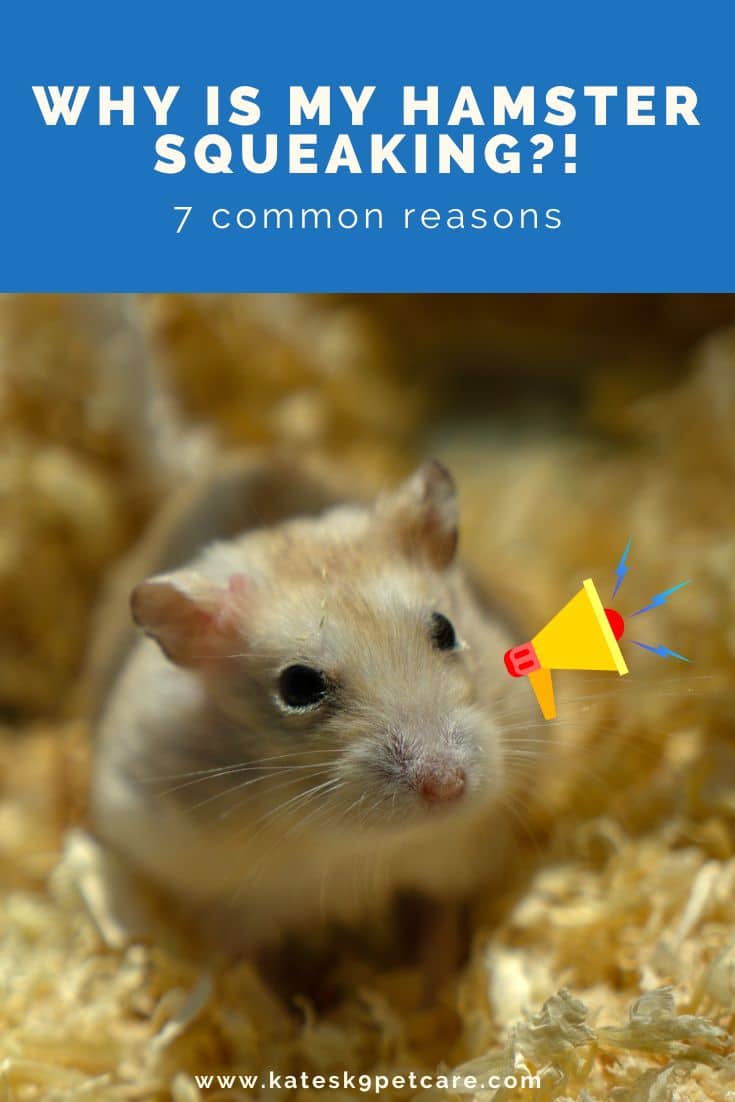
Credit: katesk9petcare.com
Common Hamster Sounds
Hamsters make different sounds to share their feelings and needs. These sounds help us understand what they want or how they feel. Learning about common hamster sounds helps you care better for your pet. It also builds a stronger bond between you and your hamster.
Hamsters mostly use squeaks, chirps, and tiny noises. Each sound means something different. Knowing these sounds can tell you if your hamster is happy, scared, or needs help.
Types Of Hamster Vocalizations
Hamsters use various sounds to communicate. The most common is the squeak. It can be soft or loud. Soft squeaks often mean curiosity or excitement. Loud squeaks might show fear or pain. Sometimes, hamsters make chirping sounds. These are usually signs of happiness. You might hear them when your hamster is exploring or playing. Hamsters also make tiny grinding noises with their teeth. This can mean contentment or stress.
When Hamsters Usually Squeak
Hamsters squeak during different moments. They often squeak when they feel scared or threatened. Loud squeaks might happen if they are hurt. You may hear squeaks when they meet new hamsters. This can be a warning or a sign of discomfort. Hamsters also squeak if they want attention. They might use soft squeaks when they are curious or excited. Listening to the timing of the squeak helps you understand your hamster better.

Credit: katesk9petcare.com
Signs Of Pain Or Discomfort
Hamsters often squeak to express pain or discomfort. These sounds can alert you to problems. Paying close attention helps protect your pet’s health. Signs of pain are not always obvious. Watch your hamster carefully for any changes.
Understanding these signs early can prevent serious health issues. Some signs come from injury or illness. Others show as changes in behavior. Both types are important to notice.
Injury And Illness Symptoms
Squeaking may signal an injury like a cut or broken bone. Look for swelling or limping. Illness can also cause pain. Your hamster might have breathing problems or a runny nose. These symptoms need quick care.
Check for changes in eating or drinking. Lack of appetite can mean your pet feels unwell. Watch for unusual lumps or wounds. These are clear signs your hamster is hurting.
Changes In Behavior
A hurting hamster often acts differently. It may hide more than usual. Your pet might stop playing or exploring. Aggression or irritability can also show discomfort. Some hamsters freeze or stay very still.
Notice if your hamster avoids touch or handling. These changes help you know your pet is in pain. Acting fast can ease your hamster’s suffering.
Stress And Anxiety Triggers
Hamsters often squeak because they feel stress or anxiety. This sound is their way of expressing discomfort. Understanding what triggers these feelings helps you care better for your pet. Stress can come from many sources in a hamster’s life.
Environmental Stressors
Noise is a common stress factor for hamsters. Loud sounds from TVs, radios, or people talking can scare them. Bright lights or sudden changes in light can also upset hamsters. A cage placed near windows or doors may expose them to drafts or temperature changes. A dirty or small cage adds to their stress. These factors can make your hamster squeak more often.
Handling And Interaction Issues
Hamsters need gentle and careful handling. Rough or sudden movements frighten them. Picking them up too fast can cause anxiety. Some hamsters do not like being touched too much. If they squeak during handling, they might be scared or uncomfortable. Spending quiet, calm time with your hamster helps build trust. This reduces their stress and the squeaking noise.

Credit: www.reddit.com
Communication And Social Signals
Hamsters use sounds to talk to each other and express their feelings. Squeaking is one way they send messages. These sounds help them share warnings, show moods, or ask for something. Understanding these sounds helps you know what your hamster needs or feels.
Warning And Defensive Sounds
Hamsters squeak to warn others of danger. A sharp squeak means they feel scared or threatened. It tells others to stay away. This sound can also show they want to protect their space. When your hamster squeaks like this, it feels unsafe or disturbed.
Seeking Attention
Hamsters also squeak to get your attention. They might want food, play, or company. This squeak is softer and more frequent. It shows they want to interact with you. Listen to these sounds to understand when your hamster needs care or fun.
Breeding And Mating Noises
Hamsters use sounds to communicate during breeding and mating. These noises help them attract partners and show their intentions. Understanding these sounds can explain why your hamster might be squeaking more than usual. They are natural signals in the hamster world.
Courtship Sounds
Male hamsters often make soft squeaks to attract females. These sounds show interest and readiness to mate. Females may respond with their own quiet noises. The sounds help both hamsters understand each other’s feelings. This exchange creates a calm and safe environment for breeding.
Territorial Claims
Hamsters use loud squeaks to mark their territory. This noise warns other hamsters to stay away. It protects their space and potential mates. Territorial squeaks can sound sharp and urgent. These sounds stop fights and keep peace in the hamster’s home.
When To Seek Veterinary Help
Hamsters squeak for many reasons, from excitement to discomfort. Knowing when to see a vet can save your pet’s life. Some sounds mean your hamster feels pain or is very sick. Paying close attention to these noises helps you act fast.
Persistent Or Unusual Squeaking
Squeaking that does not stop is a warning sign. It could mean your hamster feels pain or stress. If the sound changes or gets louder, it is serious. Do not wait if your hamster squeaks a lot every day. This could show an injury or illness.
Accompanying Health Concerns
Look for other signs like loss of appetite or slow movement. Breathing problems or swelling on the body also need quick care. If your hamster hides more than usual or acts weak, check with a vet. These signs with squeaking show your hamster needs help soon.
Preventing Excessive Squeaking
Preventing excessive squeaking in hamsters helps keep them calm and happy. Squeaking often shows stress, discomfort, or fear. Reducing these sounds means improving your hamster’s life. Two main ways to do this are by creating a comfortable habitat and using proper handling techniques.
Creating A Comfortable Habitat
A quiet, safe place reduces your hamster’s stress. Use soft bedding that absorbs sound and feels cozy. Make sure the cage is big enough for your hamster to move freely. Provide hiding spots and tunnels for security. Keep the habitat clean and dry to prevent illness. Avoid loud noises and sudden movements near the cage. A calm environment stops your hamster from feeling scared.
Proper Handling Techniques
Handle your hamster gently and slowly. Sudden grabs or loud noises cause fear and squeaks. Let your hamster sniff your hand before picking it up. Support its body fully to make it feel safe. Avoid squeezing or holding your hamster too tightly. Short, calm interactions build trust and reduce stress. Regular, gentle handling helps your hamster feel comfortable with you.
Frequently Asked Questions
Why Is My Hamster Squeaking Loudly?
Hamsters squeak loudly when scared, stressed, or in pain. Loud squeaking signals discomfort or a need for attention. Check for injuries or environmental stressors to ensure your hamster’s well-being.
Does Squeaking Mean My Hamster Is Sick?
Squeaking can indicate illness if accompanied by lethargy or loss of appetite. Monitor your hamster closely and consult a vet if unusual sounds persist. Early detection helps prevent serious health issues.
How Can I Stop My Hamster From Squeaking?
Reduce stress by providing a quiet, comfortable habitat and gentle handling. Avoid sudden movements or loud noises. Ensuring your hamster’s needs are met often decreases squeaking behavior.
Is Hamster Squeaking Normal At Night?
Hamsters are nocturnal and may squeak during nighttime activity or play. Occasional squeaks are normal but constant noise might suggest discomfort. Observe patterns to understand your hamster’s behavior better.
Conclusion
Hamsters squeak for many reasons. They may feel scared, hurt, or lonely. Sometimes, they just want attention. Watching their body language helps you understand them better. Keep their cage clean and safe. Give them fresh food and water daily. Spend time playing gently with your pet.
This builds trust and reduces stress. Listening to your hamster’s sounds helps you care well. Small changes can make your hamster happy. Take time to learn their needs. Your hamster will thank you with quiet, happy moments.