
Why is My Hamster Biting the Cage: Surprising Causes & Fixes
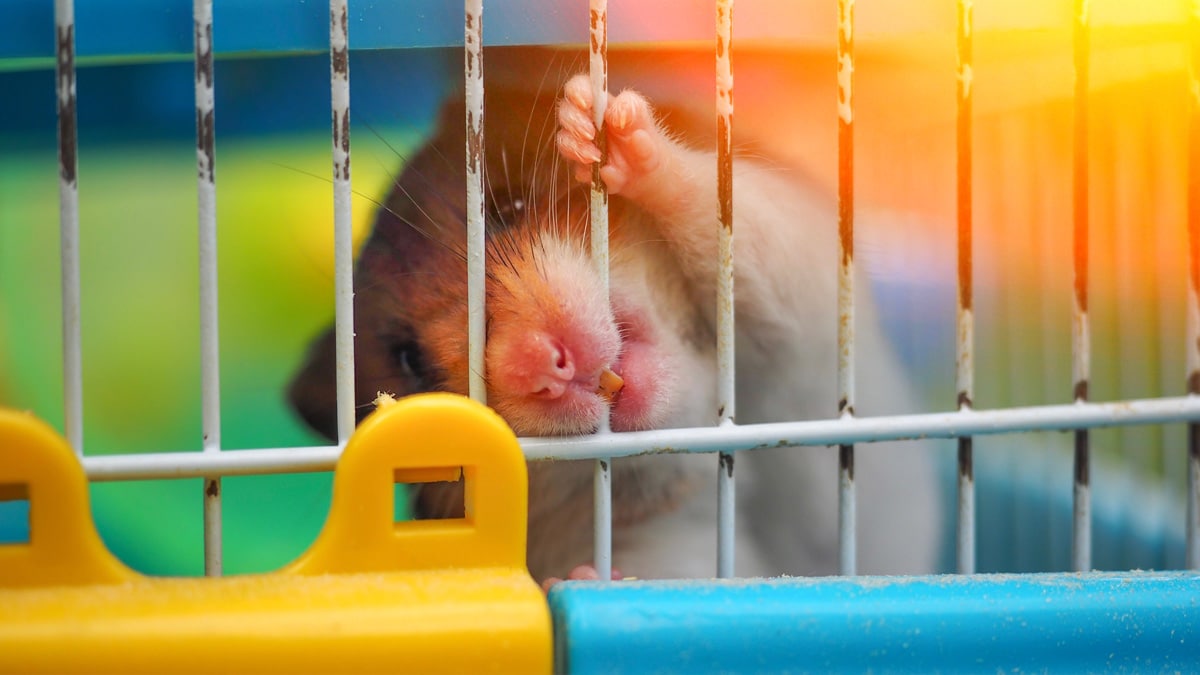
Have you noticed your hamster biting the cage and wondered why it keeps doing that? It can be frustrating and even worrying when your little pet starts this behavior.
But don’t worry—you’re not alone, and there are clear reasons behind it. Understanding why your hamster bites the cage can help you fix the problem and make your furry friend happier. Keep reading to discover the surprising causes and easy solutions that will bring peace to both you and your hamster.
Common Reasons For Cage Biting
Hamsters biting their cage is a common behavior that can puzzle many pet owners. Understanding why your hamster chews on the bars helps you meet its needs better. This behavior often signals discomfort or a need for change.
Stress And Anxiety
Hamsters feel stress from loud noises or sudden changes. Moving to a new home can also cause anxiety. Cage biting is a way to cope with these feelings. It helps release built-up tension.
Boredom And Lack Of Stimulation
Hamsters need toys and activities to stay busy. Without enough playtime, they get bored quickly. Chewing the cage is a sign they need more stimulation. It keeps their mind active.
Teeth Overgrowth
Hamsters’ teeth grow constantly. They must chew to keep teeth short and healthy. If teeth grow too long, cage biting may increase. It helps them grind down teeth naturally.
Seeking Attention
Sometimes hamsters bite the cage to get noticed. They want interaction with their owner. This behavior can show loneliness or a desire for play. Responding with attention often helps reduce biting.
Environmental Factors
Temperature, lighting, and cage size affect hamster comfort. Too hot or cold environments cause stress. Small or crowded cages lead to frustration. These conditions can trigger cage biting as a response.

Credit: www.reddit.com
Behavioral Signs To Watch For
Hamsters bite their cages for many reasons. Watching their behavior helps understand why. Some signs show stress or discomfort. Others suggest boredom or health issues. Observing these signs guides you to help your pet feel better.
Excessive Chewing Patterns
Hamsters naturally chew to keep teeth healthy. Excessive cage biting means something is wrong. It could signal boredom or lack of toys. Sometimes, stress or anxiety causes this behavior. Note if chewing happens more at certain times.
Changes In Activity Levels
Activity changes reveal how your hamster feels. More pacing or restlessness suggests stress. Less movement could mean illness or tiredness. Both extremes can lead to cage biting. Track daily activity to spot unusual behavior early.
Aggressive Or Defensive Actions
Biting the cage may show aggression or fear. Hamsters feel trapped and try to defend themselves. Watch for growling or lunging at the cage. These signs need quick attention to reduce stress. Providing a calm environment can help calm them down.
Improving Your Hamster’s Environment
Improving your hamster’s environment can reduce cage biting. Hamsters bite cages when bored or stressed. A better habitat keeps them happy and healthy. Small changes make a big difference in their behavior. Focus on toys, comfort, and space to help your pet.
Adding Toys And Chew Items
Toys keep hamsters busy and active. Chew items help wear down their teeth. Wooden blocks, tunnels, and wheels are great choices. Rotating toys often prevents boredom. Safe chew sticks stop your hamster from biting the cage out of frustration.
Creating A Comfortable Habitat
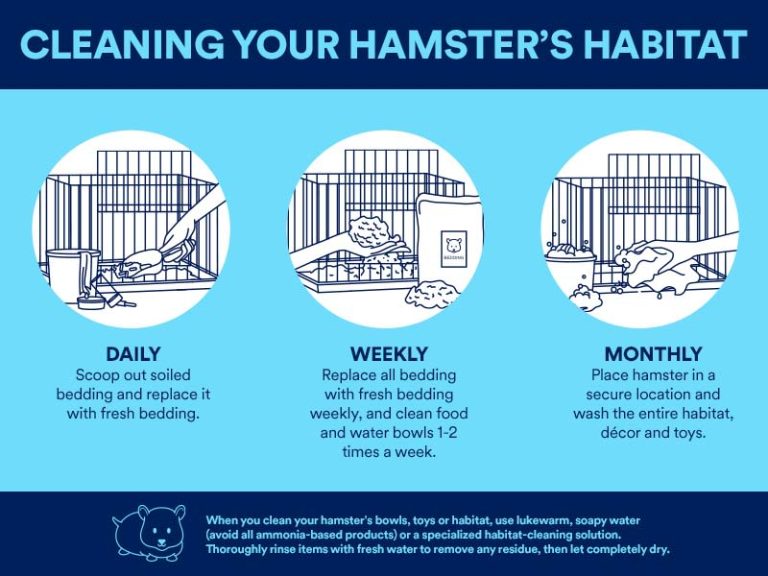
Soft bedding provides comfort and warmth. Avoid hard or rough materials that hurt their feet. Place hiding spots and tunnels for security. A cozy habitat reduces stress and encourages natural behavior. Clean the cage regularly to keep it fresh and inviting.
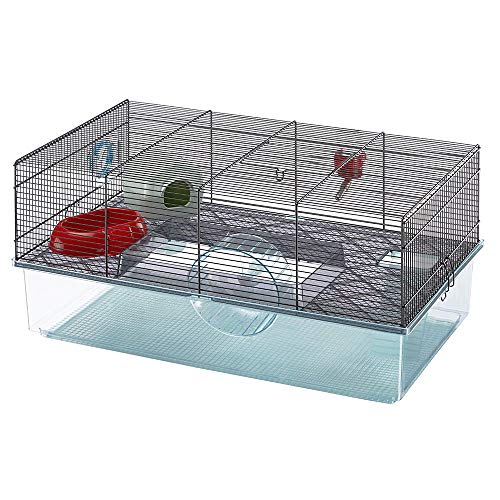
Ensuring Proper Cage Size
Small cages limit movement and cause stress. Your hamster needs enough space to run and explore. Bigger cages reduce boredom and destructive behaviors like biting. Check the recommended cage size for your hamster’s breed. A roomy habitat supports their health and happiness.
Credit: www.dangerfieldsofshakopee.com
Health Checks And Veterinary Care
Regular health checks and veterinary care are important for your hamster’s well-being. These steps help spot problems early. They keep your pet happy and healthy. Biting the cage might mean your hamster needs medical attention.
Understanding health signs helps you care better. Watch for changes in behavior or appearance. A quick check can prevent serious health issues. Let’s explore key health areas to monitor closely.
Dental Health Importance
Hamsters’ teeth grow constantly. They need to chew to keep teeth short. Overgrown teeth cause pain and biting behavior. Dental problems can stop them from eating well. Check your hamster’s teeth often for sharp or long edges. Provide chew toys to maintain healthy teeth.
Identifying Illness Or Pain
Biting the cage might signal pain or sickness. Look for signs like lethargy or loss of appetite. Changes in breathing or fur condition also matter. Sudden biting could mean your hamster feels unwell. Early detection helps avoid serious illness.
When To Consult A Vet
Visit a vet if biting lasts more than a day. Seek help if your hamster shows other symptoms. Swelling, bleeding, or limping need immediate care. A vet can diagnose and treat dental or health issues. Professional advice keeps your pet safe and comfortable.
Training And Interaction Tips
Training and interaction play a big role in stopping your hamster from biting the cage. Hamsters bite out of fear, boredom, or stress. Spending time with your hamster helps reduce these feelings. It creates a bond and makes your pet feel safe. Here are some tips to train and interact with your hamster.
Building Trust With Your Hamster
Start by speaking softly near the cage. Let your hamster get used to your voice. Offer small treats through the bars to build positive feelings. Avoid sudden movements that can scare your pet. Spend a few minutes daily just sitting near the cage. Trust grows with patience and gentle care.
Encouraging Positive Behavior
Reward your hamster when it acts calmly. Use treats or gentle petting as a reward. Ignore biting or aggressive behavior to avoid encouraging it. Provide toys and chew items to reduce boredom. A happy hamster is less likely to bite the cage. Positive reinforcement makes training easier and faster.
Safe Handling Techniques
Always wash your hands before holding your hamster. Scoop your hamster gently with both hands. Avoid grabbing from above, which can scare your pet. Hold your hamster close to your body for support. Handle your hamster in a quiet place to lower stress. Safe handling builds confidence and reduces biting.
Preventing Future Cage Biting
Preventing your hamster from biting the cage is important for its health and happiness. Cage biting can mean your pet feels bored, stressed, or uncomfortable. Changing daily habits can help stop this behavior. Small steps can create a calm and fun environment for your hamster.
Routine Cage Cleaning
Clean the cage regularly to keep it fresh and safe. Remove old bedding and waste at least twice a week. A clean cage reduces smells and germs that bother your hamster. Fresh bedding makes the cage more comfortable to explore and rest. Your hamster will feel happier in a neat space.
Regular Exercise Opportunities
Hamsters need exercise to stay healthy and avoid boredom. Add a wheel or tunnels inside the cage. Let your hamster explore outside the cage safely each day. Exercise helps use up energy that might cause cage biting. A tired hamster is a calm hamster.
Consistent Feeding Schedule
Feed your hamster at the same times every day. A regular feeding routine builds trust and reduces stress. Use fresh food and water to keep your pet healthy. Avoid sudden changes in diet that confuse your hamster. A well-fed hamster feels secure and less likely to bite the cage.

Credit: www.microcomenviro.com
Frequently Asked Questions
Why Is My Hamster Biting The Cage Bars?
Hamsters bite cage bars due to boredom or stress. They need mental stimulation and more space. Providing toys and a larger cage can reduce this behavior. Ensure your hamster gets enough exercise and attention daily.
Can Cage Biting Harm My Hamster?
Yes, cage biting can cause dental injuries or mouth sores. It can also indicate stress or discomfort. Monitor your hamster’s behavior and consult a vet if biting persists. Proper care and environment reduce health risks.
How Can I Stop My Hamster From Biting The Cage?
Increase cage enrichment with toys, tunnels, and chew items. Provide daily exercise outside the cage in a safe play area. Ensure the cage is spacious and clean. Reducing stress and boredom helps stop cage biting.
Does Cage Size Affect Hamster Biting Behavior?
Yes, a small or cramped cage often causes biting. Hamsters need enough space to explore and exercise. A larger cage reduces frustration and promotes natural behaviors. Upgrade to a roomy habitat to improve your hamster’s well-being.
Conclusion
Hamsters bite their cages for many reasons. They might feel bored, stressed, or need more space. Giving them toys and fresh food helps a lot. Also, check if their cage is clean and big enough. Understanding your hamster’s needs keeps them happy and calm.
Watch their behavior and act quickly to stop biting. A happy hamster makes a happy home. Keep learning about your pet to give the best care. Small changes can make a big difference.