Can a Hamster And a Mouse Breed: Myth or Reality Revealed?
Have you ever wondered if a hamster and a mouse can breed? It’s a question that surprises many pet lovers.
You might be curious because you’ve seen these tiny creatures living close together or maybe you’re thinking about what happens if they share the same space. Understanding the answer can help you take better care of your furry friends and avoid unexpected problems.
Keep reading to discover the truth behind this common question and learn what you really need to know about hamsters and mice.

Credit: www.birdexoticsvet.com
Hamster And Mouse Basics
Hamsters and mice are small, popular pets often kept in homes worldwide. Both animals share some similarities but have many differences. Understanding these basics helps to know if they can breed or live together.
Each species has unique traits. Their behavior, size, and care needs vary. Learning about these details clears up common questions about hamsters and mice.
Species Differences
Hamsters and mice belong to different species. Hamsters are part of the Cricetidae family, while mice belong to the Muridae family. This makes them genetically different. They cannot breed because of these biological gaps.
Hamsters come in several species like Syrian and dwarf. Mice mainly refer to house mice or fancy mice. Each species has distinct habits and life spans.
Physical Traits
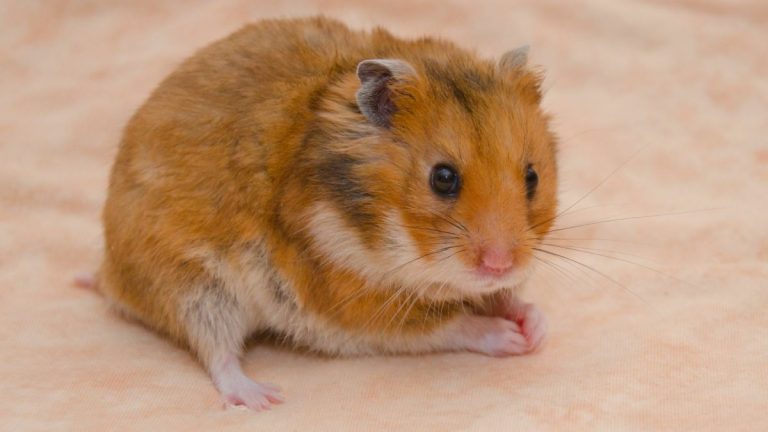
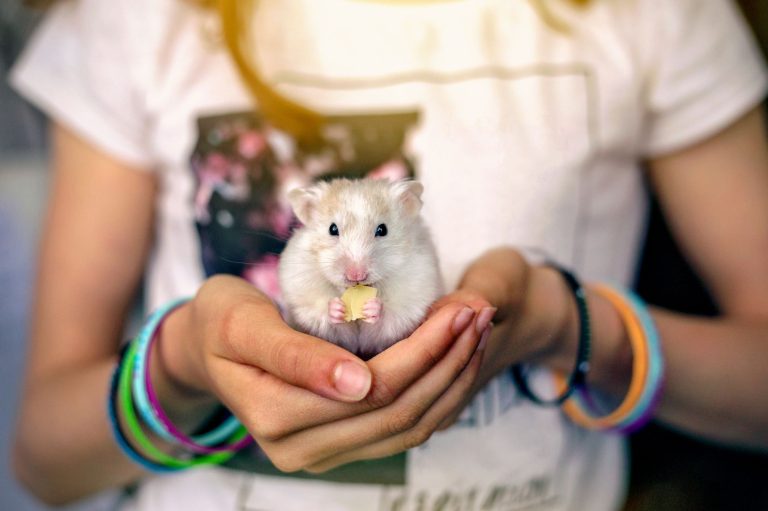
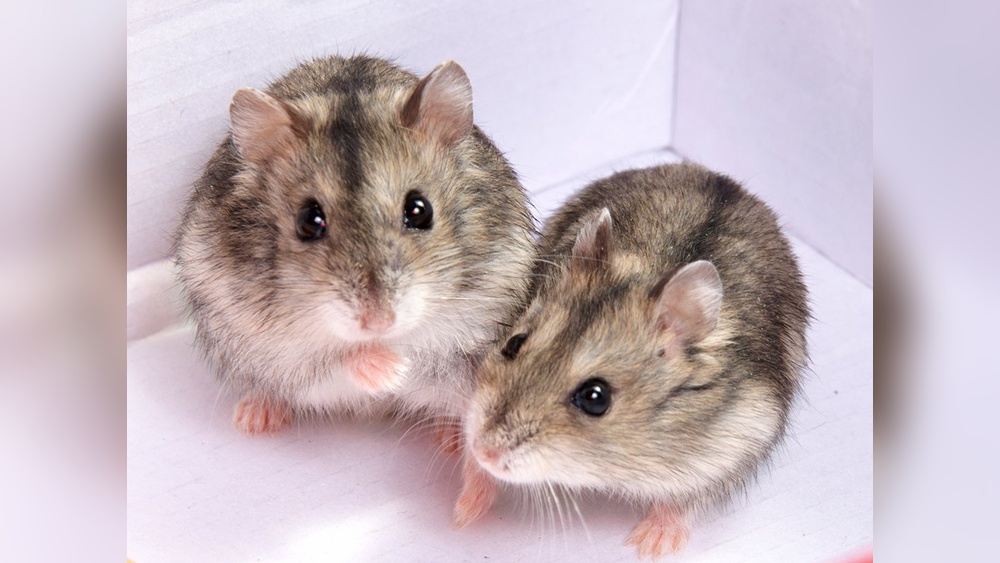
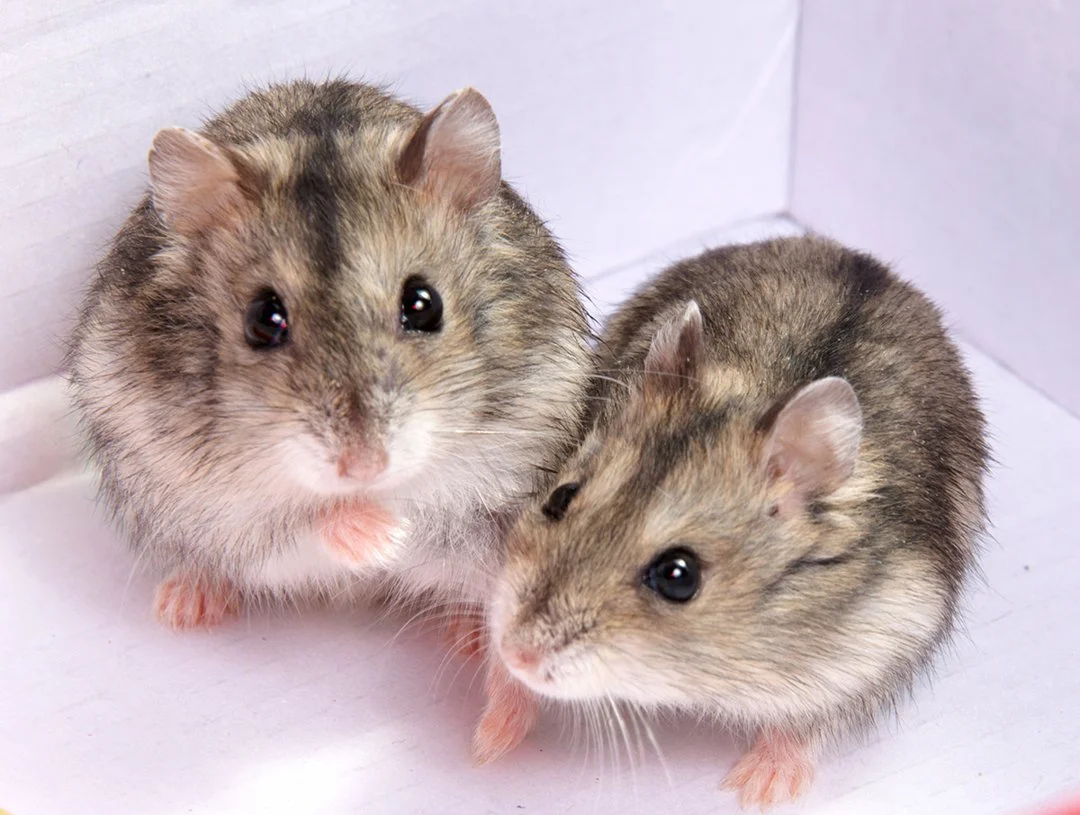
Hamsters are usually larger than mice. They have short tails or no visible tails. Mice have long, thin tails. Hamsters have rounder bodies and bigger cheek pouches for storing food.
Mice have smaller, slimmer bodies. Their ears are larger compared to their heads. Fur color and texture also differ between the two animals.
Behavioral Characteristics
Hamsters are mostly solitary and prefer to live alone. They are active at night and need quiet spaces. Mice are social animals. They live in groups and enjoy company.
Hamsters can be more aggressive if disturbed. Mice tend to be curious and explore more. Both need proper care but have different social needs.
Reproductive Biology
Reproductive biology explains how animals breed and pass on genes. It includes their physical ability to mate and the process of producing offspring. Understanding this helps answer if a hamster and a mouse can breed.
Genetic Compatibility
Hamsters and mice belong to different species with different genes. Their chromosomes do not match well enough for breeding. This genetic difference stops them from producing babies together. Each species has unique DNA that guides reproduction.
Breeding Cycles
Hamsters and mice have different breeding times and cycles. Mice breed year-round with short pregnancy periods. Hamsters usually have specific breeding seasons. These timing differences reduce chances of mating between them.
Mating Behaviors
Hamsters and mice have different ways of attracting mates. Their courtship actions and signals do not match. This causes confusion and stops mating attempts. Animals need clear signals to start breeding successfully.
Myths About Crossbreeding
Many people wonder if hamsters and mice can breed together. This question has led to many myths. These myths can confuse pet owners and animal lovers. Understanding these myths helps clear up wrong ideas. It also helps protect both animals from harm.
Common Misconceptions
Some believe hamsters and mice can have babies together. This is not true. They are different species with different genetics. Their bodies cannot create offspring together. Some myths say hybrids are possible. But science shows these animals cannot crossbreed.
Origins Of The Myth
The myth started because hamsters and mice look similar. Both are small, furry, and quick. People saw them living close and thought they might mate. Old stories and cartoons also mixed up facts. These tales made the idea of crossbreeding seem real.
Why The Myth Persists
People share stories without checking facts. Social media and forums spread wrong information fast. Some want to believe something unusual about pets. Confusion about animal science adds to the problem. These myths continue because many do not know the truth.

Credit: www.birdexoticsvet.com
Scientific Evidence
Scientific evidence plays a key role in answering if a hamster and a mouse can breed. Both animals belong to different families and have unique genetic codes. This section explores research, expert opinions, and case studies on this topic.
Research Findings
Studies show hamsters and mice have different numbers of chromosomes. Hamsters have 44 chromosomes, while mice have 40. This difference makes breeding between them nearly impossible. Scientists also note that their mating behaviors differ greatly. These biological barriers stop successful crossbreeding.
Expert Opinions
Experts agree that hamsters and mice cannot produce offspring together. Geneticists explain that species must be closely related to breed. Veterinarians point out that even attempts to mate these animals fail naturally. Their bodies and reproductive systems are not compatible.
Case Studies
Several case studies document attempts to breed hamsters and mice. None resulted in viable offspring. Observations show animals avoid mating with different species. These studies support the scientific consensus that crossbreeding is not possible.
Practical Considerations
Understanding practical considerations helps in caring for hamsters and mice properly. Both animals have unique needs. Knowing these can prevent stress and health problems for pets.
Pet Care Differences
Hamsters are usually solitary and prefer to live alone. Mice enjoy company and often live in groups. Feeding needs also differ. Hamsters eat more seeds and vegetables. Mice eat grains and fruits more often. Handling styles differ too. Hamsters can be shy and bite if startled. Mice are generally more curious and gentle. These differences affect daily care routines.
Housing Requirements
Hamsters need larger cages with deep bedding for burrowing. Mice require cages with smaller spaces to prevent escapes. Both need hiding places for safety. Ventilation is important to avoid damp smells. Clean cages regularly to keep pets healthy. Proper cage setup reduces stress and encourages natural behavior.
Health Risks
Hamsters and mice can carry different diseases. Close contact can spread infections between species. Both are prone to respiratory problems if cages are dirty. Hamsters may suffer from wet tail, a serious illness. Mice can develop tumors more often. Regular vet checks help catch health issues early. Avoid mixing species to reduce health risks.
Ethical And Legal Aspects
The topic of breeding hamsters and mice raises important ethical and legal questions. Many people wonder if these animals can mate and what it means for their care. Understanding these aspects helps protect animal welfare and follow the law. It also guides responsible pet ownership. This section explores key points about ethics and legality in this context.
Animal Welfare Concerns
Hamsters and mice are different species with distinct needs. Breeding them together can cause stress and harm. Their offspring, if any, might suffer health problems. Such breeding can lead to poor living conditions. Animals deserve care that respects their nature and well-being. Avoid actions that cause pain or confusion to pets.
Legal Regulations
Many places have laws about breeding animals. These rules protect pets from cruelty and improper care. Breeding different species may be illegal or restricted. It is important to check local laws before attempting any breeding. Following regulations helps keep animals safe and owners responsible.
Responsible Pet Ownership
Owning pets means caring for their health and happiness. Knowing the needs of each species is essential. Mixing species without knowledge can lead to problems. Always provide proper habitat, food, and medical care. Consult experts or veterinarians for advice. Being a responsible owner means putting animals first.
Credit: supremepetfoods.com
Frequently Asked Questions
Can A Hamster And A Mouse Breed Naturally?
No, hamsters and mice cannot breed naturally. They belong to different species with different genetic makeups, making crossbreeding impossible.
Why Can’t Hamsters And Mice Produce Offspring?
Hamsters and mice have incompatible chromosomes and reproductive systems, preventing successful mating or fertilization between the two species.
Are Hamster-mouse Hybrids Possible In Captivity?
No, hamster-mouse hybrids are not possible even in captivity. Their biological differences prevent any hybrid offspring from being born.
What Are The Differences Between Hamsters And Mice?
Hamsters are generally larger, have cheek pouches, and are solitary. Mice are smaller, social, and have different breeding behaviors and habitat needs.
Conclusion
Hamsters and mice belong to different species. They cannot breed with each other. Their bodies and genetics do not match. Trying to crossbreed them is not possible. Each animal has unique needs and habits. It is best to care for them separately.
Understanding these differences helps keep pets healthy. Enjoying hamsters and mice as they are is rewarding. Respect nature’s boundaries for happy, safe pets.