Can a Hamster Eat Crackers: Safe Treats or Hidden Dangers?
If you’ve ever caught yourself wondering, “Can a hamster eat crackers?” you’re not alone. You want to treat your tiny pet, but you also want to keep it safe and healthy.
It’s natural to think about sharing a snack, but not all human foods are good for hamsters. You’ll discover the surprising truth about crackers and your furry friend’s diet. Keep reading to learn what’s safe, what’s risky, and how to make the best choices for your hamster’s happiness.
Hamster Diet Basics
Hamsters need a balanced diet to stay healthy and happy. Their food should provide all the nutrients they need. A good diet supports their energy, growth, and overall health.
Knowing what hamsters can safely eat is important. Not all human foods are safe for them. Some foods can cause harm or upset their stomachs.
Essential Nutrients
Hamsters require proteins, fats, and carbohydrates. Proteins help build muscles and repair tissue. Fats give them energy and keep their fur shiny. Carbohydrates provide fuel for daily activities.
Vitamins and minerals are also key. Vitamin A supports vision and skin health. Calcium strengthens bones and teeth. These nutrients keep hamsters active and strong.
Common Safe Foods
Hamsters enjoy seeds, grains, and fresh vegetables. Sunflower seeds and pumpkin seeds are favorites. Small amounts of fresh carrots and cucumbers are healthy treats.
Fruits like apples and bananas can be given in tiny portions. Avoid citrus fruits as they may cause stomach upset. Plain, unsalted crackers are not ideal but can be a very rare treat.
Crackers And Hamsters
Crackers might seem like a simple treat to share with your hamster. These crunchy snacks are common in many homes and easy to offer. But hamsters have delicate diets. Not all human foods suit their small bodies. Understanding how crackers affect hamsters is important for their health.
Some crackers contain ingredients that could harm your pet. Others might cause digestive trouble or add unwanted calories. Knowing what is inside crackers helps you decide if they are safe for your furry friend.
Ingredients To Watch
Check the cracker label carefully. Many contain salt, sugar, and artificial flavors. Salt can lead to dehydration in hamsters. Sugar may cause weight gain and diabetes. Some crackers have spices or onion powder, which are toxic to hamsters. Wheat and gluten are usually fine but can cause allergies in rare cases.
Potential Risks
Crackers can upset your hamster’s stomach. Too much salt or sugar harms their kidneys and liver. Some hamsters might refuse crackers due to taste or texture. Overfeeding crackers can cause obesity and other health issues. Always offer small amounts and watch for any signs of illness.
Safe Treat Alternatives
Choosing safe treats for your hamster is important. Some human foods, like crackers, may harm them. Many healthier options exist to keep your pet happy and healthy.
Healthy treats support your hamster’s diet without causing weight gain or stomach issues. These options provide nutrients and satisfy their natural chewing needs.
Fruits And Vegetables
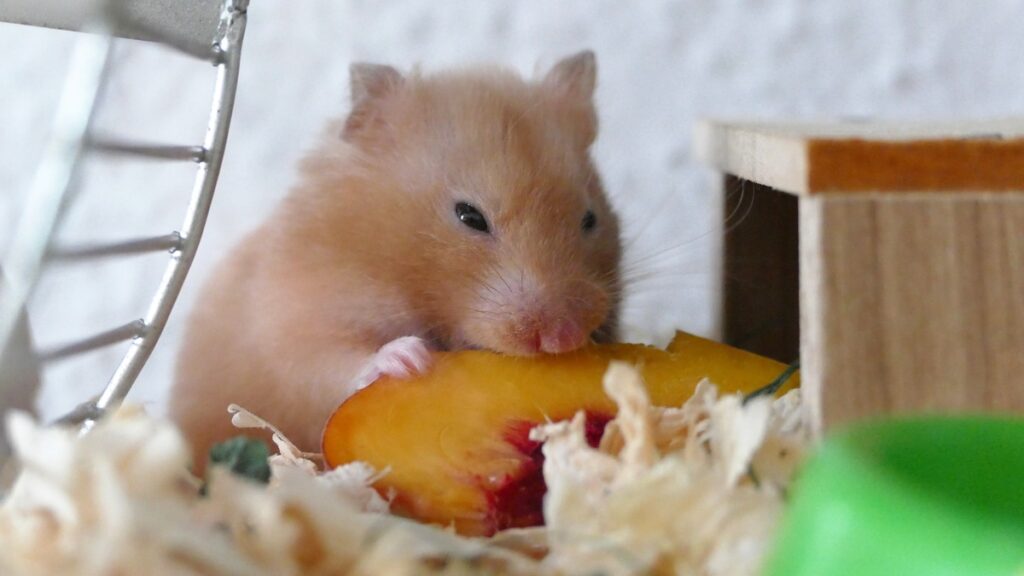
Fresh fruits and vegetables make great treats. Small pieces of apple, carrot, or cucumber are safe choices. Avoid citrus fruits and anything sugary. Wash all produce well before offering it to your hamster.
Vegetables like broccoli, spinach, and peas provide vitamins and fiber. Fruits such as blueberries or strawberries offer antioxidants. Serve these in moderation to prevent digestive problems.
Commercial Hamster Treats
Special hamster treats from pet stores are designed for their health. These treats often include seeds, grains, and natural flavors. They help with teeth grinding and provide energy.
Choose treats without added sugar or artificial ingredients. Always check the label to ensure the treat suits your hamster’s age and size. Use these treats to reward good behavior or for bonding time.
Credit: www.chewy.com
Feeding Tips
Feeding your hamster crackers requires careful attention. These snacks are not part of their natural diet. Use crackers as an occasional treat, not regular food. Always watch how your hamster reacts to new foods. This helps keep your pet safe and healthy.
Here are some important tips to guide you in feeding crackers to your hamster.
Portion Control
Offer only a small piece of cracker at a time. Hamsters have tiny stomachs. Too much can cause digestive problems. A pea-sized piece is enough for one treat. Avoid feeding crackers daily. Treats should not replace balanced hamster food.
Signs Of Food Allergies
Watch for unusual behavior after feeding crackers. Scratching, swelling, or redness may signal allergies. Diarrhea or vomiting are other warning signs. Stop feeding crackers immediately if these appear. Consult a vet to keep your hamster safe.
When To Consult A Vet
Knowing when to consult a vet for your hamster is very important. Hamsters cannot tell you when they feel sick. Observing their behavior can help you catch problems early.
Some health issues need quick attention. A vet can give the right treatment and advice. Do not wait too long if you notice unusual signs.
Symptoms Of Illness
Watch for changes in your hamster’s eating habits. Less eating or drinking can mean illness. Look for sneezing, coughing, or breathing problems. Check for runny eyes or nose. Notice if your hamster is very sleepy or weak. Swelling or lumps on the body need vet care. Diarrhea or wet fur around the tail can show sickness.
Regular Health Checks
Take your hamster to the vet for regular checkups. These visits keep your pet healthy and happy. The vet can find small problems before they grow. Regular checks include weight, teeth, and fur condition. The vet can give advice about diet and care. Regular visits help your hamster live longer.

Credit: www.shanklinpetstores.co.uk
Credit: articles.hepper.com
Frequently Asked Questions
Can Hamsters Safely Eat Crackers?
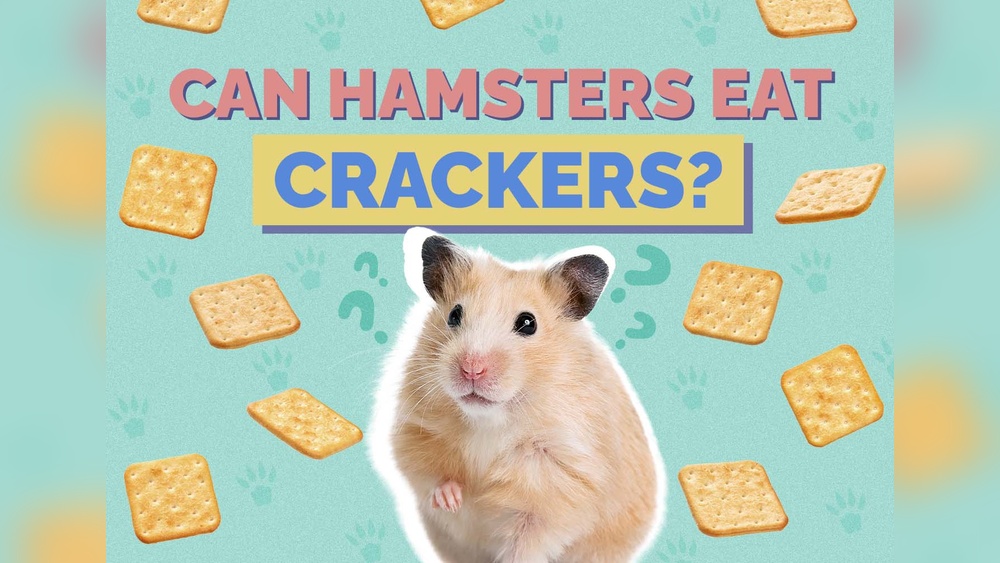
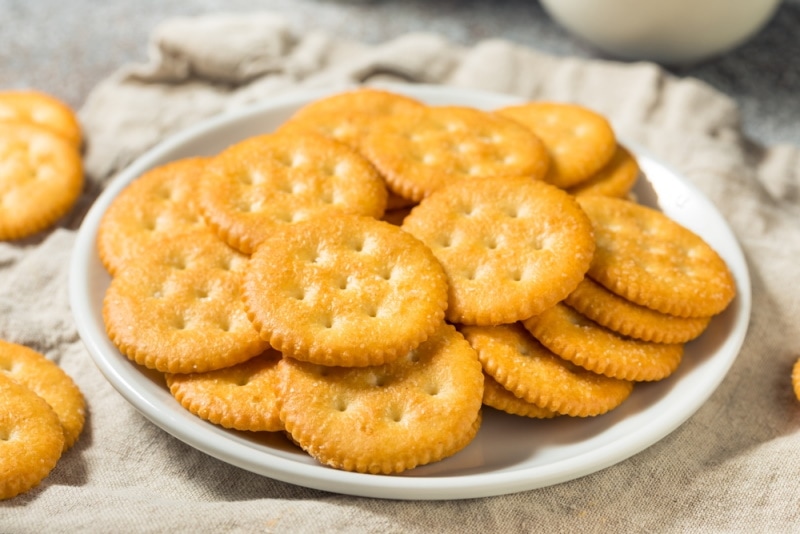
Hamsters can eat plain crackers in small amounts. Avoid salty, sugary, or flavored crackers as they harm hamsters. Always offer plain, unsalted crackers as an occasional treat, not a regular food source.
What Types Of Crackers Are Safe For Hamsters?
Plain, unsalted crackers without additives are safest for hamsters. Avoid crackers with spices, sugar, or preservatives. Always check ingredients to ensure no harmful substances are included before feeding your hamster.
How Often Can Hamsters Eat Crackers?
Feed hamsters crackers only once or twice a week. Crackers should be a rare treat to avoid health issues. Fresh hamster food and balanced diet remain the primary nutrition source.
Why Should Hamsters Avoid Salty Or Sweet Crackers?
Salty or sweet crackers cause dehydration and digestive problems in hamsters. Excess salt and sugar can lead to obesity and health complications. Stick to plain crackers to keep your hamster healthy.
Conclusion
Hamsters can eat crackers, but only in small amounts. Plain crackers without added salt or sugar are safest. Too many crackers can upset their stomach or cause weight gain. Always choose healthy, hamster-friendly treats first. Watching your pet’s reaction helps keep them safe.
Treat crackers as an occasional snack, not regular food. Your hamster will stay happy and healthy with good care. Simple, natural foods work best for your little friend.