Can Cats Get along With Ferrets: Surprising Truths Revealed!
Are you thinking about having both a cat and a ferret as pets? You might be wondering if these two very different animals can actually get along under the same roof.
It’s natural to worry about their safety and happiness. After all, you want a peaceful home where your furry friends enjoy each other’s company. You’ll discover what really happens when cats and ferrets meet. You’ll learn practical tips to help them build a friendly bond and avoid common problems.
Keep reading to find out how to create a happy, harmonious home for your unique pets.
Cat And Ferret Behavior
Cats and ferrets have very different behaviors. Understanding these can help them live together peacefully. Both animals have unique ways of playing and communicating. These behaviors affect how they interact with each other.
Knowing their natural instincts, play styles, and communication signals is important. This knowledge helps owners manage their pets’ relationships carefully. It also keeps both animals happy and safe.
Natural Instincts
Cats are hunters by nature. They like to stalk and pounce on small moving objects. Ferrets are also natural hunters but more curious and playful. They love to explore and dig into small spaces. Both animals have a strong prey drive. This can cause excitement or tension during their interactions.
Play Styles
Cats play with slow, careful movements. They use their paws gently when playing. Ferrets play roughly and with lots of energy. They chase, nip, and wrestle often. These differences can confuse each other. Supervision helps prevent rough play from turning into fights.
Communication Signals
Cats communicate by meowing, purring, and body language. Their tail position and ear movements show their mood. Ferrets use chirps, hisses, and body postures. They wiggle their bodies when happy or excited. Understanding these signals helps in reading their feelings. It also helps avoid misunderstandings between them.
Credit: www.chewy.com
Initial Introductions
Introducing cats and ferrets needs care and patience. Both animals have strong personalities. Their first meeting sets the tone for their future relationship. A calm and slow introduction helps them adjust to each other’s presence. It lowers chances of fear or aggression. Take your time and observe their reactions closely.
Safe Meeting Tips
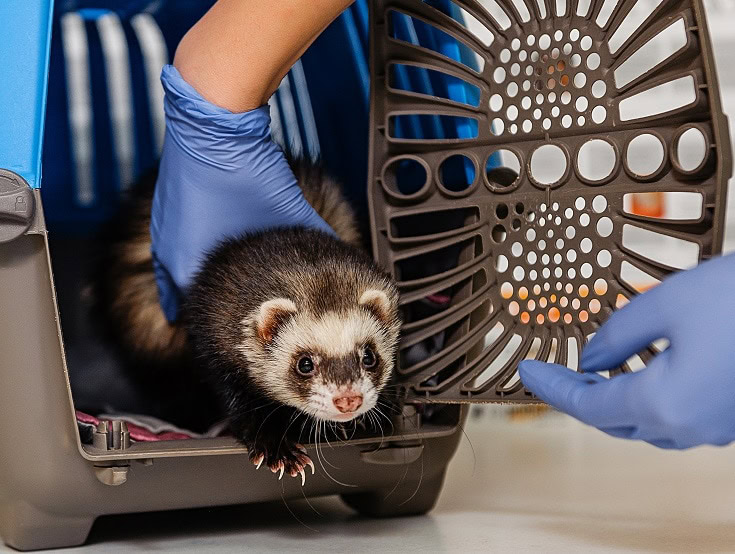
Choose a quiet room for their first meeting. Keep the ferret in a secure carrier at first. Let the cat approach calmly and sniff. Use a leash on the ferret if needed. Avoid forcing them to interact. Watch their body language carefully. End the session if either pet shows signs of stress. Repeat short meetings daily to build comfort.
Signs Of Stress
Look for signs like hissing, growling, or raised fur. The ferret may freeze or try to hide. Pacing or excessive licking shows anxiety. Both animals may avoid eye contact. If you see these signs, separate them immediately. Give them time to calm down before trying again. Stress can cause long-term fear or aggression.
Setting Boundaries
Create safe spaces for both pets to retreat. Use baby gates or closed doors if needed. Never leave them alone until fully comfortable. Teach the cat and ferret to respect each other’s space. Reward calm and gentle behavior with treats. Boundaries help build trust and reduce conflict. Patience and clear limits lead to peaceful coexistence.
Building A Positive Relationship
Building a positive relationship between cats and ferrets takes time and patience. Both animals have different ways of playing and communicating. Understanding these differences helps create a peaceful home. Gradual introductions and respect for each pet’s space are key.
Creating a bond requires effort from you. Encouraging gentle interactions helps both feel safe. Watching their behavior closely guides your next steps. Positive experiences build trust and reduce stress for both pets.
Shared Playtime Ideas
Choose toys that interest both cats and ferrets. Wand toys and small balls work well for chasing. Create a safe area for supervised play sessions. Let them explore and play together slowly. Keep playtimes short to avoid overwhelming either pet.
Positive Reinforcement
Reward calm and friendly behavior with treats or praise. Use soft tones to encourage good interactions. Avoid punishing either animal for fear or excitement. Consistent rewards help pets learn what you want. Positive reinforcement strengthens their bond over time.
Monitoring Interactions
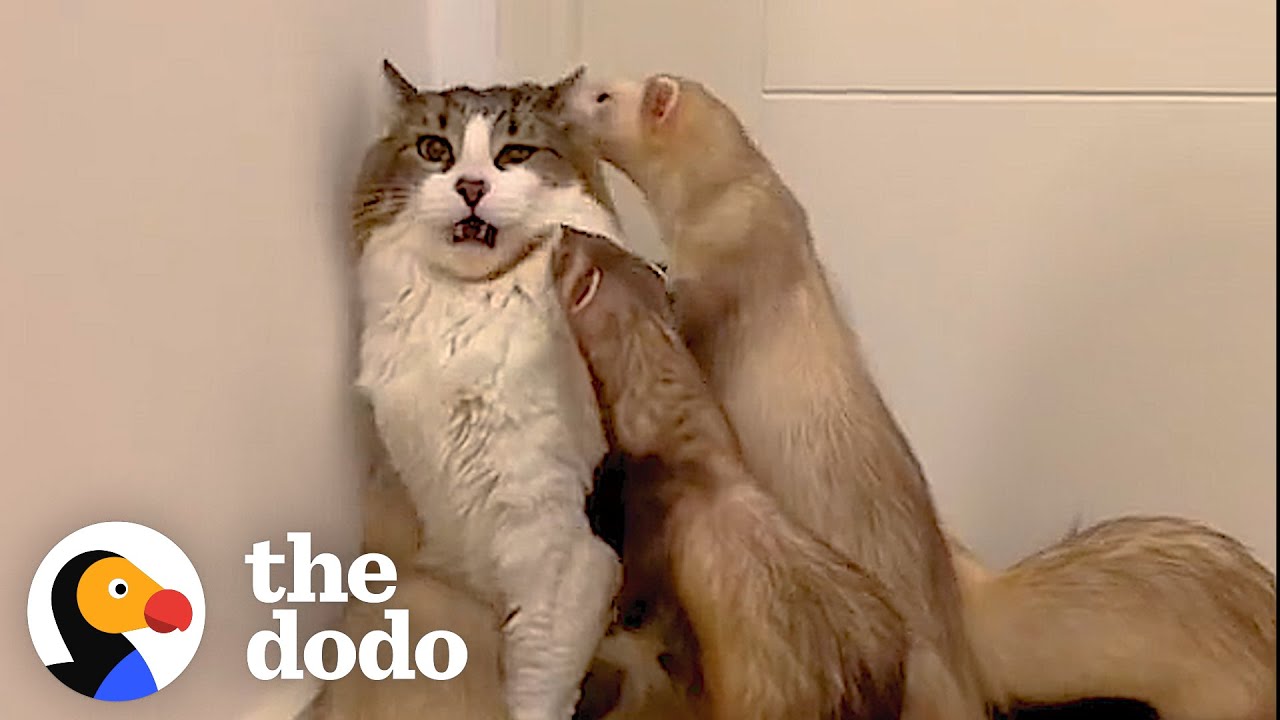
Watch every meeting closely at first. Separate pets if either shows signs of stress. Look for signs like hissing, growling, or stiff body language. Gradually increase interaction time as they get comfortable. Always keep safety as your top priority.
Credit: www.youtube.com
Common Challenges
Introducing cats and ferrets to live together can be tricky. They have different instincts and habits. These differences can cause some common challenges. Understanding these issues helps create a safer, peaceful home for both pets.
Territorial Behavior
Cats are very territorial animals. They mark their space with scent and body language. Ferrets are curious and like to explore everywhere. This can upset a cat’s sense of territory. Cats may hiss, growl, or swat at ferrets. Ferrets might chase or nip at cats. Both animals need time to adjust to each other’s presence. Careful introductions and separate spaces can ease territorial tensions.
Health Concerns
Cats and ferrets carry different diseases. Some illnesses can pass between them. Ferrets are sensitive to cat flea treatments and vice versa. Always check with a vet before sharing any products. Keep vaccinations and parasite control up to date for both pets. Watch for signs of illness like coughing or sneezing. Early action helps keep both animals healthy.
Managing Aggression
Both cats and ferrets can show aggression. Ferrets may bite during play or out of fear. Cats may scratch or swipe to defend themselves. Never leave them alone without supervision. Train and reward calm behavior from both pets. Use toys to distract them from rough play. Managing aggression takes patience and consistency. This creates a safer environment for cats and ferrets alike.
Long-term Coexistence
Long-term coexistence between cats and ferrets takes effort and patience. Both animals have different behaviors and needs. Ensuring they live together peacefully requires planning. Creating a safe and calm home helps them feel secure. Over time, they can learn to share space without stress.
Establishing Routines
Routines give pets a sense of safety. Feeding them at the same time each day helps. Playtime and rest periods should also follow a schedule. Consistent routines reduce anxiety and prevent conflicts. Both cats and ferrets adapt better to set daily patterns.
Environmental Enrichment
Providing toys and activities keeps pets busy and happy. Cats enjoy climbing trees and scratching posts. Ferrets love tunnels and interactive toys. Separate spaces for each animal help avoid competition. Enrichment prevents boredom and reduces unwanted behaviors.
Recognizing Compatibility
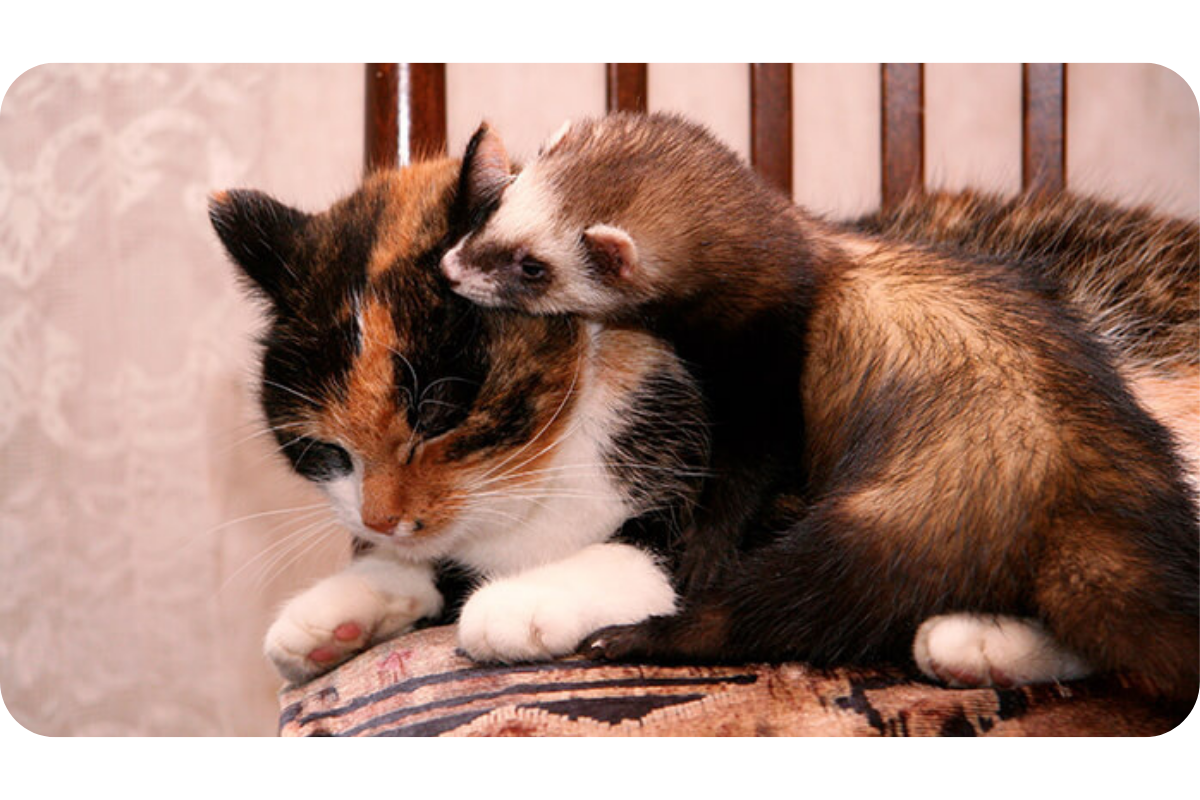
Each cat and ferret has a unique personality. Some cats may be calm and gentle with ferrets. Others might be too aggressive or fearful. Watch their body language closely during interactions. Respect their limits and separate them if needed. Compatibility is key for long-term peace.
Credit: solidstream.fi
Frequently Asked Questions
Can Cats And Ferrets Live Together Peacefully?
Yes, cats and ferrets can live together peacefully with proper introductions. Supervised interactions and gradual familiarization help them adjust and coexist.
Do Ferrets Pose A Danger To Cats?
Ferrets are generally playful, not aggressive. However, unsupervised play may stress cats or cause minor injuries. Monitor their behavior closely.
How To Introduce A Cat To A Ferret Safely?
Introduce them slowly in neutral spaces. Use leashes or barriers initially. Reward calm behavior to build positive associations between the pets.
Can Cats And Ferrets Share The Same Space?
Cats and ferrets can share space if supervised. Provide separate resting areas and monitor interactions to prevent conflicts or stress.
Conclusion
Cats and ferrets can live together with care and patience. Both animals have different natures but can learn to respect each other. Always watch their first meetings closely to keep them safe. Give each pet its own space to avoid stress and fights.
Over time, they might even enjoy each other’s company. Remember, every pet is unique, so take your time. Building trust helps create a peaceful home for cats and ferrets alike.