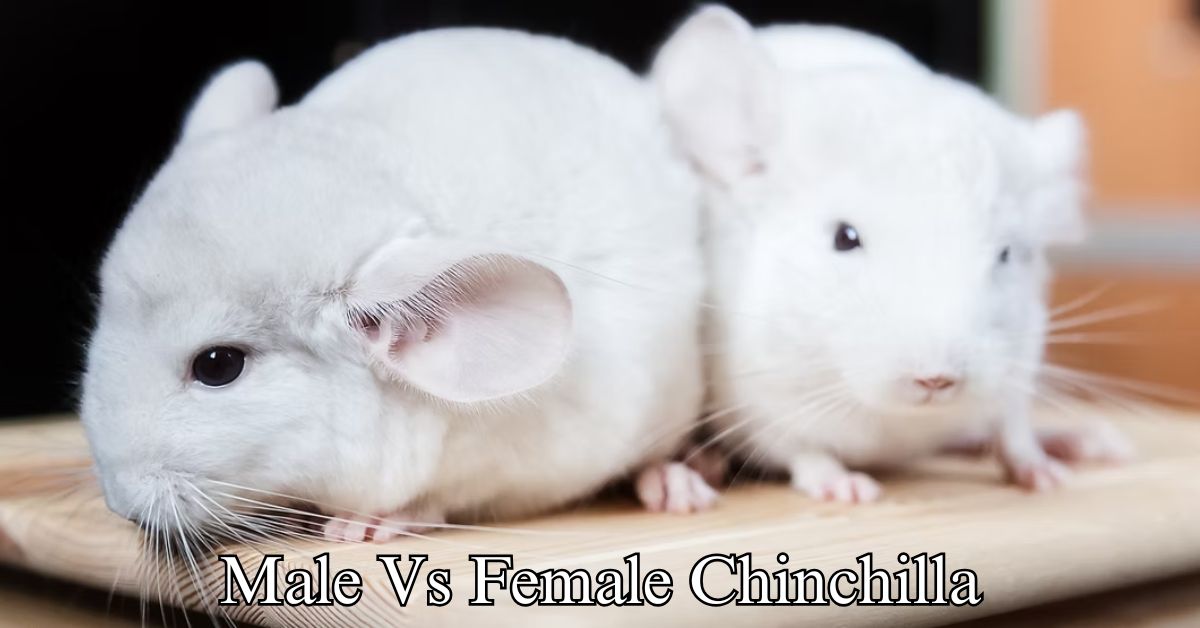
Male Vs Female Chinchilla: Key Differences and Care Tips
Chinchillas are adorable pets. Many wonder if male or female chinchillas are better.
Both have unique traits and behaviors. Understanding the differences between male and female chinchillas can help you make an informed decision. Chinchillas are known for their playful and affectionate nature. They require specific care and attention, which can vary based on gender.
By comparing male and female chinchillas, you can determine which might be a better fit for your home and lifestyle. Whether it’s temperament, grooming needs, or social behavior, knowing these differences can help you provide the best care for your furry friend. Let’s dive into the key aspects to consider when choosing between a male or female chinchilla.
Physical Differences
Understanding the physical differences between male and female chinchillas can help in their care and identification. These differences include size and weight, as well as fur texture and color. Knowing these can make it easier to distinguish between the two sexes.
Size And Weight
Male and female chinchillas have noticeable differences in size and weight. Generally, female chinchillas are larger and heavier than their male counterparts. The table below highlights these differences:
| Gender | Average Weight | Average Size |
|---|---|---|
| Male | 400-500 grams | 9-10 inches |
| Female | 500-600 grams | 10-11 inches |
Female chinchillas tend to have a more robust build. Males are usually slimmer and more agile.
Fur Texture And Color
Another way to distinguish between male and female chinchillas is by examining their fur texture and color. Both sexes have dense, soft fur, but there can be slight variations:
- Male chinchillas may have slightly coarser fur.
- Female chinchillas often have softer, more plush fur.
Both males and females can come in various colors like white, gray, or black. However, the texture difference is subtle and might require a keen eye to notice.

Credit: www.youtube.com
Behavioral Traits
Chinchillas, like many animals, have distinct behavioral traits based on their gender. Understanding these can help in choosing the right pet for you. Let’s explore the differences in activity levels and social interaction between male and female chinchillas.
Activity Levels
Male and female chinchillas show different levels of activity. Males are often more active and playful. They enjoy exploring and need more space to roam.
Females, on the other hand, are usually more reserved. They may prefer quieter environments and less physical activity. This can make them easier to manage in smaller spaces.
| Gender | Activity Level |
|---|---|
| Male | High |
| Female | Moderate |
Social Interaction
Social interaction also varies between male and female chinchillas. Males are generally more social and enjoy human interaction. They are easier to bond with and may seek attention more frequently.
Females tend to be more independent. They may not seek out human interaction as much as males. This does not mean they are unfriendly. They simply enjoy their own space.
In groups, males may establish a clear hierarchy. Females, while also social, might show less interest in forming strong bonds with their cage mates.
- Male: More social, enjoys attention
- Female: Independent, enjoys own space
Health Considerations
When deciding between a male or female chinchilla, understanding the health considerations is crucial. Both genders have unique health needs. This section covers common health issues and preventive care for both male and female chinchillas.
Common Health Issues
Male and female chinchillas can face different health issues. Knowing these differences can help you take better care of your pet.
| Health Issue | Male Chinchillas | Female Chinchillas |
|---|---|---|
| Urinary Tract Infections | Less common | More common |
| Fur Rings | More prone | Less prone |
| Reproductive Health | Testicular issues | Ovarian cysts |
Preventive Care
Both male and female chinchillas need regular preventive care to stay healthy. Here are some tips to keep your chinchilla in top shape:
- Regular Vet Check-ups: Schedule annual vet visits to catch potential issues early.
- Proper Diet: Feed high-quality hay and limited pellets. Avoid sugary treats.
- Clean Environment: Maintain a clean cage to prevent infections and respiratory issues.
- Exercise: Ensure plenty of exercise to keep your chinchilla active and healthy.
By focusing on these preventive measures, you can help your chinchilla live a long and healthy life.
Credit: smallpetselect.com
Dietary Needs
When caring for chinchillas, understanding their dietary needs is crucial. Both male and female chinchillas require a balanced diet. Proper nutrition ensures they stay healthy and active. There are specific dietary elements you must consider for their well-being.
Nutritional Requirements
Chinchillas need a diet high in fiber. This is essential for their digestive health. Hay is a primary food source. Timothy hay is the best choice. It promotes healthy digestion. Fresh vegetables can be given in small amounts. Avoid sugary or fatty foods. These can cause health issues.
Pellets are another important part of their diet. Choose high-quality chinchilla pellets. They should contain all necessary nutrients. Water is also vital. Always provide fresh, clean water. A water bottle is more hygienic than a bowl.
Feeding Schedule
Establishing a consistent feeding schedule is important. Chinchillas are crepuscular. They are most active at dawn and dusk. This is the best time to feed them. Offer hay and pellets in the evening. This aligns with their natural eating habits.
Provide fresh hay daily. Pellets should be given in measured amounts. Overfeeding can lead to obesity. Monitor their weight regularly. Adjust portions if necessary. Fresh vegetables can be given a few times a week. Do not overfeed treats. They should be occasional.
Housing Requirements
Chinchillas need the right housing for their health and happiness. Male and female chinchillas have similar housing needs. But there are some differences to consider. Let’s explore the housing requirements for both genders.
Cage Size And Design
Chinchillas need spacious cages to move and jump. A multi-level cage is best. It allows for climbing and provides exercise. The minimum cage size should be 24x24x24 inches. But bigger is always better. Make sure the cage has solid floors. Wire floors can harm their feet. Provide ramps and shelves for extra levels. Chinchillas love to explore and need plenty of space.
Bedding And Substrate
Choose safe bedding for your chinchilla. Avoid pine or cedar shavings. These can cause respiratory problems. Use aspen shavings or paper-based bedding. Both are safe and absorbent. Clean the bedding regularly to keep the cage fresh. Remove wet or soiled bedding daily. Change all the bedding once a week. This keeps your chinchilla healthy and happy.
Grooming Essentials
Grooming a chinchilla is essential for their health and happiness. Both male and female chinchillas need proper grooming. This keeps their coat and nails in good condition. Let’s explore some grooming essentials for your furry friends.
Bathing Methods
Chinchillas should never get wet. Instead, use a dust bath. Provide a dust bath at least twice a week. This helps remove dirt and oil from their fur. Use a special chinchilla dust, not sand. Place the dust in a shallow container. Let them roll around for 10-15 minutes. This keeps their fur clean and fluffy.
Nail And Fur Maintenance
Check their nails monthly. If the nails are too long, trim them carefully. Use small animal nail clippers. Avoid cutting too close to the quick. This can cause pain and bleeding.
Brush their fur weekly. Use a soft brush to remove loose hair. This prevents matting and keeps their coat healthy. Be gentle to avoid stress. Both male and female chinchillas benefit from regular grooming. It strengthens your bond and ensures their well-being.
Breeding Information
Male and female chinchillas have different breeding behaviors. Males are more active and territorial. Females tend to be more dominant and selective in choosing mates.
Breeding chinchillas can be a rewarding experience. It’s essential to understand the differences between male and female chinchillas during the breeding process. Knowing their behaviors and needs can help ensure a healthy and successful breeding experience.
Mating Behavior
Male chinchillas often initiate mating. They chase the female around the cage. This behavior can seem aggressive, but it is normal. Female chinchillas may resist at first. This is also normal. If the female is ready, she will allow the male to mate.
Mating usually occurs at night. It can take several attempts before successful mating. The female may become pregnant after one mating session. Chinchillas have a gestation period of about 111 days.
Raising Kits
Female chinchillas give birth to live young, called kits. A typical litter size is two to three kits. The mother chinchilla takes care of her kits. She nurses them and keeps them warm.
Kits are born with fur and open eyes. They are very active soon after birth. It is important to provide a safe and clean environment. This helps ensure the health of both the mother and the kits.
Male chinchillas should be separated from the mother and kits. This prevents any stress or accidental injury. Kits start to eat solid food around eight weeks old. They can be weaned from their mother at this time.
“`
Credit: letslovechinchillas.weebly.com
Training Tips
Training chinchillas can be both fun and rewarding. Both male and female chinchillas are intelligent and curious. With patience and consistency, you can teach them various behaviors. Let’s dive into some training tips that can help you with your furry friend.
Litter Training
Chinchillas are naturally clean animals. They can learn to use a litter box. Start by placing a small box in their cage. Fill it with hay or paper pellets. Observe where they usually go. Place the litter box in that spot. Reward them with a treat when they use the box. Consistency is key. Keep the box clean to encourage use. Both males and females can be trained this way.
Handling And Bonding
Chinchillas may be shy at first. Gaining their trust takes time. Start by sitting near their cage. Speak to them in a calm voice. Offer a treat through the bars. Let them come to you. Once they are comfortable, gently pick them up. Support their body with both hands. Avoid sudden movements. Regular handling helps build a bond. Both male and female chinchillas enjoy gentle attention. Spend time daily to strengthen your bond.
Frequently Asked Questions
How To Tell Male From Female Chinchilla?
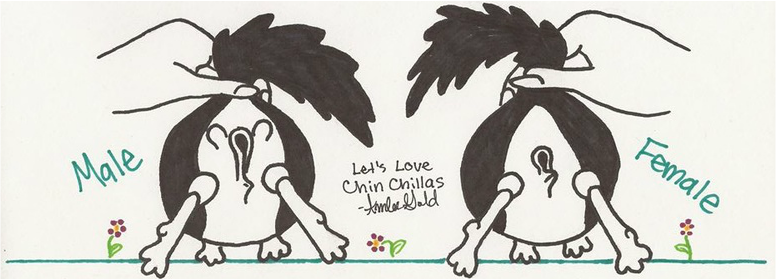
Male chinchillas have a noticeable gap between the anus and genitalia. Females lack this gap. This is the quickest way to differentiate.
Are Male Chinchillas More Aggressive?
Male chinchillas are generally more docile and less territorial. Females can be more assertive and territorial.
Which Is Easier To Train: Male Or Female Chinchilla?
Both genders are trainable, but males are often easier to handle. They are more laid-back and cooperative.
Do Male Chinchillas Live Longer Than Females?
Both male and female chinchillas have similar lifespans. They typically live between 10 to 20 years with proper care.
Conclusion
Choosing between a male or female chinchilla depends on personal preference. Males are often more sociable. Females may be slightly more independent. Both genders require the same care and attention. Consider their temperament and your lifestyle. Spend time with both before deciding.
Each chinchilla has its unique personality. This choice affects your pet’s happiness. Ensure you provide a loving home. Your new pet will bring joy regardless of gender. Happy pet parenting!