Can Ferrets Live Alone: Essential Tips for Happy Ferret Care
Have you ever wondered if ferrets can live alone? If you have a ferret or are thinking about getting one, this question is probably on your mind.
Ferrets are playful and social animals, but what happens when they don’t have a friend around? Understanding whether your ferret can be happy and healthy on its own is key to giving it the best life. Keep reading to discover what your ferret really needs and how you can make sure it thrives—whether alone or with company.
Credit: supremepetfoods.com
Ferret Social Needs
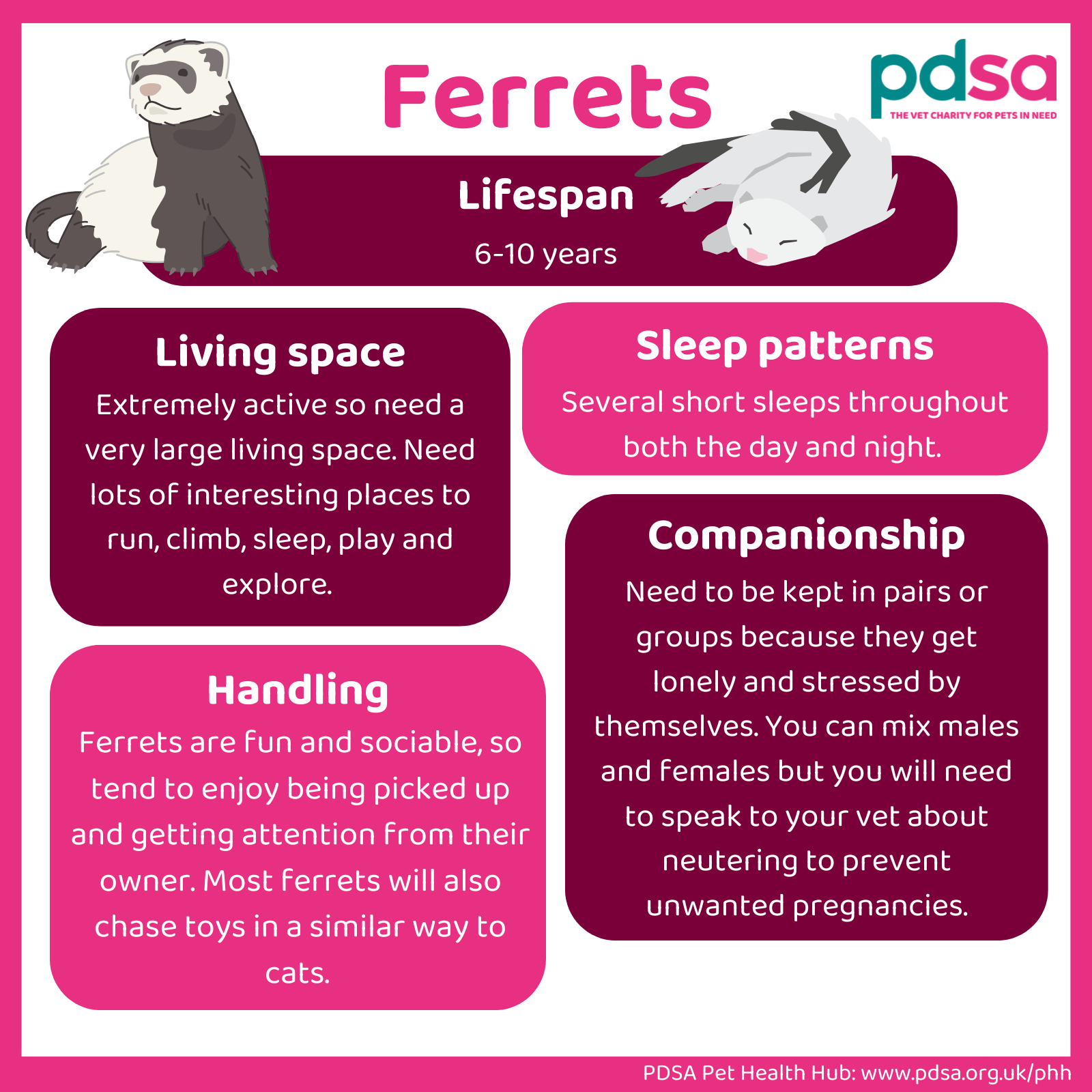
Ferrets are lively animals that need social interaction to stay happy. They enjoy company and play with others. Understanding their social needs helps keep them healthy and active.
Ferrets that live alone may feel bored or sad. Meeting their social needs is important for their well-being. Let’s explore their natural behavior and how to spot signs of loneliness.
Natural Behavior And Companionship
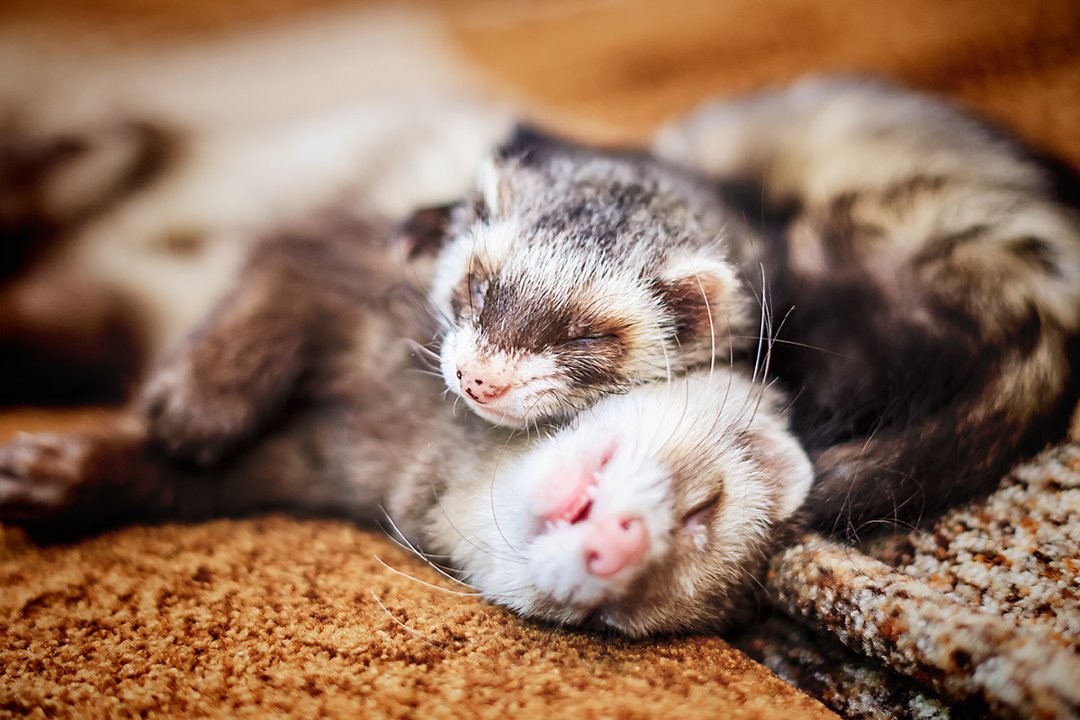
Ferrets are social creatures by nature. They live in groups in the wild and enjoy playing together. They chase, wrestle, and groom each other as part of their daily routine.
Having a companion helps ferrets stay energetic and reduces stress. Alone, they can become bored and less active. Two or more ferrets often bond quickly and share toys and naps.
Social play keeps their minds sharp and bodies healthy. Owners should provide enough interaction time if they have a single ferret. Toys and games can help, but they cannot replace another ferret’s company.
Signs Of Loneliness In Ferrets
Lonely ferrets show clear signs of sadness and boredom. They may become lazy and sleep more than usual. Lack of interest in toys or play is a common sign.
Some ferrets may show unusual behaviors like biting or scratching. They can become anxious or depressed without social interaction. Vocal sounds like whining or crying may increase.
Watch for these signs to know if your ferret needs more attention. Spending more time playing and cuddling helps. A second ferret might be the best solution for their happiness.
Living Alone: Pros And Cons
Choosing to keep a ferret alone has both good and bad sides. It is important to understand these before deciding. Living alone means the ferret gets all your attention and care. But ferrets are social animals and may miss company.
Knowing the benefits and challenges helps you provide a happy life for your pet. This section explains what to expect from single ferret ownership.
Benefits Of Single Ferret Ownership
One ferret needs less space and fewer supplies. You can focus all your time and love on one pet. It is easier to notice health issues early with only one ferret. Cleaning the cage and feeding is simpler and faster. Single ferrets often bond closely with their owners. They enjoy human interaction and may become very affectionate. Managing vaccinations and vet visits is less complicated for one ferret. It can be less noisy and less messy with only one pet around.
Challenges Of Solo Ferret Care
Ferrets are playful and like to have friends. A single ferret may feel lonely or bored without another ferret. Loneliness can lead to stress and bad behavior. You must spend more time playing and entertaining the ferret daily. It is important to give toys and activities to keep the ferret busy. Social interaction with people cannot fully replace ferret companionship. The ferret might become clingy or anxious if left alone too long. Extra care and attention are needed to meet emotional needs.
Creating A Stimulating Environment
Creating a stimulating environment is key to a happy ferret. Ferrets are curious and active animals. They need mental and physical activities to stay healthy and joyful. Without enough stimulation, ferrets can become bored or stressed. Setting up the right space helps them feel safe and engaged every day.
Toys And Enrichment Ideas
Provide a variety of toys for your ferret. Soft balls, tunnels, and chew toys work well. Rotate toys often to keep interest high. Hide treats inside toys for a fun challenge. Cardboard boxes and paper bags make simple, fun play spots. Puzzle feeders also keep ferrets busy and thinking. These toys help reduce boredom and encourage natural behaviors.
Safe Space Setup
Choose a quiet, secure area for your ferret’s home. Use a cage with plenty of room to move around. Add soft bedding and hammocks for resting spots. Make sure the space is free from sharp objects and hazards. Provide clean water and food bowls inside. Keep the area at a comfortable temperature. A safe space lets ferrets explore and relax without stress.
Credit: www.pdsa.org.uk
Daily Care Tips For Solo Ferrets
Taking care of a solo ferret requires attention and routine. A single ferret needs more interaction and care than those living with friends. Daily care helps keep your ferret happy and healthy. It also prevents boredom and loneliness, which can cause behavior problems.
Exercise And Playtime
Ferrets are active animals and need daily exercise. Let your ferret explore a safe room or play area. Use toys that encourage chasing and digging. Short play sessions several times a day work best. Rotate toys often to keep your ferret interested. Spend time playing with your ferret to build trust and bond. Avoid leaving your ferret alone for long periods without activity.
Feeding And Health Monitoring
Feed your ferret high-quality ferret food twice a day. Fresh water must always be available. Check your ferret’s weight regularly to spot health changes. Watch for signs of illness like sneezing or lethargy. Clean the litter box and cage daily to prevent infections. Schedule regular vet check-ups to keep your ferret in top shape.
Introducing A New Ferret Companion
Introducing a new ferret companion can bring joy and activity to your pet’s life. Ferrets are social animals and often enjoy having a friend. Adding a second ferret can reduce loneliness and increase playtime. But it requires careful planning and patience. The introduction must be smooth to avoid stress or fighting. Understanding the right time and steps helps make the process easier for both ferrets.
When To Add A Second Ferret
Choose the right moment to bring a new ferret home. Your current ferret should be healthy and calm. Avoid adding a new ferret during times of stress or illness. It is best to introduce a companion after your ferret is used to its environment. Young ferrets tend to adjust better to new friends. Consider the age and temperament of both ferrets. They should be similar in size to prevent bullying. Adding a new ferret too soon can cause problems.
Steps For Successful Introductions
Start by keeping the ferrets in separate cages near each other. Let them smell and see each other without direct contact. Allow this for several days to build familiarity. Next, arrange short supervised play sessions. Watch for signs of aggression or fear. If they act calmly, increase the time together. Provide toys and treats to keep them busy. Separate them if fighting happens, then try again later. Keep the introduction slow and steady. Patience is key for a peaceful bond.

Credit: www.reddit.com
Signs Your Ferret Needs More Social Interaction
Ferrets are social animals that need interaction to stay happy and healthy. Signs your ferret needs more social time often show in their behavior. Watching your ferret closely helps catch these signs early. This way, you can improve their quality of life quickly.
Behavioral Changes To Watch
Changes in behavior can mean your ferret feels lonely. A ferret may become less active or stop playing. They might show signs of stress, like biting or scratching themselves. Some ferrets may hide more or seem sad. These changes tell you your ferret needs more social contact.
Adjusting Care Routine
Adding more playtime can help a lonely ferret. Spend time each day interacting with your pet. Use toys or gentle petting to keep them engaged. Consider a companion ferret if your schedule limits social time. Small changes in care make a big difference in their mood.
Frequently Asked Questions
Can Ferrets Live Happily Alone?
Yes, ferrets can live alone but need more attention and playtime from owners to stay happy and healthy.
Do Ferrets Get Lonely Without Companions?
Ferrets are social animals and may feel lonely without other ferrets or regular human interaction.
How To Keep A Single Ferret Entertained?
Provide plenty of toys, interactive play sessions, and safe exploration time to keep a single ferret mentally stimulated.
Is It Better To Have One Or Multiple Ferrets?
Having multiple ferrets can reduce boredom and loneliness, but single ferrets can thrive with proper care and attention.
Conclusion
Ferrets need attention and play to stay happy and healthy. They are social animals that enjoy company. Living alone can make a ferret feel lonely and bored. You should spend time playing and bonding every day. Toys and interaction help reduce stress for a solo ferret.
Some ferrets do well alone, but many prefer friends. Understanding your ferret’s personality is key to their care. A happy ferret means a happy owner too. Take time to learn what your ferret needs most.