Can Ferrets Live Outside: Essential Tips for Safe Outdoor Care
Are you thinking about letting your ferret enjoy the great outdoors? You might be wondering, can ferrets live outside safely?
It’s a question many ferret owners ask because these curious little creatures love to explore. But before you open the door to the outside world, you need to know the risks and what it really takes to keep your ferret happy and healthy outdoors.
Keep reading to discover everything you need to make the best choice for your furry friend’s safety and comfort.
Ferret Outdoor Suitability
Ferrets are curious and lively pets. Many owners wonder if ferrets can live outside safely. Understanding their outdoor suitability helps make good choices for their care. Ferrets need a safe and comfortable space to thrive, whether inside or outside.
Outdoor life is not natural for all ferrets. Their needs and habits affect how well they adapt to outdoor settings. Knowing the benefits and risks of outdoor time is important for their health and happiness.
Natural Habitat And Behavior
Ferrets are descended from wild polecats. They naturally live in burrows underground. Their bodies and instincts suit small, enclosed spaces. Ferrets are sensitive to temperature changes. They prefer moderate climates without extreme heat or cold. Ferrets are active mostly during dawn and dusk. They like to explore but stay close to safe areas.
Benefits Of Outdoor Time
Outdoor time offers fresh air and new smells. It helps ferrets stay active and healthy. Playing outside can reduce boredom and stress. Sunlight provides vitamin D, important for bones. Outdoor exploration encourages natural hunting and digging behavior. Supervised outdoor time can improve a ferret’s mood and energy.
Risks Of Outdoor Exposure
Outdoor life exposes ferrets to many dangers. Predators like dogs, hawks, and foxes pose threats. Harsh weather can cause heatstroke or hypothermia. Toxic plants and chemicals may harm curious ferrets. Ferrets can escape through small gaps or holes. Parasites such as fleas and ticks are common outside. Unsupervised outdoor time often leads to injury or loss.
Safe Outdoor Environment
Ferrets are curious and active animals. They enjoy exploring outside but need a safe space. A safe outdoor environment keeps ferrets healthy and protected. It helps prevent accidents and stress. Creating the right setup is key for happy ferrets outdoors.
Secure Enclosures
Use strong cages or pens to keep ferrets inside. Enclosures must have no gaps or holes. Ferrets can squeeze through small spaces. The top should be covered to stop escapes. Choose materials that resist chewing and weather damage. Regularly check for weak spots or wear.
Protection From Predators
Outdoor ferrets face danger from birds, dogs, and wild animals. Enclosures must shield them from these threats. Use wire mesh with small openings to block predators. Avoid placing pens near bushes or trees where animals hide. Supervised outdoor time adds extra safety.
Weather Considerations
Ferrets are sensitive to heat and cold. Provide shaded areas to avoid sunburn and overheating. Use blankets or shelters for cold days and nights. Avoid leaving ferrets outside during storms or extreme weather. Monitor temperature and bring them indoors as needed.
Health And Hygiene
Keeping ferrets healthy and clean is key if they live outside. Outdoor life exposes them to more risks. Dirt, parasites, and germs can cause illness quickly. Good care protects your ferret’s health and happiness.
Preventing Parasites
Parasites are common outdoors. Fleas, ticks, and mites can harm ferrets. Check your ferret’s fur often. Use vet-approved treatments to stop parasites. Clean bedding and living areas regularly. Parasite prevention keeps ferrets comfortable and safe.
Vaccination And Vet Care
Regular vet visits are important. Vaccines protect ferrets from serious diseases. Rabies and distemper shots are musts. Watch for signs of sickness like lethargy or loss of appetite. Early care helps avoid bigger health problems.
Cleanliness And Grooming
Ferrets need clean homes and grooming. Bathe your ferret only when needed. Brush fur to avoid mats and dirt. Clean litter boxes daily to reduce odors and germs. A clean ferret feels better and stays healthier.

Credit: livingstonhunger.com
Supervised Outdoor Activities
Ferrets enjoy exploring outside, but only under close watch. Supervised outdoor activities help keep them safe while they have fun. These moments let ferrets use their energy and satisfy their curiosity.
Leash Training Tips
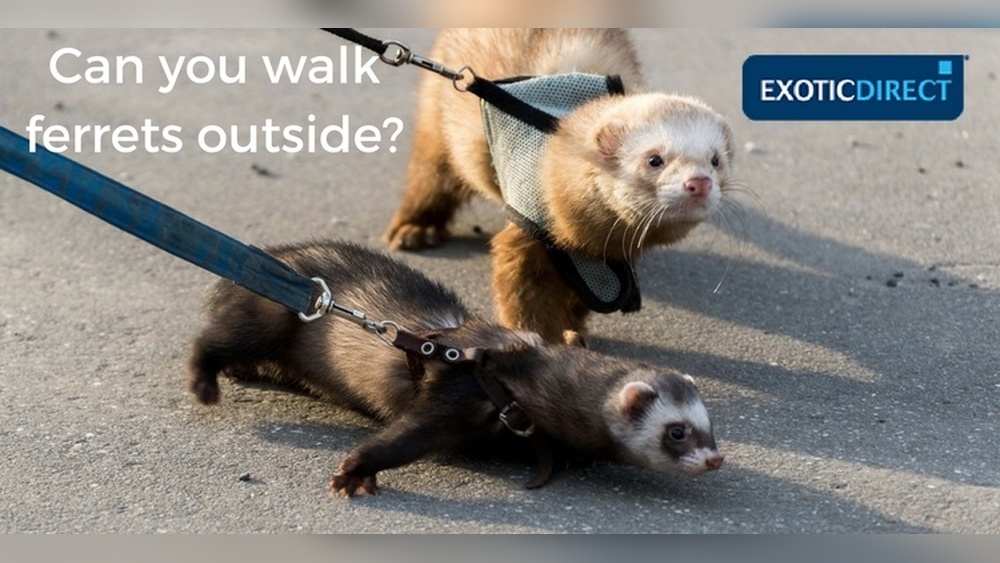
Start leash training indoors in a quiet space. Use a small harness made for ferrets. Let your ferret wear the harness for short times first. Attach the leash gently and follow your ferret’s lead. Keep sessions short and positive. Praise your ferret with treats to build trust.
Interactive Play Outdoors
Take toys outside to engage your ferret. Use tunnels, balls, or small toys to encourage movement. Play hide and seek with treats hidden in safe spots. Change toys often to keep your ferret interested. These games improve their physical and mental health.
Monitoring Behavior And Safety
Watch your ferret closely during outdoor time. Look for signs of stress or fear. Keep an eye on weather conditions and avoid extreme heat or cold. Check the area for harmful plants or sharp objects. Always stay near your ferret to prevent escapes or injuries.
Diet And Hydration Outside
Ferrets need proper diet and hydration to stay healthy outside. Their eating habits and water intake affect their energy and mood. Outdoor life can change how they eat and drink. Careful attention helps avoid health problems.
Feeding During Outdoor Time
Ferrets have fast metabolisms and need regular food. Bring high-protein snacks for your ferret while outside. Avoid feeding wild plants or insects. Stick to their usual diet to keep their digestion steady. Small, frequent meals work best during outdoor play.
Access To Fresh Water
Water is vital for ferrets, especially outside in the sun. Always carry a clean water bottle or bowl. Offer water often to prevent dehydration. Do not let them drink from puddles or ponds. Fresh water keeps them active and healthy.
Avoiding Toxic Plants And Foods
Many outdoor plants and foods can harm ferrets. Watch for toxic plants like lilies, azaleas, and daffodils. Keep ferrets away from human snacks like chocolate and onions. Learn which plants are dangerous in your area. Safe surroundings protect your ferret’s health.

Credit: www.reddit.com
Emergency Preparedness
Ferrets living outside face many risks daily. Emergency preparedness is key to keeping them safe. Knowing how to act quickly can save your ferret’s life. Prepare for possible injuries and distress signs. Have a plan for fast response. This care ensures your ferret stays healthy and happy outdoors.
Handling Outdoor Injuries
Outdoor ferrets can get cuts, bites, or bruises. Clean wounds gently with warm water. Use a clean cloth to stop bleeding. Avoid using human medicine without vet advice. Keep injured ferrets calm and warm. Contact a vet immediately for serious injuries.
Recognizing Signs Of Distress
Ferrets show distress through behavior changes. Watch for limping, hiding, or unusual quietness. Heavy breathing or shaking can mean pain. Loss of appetite or vomiting are serious signs. Early recognition helps prevent worse problems. Stay alert to sudden changes in behavior.
Quick Response Strategies
Act fast if your ferret is injured or sick. Move them to a safe, quiet place. Keep them warm and calm. Use a first aid kit if available. Call your vet for advice or emergency help. Keep emergency numbers handy at all times. Quick action improves recovery chances.
Credit: exoticdirect.co.uk
Frequently Asked Questions
Can Ferrets Survive Living Outdoors?
Ferrets can live outdoors only in controlled, safe environments. They need protection from extreme weather and predators. Outdoor living is risky without proper shelter and supervision.
What Are The Risks Of Keeping Ferrets Outside?
Outdoor ferrets face dangers like cold, heat, predators, and escapes. They also risk infections and stress. Proper care and secure enclosures reduce these risks.
How To Create A Safe Outdoor Space For Ferrets?
Use a secure, weatherproof enclosure with shade and bedding. Ensure protection from predators and escape-proof fencing. Regularly check temperature and cleanliness for ferret safety.
Do Ferrets Prefer Indoor Or Outdoor Living?
Ferrets generally prefer indoor living where temperature and safety are controlled. Outdoor living can cause stress and health issues unless carefully managed.
Conclusion
Ferrets need a safe and warm home to stay healthy. Outdoor life brings many risks like cold, predators, and illness. They do best inside, where you can watch and care for them. If you want to keep a ferret happy, provide a cozy, secure space indoors.
Remember, their well-being depends on your attention and care. Choose safety and comfort for your ferret’s long, joyful life.