Can Rabbits Have Almonds: Safe or Harmful Snack Guide?
If you have a pet rabbit, you probably want to give it tasty treats now and then. But can rabbits have almonds safely?
You might wonder if almonds are a healthy snack or if they could harm your furry friend. Understanding what foods are safe for your rabbit is important for keeping it happy and healthy. Keep reading to find out the truth about almonds and your bunny’s diet—this information could make a big difference for your pet’s well-being.

Credit: www.youtube.com
Rabbit Diet Basics
Rabbits need a special diet to stay healthy and happy. Their digestive systems are delicate and require the right foods. Giving rabbits the proper nutrition helps them live longer and avoid sickness. Understanding what to feed rabbits is very important for pet owners.
Essential Foods For Rabbits
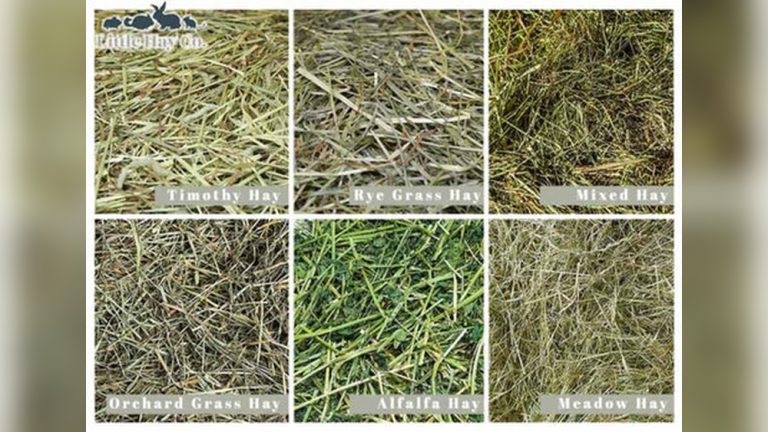
Hay is the most important food for rabbits. It helps their teeth and digestion work well. Fresh vegetables like leafy greens provide vitamins and minerals. Pellets made for rabbits give balanced nutrition in small amounts. Fresh water should always be available and clean. These foods keep rabbits active and strong every day.
Foods To Avoid
Rabbits cannot eat many human snacks or nuts. Foods high in sugar or fat can cause serious health problems. Avoid giving rabbits almonds or other nuts. Some vegetables and fruits, like onions and potatoes, are harmful. Do not feed rabbits bread, chocolate, or processed foods. These can upset their stomach and cause illness.
Almonds And Rabbits
Rabbits are curious animals and may try many foods. Almonds are popular nuts for people. But can rabbits eat almonds safely? It is important to know the facts before feeding them.
Understanding the effects of almonds on rabbits helps keep them healthy. Let’s explore the nutritional content of almonds and their safety for rabbits.
Nutritional Content Of Almonds
Almonds are rich in fats, especially healthy unsaturated fats. They contain protein, fiber, and vitamins like vitamin E. Almonds also have minerals such as magnesium and calcium.
These nutrients benefit humans but may not suit rabbits well. Rabbits need a diet high in fiber and low in fat. Almonds are calorie-dense and low in fiber compared to hay or vegetables.
Are Almonds Safe For Rabbits?
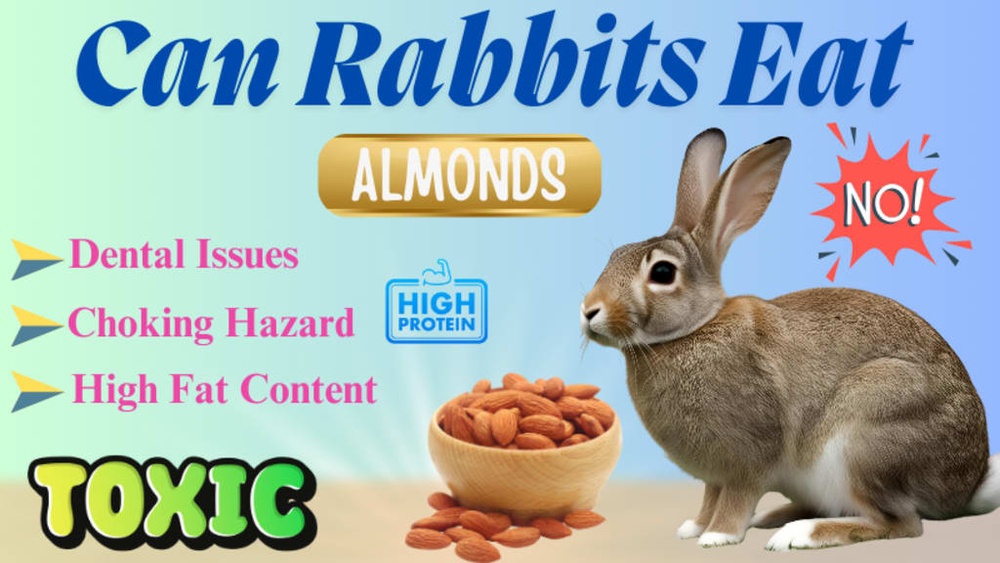
Almonds are not toxic to rabbits but are not recommended as a regular food. Their high fat content can cause digestive problems. Too many almonds may lead to obesity or upset stomach.
Rabbits have sensitive digestive systems. Small amounts might not harm them, but almonds do not provide the right nutrients. It is better to offer foods made for rabbits, like fresh vegetables and hay.
Potential Risks Of Almonds
Almonds may look like a tasty snack for rabbits. Yet, they come with risks that can harm your pet. Understanding these risks helps keep rabbits safe and healthy. Always think twice before giving almonds to your furry friend.
Choking Hazards
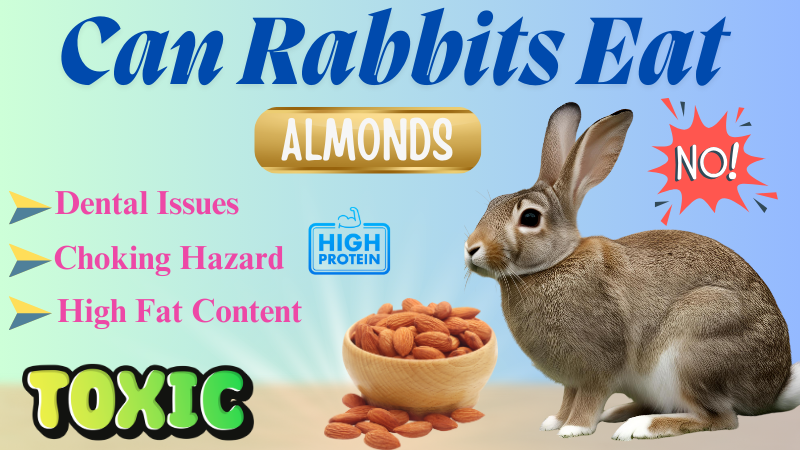
Almonds are hard and small. Rabbits can easily choke on whole almonds. Their throat is narrow, making choking dangerous. Even broken pieces can block their airway. Avoid giving almonds to prevent choking accidents.
Toxic Components In Almonds
Some almonds contain natural toxins called cyanogenic glycosides. These toxins release cyanide in the body. Bitter almonds have higher toxin levels. Cyanide can cause serious poisoning in rabbits. Sweet almonds have less, but risk remains. It is best to keep almonds away from rabbits.
Digestive Issues
Rabbits have sensitive stomachs. Almonds are high in fat and hard to digest. Eating almonds can cause diarrhea and stomach pain. Over time, almonds may disrupt their gut bacteria. This leads to poor digestion and illness. Stick to rabbit-safe foods for their health.
Credit: www.catster.com
Alternatives To Almonds
Almonds are not ideal for rabbits because they can be hard to digest. Finding safe and healthy alternatives helps keep your pet happy and well-nourished. Some nuts and treats offer good nutrition without risks.
Safe Nut Options
Rabbits can enjoy small amounts of certain nuts occasionally. Walnuts and hazelnuts are safer choices. They contain healthy fats and proteins in moderation. Avoid salted or flavored nuts to prevent health issues. Always give nuts in tiny pieces to avoid choking. Nuts should never replace a rabbit’s main diet.
Healthy Treats For Rabbits
Fresh vegetables like carrots and leafy greens make excellent treats. Fruits such as apple slices and strawberries work well too. Offer these treats in small amounts daily. Hay and pellets should remain the main food. Treats help add variety without harming digestion. Always introduce new foods slowly and watch for reactions.
Feeding Tips And Precautions
Feeding rabbits requires careful attention to their diet. Almonds can be tricky for rabbits. Knowing the right feeding tips and precautions helps keep your pet safe and healthy. This guide covers how to introduce almonds, control portions, and watch for allergic reactions.
How To Introduce New Foods
Introduce almonds slowly and in very small amounts. Start with a tiny piece and watch your rabbit’s reaction. Wait two to three days before giving more. This helps identify any problems early. Always offer fresh water alongside new foods.
Portion Control
Almonds are high in fat and calories. Give only one or two small pieces as a treat. Do not feed almonds daily. Too many nuts can cause digestive issues and weight gain. Treats should never replace the main diet of hay and vegetables.
Signs Of Allergic Reactions
Watch for itching, swelling, or redness around the mouth. Sneezing, coughing, or difficulty breathing may also occur. Diarrhea or stomach pain are warning signs. Stop feeding almonds immediately if these happen. Contact a vet for advice if your rabbit shows any symptoms.
Credit: vocal.media
Frequently Asked Questions
Can Rabbits Safely Eat Almonds?
Rabbits should not eat almonds. Almonds contain high fat and can cause digestive issues. They may also pose a choking hazard. Stick to rabbit-safe foods like hay, vegetables, and fruits.
Why Are Almonds Bad For Rabbits?
Almonds are bad because they have fats and oils rabbits can’t digest well. This can cause stomach upset and long-term health problems. Avoid feeding almonds to keep your rabbit healthy.
What Foods Are Safe Alternatives To Almonds For Rabbits?
Safe alternatives include fresh leafy greens, carrots, and small fruit pieces. Hay is essential for their diet. These options provide nutrients without harmful fats or toxins.
How Many Almonds Can Rabbits Eat Daily?
Rabbits should not eat any almonds. Even small amounts can harm their digestive system. It is best to avoid almonds entirely for their safety.
Conclusion
Rabbits should not eat almonds. These nuts can cause health problems. Rabbits need foods that are safe and easy to digest. Stick to fresh vegetables and hay for your pet. Always choose treats made for rabbits. Keep your furry friend happy and healthy with the right diet.
Remember, their safety comes first. Avoid risks by knowing what foods to offer. Healthy rabbits live longer and feel better every day.