Chinchilla Vs Rabbit: Ultimate Pet Showdown Revealed
Are you thinking about adding a furry friend to your home but can’t decide between a chinchilla and a rabbit? Both are adorable, soft, and full of personality, but they have very different needs and habits.
Choosing the right pet can make a huge difference in your daily life and happiness. You’ll discover the key differences between chinchillas and rabbits that no one tells you about. By the end, you’ll feel confident about which pet fits your lifestyle perfectly.
Let’s dive in and find out which furry companion is the best match for you!
Pet Characteristics
Choosing between a chinchilla and a rabbit means understanding their pet characteristics. These traits help decide which pet fits your home and lifestyle. Each animal has unique features, lifespan, and behavior. Knowing these can make pet care easier and more enjoyable.
Size And Appearance
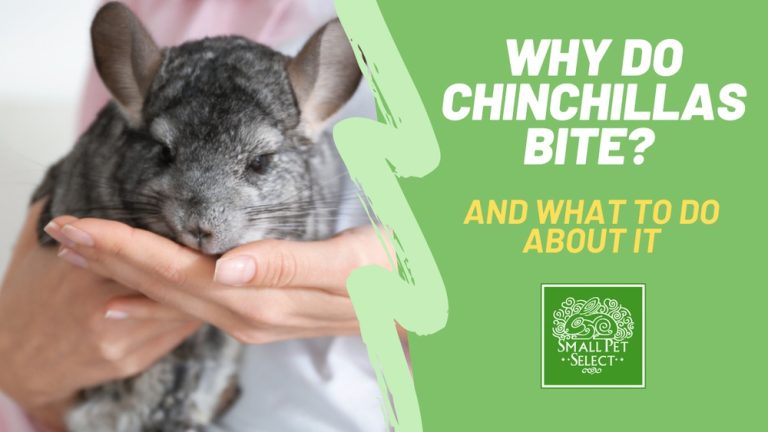
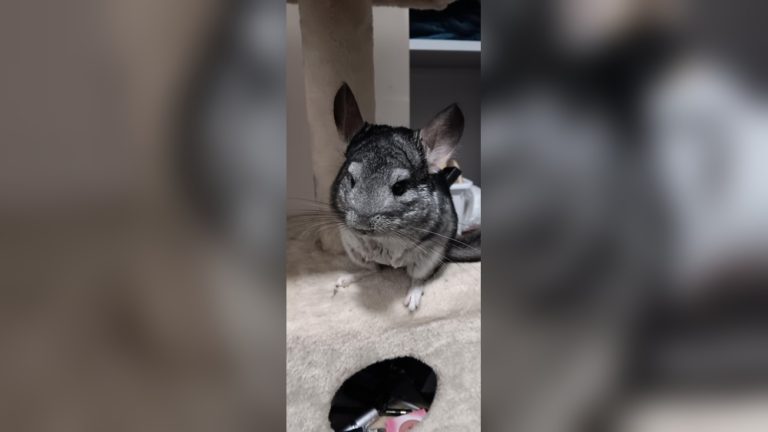
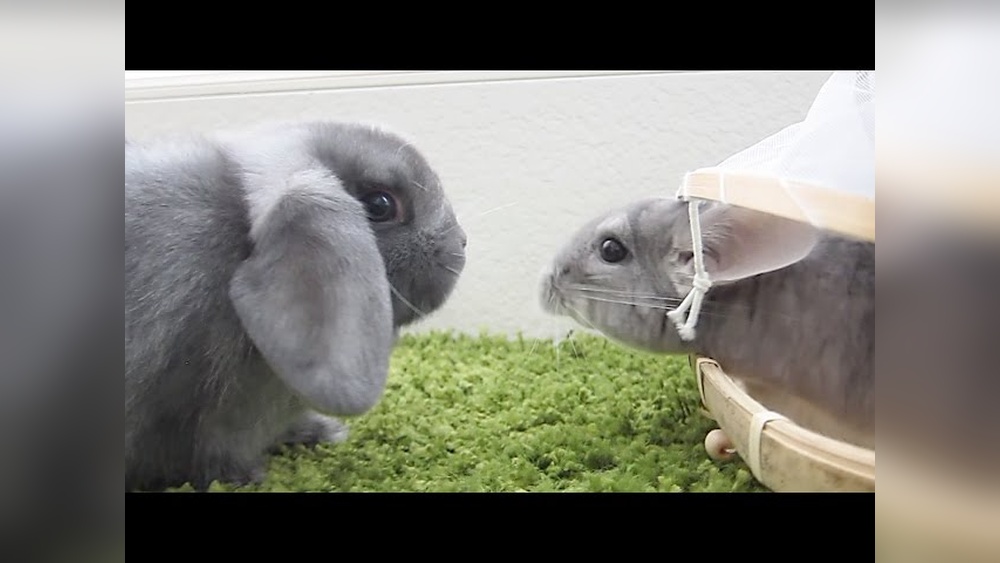
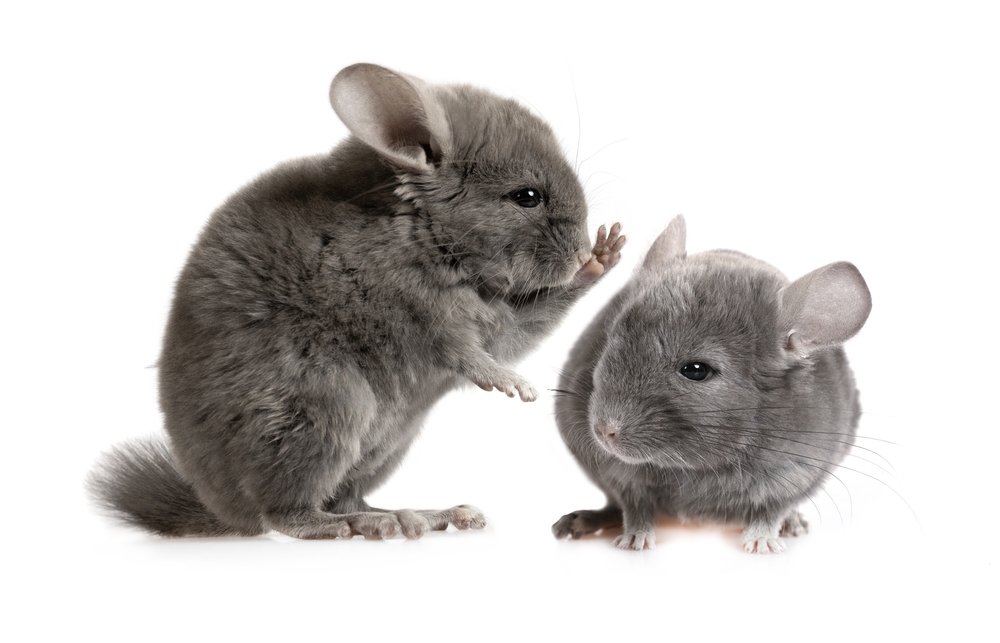
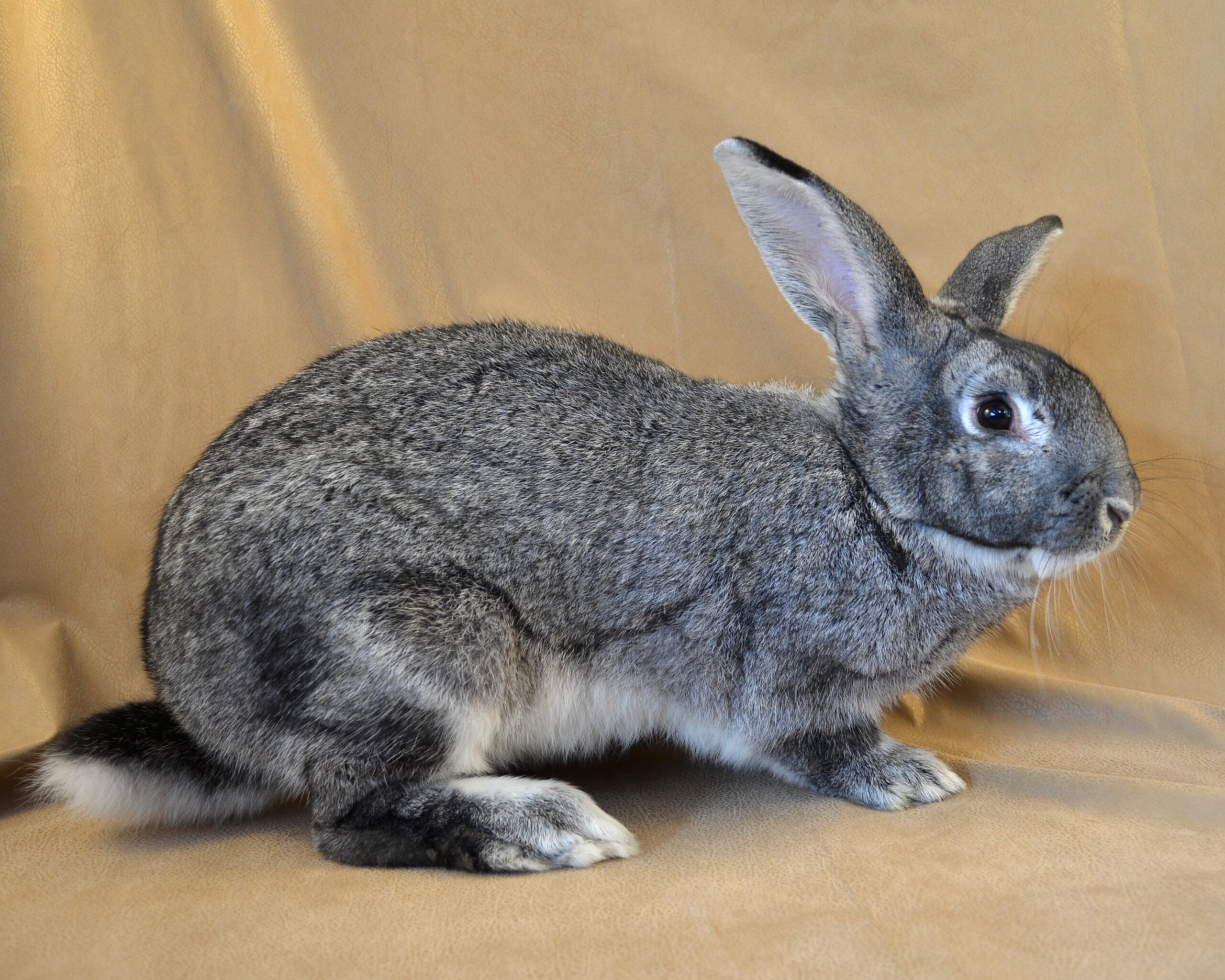
Chinchillas are small and compact. They have thick, soft fur that feels like velvet. Their fur is usually gray but can come in other colors. Rabbits vary in size from small to large. They have long ears and soft fur that can be many colors and patterns. Rabbits have a round body shape, while chinchillas look more oval and fluffy.
Lifespan Differences
Chinchillas live longer than most rabbits. On average, chinchillas can live 10 to 20 years. Rabbits usually live 8 to 12 years. Lifespan depends on care, diet, and environment. A longer life means more time to bond with your pet.
Temperament Traits
Chinchillas are shy and active mostly at night. They like quiet spaces and gentle handling. Rabbits are social and can be playful. They enjoy attention during the day. Both pets need time to trust their owners. Rabbits tend to be more outgoing, while chinchillas prefer calm surroundings.
Habitat Needs
Chinchillas and rabbits have different habitat needs that affect their health and happiness. Understanding these needs helps create a safe and comfortable home. Each animal requires specific care in their living space, climate, and enrichment to thrive.
Housing Requirements
Chinchillas need large cages with multiple levels for climbing. They enjoy hiding spots to feel safe. Wire cages with solid floors work best to avoid foot injuries. Rabbits require spacious hutches or pens with a solid floor. They need a clean, dry area to rest and hide. Both animals benefit from bedding like hay or straw for comfort.
Climate And Environment
Chinchillas prefer cool, dry places. Temperatures should stay between 60-70°F (15-21°C). High heat or humidity can cause illness. Rabbits tolerate a wider temperature range but avoid extreme heat. They need good ventilation and protection from drafts. Both animals should stay indoors or in shaded areas outdoors.
Space And Enrichment
Chinchillas are active and need space to jump and explore. Toys like chew sticks and tunnels keep them busy. Rabbits also need room to hop and stretch. Providing toys and hiding spots reduces boredom. Regular exercise outside their enclosure helps both animals stay healthy.
Diet And Nutrition
Diet and nutrition play a big role in keeping chinchillas and rabbits healthy. Both animals need special foods to stay active and strong. Their digestive systems work differently. So, their diets must match their needs exactly. Feeding the right food helps avoid health problems. It also keeps their teeth and fur in good shape.
Preferred Foods
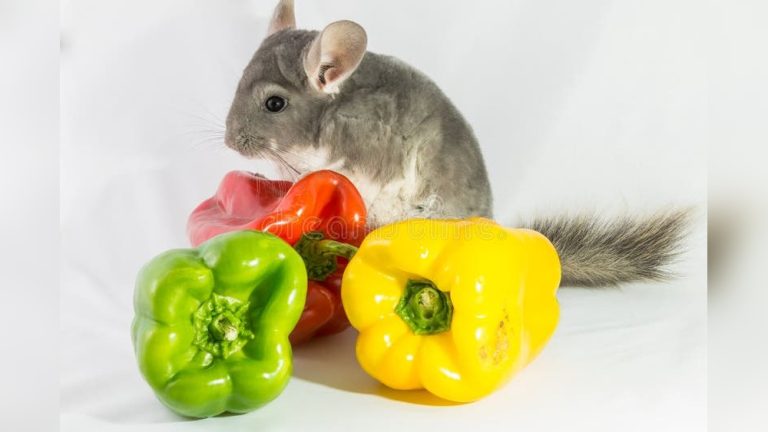
Chinchillas mainly eat hay and pellets made for them. They love timothy hay, which helps with digestion. Fresh vegetables can upset their stomach, so avoid giving too many. Rabbits eat hay too, but they enjoy fresh leafy greens and vegetables a lot. They also need rabbit pellets to get all their nutrients. Both animals should have constant access to clean water.
Feeding Frequency
Chinchillas eat small amounts many times a day. They nibble on hay and pellets to stay healthy. Rabbits eat hay all day long and get fresh veggies once or twice daily. Avoid overfeeding treats or vegetables to prevent stomach issues. Feeding at regular times helps both pets feel safe and comfortable.
Common Dietary Issues
Chinchillas can suffer from digestive problems if fed sugary or wet foods. Their stomachs do not handle moisture well. Rabbits may get diarrhea or bloating if they eat too many fresh vegetables or fruits. Both animals can develop dental problems if they do not chew enough hay. Watch for signs of illness and adjust food as needed.
Health And Care
Chinchillas and rabbits need special health care to stay happy. Both animals have unique needs. Understanding these needs helps owners provide better care.
Taking care of their health is very important. It keeps them active and strong. Learning about common health issues, grooming, and exercise helps owners give good care.
Common Health Problems
Chinchillas often face dental issues. Their teeth grow fast and need chewing materials. Respiratory problems also occur due to dust or damp places.
Rabbits face dental problems too. They can get snuffles, a common respiratory infection. Digestive problems happen if they eat wrong foods.
Grooming Needs
Chinchillas need dust baths to keep fur clean. Water baths can harm their thick fur. Regular brushing removes loose hair and prevents fur blockages.
Rabbits require brushing, especially long-haired breeds. It helps stop hairballs and skin problems. Nail trimming is important for both animals to avoid injury.
Exercise And Activity
Chinchillas are active at night. They need space to jump and climb. Toys and tunnels keep them busy and healthy.
Rabbits enjoy hopping and running. Daily exercise outside their cage is best. Safe, enclosed areas prevent accidents and stress.
Behavior And Interaction
Chinchillas and rabbits have very different ways of behaving and interacting. Understanding their behavior helps choose the right pet for your home. Both animals have unique social needs and ways to communicate. Their activity levels and sounds also vary greatly. This section explains their social habits, how they respond to handling, and their noise and activity levels.
Social Habits
Chinchillas are social animals but enjoy small groups. They live in colonies in the wild. They like company but can be shy around new pets or people. Rabbits are also social and often live in pairs or groups. They enjoy gentle interaction and can bond closely with humans. Both animals need social time, but rabbits may show affection more openly.
Handling And Taming
Chinchillas are delicate and need gentle handling. They may be nervous at first and need time to trust. Rabbits can be easier to tame with regular, calm handling. They often enjoy being petted and held. Both need patience during taming, but rabbits usually adapt faster to human touch.
Noise And Activity Levels
Chinchillas are mostly quiet but active at night. They love to jump and run around in the dark. Rabbits can be noisy, especially when happy or scared. They are active during the day and enjoy playtime. Both pets need space to move, but their active times differ.
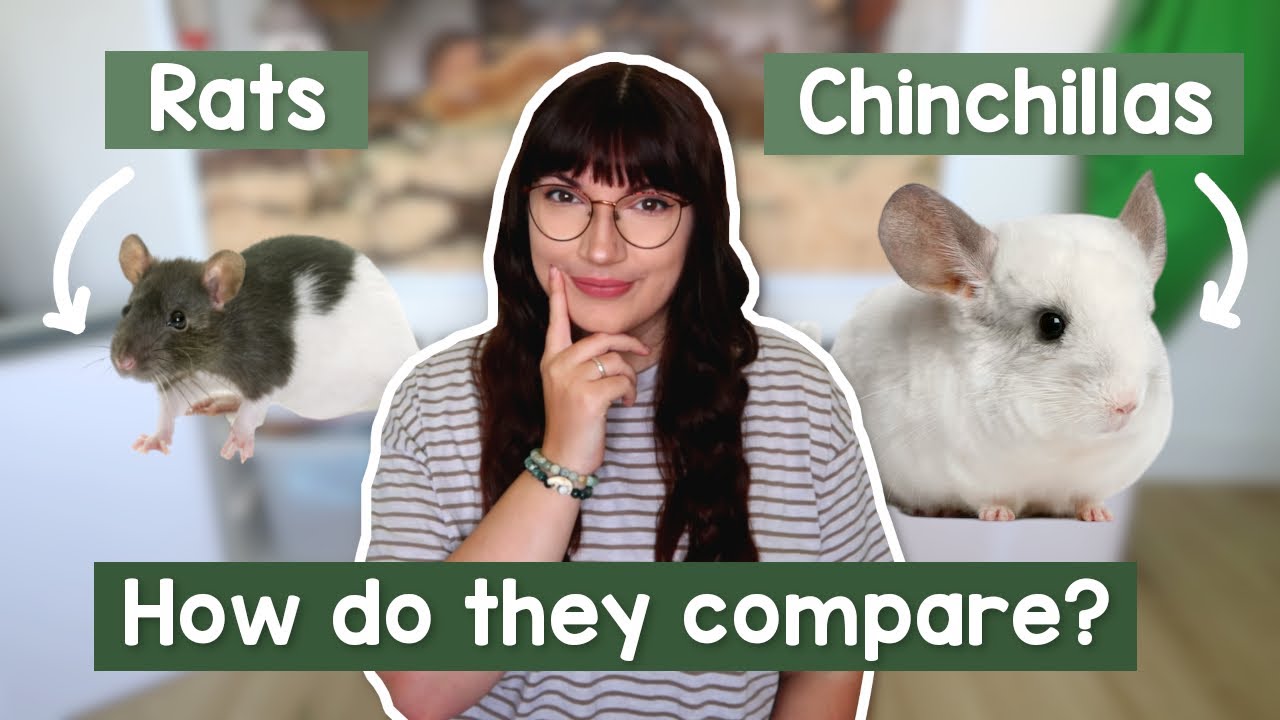
Credit: www.youtube.com
Costs And Commitment
Caring for a chinchilla or a rabbit means thinking about both costs and time. Each pet needs money for supplies and regular care. Both also require daily attention to stay happy and healthy. Understanding these needs helps you prepare well before bringing one home.
Initial Expenses
Getting a chinchilla or rabbit starts with buying the pet itself. Rabbits often cost less than chinchillas. Both need a cage or hutch, which can be a big expense. Chinchilla cages must be sturdy and safe from chewing. Rabbits need roomy hutches with space to move.
Other start-up costs include food bowls, water bottles, and bedding. Chinchillas need special dust for baths, which adds to costs. Rabbits need soft hay and fresh vegetables. These initial items add up but are essential for pet comfort.
Ongoing Costs
Both pets need regular food supplies. Chinchillas eat pellets and dust baths weekly. Rabbits need fresh hay daily and fresh greens often. Vet visits are important for both and can be costly. Vaccinations and check-ups keep pets healthy.
Cleaning supplies for cages and bedding must be bought regularly. Toys and chew items help keep pets active and happy. These ongoing expenses require steady budgeting to avoid surprises.
Time Investment
Chinchillas are mostly active at night and need less daily handling. They need gentle care and time to bond. Rabbits enjoy social time during the day and need more playtime. Both pets need daily cage cleaning to stay healthy.
Time spent grooming differs. Chinchillas groom themselves but need occasional dust baths. Rabbits need brushing to keep their fur clean. Both pets benefit from regular interaction and love.
Choosing The Right Pet
Choosing the right pet is important for a happy home. Pets need care and attention every day. Picking a pet that fits your life makes caring easier. Both chinchillas and rabbits are cute and fun. But they have different needs and habits. Understanding these helps you decide which pet suits you best.
Lifestyle Compatibility
Chinchillas are active at night and need cool spaces. They enjoy jumping and running on shelves. Rabbits are more active during the day. They like to hop around and explore open areas. Chinchillas require dust baths to stay clean. Rabbits need regular grooming and space to stretch. Choose a pet that matches your daily routine.
Family Considerations
Rabbits are gentle and often enjoy being held. They can be good for families with kids. Chinchillas are more delicate and shy. They may not like being picked up. Small children should be careful with chinchillas. Both pets need supervision with young kids. Think about who will handle the pet most.
Allergy And Sensitivity
Some people are allergic to pet fur or dander. Rabbits shed fur and can trigger allergies easily. Chinchillas have dense fur but shed less. Dust from chinchilla baths can also cause reactions. Clean cages often to reduce allergy risks. Know your family’s sensitivities before choosing a pet.
Credit: smallpetselect.com
Credit: livestockconservancy.org
Frequently Asked Questions
What Are The Main Differences Between Chinchillas And Rabbits?
Chinchillas have dense fur and are nocturnal, while rabbits have softer fur and are crepuscular. Chinchillas need dust baths; rabbits groom with their tongues. Both require social interaction but differ in habitat and diet needs.
Which Pet Is Easier To Care For, Chinchilla Or Rabbit?
Rabbits are generally easier to care for due to their diet and grooming needs. Chinchillas need special dust baths and cooler environments. Both require daily attention but rabbits adapt better to household living.
How Long Do Chinchillas And Rabbits Typically Live?
Chinchillas live about 10-20 years, while rabbits live 8-12 years. Lifespan depends on care, diet, and environment. Both pets can live long with proper health management and regular veterinary check-ups.
Are Chinchillas Or Rabbits Better For Small Living Spaces?
Chinchillas suit small spaces better due to their compact size and cage requirements. Rabbits need more room to hop and exercise. Both need mental stimulation and space to avoid stress.
Conclusion
Choosing between a chinchilla and a rabbit depends on your lifestyle. Both animals have unique needs and care routines. Chinchillas need dust baths and cooler homes. Rabbits enjoy more space and gentle handling. Consider your time and environment before deciding.
Both pets can bring joy and companionship. Think about what fits best with your daily life. This helps ensure a happy, healthy pet experience. Your choice should match your ability to care well.