
Do Ferrets Eat Fish? Discover the Surprising Truth
Yes, ferrets can eat fish. It’s a good source of protein for them.
But it shouldn’t be their main food. Ferrets are carnivores. They need a high-protein, high-fat diet to stay healthy. While fish can be a tasty treat, their primary diet should consist of meat. Fish can provide essential nutrients, but it lacks some vital elements found in other meats.
Always ensure the fish is cooked and free of bones. Too much fish can lead to health issues due to its mercury content. So, it’s best to offer fish occasionally and in moderation. Keep reading to learn more about the benefits and risks of feeding fish to your ferret.

Credit: www.reddit.com
Ferret Diet Basics
Understanding the dietary needs of your ferret is crucial for its health. Ferrets are obligate carnivores, meaning they thrive on a meat-based diet. Feeding them the right food can ensure they stay active and healthy. Let’s dive into the basics of a ferret’s diet.
Natural Diet
In the wild, ferrets hunt small animals like rodents and rabbits. They also eat birds and insects. Their natural diet consists of whole prey. This means they consume muscle, organs, and bones. This variety provides essential nutrients.
Nutritional Needs
Ferrets need high protein and fat in their diet. They do not digest fiber well. Their food should contain animal-based proteins. Fish can be a part of their diet, but it should not be the main source. Fish lacks some nutrients found in other meats.
Ensure your ferret’s diet includes taurine. This amino acid is vital for their health. Meat-based proteins supply taurine. Avoid feeding them dog or cat food. These do not meet a ferret’s nutritional needs.
Common Ferret Foods
Ferrets have specific dietary needs. They are obligate carnivores. This means their diet should consist mainly of meat. Understanding their food preferences helps ensure they stay healthy.
Meat Options
Ferrets thrive on a variety of meats. Chicken is a popular choice. It’s rich in protein and essential nutrients. Turkey is another good option. It offers similar benefits to chicken.
Beef can also be included. It provides a different taste and texture. Some ferret owners give their pets rabbit meat. It’s a lean source of protein. Lamb is another meat option. It should be given in moderation due to its fat content.
Fish can be given occasionally. It’s not a staple in their diet. Some ferrets enjoy the taste. Ensure the fish is properly cooked and deboned. Avoid fish with high mercury levels.
Commercial Diets
There are commercial ferret foods available. These are specially formulated for their needs. Look for high-protein, low-carb products. Avoid foods with high grain content. Ferrets cannot digest grains well.
Some brands offer freeze-dried meat products. These are convenient and nutritious. They retain most of the meat’s natural nutrients. Wet ferret foods are also available. These can be mixed with dry kibble for variety.
Always read the ingredient list carefully. Ensure the main ingredients are meat-based. Avoid foods with artificial additives. A balanced diet is crucial for a ferret’s health. Regularly check for any dietary changes.
Fish In A Ferret’s Diet
Many pet owners ask: do ferrets eat fish? Including fish in a ferret’s diet can be beneficial. But it is essential to know which types of fish are safe and their nutritional benefits.
Types Of Fish
Not all fish are suitable for ferrets. Here are some types that can be included:
- Salmon: Rich in omega-3 fatty acids.
- Trout: A good source of protein.
- Herring: Contains healthy fats.
- Whitefish: Low in fat but high in protein.
Nutritional Benefits
Fish can offer many nutritional benefits for ferrets:
| Benefit | Description |
|---|---|
| High Protein | Fish is an excellent source of protein, necessary for muscle growth. |
| Omega-3 Fatty Acids | These fats support brain health and reduce inflammation. |
| Vitamins and Minerals | Fish provides vitamins B12, D, and minerals like selenium. |
| Low Carbohydrates | Ferrets need low-carb diets; fish is ideal for this. |
Remember to cook the fish properly before serving. Raw fish can contain harmful bacteria.
Potential Risks Of Feeding Fish
Feeding fish to ferrets might seem like a good idea. Fish can provide protein and nutrients. Yet, it can also pose risks. Understanding these risks can help you make informed choices.
Digestive Issues
Ferrets have delicate digestive systems. Fish can disrupt this balance. Oily fish, in particular, can cause stomach upset. Symptoms may include diarrhea or vomiting. This can lead to dehydration. Cooked bones in fish can also be a problem. They can splinter and cause blockages.
Allergic Reactions
Ferrets can be allergic to fish. Symptoms of an allergy can vary. Common signs include itching or swelling. Some ferrets may have trouble breathing. These reactions can be serious. Always monitor your ferret closely. Introduce new foods slowly. This helps you spot any issues early.
Safe Fish Preparation
Ferrets can enjoy fish as a part of their diet, but it is essential to prepare it correctly. Safe fish preparation is crucial to ensure your ferret’s health. Properly cooked fish, free from toxins, provides necessary nutrients. Let’s explore some important aspects of safe fish preparation for your ferret.
Cooking Methods
Cooking fish properly helps in eliminating harmful bacteria and parasites.
- Boiling: Boiling is a simple method. Place the fish in boiling water until fully cooked.
- Steaming: Steaming retains nutrients. Use a steamer basket over boiling water.
- Baking: Baking is another safe option. Place the fish in the oven at 375°F until it flakes easily with a fork.
Avoid frying fish as it adds unhealthy fats. Do not use spices, seasonings, or oils. Plainly cooked fish is best for ferrets.
Avoiding Toxins
Not all fish are safe for ferrets. Be aware of potential toxins and contaminants.
| Unsafe Fish | Reason |
|---|---|
| Salmon | May contain harmful parasites |
| Tuna | High mercury levels |
| Swordfish | High mercury levels |
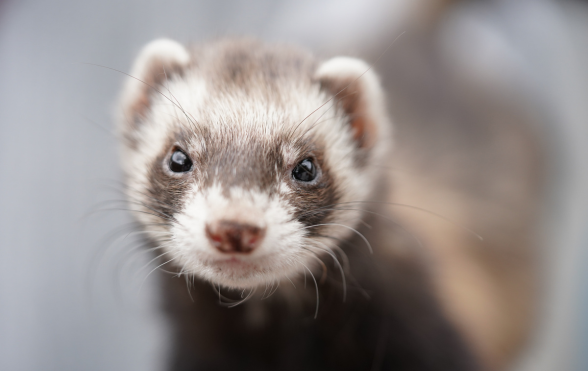
Avoid feeding raw fish to your ferret. Raw fish can carry parasites and bacteria. Always ensure the fish is thoroughly cooked. Remove all bones before serving fish to your ferret. Fish bones can be a choking hazard. Choose fish with low mercury content, like cod or pollock. These are safer options for your pet.
Credit: exoticdirect.co.uk
Alternatives To Fish
Ferrets are obligate carnivores, meaning their diet must be rich in animal proteins. While fish can be a part of their diet, it’s not always the best choice. Luckily, there are many alternatives to fish that can provide the necessary nutrients for your ferret. This section will explore some of the best protein sources and supplement options for your furry friend.
Protein Sources
Ferrets thrive on a diet high in meat. Chicken is a great option. It’s easy to find and affordable. Turkey is another excellent source of protein. It’s lean and nutritious. Beef can also be included in their diet. Just ensure it’s not too fatty. Lamb is another alternative. It’s rich in nutrients and ferrets love its taste. Organ meats like liver or heart are also beneficial. They provide essential vitamins and minerals.
Supplement Options
Commercial ferret food can be a good supplement. It’s specifically designed for their dietary needs. Look for high-quality brands. These should have meat as the first ingredient. Avoid those with fillers like grains or vegetables. Vitamin supplements can also be helpful. They ensure your ferret gets all the necessary nutrients. Fish oil is a good option. It provides essential fatty acids for a healthy coat. Remember to consult your vet before adding supplements.
Signs Of Dietary Problems
Understanding the signs of dietary problems in ferrets is crucial. Ferrets have specific dietary needs. Incorrect diets can lead to various health issues. Ferrets are obligate carnivores, so their diet must be rich in animal proteins. If you feed them fish, monitor for any signs of dietary problems. Below are some key indicators.
Health Symptoms
Watch for health symptoms in your ferret. Dietary problems often manifest physically. Here are some common symptoms:
- Weight loss: Noticeable drop in weight could indicate poor nutrition.
- Diarrhea: Frequent loose stools are a red flag.
- Vomiting: Regular vomiting may suggest food intolerance.
- Lethargy: Unusual tiredness and lack of energy.
- Hair loss: Patches of missing fur can signal dietary deficiencies.
Behavioral Changes
Behavioral changes are another sign of dietary problems. Ferrets might exhibit unusual behaviors if their diet is not right. Here are some behavioral changes to note:
- Increased aggression: Sudden aggression could be due to discomfort or pain.
- Excessive scratching: Itching and scratching more than usual.
- Refusal to eat: A ferret that avoids food may be in distress.
- Restlessness: Pacing or inability to settle can indicate discomfort.
- Hiding: Spending more time hiding away from interaction.
| Symptom | Description |
|---|---|
| Weight Loss | Significant drop in weight indicating poor nutrition. |
| Diarrhea | Frequent loose stools signaling digestive issues. |
| Vomiting | Regular vomiting suggesting food intolerance. |
| Lethargy | Unusual tiredness and lack of energy. |
| Hair Loss | Patches of missing fur indicating dietary deficiencies. |

Credit: www.maynevets.co.uk
Consulting A Veterinarian
Feeding your ferret the right diet is crucial. You might wonder if fish is suitable. The best way to know is by consulting a veterinarian. They can give specific advice tailored to your ferret’s needs.
Professional Advice
Veterinarians have the expertise to guide you. They understand ferrets’ dietary requirements. They can tell you if fish is a good option. They will consider any health issues your ferret has. This ensures your pet gets the best nutrition.
Dietary Adjustments
If your vet says fish is okay, they might suggest how to serve it. Here are some possible adjustments:
- Cook the fish to avoid parasites.
- Remove bones to prevent choking.
- Limit fish intake to avoid an imbalanced diet.
Below is a simple table to help you:
| Type of Fish | Preparation | Serving Frequency |
|---|---|---|
| Salmon | Cooked, deboned | Once a week |
| Tuna | Cooked, deboned | Twice a month |
Always follow the vet’s advice. This keeps your ferret healthy and happy. Proper diet is essential for your pet’s well-being.
Frequently Asked Questions
Can Ferrets Eat Fish?
Yes, ferrets can eat fish. Fish is a good protein source. However, it should be given in moderation due to potential allergens. Always ensure the fish is cooked and free from bones.
Are Fish Safe For Ferrets?
Yes, fish are generally safe for ferrets. Ensure it is cooked properly. Remove bones to prevent choking hazards. Moderation is key to avoid digestive issues.
What Types Of Fish Can Ferrets Eat?
Ferrets can eat a variety of fish like salmon, tuna, and cod. Always cook the fish well. Avoid seasoning and remove all bones to ensure safety.
How Often Can Ferrets Eat Fish?
Ferrets can have fish occasionally, about once a week. It should not replace their regular carnivorous diet. Moderation is essential to maintain balanced nutrition.
Conclusion
Ferrets can eat fish, but only in moderation. Fish offers protein and nutrients. Too much fish, however, can be harmful. Always ensure the fish is cooked and boneless. Feed fish as a treat, not a main meal. A balanced diet keeps your ferret healthy and happy.
Remember to consult a vet for dietary advice. Your ferret’s well-being depends on proper nutrition.