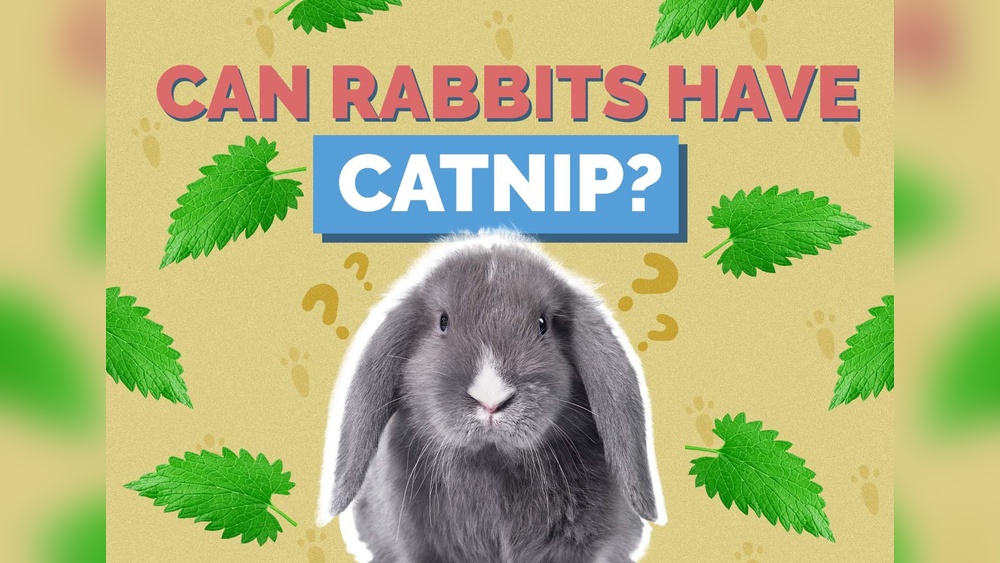
Do Rabbits Like Catnip: Surprising Facts Every Pet Owner Should Know
Have you ever wondered if your furry rabbit enjoys catnip the way cats do? If you’re curious about whether catnip can make your bunny happy or if it’s even safe for them, you’re in the right place.
Understanding how rabbits react to catnip can help you choose the best treats and toys to keep your pet playful and content. Keep reading to discover surprising facts about rabbits and catnip that might just change the way you care for your little friend.
Credit: pattonvethospital.com
Rabbits And Catnip Basics
Rabbits are curious animals that enjoy exploring new smells and tastes. Catnip is famous for its effects on cats, but many wonder if rabbits like it too. Understanding the basics of rabbits and catnip helps answer this question. Let’s explore what catnip is and how it affects animals.
What Is Catnip
Catnip is a plant from the mint family. Its scientific name is Nepeta cataria. The plant has small green leaves and tiny white or purple flowers. Catnip contains a natural oil called nepetalactone. This oil causes reactions in some animals, especially cats. Humans do not feel this effect from catnip.
How Catnip Affects Animals
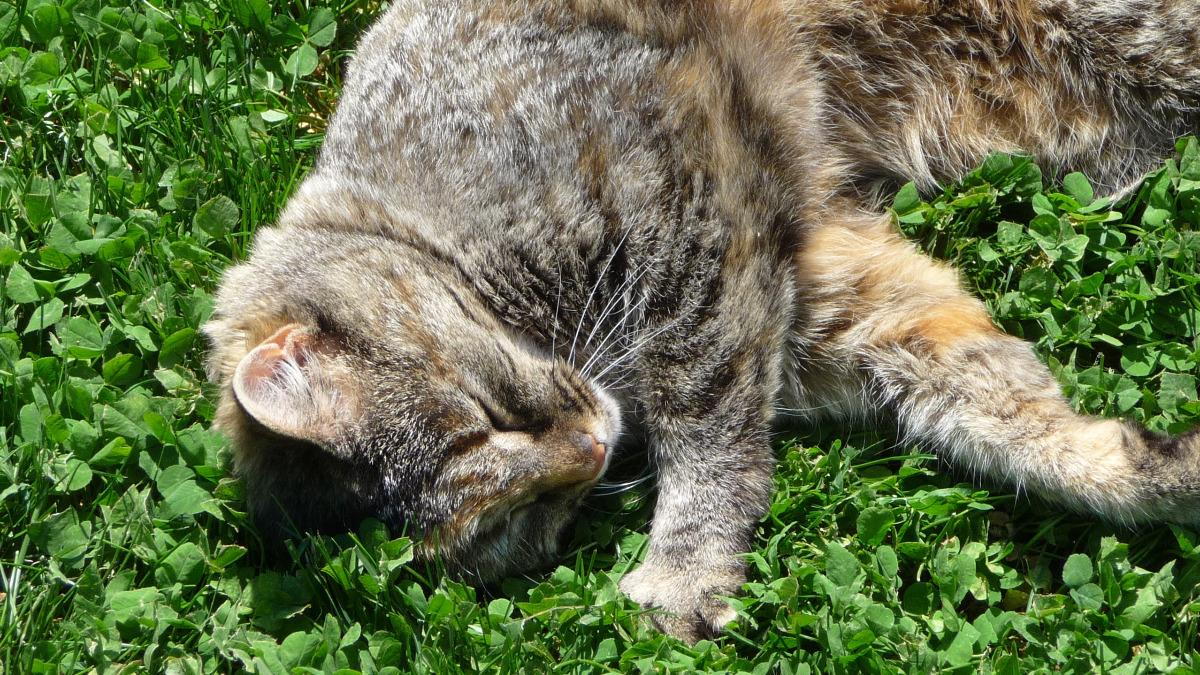
Catnip mainly affects cats by making them playful or relaxed. The nepetalactone oil binds to receptors in their noses. This triggers a temporary feeling of happiness or excitement. Dogs and other animals usually do not react to catnip. Rabbits can smell and nibble catnip, but their reaction is different from cats. Most rabbits enjoy catnip as a mild treat without strong effects.
Credit: www.eecusa.com
Do Rabbits React To Catnip
Many pet owners wonder if rabbits react to catnip like cats do. Catnip is famous for its effect on cats, but rabbits respond differently. Understanding these reactions helps in choosing safe and enjoyable treats for your bunny.
Typical Rabbit Behavior With Catnip
Rabbits do not get the same strong reaction to catnip as cats. Most rabbits might sniff or nibble on catnip leaves. Some rabbits ignore catnip completely. Others may show mild curiosity or chew a little. Catnip does not cause rabbits to become hyper or playful.
Instead, catnip can act as a mild calming herb for some rabbits. It may help them relax or reduce stress. Always watch your rabbit’s reaction the first time you offer catnip. Use only fresh or dried catnip in small amounts to avoid digestive upset.
Differences Between Cats And Rabbits
Cats react strongly to catnip because of a special chemical called nepetalactone. This chemical binds to receptors in a cat’s nose and triggers a playful, excited state.
Rabbits lack the same receptors, so they do not experience this effect. Their response to catnip is usually calm and mild. Rabbits may prefer other herbs like parsley, basil, or mint instead.
Knowing these differences helps provide safe, fun treats for your pets. Never give rabbits catnip expecting the same effects as cats.
Benefits Of Catnip For Rabbits
Catnip offers several benefits for rabbits that pet owners appreciate. It can make rabbits more active and playful. At the same time, catnip helps rabbits relax and feel calm. These benefits make catnip a great addition to your rabbit’s environment.
Stimulating Play And Activity
Catnip encourages rabbits to move and explore. It can spark their curiosity and increase their energy. Rabbits may hop around, nibble, or roll in catnip. This natural stimulation helps keep rabbits healthy and happy. Playtime with catnip also supports mental and physical exercise.
Calming Effects And Stress Relief
Catnip has gentle calming properties for rabbits. It can reduce anxiety and stress in new or noisy places. Rabbits may become more relaxed and less nervous after smelling catnip. This calming effect helps rabbits feel safe and comfortable. Catnip can soothe rabbits during travel or vet visits.
Risks And Precautions
Giving catnip to rabbits may seem harmless, but it carries some risks. Rabbits have different reactions than cats. Understanding these risks helps keep your pet safe and happy. Taking precautions ensures you avoid health issues and bad experiences.
Potential Allergies And Sensitivities
Some rabbits can be allergic to catnip. Signs include itching, swelling, or redness around the nose and mouth. Watch for sneezing or watery eyes. Allergies may cause digestive upset, like diarrhea. Stop giving catnip immediately if you notice any symptoms. Always test a small amount first to check your rabbit’s reaction.
Safe Dosage And Usage Tips
Only offer catnip in small amounts. Too much can upset your rabbit’s stomach. Limit treats to once or twice a week. Fresh or dried catnip both work, but use clean, pesticide-free plants. Avoid mixing catnip with other strong herbs. Provide fresh water after giving catnip. Monitor your rabbit’s behavior and health after each use.
Alternatives To Catnip For Rabbits
Rabbits do not always react to catnip like cats do. Many rabbits ignore catnip completely. Finding other safe and fun options helps keep rabbits happy and active. There are many herbs and plants rabbits enjoy more than catnip. These plants provide natural scents and tastes rabbits love. Along with plants, rabbits need toys and activities for mental and physical health. Enrichment ideas help rabbits explore and stay entertained.
Herbs And Plants Rabbits Enjoy
Rabbits like many fresh herbs. Some favorites include parsley, basil, and mint. These herbs are safe and tasty for rabbits. Dandelion greens and clover also make good treats. Chamomile and thyme offer gentle smells rabbits find calming. Fresh hay with added herbs can excite a rabbit’s senses. Avoid plants that are toxic or sprayed with chemicals.
Enrichment Ideas For Pet Rabbits
Toys made from natural materials keep rabbits busy. Wooden blocks, cardboard tubes, and untreated wicker baskets work well. Hiding treats inside toys encourages natural foraging behavior. Building tunnels and hideouts gives rabbits a sense of security. Rotate toys often to keep interest high. Regular playtime outside the cage helps rabbits stay fit and happy.
How To Introduce Catnip To Your Rabbit
Introducing catnip to your rabbit can be a fun way to enrich their environment. Not all rabbits react the same to catnip, so careful introduction is key. Start slow and watch your pet closely. This ensures safety and comfort for your furry friend.
Best Practices For First-time Use
Offer a small amount of dried catnip or fresh leaves. Place the catnip in a clean, quiet area. Avoid mixing it with their regular food at first. Keep the environment calm to prevent stress. Use catnip only once or twice a week to avoid overexposure.
Observing Your Rabbit’s Response
Watch your rabbit for signs of interest or avoidance. Some rabbits may sniff or nibble the catnip eagerly. Others might ignore it or walk away. Look for changes in behavior like excitement or relaxation. Stop giving catnip if your rabbit shows any signs of discomfort or stress.

Credit: www.eecusa.com
Frequently Asked Questions
Do Rabbits React To Catnip Like Cats Do?
Rabbits do not react to catnip the way cats do. Catnip primarily affects cats due to a specific receptor. Rabbits lack this receptor, so they usually show little to no interest in catnip.
Can Catnip Be Harmful To Rabbits?
Catnip is generally safe for rabbits in small amounts. However, excessive consumption may cause mild digestive upset. Always introduce new herbs slowly and observe your rabbit’s reaction.
What Herbs Do Rabbits Prefer Over Catnip?
Rabbits prefer herbs like basil, parsley, mint, and cilantro. These herbs are safe, tasty, and provide enrichment. They are better choices than catnip for rabbits.
Is Catnip Good For Rabbit Enrichment?
Catnip is not ideal for rabbit enrichment since they rarely respond to it. Instead, offer fresh herbs and safe chew toys to keep rabbits engaged and happy.
Conclusion
Rabbits do not usually react to catnip like cats do. They may show little interest or ignore it completely. Some rabbits might nibble on catnip, but it does not affect their behavior. It’s best to offer plants made for rabbits, like hay or fresh greens.
Always watch your pet’s reactions to new plants. Keeping your rabbit safe and happy is the main goal. Each rabbit is different, so learn what your pet enjoys most. Simple care helps build a strong bond with your furry friend.