Hamster Vs Guinea Pig: Which Pet Is Right for You?
Hamsters and guinea pigs are popular pets. Both are small and adorable.
But which one is right for you? Choosing between a hamster and a guinea pig can be tricky. Each has its own charm and care needs. Some people prefer hamsters for their small size and low maintenance. Others love guinea pigs for their social nature and longer lifespan.
Understanding the differences helps you make the best choice for your lifestyle. This guide will highlight key differences and similarities. It will help you decide which pet fits your home and personality better. Let’s dive into the world of hamsters and guinea pigs to find your perfect pet match.
Physical Characteristics
Hamsters and guinea pigs are both popular pets, but they have distinct physical characteristics. Understanding these differences can help you decide which pet is best for you. This section will explore their size, appearance, and lifespan.
Size And Appearance
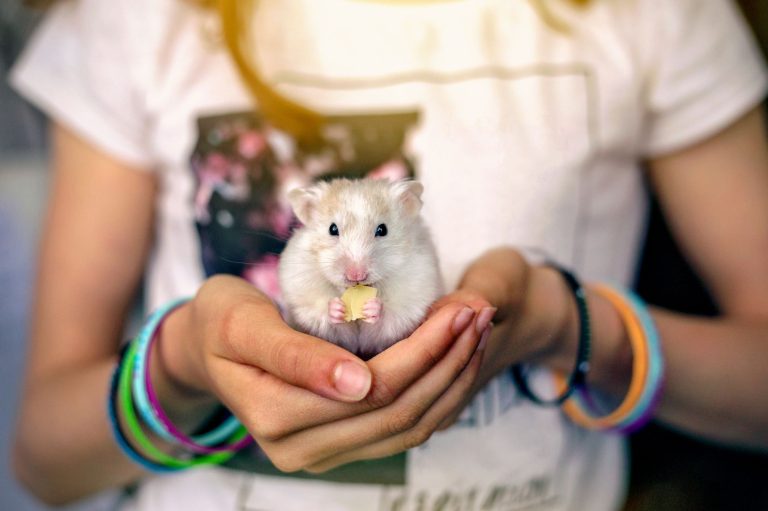
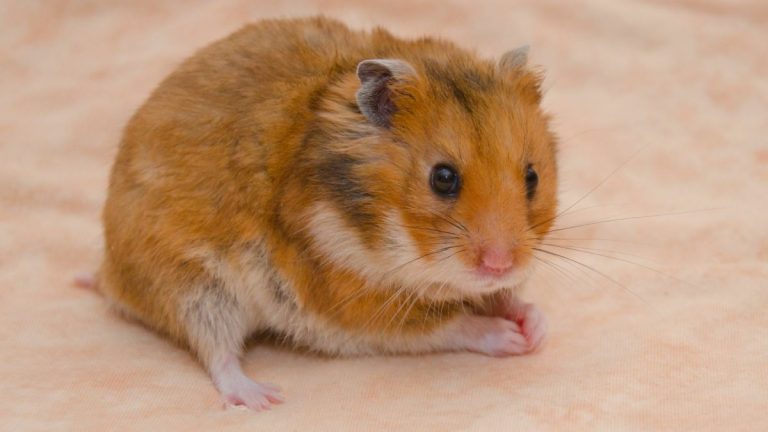
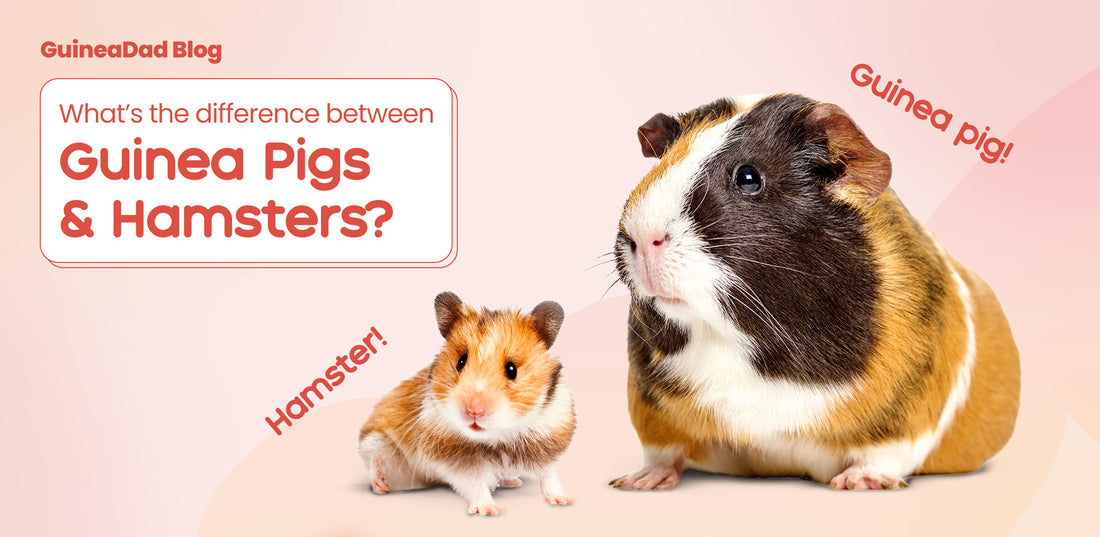
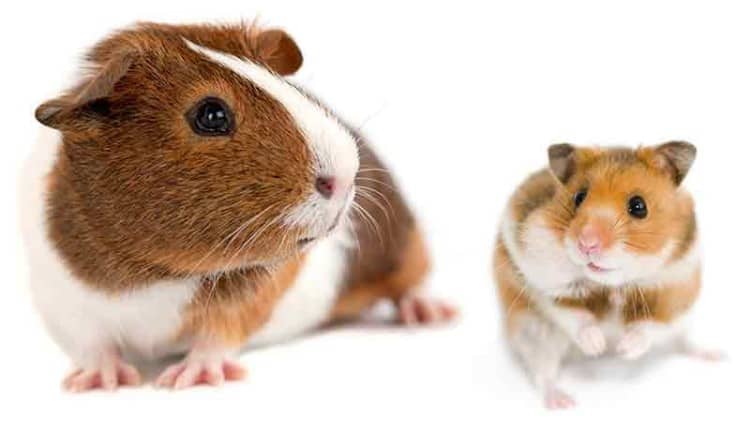
Hamsters are generally smaller than guinea pigs. A typical hamster measures around 4 to 7 inches in length. They have a compact body with short legs and a stubby tail. Their fur can be various colors including brown, white, and golden.
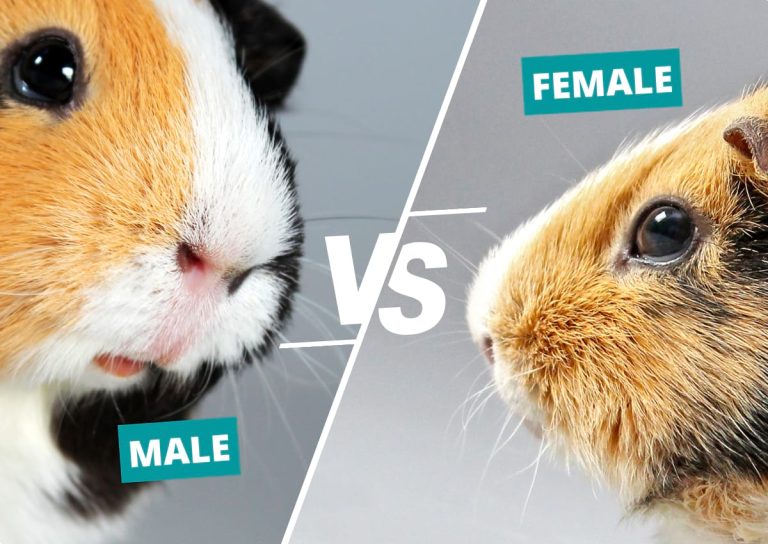
In contrast, guinea pigs are larger, measuring around 8 to 12 inches in length. They have a stockier build with a rounded body and no tail. Their fur is also more diverse, coming in long-haired, short-haired, and even curly varieties.
| Animal | Size | Appearance |
|---|---|---|
| Hamster | 4-7 inches | Compact, short legs, stubby tail |
| Guinea Pig | 8-12 inches | Stocky, rounded body, no tail |
Lifespan Comparison
The lifespan of hamsters and guinea pigs also varies. Hamsters typically live for 2 to 3 years. They have a shorter lifespan compared to guinea pigs, which can live for 4 to 8 years.
Several factors can influence their lifespan, including diet, living conditions, and overall health. It’s important to consider these factors when choosing a pet.
| Animal | Average Lifespan |
|---|---|
| Hamster | 2-3 years |
| Guinea Pig | 4-8 years |
Credit: guineadad.com
Personality Traits
Hamsters and guinea pigs are popular small pets. Each has unique personality traits. Understanding these traits helps in choosing the right pet for your home. Let’s explore the temperament differences and social needs of hamsters and guinea pigs.
Temperament Differences
Hamsters are often solitary creatures. They enjoy their own space. Handling them requires patience. They may nip if startled or scared. Hamsters are more active at night. They can be noisy during their nocturnal activities.
Guinea pigs, on the other hand, are more social. They thrive on interaction. Guinea pigs rarely bite. They are gentle and friendly. Guinea pigs are also vocal. They make different sounds to communicate their needs and emotions. They are diurnal, meaning they are active during the day.
Social Needs
Hamsters prefer to live alone. They can become aggressive if housed with others. It’s best to keep them in separate cages. They do enjoy human interaction, but in short bursts. Too much handling can stress them out.
Guinea pigs are the opposite. They need social interaction. It’s best to keep them in pairs or groups. They bond with their owners and enjoy being held. Regular interaction keeps them happy and healthy.
Care Requirements
Caring for hamsters and guinea pigs requires understanding their specific needs. Both pets need suitable housing, proper diet, and regular care. Let’s dive into their care requirements.
Housing Needs
Hamsters need smaller cages with tunnels and exercise wheels. They enjoy burrowing and hiding. Their bedding should be soft and absorbent. Avoid cedar or pine shavings. These can harm their respiratory system.
Guinea pigs need larger enclosures. They prefer open spaces to run and play. Their cages should have solid floors. Wire floors can hurt their feet. They need soft bedding. Hay, straw, or paper-based products work best.
Diet And Nutrition
Hamsters are omnivores. Their diet should include seeds, grains, fruits, and vegetables. Protein is important too. Offer small amounts of boiled eggs or mealworms occasionally.
Guinea pigs are herbivores. Fresh hay is a must for them. It aids digestion and keeps their teeth healthy. They need fresh vegetables daily. Leafy greens, bell peppers, and carrots are great choices. Guinea pigs need vitamin C supplements. Their bodies cannot produce it.
Credit: guineadad.com
Exercise And Enrichment
Hamsters and guinea pigs need exercise and enrichment for their health and happiness. Both pets have different activity levels and require varied toys and accessories. Understanding their needs helps keep them active and entertained.
Activity Levels
Hamsters are nocturnal and have bursts of energy at night. They love to run and explore. Providing ample space and opportunities for movement is essential.
Guinea pigs are more active during the day and enjoy exploring their surroundings. They need regular exercise but at a gentler pace compared to hamsters.
| Pet | Activity Level | Best Time for Exercise |
|---|---|---|
| Hamster | High | Night |
| Guinea Pig | Moderate | Day |
Toys And Accessories
Both hamsters and guinea pigs benefit from toys and accessories. These items keep them engaged and active.
- Hamster Toys:
- Exercise wheels
- Tunnels
- Chew toys
- Guinea Pig Toys:
- Hideouts
- Chew sticks
- Play tubes
Hamsters need a variety of toys to prevent boredom. Changing toys often keeps them interested. Guinea pigs enjoy exploring new hideouts and chew toys. Regular rotation of toys helps maintain their curiosity.
Both pets thrive with proper exercise and enrichment. Tailoring activities and toys to their specific needs ensures a happy and healthy life.
Health And Wellness
When choosing a small pet, understanding their health and wellness needs is vital. Both hamsters and guinea pigs have their own unique health requirements. Let’s dive into the common health issues and veterinary care for these adorable creatures.
Common Health Issues
Hamsters and guinea pigs are prone to different health problems. Here’s a quick look at what you might encounter:
| Health Issue | Hamsters | Guinea Pigs |
|---|---|---|
| Respiratory Infections | Common | Common |
| Diarrhea | Common | Common |
| Teeth Problems | Rare | Common |
| Skin Issues | Common | Rare |
Respiratory infections are a major concern for both hamsters and guinea pigs. Symptoms include sneezing, wheezing, and discharge from the nose. Immediate vet consultation is necessary.
Diarrhea can be caused by poor diet or infections. Ensure your pet has a balanced diet to prevent this issue.
Teeth problems are rare in hamsters but common in guinea pigs. Overgrown teeth can cause eating difficulties and pain. Regularly check your guinea pig’s teeth.
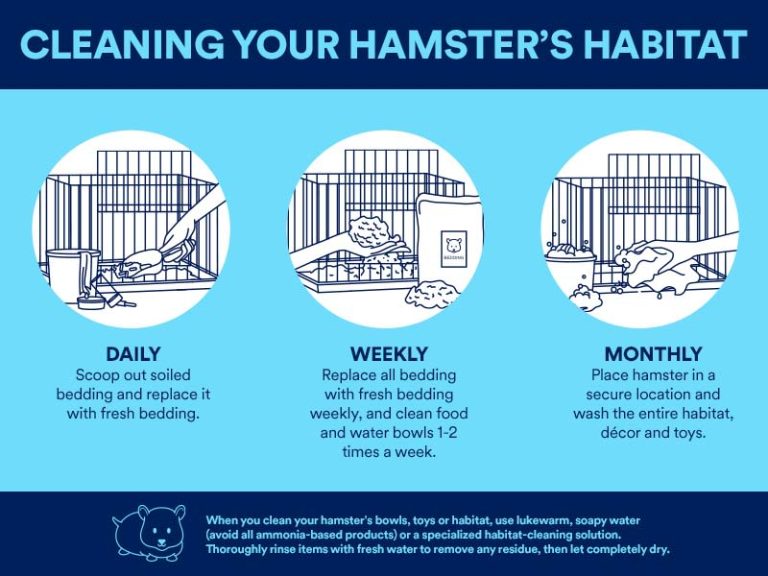
Skin issues like mites and fungal infections are common in hamsters. Proper hygiene and regular cleaning of their habitat can prevent these issues.
Veterinary Care
Regular veterinary care is essential for the health of your pet. Here are some tips for both hamsters and guinea pigs:
- Regular Check-ups: Schedule bi-annual vet visits to catch any health issues early.
- Vaccinations: Guinea pigs may need vaccinations for certain diseases. Consult your vet.
- Emergency Care: Know the signs of distress and have a vet’s contact for emergencies.
Consider the costs and availability of veterinary care in your area. Not all vets are experienced with small pets. Research and find a vet who specializes in small animals for the best care.
Cost Considerations
Choosing between a hamster and a guinea pig includes evaluating cost considerations. Both pets bring joy, but their expenses vary. Understanding these costs can help make an informed decision.
Initial Setup Costs
Setting up for either pet requires some investment.
| Item | Hamster | Guinea Pig |
|---|---|---|
| Enclosure | $20 – $50 | $50 – $100 |
| Bedding | $10 – $20 | $15 – $25 |
| Food | $5 – $10 | $10 – $20 |
| Accessories | $10 – $25 | $20 – $40 |
Hamsters usually have lower initial costs. Their enclosures are smaller. Bedding and food are also cheaper. Guinea pigs need larger cages. They require more bedding and specialized food.
Ongoing Expenses
Both pets need regular care. This includes food, bedding, and occasional vet visits.
- Food: Hamster food costs about $5 – $10 per month. Guinea pig food is around $10 – $20 per month.
- Bedding: Hamster bedding costs about $10 – $20 monthly. Guinea pig bedding costs around $15 – $25 monthly.
- Vet visits: Hamsters might need $10 – $30 yearly. Guinea pigs may require $30 – $50 yearly.
Guinea pigs generally have higher ongoing costs. They eat more and need more bedding. Regular vet visits may also be pricier.
Suitability For Families
Choosing between a hamster and a guinea pig for your family can be tough. Both are cute, small, and fun pets. But their suitability for families can vary. Let’s explore which pet might be the best fit for your home.
Children And Pets
Hamsters are small and fragile. They can be easily hurt by rough handling. Young children might find it hard to handle them gently. Hamsters are also nocturnal. They are active at night and sleep during the day.
Guinea pigs are larger and sturdier. They can handle gentle petting and cuddles. They are also diurnal. They are active during the day, making them a better match for children’s schedules. Guinea pigs are social animals. They enjoy interaction and can bond with children.
Allergies And Sensitivities
Hamsters have shorter fur and may cause fewer allergies. But some people are still sensitive to their dander. Regular cleaning can help reduce allergens. Use gloves and wash hands after handling.
Guinea pigs have longer fur and more dander. They may cause more allergies for sensitive family members. Bathing and grooming them can help, but it takes effort. Consider this if anyone in your family has allergies.
Credit: www.coopsandcages.com.au
Frequently Asked Questions
What Are The Differences Between Hamsters And Guinea Pigs?
Hamsters are smaller, more solitary, and nocturnal. Guinea pigs are larger, social, and active during the day. Both have different dietary needs.
Which Pet Is Easier To Care For?
Hamsters require less space and are easier to clean up after. Guinea pigs need more attention, space, and a varied diet.
Are Hamsters Or Guinea Pigs Better For Children?
Guinea pigs are generally better for children. They are social, gentle, and less likely to bite than hamsters.
Do Hamsters Or Guinea Pigs Live Longer?
Guinea pigs typically live longer, around 5-7 years. Hamsters usually live for about 2-3 years.
Conclusion
Choosing between a hamster and a guinea pig depends on your lifestyle. Hamsters are small and need less space. Guinea pigs are larger and more social. Hamsters are more active at night, while guinea pigs are active during the day.
Both can be great pets with proper care. Think about your schedule and space. Visit a pet store to learn more. Make the best choice for your home and family. Enjoy your new furry friend!