How Long Do Ferrets Sleep? Discover Their Surprising Sleep Habits
Ferrets are fascinating pets with unique habits. One common question is, “How long do ferrets sleep?”
On average, ferrets sleep about 14 to 18 hours a day. This may seem like a lot, but it’s perfectly normal for these small creatures. Ferrets are crepuscular, meaning they are most active during dawn and dusk. Their sleep patterns align with their natural hunting times.
Understanding their sleep habits can help you create a better environment for them. Unlike humans, ferrets have shorter sleep cycles, which means they wake up multiple times a day. Knowing how much they sleep can ensure they stay healthy and happy. Let’s dive deeper into why ferrets need so much sleep and how you can support their unique sleep needs.
Ferret Sleep Patterns
Ferrets are known for their curious and playful nature. But did you know they also sleep a lot? Understanding ferret sleep patterns can help you ensure their well-being. Ferrets have unique sleep habits that differ from many other pets. Let’s explore how much they sleep and their sleep behavior.
Daily Sleep Duration
On average, ferrets sleep between 14 to 18 hours a day. This might seem like a lot, but it’s normal for them. Their sleep is essential for their health and energy levels. Ferrets are most active during dawn and dusk. The rest of the day, they prefer to snooze.
Sleeping Vs. Napping
Ferrets have a unique way of sleeping. They can sleep deeply or take short naps. During deep sleep, they might be hard to wake up. This deep sleep helps them recharge. Napping, on the other hand, happens more frequently. These naps are lighter and shorter. Ferrets often nap in cozy, dark places. They love hammocks, blankets, and hidden corners.
Factors Influencing Sleep
Ferrets are fascinating creatures. Their sleep patterns can vary widely. Various factors influence how long ferrets sleep. Understanding these factors can help ensure your pet gets the rest it needs.
Age And Sleep
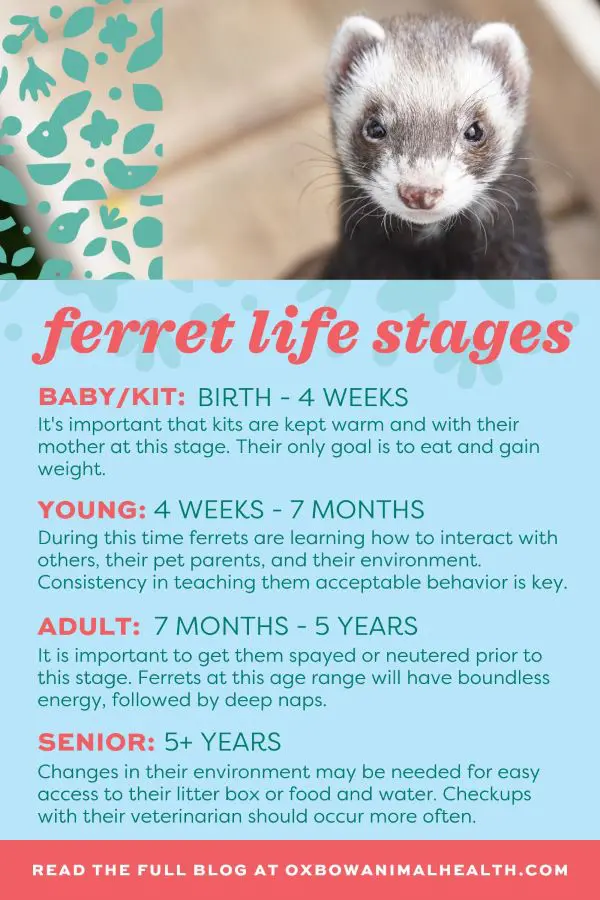
Young ferrets, or kits, need more sleep. They can sleep up to 20 hours a day. This extensive sleep helps them grow and develop properly. Adult ferrets sleep less, around 12 to 18 hours daily. Their sleep patterns become more consistent as they age.
Older ferrets may sleep even more. They tire easily and need extra rest. Ensuring a comfortable sleep environment is crucial for older ferrets.
Health Impact
A ferret’s health greatly affects its sleep. A healthy ferret will have regular sleep patterns. Illness or stress can disrupt these patterns. Ferrets may sleep more when they are sick. Regular veterinary check-ups can help maintain your ferret’s health. This ensures they get the sleep they need.
Diet also plays a role in sleep. A balanced diet helps keep a ferret healthy and energetic. Poor diet can lead to lethargy and increased sleep. Make sure your ferret’s diet is rich in nutrients.
Sleep Environment
Creating the right sleep environment for your ferret is crucial. Ferrets need a comfortable and quiet space to rest. This helps them get the sleep they need. Let’s explore how to create the best sleep environment for your ferret.
Ideal Sleeping Conditions
Ferrets prefer a dark, quiet place for sleeping. Noise can disturb their rest. A cool room temperature is also important. Ferrets overheat easily. Keep the room between 60-70°F. Avoid placing their bed near drafts or direct sunlight. This ensures a consistent and comfortable temperature.
Creating A Cozy Space
Provide a soft, enclosed bed for your ferret. They love small, dark spaces. A hammock or a small pet tent works well. Add soft blankets or old T-shirts. These items make the space warm and inviting. Clean their bedding regularly. This keeps it free from dirt and smells. A clean bed promotes better sleep.
Credit: friendlyferret.com
Ferret Sleep Cycles
Ferrets are fascinating creatures with unique sleep patterns. They can sleep up to 18 hours a day. Their sleep cycles include periods of deep sleep and light sleep. Understanding these cycles helps in caring for your ferret better.
Rem Sleep
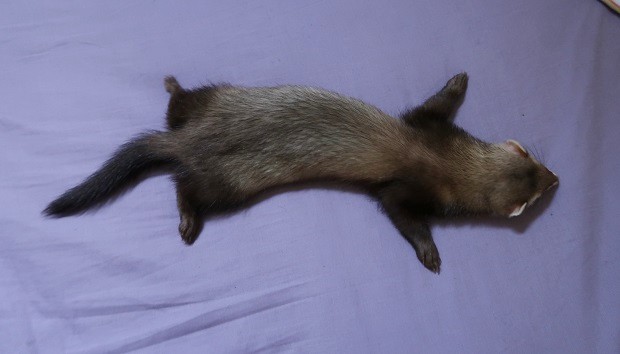
During REM sleep, ferrets dream. You might see their eyes move under their eyelids. Their paws may twitch, and their whiskers might flicker. This is a sign of a deep, restful sleep. REM sleep is crucial for their mental health.
Non-rem Sleep
Non-REM sleep is the light sleep phase. Ferrets rest but remain alert to sounds. Their bodies are still, and they breathe evenly. This sleep stage allows their bodies to repair and grow. They might wake up easily during this phase.
Behavioral Indicators
Understanding the behavioral indicators of a ferret’s sleep can help you ensure their health and well-being. Ferrets are known for their unique sleep patterns. Observing these patterns can give insights into their overall health.
Signs Of Deep Sleep
Ferrets exhibit certain signs that indicate they are in a deep sleep. Recognizing these signs can help you understand their sleep behavior better. Here are some common signs:
- Complete stillness
- Relaxed muscles
- Slow, steady breathing
If you find your ferret in this state, it is best not to disturb them. Deep sleep is crucial for their health. They usually sleep deeply for about 14 to 18 hours a day.
Sleep-related Behaviors
Ferrets have interesting sleep-related behaviors that are worth noting. These behaviors can provide insights into their sleep patterns. Common behaviors include:
| Behavior | Description |
|---|---|
| Burrowing | Ferrets love to burrow into blankets and soft materials. |
| Twitching | Light muscle twitches often occur during REM sleep. |
| Snoring | Some ferrets snore lightly while sleeping. |
Understanding these behaviors can help you create a comfortable sleep environment for your ferret. A cozy, quiet, and dark space can enhance their sleep quality.

Credit: www.reddit.com
Seasonal Sleep Changes
Ferrets are known for their long sleeping hours. They usually sleep around 14 to 18 hours a day. But their sleep patterns can change with the seasons. Understanding these changes can help you better care for your pet.
Winter Sleep Patterns
During winter, ferrets tend to sleep more. The colder temperatures and shorter daylight hours affect their bodies. This leads to increased sleep. They may also burrow more to stay warm. You might notice your ferret sleeping in cozy spots. Consider providing extra bedding. This will help them stay comfortable during the colder months.
| Factors | Details |
|---|---|
| Temperature | Colder temperatures lead to more sleep. |
| Daylight | Shorter days increase sleep duration. |
| Behavior | More burrowing and seeking warmth. |
Summer Sleep Adjustments
In summer, ferrets may sleep less. The warmer weather and longer daylight hours influence their sleep. They are more active during these months. Ensure they have a cool place to sleep. Overheating can be dangerous. Keep their habitat well-ventilated. Fresh water should always be available.
- Monitor their activity levels.
- Provide cool bedding options.
- Ensure proper ventilation.
Ferrets are sensitive to temperature changes. Their sleep patterns will adjust accordingly. By understanding these seasonal changes, you can ensure your ferret stays healthy and happy all year round.
Common Sleep Issues
Ferrets are known for their extensive sleep patterns. Still, they can face common sleep issues, just like humans. Understanding these issues helps in ensuring your pet’s well-being.
Insomnia In Ferrets
Insomnia in ferrets can be troubling. Ferrets need plenty of sleep, around 14 to 18 hours a day. If your ferret struggles to sleep, it could be due to stress or discomfort. Ensure their cage is clean and free from disturbances. A quiet, dark environment can help them relax. Also, check for any health issues. Sometimes, pain or illness can cause insomnia.
Excessive Sleep Concerns
Excessive sleep in ferrets can also be a sign of trouble. While ferrets sleep a lot, too much sleep might indicate an underlying problem. Monitor their daily activities. If they seem lethargic or less active, consult a vet. Health issues like infections or metabolic disorders could be the cause. A balanced diet and regular check-ups help maintain their health.
Tips For Better Sleep
Ferrets are unique pets with distinct sleep needs. Ensuring they get quality sleep is crucial for their health. Here are some tips to help your ferret sleep better.
Diet And Sleep
A balanced diet is essential for good sleep. Ferrets are obligate carnivores, so their diet should be high in protein and fat. Avoid giving them sugary or high-carb foods.
- Provide fresh meat, eggs, and commercial ferret food.
- Ensure they have constant access to fresh water.
- Avoid feeding them before bedtime to prevent digestive issues.
Healthy eating habits contribute to better sleep patterns.
Exercise And Rest
Ferrets are very active animals. Regular exercise helps them sleep better. Create a stimulating environment with toys and tunnels.
- Allow them to play outside their cage for at least two hours daily.
- Engage them with interactive toys.
- Ensure their cage is spacious and comfortable.
Physical activity during the day leads to more restful sleep at night.
Credit: oxbowanimalhealth.com
Frequently Asked Questions
How Many Hours Do Ferrets Sleep Daily?
Ferrets sleep for about 14 to 18 hours a day. Their sleep patterns are flexible. They adapt to their owners’ schedules.
Do Ferrets Sleep More At Night?
Ferrets are crepuscular, meaning they are most active during dawn and dusk. They can sleep anytime, day or night.
Can I Wake Up My Ferret?
It’s best to let ferrets wake up naturally. Disturbing their sleep can make them grumpy and stressed.
Why Do Ferrets Sleep So Much?
Ferrets have high metabolisms and need plenty of rest. Sleep helps them recharge their energy for active play periods.
Conclusion
Ferrets sleep a lot. Often, they snooze for 14 to 18 hours daily. This behavior is normal and healthy. Ensure they have a cozy, quiet spot. Regularly check their health and comfort. A well-rested ferret is active and playful. Understanding their sleep needs helps you care for them better.
Enjoy your time with your furry friend. They bring much joy and fun!