How to Know Hamster Gender: Quick and Easy Guide
Determining your hamster’s gender can be tricky. But it’s essential for proper care.
In this guide, you’ll learn how to identify your hamster’s gender. Hamsters are adorable pets with unique needs. Knowing their gender helps you understand their behavior better and prevents unwanted litters if you have more than one. While it might seem challenging at first, there are clear differences between male and female hamsters.
This introduction will help you recognize these differences, ensuring you provide the best care for your furry friend. Understanding your hamster’s gender is the first step in building a happy, healthy environment for them. Let’s dive in and make this task easier for you.
Preparing To Identify
Identifying the gender of your hamster requires careful preparation. You need to gather tools and create a safe environment. This ensures you and your hamster stay calm during the process. Each step is crucial for accurate identification.
Gather Necessary Tools
Before starting, gather the necessary tools. You will need a magnifying glass to see small details. Tweezers may help in moving fur aside. A flashlight can provide better visibility. Having treats on hand can help keep your hamster still.
Create A Safe Environment
Creating a safe environment is key. Choose a quiet room with no distractions. Make sure the area is hamster-proof. This prevents your hamster from escaping. Place a soft towel or blanket on a flat surface. This makes your hamster comfortable and reduces stress. Always handle your hamster gently to avoid causing fear or injury.

Credit: www.reddit.com
Physical Differences
Identifying the gender of your hamster can be a bit tricky. But knowing the physical differences can make it easier. In this section, we will discuss the key physical traits to look for. These include size and shape, and nipple count. Understanding these traits can help you determine your hamster’s gender with confidence.
Size And Shape
Male hamsters are generally larger than females. Their bodies are more elongated. Males also have a noticeable bulge near the rear end. This is due to their testicles. Female hamsters, on the other hand, tend to be smaller. Their bodies are more rounded. They do not have the same bulge near the rear end. These size and shape differences are often visible by the time hamsters are a few weeks old.
Nipple Count
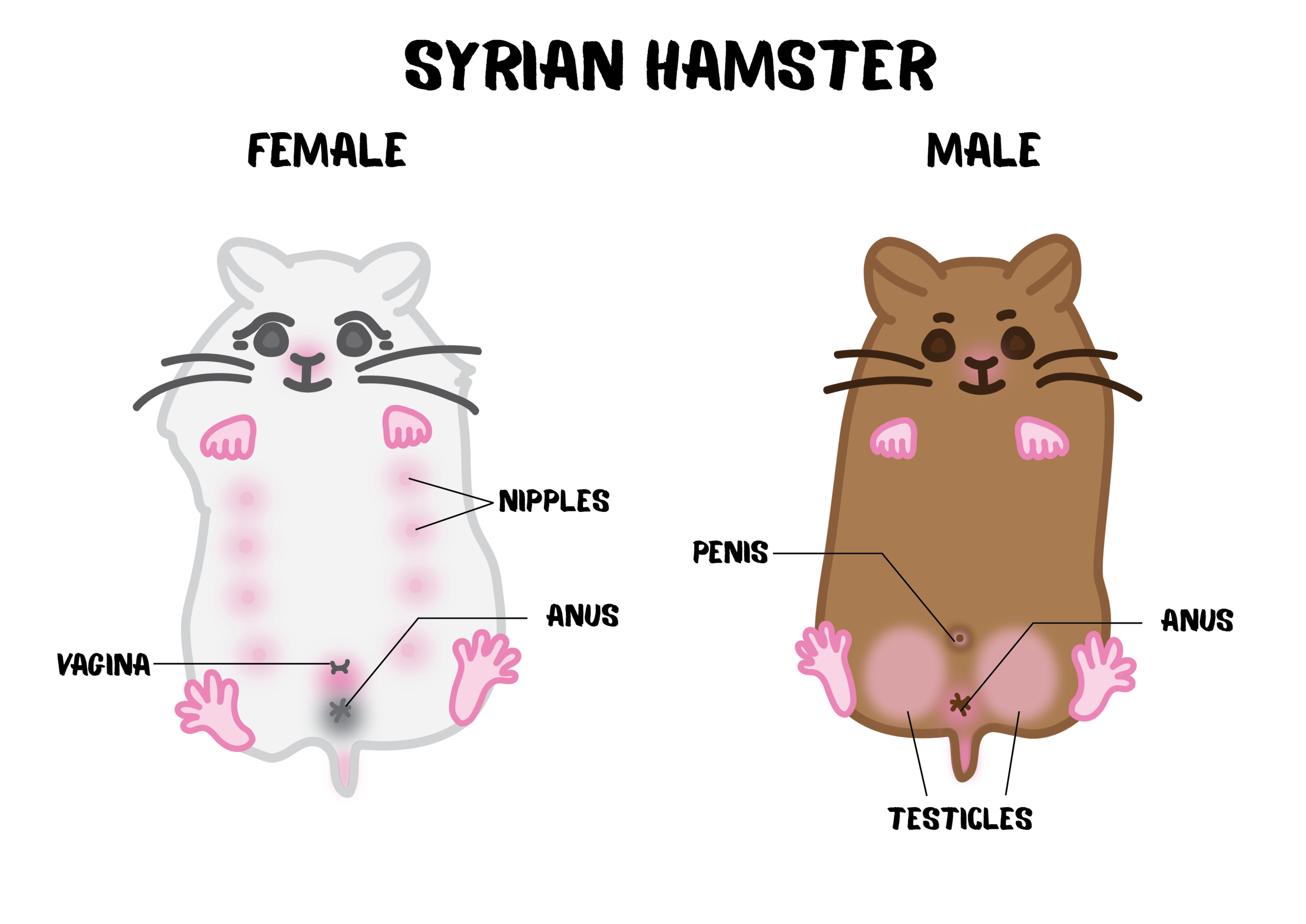
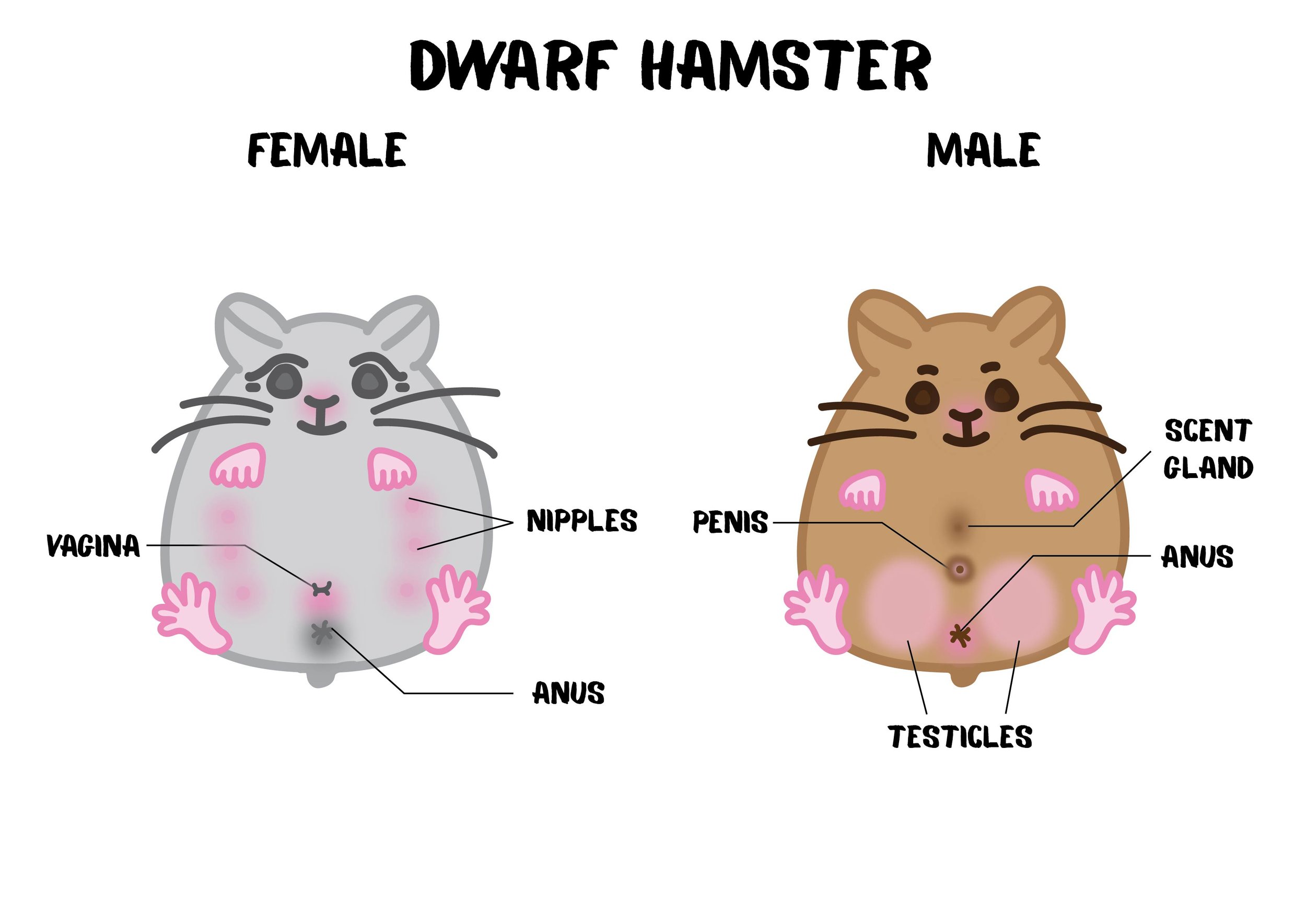
Another way to determine a hamster’s gender is by counting the nipples. Female hamsters have nipples. They are located along their belly. You can usually see them by gently parting the fur. Female hamsters typically have six to eight nipples. Male hamsters do not have visible nipples. This makes it easy to differentiate between the two genders.
Genital Examination
Understanding the gender of your hamster is crucial for proper care. One reliable method is through a genital examination. This involves checking the genital area for distinctive features. Let’s break down the steps under specific headings:
Anogenital Distance
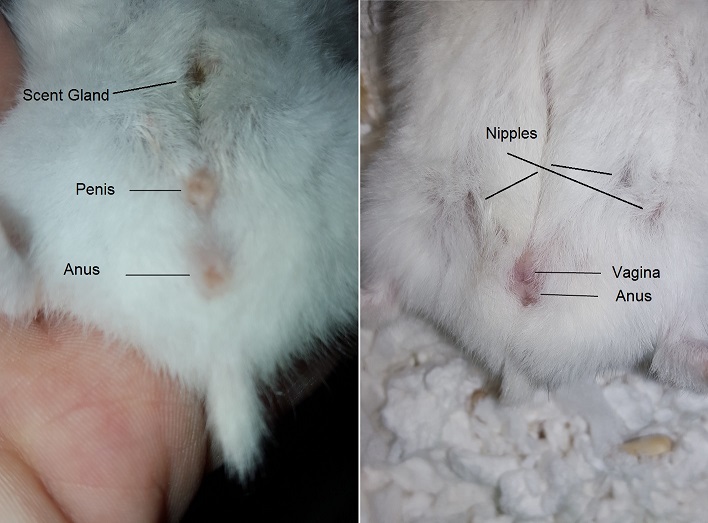
The anogenital distance is the space between the anus and the genital opening. In male hamsters, this distance is longer. In female hamsters, it is shorter.
Use a small table to clarify this:
| Gender | Anogenital Distance |
|---|---|
| Male | Longer |
| Female | Shorter |
Penile Sheath Vs. Vaginal Opening
Identifying the penile sheath and vaginal opening helps in determining the gender. The male hamster has a prominent penile sheath. It appears as a small, raised bump near the anogenital area. In contrast, the female hamster has a visible vaginal opening. This opening is closer to the anus and appears more like a small slit.
Use the following bullet points to summarize:
- Male Hamster: Penile sheath, raised bump.
- Female Hamster: Vaginal opening, small slit.
With these checks, you can easily identify your hamster’s gender. This aids in better care and prevents unwanted litters.
Credit: www.hamstercentral.com
Behavioral Cues
Determining a hamster’s gender can be challenging. Behavioral cues offer helpful hints. Observing how your hamster acts provides insights into their gender. Below, we explore key behaviors that can help you identify whether your hamster is male or female.
Territorial Behavior
Male hamsters tend to be more territorial. They often mark their space with scent glands. These glands are located on their hips. You may notice rubbing or scratching in these areas. Females also mark territory, but males do it more frequently. Males can become more aggressive if their space is invaded.
Breeding Signs
Female hamsters show clear signs when ready to breed. They exhibit a behavior called lordosis. This involves arching their back and raising their hindquarters. Males, on the other hand, become more active and restless. They may chase the female around the cage. Observing these behaviors can help you identify their gender.
Age Considerations
Identifying the gender of a hamster can be tricky, especially as they grow. Age considerations play a crucial role in determining the sex of your furry friend. Whether you have juvenile or adult hamsters, the process varies slightly. Let’s break it down for easy understanding.
Juvenile Hamsters
Juvenile hamsters are those under four weeks old. At this age, it can be challenging to determine their gender due to their small size and underdeveloped features. Here are a few tips:
- Size: Male juveniles are often slightly larger than females.
- Distance between openings: The anogenital distance (space between the anus and genital openings) is greater in males.
- Genital appearance: In males, the genital opening appears more prominent.
For better accuracy, you may need to wait until they are a bit older.
Adult Hamsters
Adult hamsters, over four weeks old, have more distinguishable features that make gender identification easier. Here are the signs to look for:
- Testicles: Male hamsters have visible testicles, which are absent in females.
- Body shape: Males tend to have a longer and rounder body, while females are more streamlined.
- Nipples: Females have more pronounced nipples, especially when pregnant or nursing.
Using these characteristics, you can confidently determine the gender of your adult hamster.
Credit: www.hamstersociety.sg
Common Mistakes
Identifying the gender of a hamster can be tricky. Many make common mistakes. These errors often lead to confusion and misidentification.
Misidentifying Young Hamsters
Young hamsters are hard to sex. Their genitalia is underdeveloped. This makes it difficult to differentiate between males and females. Many pet owners assume all young hamsters look the same. This assumption leads to mistakes. It’s best to wait until hamsters are older to determine their gender. Patience can prevent misidentification.
Overlooking Subtle Signs
Another common mistake is overlooking subtle signs. Male hamsters have larger scent glands. These glands are visible on their hips. Female hamsters lack these prominent glands. Observing these small details can help. Additionally, male hamsters have noticeable testicles. Female hamsters have a more rounded rear end. Paying close attention can make a big difference.
Seeking Professional Help
Determining the gender of your hamster can be challenging. Sometimes, you might need help from a professional. Seeking advice from a vet or relying on trusted resources can make the process easier and more accurate.
When To Consult A Vet
If you can’t identify your hamster’s gender, consult a vet. Vets have experience and can quickly determine the gender. Also, if your hamster shows signs of illness, a vet visit is essential. Knowing the gender helps in providing the correct care.
Vets can also give advice on hamster care. They ensure your pet remains healthy and happy.
Reliable Resources
There are many resources to help you determine your hamster’s gender. Online forums and websites dedicated to hamster care are useful. Books on hamster care provide detailed information.
Always choose reliable sources. Look for websites and books written by experts. Avoid relying on random internet searches.
Local pet stores can also be helpful. Staff usually have experience with small pets. They might assist you in identifying your hamster’s gender.
Frequently Asked Questions
How Can I Tell If My Hamster Is Male?
To determine if your hamster is male, check for prominent testicles near the rear. Males also have a more pronounced scent gland on their bellies.
What Are The Differences Between Male And Female Hamsters?
Male hamsters usually have larger scent glands and more prominent testicles. Female hamsters have smaller scent glands and no visible testicles.
At What Age Can I Determine Hamster Gender?
You can determine a hamster’s gender when they are around 4 weeks old. At this age, physical differences become noticeable.
How Do I Identify A Female Hamster?
Female hamsters have smaller scent glands and no visible testicles. They also have a shorter anogenital distance compared to males.
Conclusion
Identifying your hamster’s gender can be straightforward with these tips. Observe their physical traits, like size and shape. Check for scent glands and spacing between openings. Handle your hamster gently to avoid stress. Knowing their gender helps in better care and breeding decisions.
Always seek a vet if unsure. Happy hamster parenting!