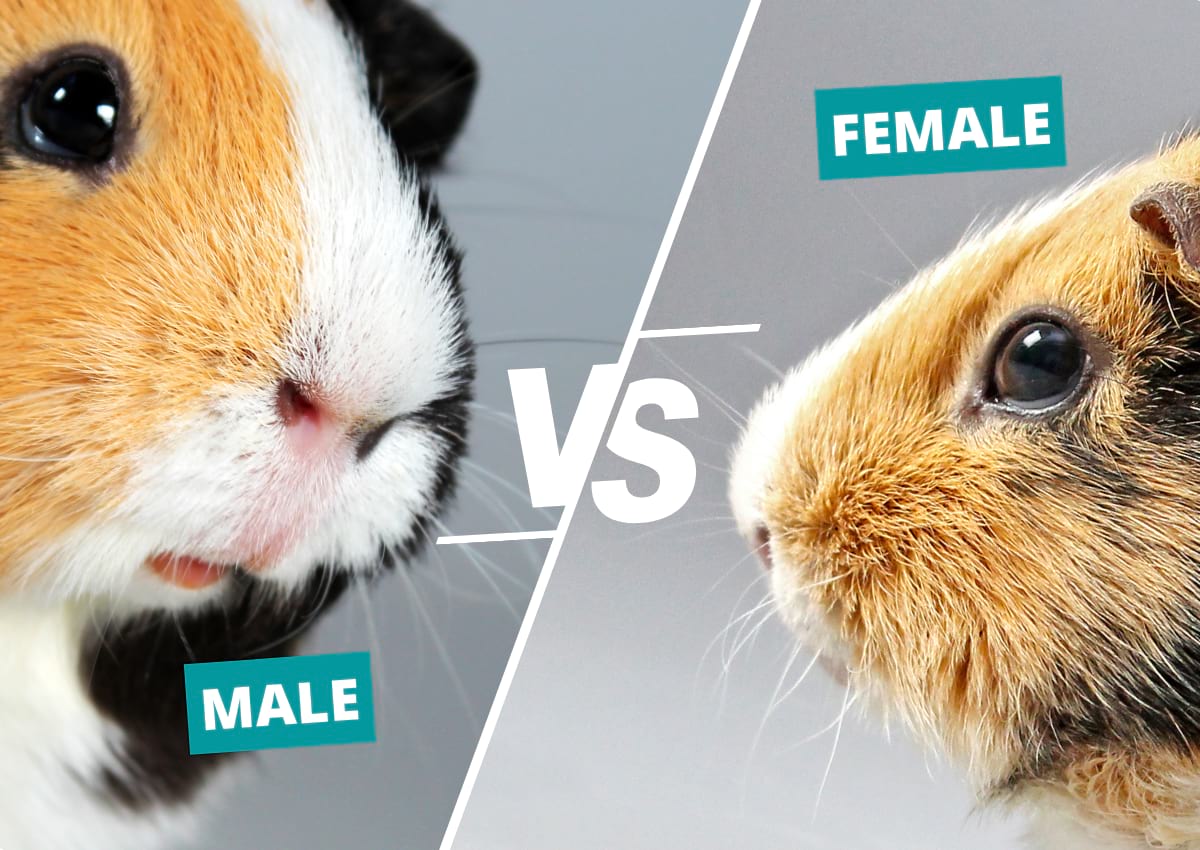
Male Vs Female Hamster: Key Differences and Care Tips
Hamsters make great pets for many. Choosing between a male and female hamster can be tricky.
Both have unique traits, making them suitable for different pet owners. Understanding the differences between male and female hamsters helps in making a smart choice. Males and females can differ in behavior, size, and care needs. Knowing these differences ensures a better match for your lifestyle and expectations.
This guide will explore the key points to consider when deciding between a male or female hamster. By the end, you will have a clear idea of which might suit you best. Let’s dive into the specifics and see what sets them apart.
Physical Characteristics
Understanding the physical characteristics of male and female hamsters is important. It helps in identifying and caring for them. This section will cover their differences in size, weight, fur, and color.
Size And Weight
Male hamsters tend to be larger and heavier. They usually weigh between 85-130 grams. Females, on the other hand, are lighter. Their weight ranges from 80-120 grams. The size difference is more noticeable in some breeds.
Fur And Color
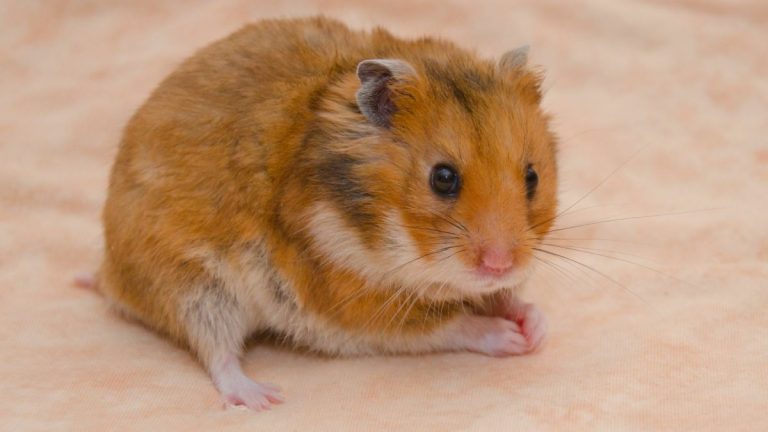
Both male and female hamsters come in various colors. Common colors include brown, black, white, and grey. Males often have softer and longer fur. Females may have shorter and coarser fur. These differences can help in distinguishing between the sexes.
Credit: www.reddit.com
Behavioral Traits
Understanding the behavioral traits of male and female hamsters can help in choosing the right pet. Both genders show distinct behaviors that may suit different preferences. Let’s explore their activity levels and social interactions.
Activity Levels
Male hamsters are usually more relaxed. They spend time sleeping and lounging. They also enjoy exploring their surroundings. Female hamsters, on the other hand, are more energetic. They tend to be more active and playful. They often run on their wheels and need more stimulation.
Social Interaction
Male hamsters are generally more social. They enjoy human interaction. They are also easier to tame. Female hamsters can be a bit more territorial. They might prefer to be alone. They can be more aggressive with other hamsters. Understanding these traits can help in creating a happy home for your pet.
Reproductive Differences
Understanding the reproductive differences between male and female hamsters is essential for pet owners. These differences can affect their care, behavior, and interactions with other hamsters. Let’s explore these fascinating aspects further.
Mating Habits
Male hamsters are generally more eager to mate. They often pursue females aggressively. Female hamsters, on the other hand, show interest only when in heat. This period lasts a few hours every four days. Timing is crucial for successful mating. Owners should monitor their hamsters closely during this period.
Gestation Period
The gestation period for female hamsters is relatively short. It lasts around 16 to 22 days. This short period results in quick population growth. Female hamsters can give birth to multiple litters in a year. Each litter can have 4 to 12 babies. Proper care and nutrition are vital during gestation. It ensures the health of both mother and pups.

Credit: www.youtube.com
Health Considerations
When choosing a hamster, understanding their health needs is essential. Male and female hamsters have different health considerations. Knowing these can help you care for your pet better.
Common Diseases
Both male and female hamsters can suffer from common diseases. Wet tail is a frequent issue. This disease causes diarrhea and can be fatal. Respiratory infections are also common. Symptoms include sneezing and discharge from the nose.
Female hamsters are prone to reproductive issues. They might develop tumors or infections in the uterus. Male hamsters can suffer from testicular tumors and scent gland infections. Regular health checks can help catch these problems early.
Preventive Care
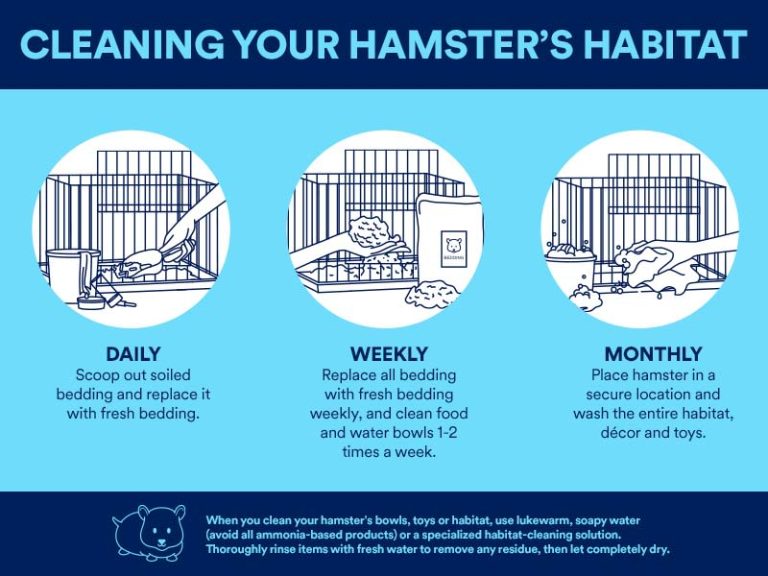
Preventive care is crucial for keeping your hamster healthy. Clean their cage regularly to prevent infections. Provide fresh food and water daily. A balanced diet keeps their immune system strong.
Regular exercise is vital. Hamster wheels and play areas keep them active. Check your hamster’s teeth. Overgrown teeth can cause eating problems. Provide chew toys to keep their teeth in good shape.
Schedule vet visits for health checks. Early detection of diseases can save your hamster’s life. Keep an eye on their behavior. Any change might indicate a health issue.
| Health Issue | Male Hamsters | Female Hamsters |
|---|---|---|
| Wet Tail | Common | Common |
| Respiratory Infections | Common | Common |
| Reproductive Issues | Rare | Common |
| Testicular Tumors | Common | Rare |
| Scent Gland Infections | Common | Rare |
Dietary Needs
Understanding the dietary needs of male and female hamsters is crucial for their health. Proper nutrition helps them stay active and live longer. Let’s explore their food preferences and nutritional supplements.
Food Preferences
Male and female hamsters have similar food preferences. They enjoy a variety of seeds, grains, and fresh vegetables. Here are some common foods:
- Sunflower seeds
- Oats
- Carrots
- Spinach
Occasional treats like fruit can be given in moderation. Avoid giving them sugary or fatty foods.
Both genders enjoy chewing on hard foods to keep their teeth healthy. Consider adding small pieces of apple or carrot sticks.
Nutritional Supplements
Both male and female hamsters may benefit from nutritional supplements. Here are some options:
| Supplement | Benefits |
|---|---|
| Calcium | Supports bone health |
| Vitamin C | Boosts immune system |
| Protein | Aids in muscle growth |
Ensure supplements are given in appropriate amounts. Over-supplementation can cause health issues. Always consult a vet before adding any new supplements to their diet.

Credit: www.youtube.com
Habitat Setup
Setting up the perfect habitat for your hamster ensures they live a happy and healthy life. Whether you have a male or female hamster, the essentials remain the same. Let’s dive into the key elements of a hamster’s habitat setup.
Cage Requirements
The cage is your hamster’s home. It must be spacious and secure. Male hamsters tend to be more active, so they need more room to roam. Female hamsters can be territorial, so a larger space helps avoid stress.
| Type of Cage | Pros | Cons |
|---|---|---|
| Wire Cage | Good ventilation, easy to clean | Can be noisy, escape risk |
| Plastic Cage | Contains bedding, less mess | Poor ventilation, can be chewed |
| Glass Tank | Excellent visibility, escape-proof | Heavy, harder to clean |
Bedding Options
The right bedding keeps your hamster comfortable and healthy. Both male and female hamsters need bedding that is absorbent and safe.
- Aspen Shavings: Safe and natural, but can be dusty.
- Paper-Based Bedding: Soft and absorbent, ideal for burrowing.
- Timothy Hay: Good for nesting, but not very absorbent.
Avoid cedar and pine shavings. These can be harmful to your hamster’s respiratory system.
Grooming Essentials
Grooming Essentials are vital for keeping your hamster healthy and happy. Male and female hamsters may have different grooming needs. Knowing these differences can help ensure your hamster stays clean and comfortable.
Brushing Techniques
Both male and female hamsters benefit from regular brushing. Long-haired hamsters, especially, need more frequent grooming. Use a small, soft-bristled brush to gently remove any loose fur. This helps prevent matting and keeps their coat shiny. Brush in the direction of hair growth to avoid discomfort.
For short-haired hamsters, brushing once a week is usually enough. This helps remove dirt and loose hair. It also gives you a chance to check for any skin issues. Be gentle and make the brushing session short. This keeps the hamster from getting stressed.
Nail Clipping
Hamster nails can grow long and sharp. This may cause discomfort or injury. Both male and female hamsters need their nails clipped regularly. You can use small pet nail clippers for this task. Ensure you only trim the tip of the nail. Cutting too much can cause pain and bleeding.
To make the process easier, hold your hamster gently but firmly. If you are unsure, ask a vet to show you the proper technique. Keeping nails trimmed helps your hamster move comfortably and reduces the risk of health issues.
| Grooming Task | Male Hamster | Female Hamster |
|---|---|---|
| Brushing | Weekly for short-haired, more often for long-haired | Weekly for short-haired, more often for long-haired |
| Nail Clipping | Regularly, as needed | Regularly, as needed |
Exercise And Enrichment
Hamsters are energetic creatures that require regular exercise and enrichment. Both male and female hamsters need activities to stay healthy and happy. Providing the right toys and routines can make a big difference. Let’s explore the best options for both genders to ensure they get the exercise they need.
Toys And Accessories
Toys and accessories play a crucial role in a hamster’s life. They help keep them active and mentally stimulated. Here’s a look at some popular options:
- Exercise Wheel: Essential for both male and female hamsters. It helps burn off energy.
- Tunnels: Great for hiding and running. Hamsters love exploring these.
- Chew Toys: Necessary to keep their teeth healthy. Both genders benefit from these.
- Climbing Structures: Perfect for female hamsters who enjoy climbing more than males.
Exercise Routines
Regular exercise routines are vital for hamsters. They prevent obesity and boredom. Here are some tips for creating effective routines:
- Daily Wheel Time: Ensure your hamster has access to the exercise wheel daily. Aim for at least 30 minutes.
- Playtime Outside the Cage: Supervised playtime in a safe area can be very enriching. Let them explore new spaces.
- Interactive Toys: Use toys that encourage movement. Puzzle feeders can also be great for mental stimulation.
- Rotating Toys: Swap out toys regularly to keep things interesting. This prevents boredom.
By providing the right toys and exercise routines, you can ensure your hamster stays active and engaged. Whether male or female, these activities are essential for their well-being.
Frequently Asked Questions
How To Tell Male Vs Female Hamster?
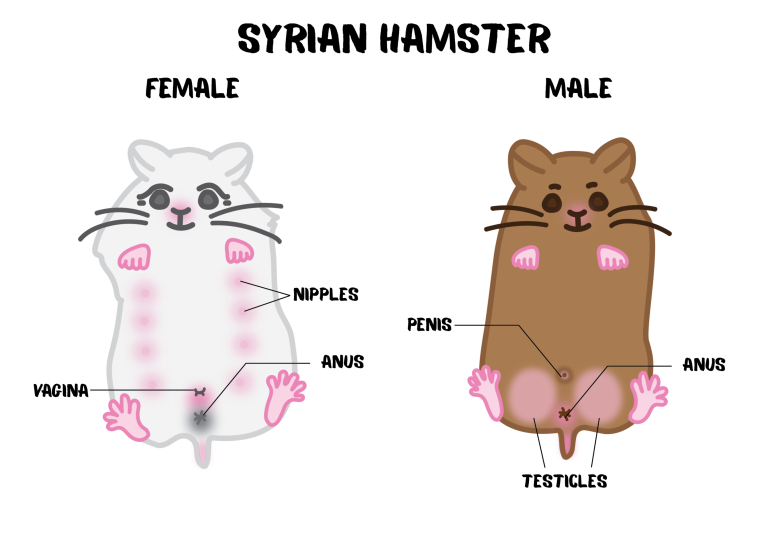
To tell a male from a female hamster, check their rear ends. Males have larger, more prominent testicles. Females have smoother, less pronounced rear ends.
Do Male Or Female Hamsters Live Longer?
Female hamsters generally live slightly longer than males. The average lifespan for both is around 2-3 years.
Which Is Friendlier: Male Or Female Hamster?
Male hamsters are typically more docile and friendly. Female hamsters can be more territorial and aggressive.
Can Male And Female Hamsters Live Together?
Male and female hamsters should not live together. They can breed quickly, leading to overpopulation and stress.
Conclusion
Choosing between a male or female hamster depends on your preference. Males are often more docile, while females can be more active. Both genders make great pets and offer unique traits. Understand their needs and behaviors for a happy hamster.
Consider their differences and match them with your lifestyle. A well-informed decision ensures a healthy, happy pet. Enjoy the companionship and joy hamsters bring to your life.